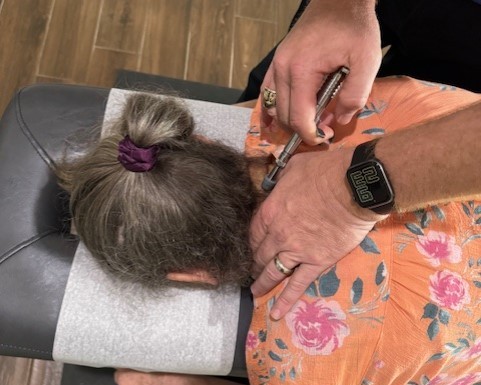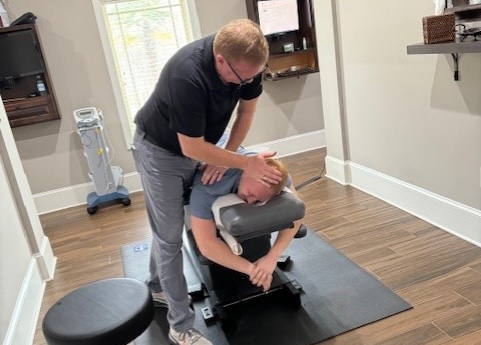

If you're dealing with migraines, seeking professional care can make a significant difference in your life. Understanding your unique triggers and having access to effective treatment options can transform how you manage this condition. Plus, tailored care plans not only aim to reduce the frequency of episodes but also enhance your overall quality of life. With the right guidance, you can take proactive steps toward regaining control over your health. But what are the top reasons to pursue this care? Let's explore those key points further.
Understanding Migraine Triggers
Understanding migraine triggers is vital for managing this often debilitating condition. Identifying what sparks your migraines allows you to take proactive steps to minimize their frequency and severity.
Everyone's triggers can vary widely, but common culprits include stress, certain foods, hormonal changes, and environmental factors.
You might notice that specific foods, like aged cheeses, chocolate, or caffeine, could lead to a migraine. Keeping a food diary can help you pinpoint these dietary triggers.
Similarly, stress is a significant factor for many, so incorporating relaxation techniques like mindfulness or yoga into your routine can be beneficial.
Hormonal fluctuations, particularly in women, can also play an important role. If you suspect your migraines correlate with your menstrual cycle, tracking your symptoms can provide valuable insights.
Environmental factors, such as bright lights, loud noises, or strong smells, can be triggers as well. If you know that a noisy environment tends to set off your migraines, you might want to take precautions, like wearing earplugs or sunglasses when needed.
Accessing Effective Treatment Options
Finding the right treatment for migraines can feel like searching for a needle in a haystack, but it's essential for reclaiming your quality of life. You don't have to suffer in silence; effective options are available, and seeking care is the first step toward relief. Start by consulting a healthcare professional who specializes in migraines. They can evaluate your symptoms, medical history, and lifestyle to recommend a tailored approach.
Medications are often the cornerstone of migraine management. You might explore two categories: acute treatments, which help alleviate pain during an attack, and preventive treatments, designed to reduce the frequency and severity of episodes. Over-the-counter options like ibuprofen or acetaminophen can work for some, while others may need prescription medications like triptans or ergotamines. Always discuss these with your doctor to find what's best for you.
In addition to medications, non-pharmacological treatments can also be highly effective. Cognitive-behavioral therapy (CBT), biofeedback, and relaxation techniques can help you manage stress, a common migraine trigger.
Lifestyle modifications, such as maintaining a consistent sleep schedule, staying hydrated, and eating regular meals, can also play a significant role in reducing migraine frequency.
Don't hesitate to advocate for yourself. Keep a migraine diary to track patterns and triggers, and share this information with your healthcare provider. Staying informed and engaged in your treatment plan will empower you to access the most effective options for your specific needs.
Preventing Future Episodes
Taking proactive steps to prevent future migraine episodes can greatly improve your quality of life. By understanding your triggers and implementing preventive strategies, you can reduce the frequency and severity of your migraines.
Here are some effective ways to help you stay ahead of your migraine episodes:
- Maintain a consistent routine: Regular sleep, meals, and hydration can help stabilize your body and reduce the likelihood of a migraine.
- Identify and avoid triggers: Keep a migraine diary to recognize patterns and pinpoint specific triggers like certain foods, weather changes, or stressors.
- Incorporate relaxation techniques: Practices like yoga, meditation, or deep breathing can help manage stress, a known trigger for many.
- Consult with a healthcare professional: They can provide tailored advice and preventive medications that might work for you.
Improving Quality of Life
Making proactive changes not only helps prevent future migraines but also enhances your overall quality of life. When you prioritize your health, you can reclaim precious moments that migraines often steal away. By seeking care, you'll gain access to effective treatments that help reduce the frequency and severity of your headaches, allowing you to engage more fully in your daily activities.
Living with chronic migraines can be exhausting, and they can take a toll on your emotional well-being. When you manage your symptoms better, you'll likely notice improvements in your mood and stress levels. Less time spent dealing with pain means more time for hobbies, socializing, and enjoying life. You'll find that you're more present in your relationships, and your loved ones will appreciate the positive changes too.
Moreover, effective migraine management can lead to better sleep and increased productivity. You'll wake up feeling refreshed and ready to tackle your day without the looming threat of an impending headache. As you regain control over your life, your confidence may grow, empowering you to pursue new opportunities both personally and professionally.
Ultimately, improving your quality of life through proactive migraine care isn't just about managing pain; it's about realizing your full potential. Don't let migraines dictate how you live. By taking steps to improve your health, you're investing in a brighter, migraine-free future filled with possibilities and joy.
Receiving Personalized Care Plans
When it comes to managing migraines, receiving personalized care plans tailored specifically for you can make all the difference. A one-size-fits-all approach simply doesn't cut it when it comes to such a complex condition. Each person's triggers, symptoms, and responses to treatment can vary widely.
By working closely with a healthcare professional, you can develop a plan that addresses your unique needs and helps you regain control over your life.
Imagine waking up without the dread of a migraine looming over you. A personalized care plan can help you achieve that by focusing on:
- Identifying your specific triggers and how to avoid them
- Creating a medication regimen that suits your lifestyle and health
- Including lifestyle modifications to support overall well-being
- Establishing a clear and proactive response strategy for attacks
This tailored approach not only helps reduce the frequency and severity of your migraines but also empowers you to take charge of your health. You won't just be managing symptoms; you'll be actively participating in your care, leading to better outcomes.
With the right personalized care plan, you can enjoy activities you once loved without the constant fear of a migraine attack. It's about more than just treatment—it's about reclaiming your life.
Conclusion
In summary, seeking care for your migraines is essential for managing your condition effectively. By understanding your triggers and accessing tailored treatment options, you can prevent future episodes and improve your overall quality of life. Personalized care plans empower you to take charge of your health, ensuring you don't miss out on precious moments. Don't let migraines dictate your life—reach out for the support you need to regain control and enjoy each day to the fullest.