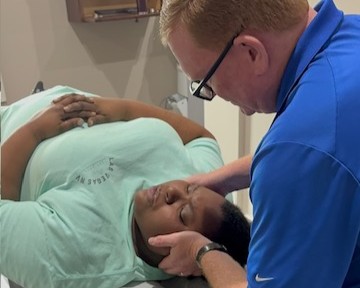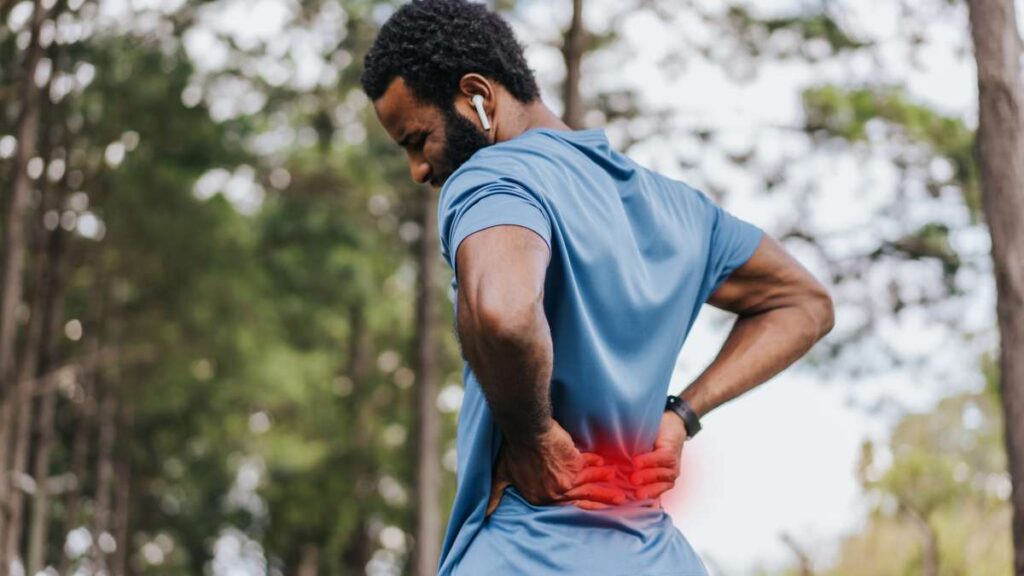

As a local chiropractor, I understand that dealing with a sports injury can be a daunting experience, but it doesn't have to be. By taking the right steps, you can streamline your recovery and get back to doing what you love. First and foremost, it's essential to properly assess your injury. This allows us to create a personalized rehabilitation plan tailored specifically to your needs.
In addition to rehab, optimizing your nutrition is crucial. A well-balanced diet rich in anti-inflammatory foods can significantly aid in your healing process. I often recommend incorporating certain vitamins and minerals that support tissue repair and reduce inflammation.
Rest is another vital component of recovery. However, it's not just about avoiding activity; it's about understanding how to rest effectively. Techniques such as gentle stretching and mobility exercises can promote healing without putting undue strain on your body.
Lastly, maintaining a positive mindset can be just as important as the physical aspects of recovery. Your mental state plays a significant role in how your body responds to healing.
So, what specific actions can you take to ensure you're on the right path? Let's dive into some essential steps that can help accelerate your recovery journey through chiropractic care and natural healing methods.
Assess Your Injury Properly
As your local chiropractor, I'm here to guide you through the important first steps of your recovery journey. The first thing we need to do is evaluate your injury properly. It's crucial to identify the type of injury you're dealing with—whether it's a sprain, strain, fracture, or something else entirely.
Understanding the specifics of your injury not only helps in assessing its severity but also informs us on how best to approach your recovery.
Take a moment to observe where the pain is located and if there's any swelling or bruising present. This initial assessment is vital for laying the groundwork for effective treatment strategies.
Next, consider when the injury occurred and the activities that may have led to it. Did it happen during a game, practice, or while training? Recognizing the context can provide important insights into your body's limits and help us develop a plan to prevent future injuries.
It's also important to assess your range of motion. Can you move the affected area without experiencing pain? If you find that movement is significantly restricted, it may indicate a more serious issue that requires professional evaluation.
As a chiropractor, I encourage you to seek my expertise. I can perform a thorough examination and, if necessary, recommend imaging tests like X-rays or MRIs to confirm our diagnosis.
Skipping this crucial step could lead to further complications and extend your recovery time.
Finally, I suggest keeping a journal of your symptoms. Note your pain levels and any functional limitations you experience. This record will be incredibly useful for tracking your progress and providing valuable information during our consultations.
By taking the time to properly evaluate your injury, you're not just helping yourself; you're setting the stage for a more effective and efficient recovery process.
Follow a Rehabilitation Plan
A comprehensive rehabilitation plan is vital for your recovery following a sports injury, and chiropractic care can play a significant role in that process. At our clinic, we develop tailored rehabilitation programs that include specific exercises, stretches, and activities designed to address your injury and enhance your overall physical wellness. By diligently following this plan, you can ensure a safe and effective recovery.
First and foremost, it's important to collaborate closely with a qualified chiropractor. We'll evaluate your injury and craft a personalized rehabilitation program that suits your unique needs. Open communication is crucial; please feel free to discuss any pain levels or concerns you may have during your visits.
Adhering to your rehabilitation schedule is essential for successful recovery. Consistency is key. I recommend setting aside dedicated time each day for your exercises. Even if you start to feel improvements, it's important not to skip sessions. While rest days are necessary for healing, staying active within your rehabilitation plan is equally important.
Tracking your progress can be incredibly motivating. I suggest keeping a journal to document how you feel after each session, noting any improvements or setbacks. Celebrate the small victories, such as increased range of motion or reduced discomfort, as these are important milestones in your healing journey.
Incorporating both strength and flexibility exercises into your routine is crucial. Strengthening the muscles surrounding the injured area can provide much-needed support and help prevent future injuries. Flexibility exercises are equally important as they maintain your full range of motion, which is essential for returning to your sport.
Lastly, I want to emphasize the importance of patience. Recovery is often a gradual process, and it's essential to stay committed to your rehabilitation plan. By doing so, you're taking significant strides toward returning to your sport stronger and more resilient than ever before.
Optimize Your Nutrition
As a local chiropractor, I often emphasize that recovering from a sports injury involves more than just following a rehabilitation plan; optimizing your nutrition is a crucial aspect of the healing process.
The right nutrients can significantly enhance your recovery by reducing inflammation, supporting tissue repair, and accelerating healing. By being mindful of your diet, you can empower your body to bounce back stronger and more resilient.
Here are three nutritional strategies I recommend for my patients:
- Prioritize Protein: Protein is vital for tissue repair and muscle recovery. I suggest incorporating lean sources of protein into your meals, such as chicken, fish, beans, and legumes, to help meet your daily nutritional needs.
- Incorporate Anti-Inflammatory Foods: Foods that are rich in omega-3 fatty acids—like salmon, walnuts, and flaxseeds—can help reduce inflammation and promote healing. Additionally, colorful fruits and vegetables, such as berries, spinach, and sweet potatoes, are loaded with antioxidants that support your recovery.
- Stay Hydrated: Hydration is essential for recovery. Drinking enough water helps transport nutrients to your cells and flush out toxins from your body. I recommend that you aim to consume plenty of fluids throughout the day, especially when engaging in rehabilitation exercises.
By following these nutritional strategies, you can complement your chiropractic care and enhance your healing journey.
Utilize Rest and Recovery Techniques
As a local chiropractor dedicated to your health and well-being, I want to emphasize the importance of effective rest and recovery techniques as part of your healing journey. After you've made adjustments to your nutrition, the next crucial step is prioritizing rest.
Rest is vital for your body; it allows for healing and the rebuilding of tissues that may have been strained or injured. Aim to get 7-9 hours of quality sleep each night, as much of your body's repair work happens during this time. Maintaining a consistent sleep schedule can significantly support your recovery efforts.
In addition to ensuring sufficient sleep, I recommend incorporating active recovery into your routine. Engaging in gentle activities such as walking, swimming, or cycling at a low intensity can enhance blood circulation, which is essential for healing without overexerting yourself.
Always listen to your body; if any activity causes discomfort, it's crucial to stop and allow yourself additional time to rest.
Another valuable technique involves using ice and heat therapy. Ice can effectively reduce inflammation and numb pain, while heat can boost blood flow and relax tight muscles. Alternating between these therapies based on your comfort and the nature of your injury can be beneficial.
It's also important not to overlook stretching and mobility exercises. These practices can help maintain flexibility and prevent stiffness in your body. Focus on stretching the areas surrounding your injury to promote overall function while avoiding aggravation.
Lastly, consider the benefits of massage or foam rolling. These techniques can relieve muscle tension, improve circulation, and enhance your recovery process.
Stay Mentally Positive
Maintaining a positive mindset is crucial during your recovery from a sports injury, and as your chiropractor, I want to emphasize how this can complement your healing process. Focusing on the brighter side not only enhances your mental well-being but also plays a significant role in your physical recovery.
Here are some strategies to help you cultivate a positive outlook:
- Set realistic goals: Together, we can break down your recovery into small, achievable milestones. Celebrating each victory, no matter how minor, can significantly boost your motivation and outlook.
- Surround yourself with support: It's important to connect with friends, family, or teammates who uplift you. Their encouragement can greatly impact your morale and provide a sense of community during your healing journey.
- Practice gratitude: Each day, take a moment to reflect on what you're thankful for. This shift in mindset can help you appreciate the progress you're making, even if it feels slow.
In tough times, it's natural to feel overwhelmed by negativity or setbacks. However, I encourage you to acknowledge those feelings and then shift your focus toward positivity.
Visualizing your return to the activities you love can create a powerful mental image that keeps you motivated and focused on your recovery.
Additionally, I recommend incorporating mindfulness practices, such as meditation or deep-breathing exercises, into your daily routine. These techniques can help alleviate anxiety and improve your overall perspective, making your recovery journey smoother.
Conclusion
As a local chiropractor, I want to share some important insights on how to effectively speed up your sports injury recovery. Understanding your injury is the first step—it's crucial to properly assess what you're dealing with. From there, we can develop a customized rehabilitation plan that suits your unique needs.
Nutrition plays a vital role in healing, so I encourage you to focus on a balanced diet that supports recovery. Don't forget the importance of rest; allowing your body the time it needs to heal is essential for getting back to your favorite activities.
Additionally, maintaining a positive mindset can significantly influence your recovery process. Staying mentally strong and motivated will help you navigate through any challenges you might face. Remember, every small effort you make contributes to your overall recovery. By staying committed to your healing journey, you'll find yourself back in the game, potentially even stronger than before! If you have any questions about how chiropractic care can assist you in this process, feel free to reach out.