
As a local chiropractor, I understand how debilitating back pain can be, especially when it affects your ability to participate in sports. It's not just a minor inconvenience; it can significantly impact your performance and overall enjoyment. Fortunately, I want to share with you seven reliable strategies that can help alleviate this discomfort and enhance your active lifestyle.
First and foremost, maintaining proper posture is crucial during any physical activity. It ensures that your spine is aligned and minimizes strain on your back. Additionally, strengthening your core muscles plays a vital role in supporting your back and preventing injuries.
However, it's essential to recognize that effective pain management extends beyond what you do on the field. The choices you make off the field—like your daily habits, nutrition, and overall wellness practices—are just as important.
By adopting these strategies, you can transform your approach to sports and pain management. If you're interested in learning more about how chiropractic care and natural healing can support you in this journey, let's discuss how I can help you achieve a pain-free, active lifestyle.
Maintain Proper Posture
As a local chiropractor, I want to share with you the importance of maintaining proper posture during sports activities for your overall spinal health. Good posture isn't just about looking confident; it plays a crucial role in enhancing your performance and minimizing the risk of injuries.
When you stand tall, your spine aligns as it should, allowing your muscles to work efficiently. For optimal positioning, keep your feet shoulder-width apart, slightly bend your knees, and ensure your hips are level. Engaging your core is vital; this stabilizes your lower back and supports the natural curvature of your spine.
As you move, whether you're running, jumping, or participating in any sport, it's essential to be mindful of your body mechanics. Avoid slouching or leaning excessively forward. Instead, keep your shoulders back and down, and align your head with your spine. This alignment helps distribute the impact of your movements evenly, which can significantly reduce strain on your back.
If your sport involves lifting weights or requires strength, remember to bend at your hips and knees rather than your waist. This technique is crucial for protecting your lower back from unnecessary strain and potential injury. Additionally, keep your elbows close to your body while lifting to maintain proper form.
Finally, I encourage you to regularly check in with your posture throughout your sporting activities. Being conscious of your alignment not only improves your performance but also significantly reduces your chances of experiencing back pain.
Incorporate Stretching Routines
As a local chiropractor, I want to emphasize the importance of incorporating stretching routines into your daily regimen. Not only can this significantly enhance your flexibility, but it can also help reduce the risk of back pain—a common concern for many of my patients.
It's crucial to understand the difference between dynamic and static stretching. Dynamic stretching is best for warming up your muscles before physical activity, while static stretching is ideal for cooling down and relaxing your muscles afterward.
By targeting key muscle groups that support your spine, you can maintain a healthy back and improve your overall athletic performance.
I encourage you to integrate these stretching practices into your routine to promote natural healing and maintain optimal spinal health. If you have any questions about how to get started or specific stretches that might benefit you, feel free to reach out. Your well-being is my priority!
Importance of Flexibility
As a local chiropractor, I want to emphasize the vital role flexibility plays in preventing sports-related back pain. Many people may not realize that incorporating regular stretching routines can significantly enhance their overall well-being.
When your muscles and joints are flexible, they can move freely through their full range of motion, reducing the risk of strain and injury. This increased flexibility is essential for maintaining proper posture, which is crucial for safeguarding your back during any physical activity.
To boost your flexibility, I recommend dedicating just a few minutes each day to stretching. Pay special attention to areas that often contribute to back discomfort, such as your hamstrings, hip flexors, and lower back.
Simple stretches like toe touches or cat-cow poses can greatly alleviate tension and improve your overall range of motion. Remember, incorporating these practices not only helps with pain relief but also supports your journey toward natural healing and optimal health.
Dynamic vs. Static Stretching
As a chiropractor, I want to emphasize the importance of stretching routines for enhancing flexibility and preventing sports-related back pain.
It's essential to understand the difference between dynamic and static stretching, as both play a significant role in your overall health and wellness.
Dynamic stretching involves active movements that gently take your body through its full range of motion. This type of stretching is best performed before your workout. It warms up your muscles and increases blood flow, preparing your body for the physical activity ahead.
For example, consider incorporating leg swings, arm circles, or walking lunges into your pre-exercise routine. These movements will help energize your body and reduce the risk of injury.
In contrast, static stretching is performed by holding a stretch for a longer duration, typically between 15 to 30 seconds. This is most effective after your workout when your muscles are warm. Engaging in static stretches can significantly improve your flexibility and promote recovery.
You might try bending forward to touch your toes or holding a quadriceps stretch for optimal results.
Incorporating both dynamic and static stretches into your routine will provide you with a balanced approach to flexibility and injury prevention.
Begin with dynamic stretches to get your body ready for action, and finish with static stretches to cool down and lengthen your muscles.
By understanding and applying these techniques, you can reduce your risk of back pain and enhance your overall athletic performance.
Targeting Key Muscle Groups
As a local chiropractor, I want to emphasize the importance of targeting key muscle groups to alleviate sports-related back pain and enhance your overall well-being. Many individuals aren't aware that incorporating specific stretching routines can significantly contribute to pain relief and improved flexibility.
Let's start with the hamstrings. A simple yet effective stretch involves sitting on the ground with one leg extended and the other bent. Gently reach toward your toes, holding the position for 20-30 seconds before switching legs. This stretch can help relieve tightness that may be affecting your back.
Next, we've the hip flexors. To stretch these muscles, kneel on one knee, pushing your hips forward while maintaining a straight back. You should feel a stretch in your hip and thigh. Hold this position for 20-30 seconds. Stretching your hip flexors can alleviate pressure on your lower back.
For a great lower back stretch, I recommend the child's pose. Kneel on the floor, sit back on your heels, and extend your arms forward while lowering your torso. Breathe deeply and hold for about 30 seconds. This position can help relax and stretch the muscles in your lower back.
I encourage you to integrate these stretches into your routine at least three times a week. Doing so can greatly enhance your flexibility and reduce tension in your back, allowing you to perform better in your activities.
Always remember to listen to your body. If you experience any discomfort or pain while stretching, please stop and consult with a professional like me.
Strengthen Core Muscles
As a local chiropractor, I want to emphasize the importance of strengthening your core muscles for maintaining a stable back and preventing pain, especially during sports activities.
Many people may not realize that a strong core is essential for overall body support and function. By incorporating effective core exercises into your daily routine, you can't only enhance your athletic performance but also significantly reduce your risk of injury.
It's important to understand that consistency is crucial when it comes to building a strong core. A well-supported back can lead to better posture, improved movement, and a healthier lifestyle.
Importance of Core Stability
As a local chiropractor, I want to emphasize the importance of having a strong core, especially for those of you who may be experiencing back pain or looking to enhance your overall health. Your core isn't just about having well-defined abs; it encompasses the entire group of muscles in your abdomen, hips, and lower back.
When these muscles are stable and strong, they provide vital support to your spine and pelvis, helping to alleviate strain on your back during everyday activities and sports.
Core stability plays a crucial role in maintaining proper posture and alignment, which is essential in preventing injuries and promoting optimal movement. A weak core can lead to muscle imbalances and compensatory movements, increasing your risk of injury. Conversely, strong core muscles enable you to generate power more efficiently, whether you're running, jumping, or twisting.
Moreover, a stable core enhances balance and coordination, making it easier for you to perform complex movements with precision. This stability also helps your body absorb shock more effectively, reducing the impact on your spine during high-impact activities.
Incorporating exercises that focus on core stability into your routine is vital for both injury prevention and improving your overall performance. By prioritizing core strength, you're making an investment in your long-term back health and enhancing your ability to engage in activities you love.
Effective Core Exercises
As a local chiropractor, I want to emphasize the importance of incorporating effective core exercises into your daily routine for optimal health and well-being. A strong core is essential for supporting your spine and can significantly reduce the risk of back pain, especially for those of you who are active in sports or everyday activities.
Let's start with planks. This exercise engages multiple core muscles and is a fantastic way to build strength. Begin by holding a plank position for 20-30 seconds, and as you become stronger, gradually increase the duration. This simple exercise can do wonders for your spinal stability.
Next, consider adding bridges to your routine. To perform this exercise, lie on your back with your knees bent and feet flat on the floor. Lift your hips until your body creates a straight line from your shoulders to your knees. Hold this position for a few seconds before lowering back down. Bridges are excellent for strengthening not just your lower back, but also your glutes, which play a crucial role in maintaining proper posture and spinal alignment.
Bird-dogs are another fantastic exercise that I highly recommend. Start on all fours, then extend one arm and the opposite leg while keeping your back straight. Hold for a few seconds before switching sides. This movement is great for improving balance and stability, as well as engaging your core, which is essential for supporting your spine.
Finally, don't overlook Russian twists. Sit on the floor and lean back slightly while rotating your torso from side to side, ideally while holding a weight or a medicine ball. This exercise effectively targets your obliques and contributes to a well-rounded core workout.
I suggest including these exercises in your routine at least three times a week. Strengthening your core not only alleviates back pain but also enhances your athletic performance and overall quality of life.
Consistency Is Key
As a local chiropractor, I can't stress enough the importance of consistent practice when it comes to strengthening your core muscles. Whether you prefer hitting the gym, practicing yoga, or engaging in bodyweight exercises at home, establishing a routine is vital for your overall health.
I recommend aiming for at least three sessions a week, focusing on exercises that engage your entire core—think planks, bridges, and Russian twists.
It's important to understand that results won't appear overnight; however, your persistence will pay off in the long run. Strengthening your core muscles leads to improved stability, better posture, and a significant reduction in back pain. A strong core provides essential support for your spine during physical activities, which can greatly reduce your risk of injury.
Additionally, I encourage you to incorporate variety into your workouts. Mixing up your exercises not only keeps your routine engaging but also challenges your core in diverse ways.
Remember, maintaining proper form is key to maximizing the benefits of your workouts and minimizing strain on your body.
Tracking your progress can also serve as a powerful motivator to help you stay consistent. Consider keeping a journal or using an app to log your workouts and celebrate your achievements along the way.
Over time, building a strong core will enhance your athletic performance and alleviate back pain, creating a solid foundation for your overall well-being. Stick with it, and you'll truly reap the rewards of your dedication!
Use Correct Techniques
As a local chiropractor, I want to emphasize the importance of using correct techniques during sports activities to help prevent back pain. Many of my patients are unaware of how vital body mechanics are when engaging in physical activities. By paying attention to your posture and movements, you can significantly improve how your back feels both during and after your workouts.
First and foremost, always remember to warm up before starting any sport. A proper warm-up is essential; it prepares your muscles and joints, enhancing flexibility and reducing the risk of injury. I recommend focusing on dynamic stretches that engage your core, as a strong core plays a crucial role in supporting your spine.
Next, be conscious of your posture while exercising. Whether you're running, lifting weights, or participating in any sport, maintaining a straight back, keeping your shoulders back, and holding your head up is key. Slouching or leaning forward can place unnecessary strain on your back, which we want to avoid.
When it comes to lifting weights, I encourage you to use your legs instead of your back. Make sure to bend at the knees and keep the weight close to your body. This technique helps distribute the load evenly, minimizing the risk of injury.
I also advise practicing controlled movements. Quick twists or jerky motions can lead to muscle strain, so focus on smooth, deliberate actions that allow your body to function correctly.
Lastly, it's crucial to listen to your body. If something doesn't feel right, take a moment to assess the situation rather than pushing through the pain.
Invest in Supportive Gear
As your local chiropractor, I want to emphasize the importance of investing in supportive gear to prevent back pain during sports. The right equipment can make a world of difference, not only by enhancing your athletic performance but also by maintaining the proper alignment of your spine and reducing strain on your back.
Let's start with the foundation: supportive footwear. Shoes that offer adequate arch support and cushioning are vital. They help absorb shock and minimize the impact on your back as you engage in various sports, whether it's running, basketball, or any other activity.
If you're uncertain about what type of shoes are best for you, I recommend visiting a specialty store for a fitting. The professionals there can help you find footwear tailored to your specific needs and activities.
In addition to footwear, you may want to consider using back braces or supports. These can provide valuable stability and help reduce movement that might lead to discomfort or pain, particularly during high-impact sports or activities involving twisting motions.
Remember, these supports should complement your training regimen and not serve as a crutch.
It's also essential to think about ergonomic equipment if you participate in sports that require bending or lifting, such as weightlifting or gymnastics. Make sure your gear is designed to encourage proper posture.
Look for belts and straps that distribute weight evenly, helping to protect your spine.
Lastly, don't underestimate the importance of quality sports gear that fits you well. Ill-fitting equipment can lead to discomfort and misalignments, increasing your risk of back pain.
By prioritizing supportive gear, you're taking proactive steps to protect your back and improve your overall athletic experience. Thoughtful gear choices won't only enhance your performance but also contribute significantly to your comfort and health.
Stay Hydrated
As a local chiropractor, I want to emphasize the importance of staying hydrated, especially for those of you engaging in sports or physical activities. Maintaining proper hydration is crucial not only for peak performance but also for preventing back pain, which is a common concern I see in my practice.
When you're active, your body naturally loses fluids through sweat. If you become dehydrated, it can lead to complications such as muscle cramps and decreased flexibility. These issues can put additional strain on your back, potentially resulting in pain, particularly during intense physical exertion.
To ensure your body is functioning at its best, I recommend drinking water consistently throughout the day, rather than waiting until you feel thirsty. It's a good practice to hydrate properly before you head out for any practice or game. This proactive approach can help maintain your energy levels and keep your muscles flexible.
During your workout, aim to sip water every 15 to 20 minutes to replace the fluids you've lost. After you finish exercising, it's important to rehydrate to aid in recovery and reduce the risk of soreness, which can also impact your back health.
Additionally, consider incorporating electrolyte-rich drinks during longer activities. These can help replenish essential minerals lost through sweat, further enhancing your physical performance and minimizing muscle fatigue. Just be mindful of the sugar content in sports drinks; choosing lower-sugar options can be a healthier choice.
As your chiropractor, I encourage you to prioritize hydration as part of your overall wellness routine. It's a simple yet effective way to support not only your physical activities but also your spinal health and overall well-being.
Seek Professional Guidance
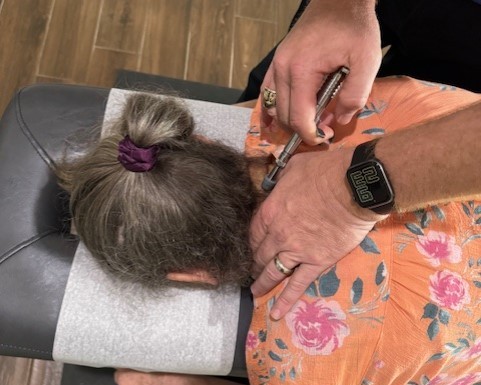
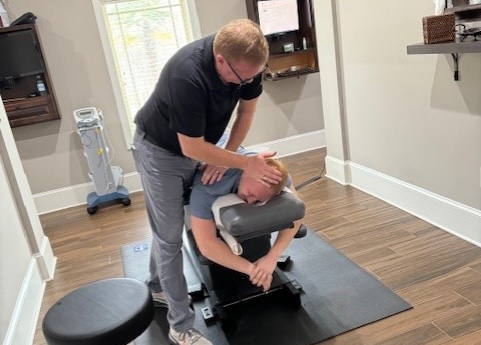
As a local chiropractor, I want to emphasize the importance of seeking professional guidance when it comes to managing sports-related back pain. Whether you're dealing with acute pain from a recent injury or chronic discomfort that's been lingering, my goal is to help you understand how chiropractic care can play a crucial role in your recovery and athletic performance.
Back pain can stem from various underlying issues, and it's essential to identify these causes. During your visit, I'll conduct a thorough examination, which may include assessing your posture, range of motion, and possibly recommending imaging techniques if necessary. This helps us uncover issues like muscle strains, herniated discs, or misalignments in your spine.
Once we pinpoint the root of your pain, I'll create a personalized treatment plan tailored specifically for you. This plan often includes chiropractic adjustments aimed at realigning your spine and improving your overall function. By addressing spinal misalignments, we can alleviate pain and enhance your body's natural healing abilities.
In addition to adjustments, I may recommend specific exercises and stretches to strengthen your back and improve flexibility. Teaching you proper biomechanics is crucial; this knowledge can help prevent future injuries, which is especially important for athletes looking to maintain peak performance.
In some cases, if you're experiencing significant pain or inflammation, I may suggest complementary therapies such as massage or modalities like ultrasound therapy to aid in your recovery. Your understanding of your condition is vital, so I encourage you to ask questions throughout the process—this will empower you and keep you motivated on your healing journey.
If your pain is affecting your mental game, don't hesitate to reach out for additional support. Consulting with a sports psychologist can be beneficial in addressing the emotional aspects of injury and recovery.
In conclusion, I urge you not to self-diagnose or treat your back pain on your own. Chiropractic care offers a natural and effective approach to not just speed up your recovery but also enhance your overall athletic performance in the long run.
Take that important step—come in for a consultation, and let's work together to get you back in the game!
Conclusion
As a local chiropractor dedicated to helping you understand the benefits of chiropractic care and natural healing, I want to share seven reliable tips for managing and relieving sports-related back pain. First and foremost, maintaining proper posture is crucial; it can significantly reduce the strain on your back during physical activities. Incorporating stretching routines into your daily regimen can enhance flexibility and prevent injuries.
Strengthening your core muscles is another essential step, as a strong core supports your spine and helps maintain balance. Additionally, investing in supportive gear, like proper footwear and back braces, can make a real difference in your comfort and performance.
Hydration is often overlooked, but staying well-hydrated is vital for keeping your muscles and joints functioning optimally. Always listen to your body; if you're feeling pain or discomfort, allow yourself adequate recovery time. Finally, consider seeking professional guidance. A chiropractor can provide personalized advice and treatments tailored to your needs. By embracing these strategies, you'll be on the path to a healthier, pain-free athletic experience.