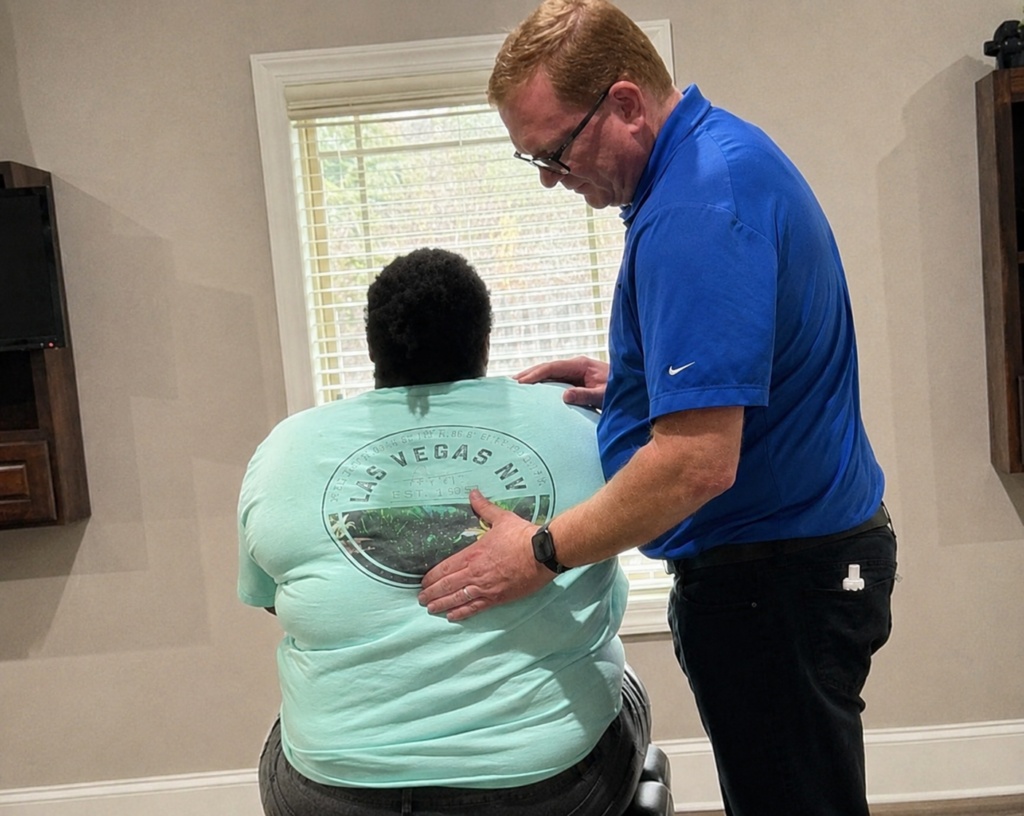

As a local chiropractor, I understand that many of you may be unfamiliar with the benefits of chiropractic care and natural healing when it comes to managing back pain. If you're experiencing discomfort, know that you're not alone, and more importantly, there are effective strategies that can help you find relief swiftly.
It's essential to look at various factors that contribute to back pain, such as stretching, posture, and even the role of nutrition in your daily life. Each of these components is crucial to your overall well-being, and many of them are surprisingly straightforward to incorporate into your routine.
Are you interested in learning about specific techniques and practices that could make a significant difference in your everyday comfort? Join me as we delve into these secrets and explore how they can empower you to take charge of your health and well-being. Together, we can work towards alleviating your back pain and enhancing your quality of life through natural, holistic methods.
Stretching Techniques
As a local chiropractor, I often emphasize the importance of incorporating effective stretching techniques into your daily routine to help alleviate back pain. Many individuals are unaware that stretching not only improves flexibility but also reduces muscle tension and enhances blood flow—factors that can significantly contribute to pain relief.
To start, I recommend beginning with gentle stretches that target your back, hips, and hamstrings. One of my favorites is the cat-cow stretch. Position yourself on your hands and knees, arching your back towards the ceiling as you exhale, and then dipping it down while inhaling. This simple movement can greatly increase mobility in your spine.
Another beneficial stretch is the child's pose. Kneel on the floor, sit back on your heels, and extend your arms forward while lowering your chest toward the ground. Hold this position for 30 seconds to a minute, and pay attention to the stretch along your spine—it can be profoundly relaxing.
Don't overlook the seated forward bend either. Sit with your legs extended in front of you, and slowly reach toward your toes, ensuring that your back remains straight. This stretch effectively targets the lower back and hamstrings, helping to relieve tension.
I encourage you to incorporate these stretches into your daily routine, aiming for at least 10-15 minutes each day. It's important to listen to your body—if any stretch causes pain, ease off and modify it as necessary.
Consistency is essential, so try to make stretching a regular habit. Over time, you may notice a decrease in your back pain and an increase in overall flexibility.
Proper Posture
As your local chiropractor, I want to emphasize the importance of maintaining a neutral spine to prevent back pain, and it all begins with your posture.
One of the most effective ways to support your spine and overall health is by setting up an ergonomic workstation. This simple adjustment can significantly enhance how you feel throughout the day and help you avoid discomfort.
Let's delve into how these changes can lead to lasting relief. By ensuring your workstation is ergonomically designed, you allow your body to maintain its natural alignment, which reduces strain on your muscles and joints.
I'm here to guide you through these adjustments and support you on your journey to better health and well-being. Together, we can create a foundation for lasting relief from back pain and promote a healthier lifestyle.
Importance of Neutral Spine
As a local chiropractor, I want to emphasize the importance of maintaining a neutral spine, especially for those who may not be familiar with how it affects your overall health. A neutral spine plays a crucial role in preventing and alleviating back pain. When your spine maintains its natural curves, it helps distribute weight evenly, reducing strain on your muscles and ligaments.
Unfortunately, many people are unaware that poor posture can lead to misalignments, muscle tension, and discomfort over time.
To achieve and maintain a neutral spine, it's important to pay attention to your alignment in various activities, whether you're sitting, standing, or on the move. When sitting, make sure your feet are flat on the floor, and your knees form a right angle. Your back should be supported by the chair, and your shoulders should remain relaxed.
While standing, try to align your ears with your shoulders and hips, and engage your core muscles to support your back effectively. Even during walking, it's vital to keep that neutral position by holding your head up, rolling your shoulders back, and ensuring your hips are aligned.
Adopting this posture not only helps reduce back pain but also improves your overall body mechanics, making daily activities feel much more manageable and comfortable.
As your chiropractor, my goal is to help you understand how these small adjustments can lead to significant improvements in your health and well-being. Let's work together to promote a pain-free, active lifestyle!
Ergonomic Workstation Setup
As a local chiropractor, I want to emphasize the importance of creating an ergonomic workstation setup to help you prevent back pain and support good posture throughout your workday.
Let's start with your chair: it's crucial to position it so that your feet rest flat on the floor, with your knees forming a 90-degree angle. If your feet don't quite reach the ground, I recommend using a footrest for added support. Your chair should also offer lumbar support to cradle your lower back, which helps maintain the natural curvature of your spine.
Next, let's talk about your desk height. When you're typing, your elbows should be at or just below the level of your desk. This positioning allows your wrists to remain straight and your hands to float comfortably above the keyboard.
It's also important to adjust your monitor to eye level—ideally, it should be about an arm's length away. This setup is vital to avoid straining your neck. If you wear glasses, ensure your screen is positioned in a way that you're not tilting your head to see it clearly.
Lastly, I can't stress enough the importance of taking regular breaks. Stand up, stretch, and walk around every hour to keep your muscles engaged and promote healthy blood circulation.
Heat and Cold Therapy
As your local chiropractor, I want to share some valuable insights about managing back pain through heat and cold therapy. These natural methods can be incredibly effective in alleviating discomfort and promoting healing. Understanding how and when to use them can empower you to take control of your pain management.
Heat therapy is beneficial for increasing blood flow to the affected area, which helps to relax tight muscles and alleviate stiffness. You might find relief by using a heating pad, wrapping a warm towel around the sore spot, or indulging in a soothing hot bath.
In contrast, cold therapy is excellent for reducing inflammation and numbing sharp pain. Applying ice packs or cold compresses for 15-20 minutes can effectively manage sudden pain or swelling.
Here's a quick guide to help you choose between heat and cold therapy:
- Use heat for chronic muscle tension: If you're experiencing persistent tightness, heat can be your best ally.
- Opt for cold to alleviate acute pain: For sudden injuries or swelling, ice is a great choice.
- Try alternating: Sometimes, switching between heat and cold can provide optimal relief.
- Be cautious with temperatures: Always check the temperature before applying anything to your skin to avoid burns or frostbite.
- Pay attention to your body: If something doesn't feel right, it's important to stop and reassess your approach.
Incorporating these techniques into your pain management routine can make a significant difference.
Strengthening Exercises
As your local chiropractor, I want to emphasize the importance of strengthening exercises in managing back pain and enhancing your overall stability. Many people are unaware of how these exercises can play a crucial role in your wellness journey.
By concentrating on core stability, incorporating flexibility through stretching, and reaping the rewards of resistance training, you can significantly improve your posture and alleviate discomfort.
Strengthening exercises not only help to support your spine but also empower you to take control of your health. When you engage in these activities, you aren't only working to ease pain but also investing in your long-term well-being.
Let's dive into how incorporating these exercises into your routine can create a positive impact on your daily life and promote natural healing.
Core Stability Exercises
As a local chiropractor, I want to share with you the importance of core stability exercises in managing and alleviating back pain.
These exercises focus on strengthening the muscles that support your spine and pelvis, creating a robust foundation that helps minimize strain on your back. By integrating a consistent routine of core stability exercises into your life, you can experience notable improvements in your comfort and overall mobility.
Here are some benefits you may begin to notice:
- Reduced Pain: Strengthening your core can lead to less pressure on your spine, resulting in a decrease in discomfort.
- Improved Posture: A strong core aids in maintaining proper alignment, which can help alleviate pain and prevent future issues.
- Enhanced Balance: With stronger core muscles, you'll find better stability during your daily activities, making movement safer and more efficient.
- Greater Flexibility: A well-conditioned core allows for a wider range of motion, contributing to your overall physical health.
- Boosted Confidence: As your body grows stronger, you may feel more empowered to engage in a variety of physical activities, enhancing your quality of life.
Incorporating core stability exercises into your routine can truly transform the management of back pain.
I encourage you to start today and experience the positive changes firsthand! Your back will appreciate the support and strength you develop through these exercises.
Stretching for Flexibility
As a local chiropractor, I want to emphasize the importance of flexibility for maintaining a healthy back. Incorporating stretching into your daily routine can yield significant benefits for your overall spine health. When your muscles and joints are flexible, they can move more freely, which reduces strain on your back and helps prevent injuries.
Regular stretching not only improves your range of motion but also makes it easier to carry out daily activities without discomfort.
I recommend starting with gentle stretches that focus on your lower back, hamstrings, and hip flexors. One effective stretch is the cat-cow stretch, which enhances spinal flexibility by warming up your back and relieving tension. Another great option is the standing forward bend, which stretches your hamstrings and alleviates pressure on your lower back.
Be sure to breathe deeply and hold each stretch for at least 30 seconds to maximize the benefits.
Consistency is crucial for seeing results, so aim to incorporate stretching into your routine at least three times a week. As your flexibility improves, you may find that any existing back pain diminishes, allowing you to enjoy life more fully.
Always listen to your body; if you experience any pain during a stretch, gently ease off and adjust as needed. By integrating these stretches into your routine, you can't only relieve current discomfort but also protect against future back issues.
Embracing this natural approach to healing can lead to a healthier, more active lifestyle.
Resistance Training Benefits
As a local chiropractor, I want to emphasize the importance of incorporating resistance training into your routine for optimal back health and overall strength. By focusing on strengthening your core and back muscles, you can alleviate pain and help prevent future injuries.
Here are some key benefits of resistance training that I encourage my patients to consider:
- Improved Posture: Strengthening your back muscles helps support proper alignment, which reduces strain on your spine and can alleviate discomfort.
- Increased Stability: A strong core acts as a solid foundation for your body, enhancing your balance and coordination during daily activities.
- Enhanced Mobility: Engaging in resistance exercises promotes flexibility, making it easier for you to move without discomfort and reducing the risk of injury.
- Boosted Confidence: As you build strength through resistance training, you'll likely feel more capable and empowered in both physical activities and everyday tasks, which can greatly enhance your quality of life.
- Pain Reduction: By developing strength in your muscles, you can help ease the burden on your lower back, leading to less pain and increased comfort throughout your day.
I encourage you to start incorporating resistance training into your life, as the benefits can become apparent quite quickly.
Remember, consistency is vital! Whether you choose bodyweight exercises, free weights, or resistance bands, find what works best for you and commit to it.
Your back will thank you for it, and I'm here to support you on your journey toward better health and wellness!
Mindfulness and Relaxation
As a local chiropractor, I want to share with you how mindfulness and relaxation techniques can significantly benefit your back pain management. Many of my patients are surprised to learn that stress can contribute to their discomfort. When we're stressed, our bodies naturally tense up, which can intensify any existing pain.
By practicing mindfulness, you can cultivate a sense of calm and awareness that helps you connect with your body in a more meaningful way. This connection allows you to identify areas of tension and equips you with the skills to release it.
I encourage you to start integrating simple breathing exercises into your daily routine. Carve out a few minutes each day to sit comfortably and focus on your breath. Inhale deeply through your nose, letting your abdomen rise, then exhale slowly through your mouth. This rhythmic breathing not only helps lower your heart rate but also promotes relaxation, making it easier for you to cope with pain.
Moreover, consider incorporating guided meditation or yoga into your life. These practices are excellent for enhancing mindfulness, as they promote body awareness and relaxation. There are plenty of apps and online resources where you can find guided sessions specifically designed for back pain relief.
Engaging in these techniques won't only help alleviate physical discomfort but also bolster your mental resilience against stress. Remember, taking care of your mind is just as important as taking care of your body, and together they can lead to a healthier, pain-free life.
Ergonomic Adjustments
As a chiropractor, I often see patients who are struggling with back pain due to their work environments.
It's important to understand that making a few simple ergonomic adjustments in your workspace can have a tremendous impact on your comfort and overall spinal health. By taking the time to create a more supportive environment, you may experience less pain and even see improvements in your productivity.
Here are some essential adjustments I recommend:
- Chair Height: Ensure your chair allows your feet to rest flat on the floor, keeping your knees at the same level as your hips. This position helps maintain proper alignment and reduces strain on your lower back.
- Monitor Position: Your monitor should be set at eye level to avoid straining your neck. Ideally, your screen should be about an arm's length away from you, allowing for a comfortable viewing distance.
- Keyboard and Mouse: Place your keyboard and mouse close to one another at elbow height. This arrangement helps keep your arms relaxed and close to your body, which is crucial for preventing tension and discomfort.
- Lumbar Support: Consider using a supportive cushion or investing in an ergonomic chair that provides adequate lower back support. This helps maintain the natural curve of your spine, which is key to preventing back pain.
- Frequent Breaks: I recommend setting a timer to remind yourself to stand up, stretch, or take a short walk every 30 minutes. These breaks can help alleviate stiffness and encourage better circulation.
By implementing these adjustments in your daily routine, you can take proactive steps toward better spinal health and overall well-being.
If you have any questions or need further guidance, don't hesitate to reach out!
Hydration and Nutrition
As a local chiropractor, I want to emphasize how important hydration and nutrition are for your overall well-being and back health. While ergonomic adjustments to your workspace can help improve your comfort, what you drink and eat plays a vital role in how your body feels and functions.
Staying properly hydrated is essential for maintaining the elasticity of your spinal discs. These discs act as shock absorbers for your spine, and when you're dehydrated, they can lose their cushioning ability. This loss can increase pressure on your spine and may lead to discomfort or pain. I encourage you to aim for at least eight 8-ounce glasses of water daily, and pay attention to your body's signals when it comes to hydration.
Nutrition is equally important in supporting your back and overall health. A balanced diet that includes anti-inflammatory foods can be beneficial in reducing pain and promoting healing. Focus on incorporating foods high in omega-3 fatty acids, such as salmon and walnuts, alongside a variety of colorful fruits and vegetables rich in antioxidants. These nutrients help combat inflammation and support tissue repair, which is crucial for maintaining a healthy back.
Don't forget about the importance of calcium and vitamin D for your bones. Including dairy products, leafy greens, and fortified foods in your diet can help strengthen your bones and reduce the risk of injury, which is something we all want to avoid.
Also, be mindful of your eating habits; overeating can contribute to weight gain, which places additional strain on your back. By prioritizing hydration and nutrition, you're not only supporting your back health but also enhancing your overall energy levels and well-being.
Conclusion
As your local chiropractor, I want to share with you some effective ways to relieve your back pain and enhance your comfort naturally. First and foremost, gentle stretching is essential; it helps to increase flexibility and reduce tension in your muscles. Additionally, maintaining proper posture throughout your daily activities can prevent strain on your spine.
I also recommend using heat or cold therapy as needed to alleviate discomfort. Applying heat can relax tight muscles, while cold therapy can reduce inflammation. Strengthening your core muscles is another crucial step; a strong core supports your spine and can prevent future pain.
Mindfulness practices, such as meditation or deep breathing, can significantly reduce tension and stress, which often contribute to back pain. It's also important to ensure that your workspace is ergonomically designed; this means that your chair, desk, and computer setup should support your back and promote good posture.
Lastly, remember to stay hydrated and consume a balanced diet rich in nutrients to support your overall well-being. Taking charge of your back health is a vital step towards feeling better and enjoying life to the fullest. If you have any questions or would like to learn more about chiropractic care, please don't hesitate to reach out!