
You might be surprised to learn that around 75% of athletes find relief from pain through alternative methods. These techniques, ranging from acupuncture to mindfulness practices, not only help manage physical discomfort but also boost mental resilience. Many athletes are discovering that integrating these strategies into their routines can enhance their performance and recovery times notably. As you consider the potential benefits for your own athletic journey, the question remains: what specific alternative methods could make a difference in your performance?
Understanding Pain in Athletes
Pain is an inevitable part of an athlete's journey, often signaling both physical limits and the need for recovery. As you push your body to its limits, you'll encounter various types of pain—some manageable, others more severe. Understanding these sensations is essential for your performance and overall well-being.
When you feel pain, it can be your body's way of communicating. Sharp, acute pain might indicate an injury, while dull, aching pain often arises from muscle fatigue or overuse. It's important to differentiate between these types. Ignoring sharp pain can lead to significant injuries, while recognizing the signals of fatigue can help you modify your training.
You might also experience soreness after intense workouts, commonly known as delayed onset muscle soreness (DOMS). This type of pain usually peaks a day or two after your workout and is a normal part of the muscle recovery process.
However, managing your training schedule to allow for adequate recovery is crucial. It's tempting to push through, but your body needs time to heal and adapt.
Pay attention to your body's signals, and don't hesitate to adjust your routine. If you notice persistent pain, consider consulting a healthcare professional who understands your sport. They can help you navigate your pain and guide you toward effective recovery strategies.
Ultimately, understanding your pain isn't just about coping with it; it's about enhancing your performance and keeping your body in peak condition for the challenges ahead.
The Rise of Alternative Methods
Many athletes are turning to alternative methods for pain relief as they seek effective ways to manage discomfort without relying solely on traditional medications. You might find that these alternatives offer a more holistic approach to recovery, focusing on the body's natural healing processes.
With increasing awareness of the side effects associated with pharmaceuticals, athletes like you're exploring options that can potentially enhance performance while reducing pain.
The rise of alternative methods reflects a broader trend in health and wellness. You're likely noticing more discussions around practices such as acupuncture, which involves inserting thin needles into specific points to alleviate pain and promote healing. Many athletes report positive experiences with this technique, claiming it helps reduce soreness and improve flexibility.
Additionally, you might be interested in the growing popularity of mindfulness and meditation techniques among your peers. These practices not only help in pain management but also in enhancing mental focus and resilience, vital elements in athletic performance.
As you probe deeper into these methods, you may also come across nutritional approaches, where dietary changes support the body's recovery process.
Furthermore, the community aspect of these alternative methods can foster a sense of camaraderie among athletes. Sharing experiences and techniques creates a supportive environment where everyone can benefit.
As you explore these avenues, keep an open mind; you could discover a combination of alternative methods that works best for your unique needs.
Popular Alternative Treatments
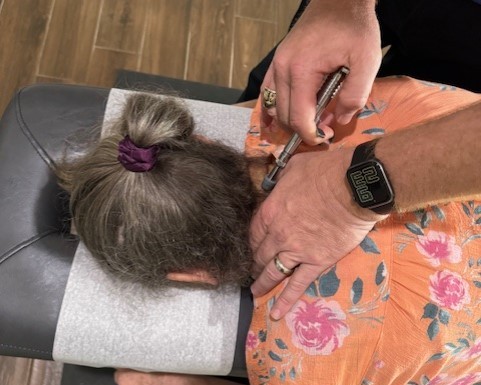
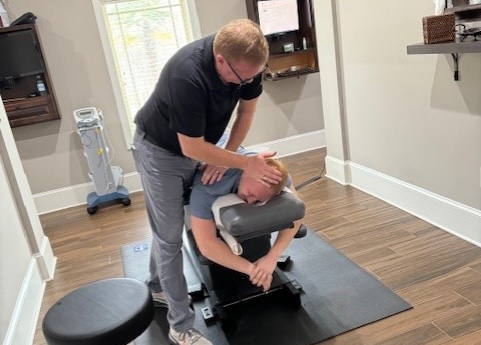
As you explore alternative pain relief options, several treatments have gained popularity among athletes seeking effective solutions. One of the most well-known methods is chiropractic care. Many athletes rely on chiropractors to help align their spines, improve mobility, and reduce pain. Regular adjustments can enhance performance and prevent injuries, making it a go-to choice for many.
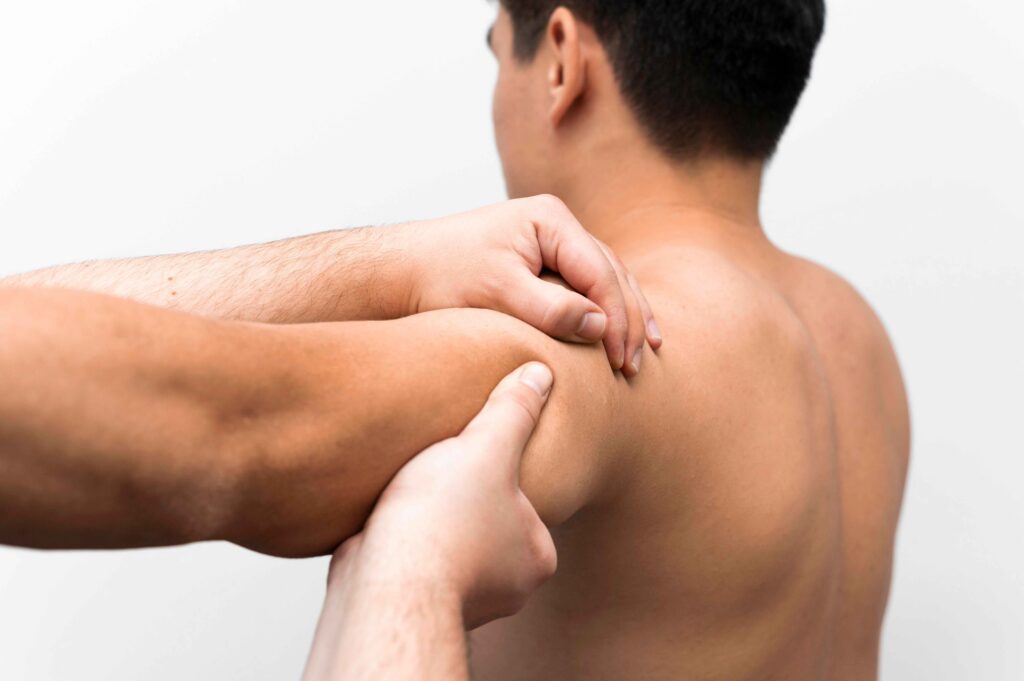
Another popular treatment is massage therapy. Deep tissue massage can alleviate muscle tension, enhance circulation, and speed up recovery after intense training sessions. Whether it's sports massage or trigger point therapy, athletes often find that regular sessions help maintain their physical condition and prevent injuries.
In addition, herbal remedies and supplements have become increasingly popular. Natural anti-inflammatories, such as turmeric and ginger, can provide significant relief without the side effects associated with traditional medications. Many athletes also turn to CBD oil for its potential pain-relieving properties, finding that it helps reduce inflammation and anxiety without impairing their performance.
Furthermore, practices like yoga and Pilates are gaining traction for their ability to improve flexibility and core strength while also promoting relaxation and stress relief. These mind-body practices can be an effective way to manage pain and prevent future issues.
Lastly, cryotherapy is emerging as a favorite among athletes. This treatment involves exposing the body to extremely cold temperatures, which can reduce inflammation and speed up recovery time after strenuous workouts.
Each of these treatments offers unique benefits, allowing athletes to tailor their pain relief strategies to their specific needs.
Benefits of Acupuncture
Acupuncture, a holistic approach to wellness, offers a range of benefits for athletes seeking pain relief and improved performance. By inserting thin needles into specific points on your body, acupuncture stimulates your nervous system and promotes the release of endorphins, which can help alleviate pain. This natural pain relief is particularly valuable when recovering from injuries or managing chronic pain conditions.
Beyond pain relief, acupuncture can enhance your overall athletic performance. It promotes better blood circulation, which helps deliver oxygen and nutrients to your muscles more efficiently. Improved circulation means quicker recovery times, allowing you to train harder and more consistently.
Additionally, acupuncture can help reduce inflammation, a common issue for athletes, enabling you to perform at your best without the hindrance of swelling or discomfort.
Stress management is another significant benefit. Competing at high levels can lead to anxiety and tension, which can negatively affect your performance. Acupuncture helps to relax your mind and body, making it easier for you to focus during competitions. As a result, you may find yourself more mentally prepared and resilient when facing challenges.
Moreover, acupuncture can improve your sleep quality. Quality rest is essential for recovery and peak performance, and acupuncture can help you achieve deeper, more restorative sleep.
Role of Chiropractic Care
Chiropractic care can greatly enhance your recovery time and help you prevent injuries.
By focusing on spinal alignment and overall body mechanics, it addresses the root causes of pain and dysfunction.
Incorporating chiropractic techniques into your training routine could keep you at the top of your game.
Enhanced Recovery Time
Many athletes find that incorporating chiropractic care into their recovery regimen greatly enhances their recovery time. When you visit a chiropractor, they assess your body's alignment and function, helping to identify any areas that may be causing discomfort or hindering performance. By addressing these issues, you can experience less pain and increased mobility, which directly contributes to faster recovery.
Chiropractic adjustments help restore proper joint function, allowing your body to heal more efficiently. This can lead to reduced inflammation and improved circulation, both of which are essential for recovery. You'll likely notice that you bounce back from intense workouts or injuries more quickly, meaning you can get back to training sooner.
Additionally, chiropractors often incorporate soft tissue therapies that further aid in recovery. These techniques can alleviate muscle tension and improve flexibility, so your body feels better prepared for the next challenge.
Injury Prevention Techniques
Preventing injuries is just as important as recovering from them, and chiropractic care plays a significant role in this process. As an athlete, you rely on your body to perform at its best, and chiropractic adjustments can help guarantee your musculoskeletal system is aligned and functioning effectively.
Regular visits to a chiropractor can detect and correct imbalances before they lead to injuries. Chiropractors focus on enhancing your body's biomechanics, which can improve your overall performance. They can assess your posture, flexibility, and movement patterns, identifying any weaknesses or restrictions that may predispose you to injury.
By addressing these issues, you can enhance your strength and coordination, making you less susceptible to strains and sprains. Incorporating chiropractic care into your training regimen allows for personalized injury prevention strategies tailored to your specific sport and physical demands.
Furthermore, chiropractors often provide advice on proper warm-up and cool-down techniques, essential for keeping your muscles and joints healthy.
Herbal Remedies for Pain Relief
Athletes often turn to herbal remedies for pain relief due to their natural properties and fewer side effects compared to conventional medications. Many herbs have anti-inflammatory, analgesic, and muscle-relaxing effects, making them effective alternatives for managing pain caused by injuries or intense workouts.
One popular option is turmeric, known for its active compound curcumin, which reduces inflammation and pain. Incorporating turmeric into your diet or taking it as a supplement can help you manage soreness after training.
Ginger is another powerful anti-inflammatory herb that can ease pain from muscle strains and joint issues. You might consider adding ginger tea to your routine after workouts.
Willow bark is often referred to as "nature's aspirin," and it contains salicin, which has pain-relieving properties. You can find it in tea or capsule form.
Similarly, devil's claw is an herb that has shown promise in relieving pain associated with arthritis and other inflammatory conditions. It's available in capsules and can be a great addition to your recovery regimen.
You should also explore topical applications like arnica. This herb can be found in gels or creams and is used to treat bruises, sprains, and muscle soreness directly on the skin. It's an excellent choice for localized pain relief without the need for oral medication.
Before trying any herbal remedies, it's wise to consult a healthcare professional, especially if you're on other medications.
With the right approach, these natural alternatives can be effective tools in your pain management toolkit.
Mindfulness and Recovery Techniques
Mindfulness techniques can greatly enhance recovery for athletes, helping you to manage both physical and mental stress. By incorporating practices like meditation, deep breathing, and visualization, you can create a more balanced and focused mindset. These techniques allow you to tune into your body, recognize areas of tension, and address them effectively.
One effective method is mindful breathing. Just taking a few moments to focus on your breath can lower anxiety and reduce muscle tension. As you inhale deeply, imagine filling your body with positive energy, and as you exhale, release any pain or stress. This simple practice can be done anywhere, making it easy to integrate into your daily routine.
Visualization is another powerful tool. Picture yourself recovering successfully from an injury or performing at your best. This mental rehearsal helps to reinforce positive outcomes and boosts your confidence. It's about creating a mental image of success, which can translate into physical performance.
In addition to these techniques, consider incorporating yoga or tai chi into your regimen. These practices not only enhance flexibility and strength but also promote mindfulness through movement.
They teach you to connect with your body and listen to its needs, which is essential for recovery.
Athlete Testimonials and Success Stories
Success in sports often hinges on more than just physical training; the mental aspect plays a huge role too. Many athletes have discovered that alternative pain relief methods can enhance both their physical and mental performance.
Take, for instance, Sarah, a professional marathon runner. After struggling with chronic knee pain, she turned to acupuncture. Within weeks, not only did her pain subside, but she also felt mentally sharper during her races. Sarah swears by it, claiming it transformed her approach to training.
Then there's Mike, a competitive swimmer. He faced recurring shoulder injuries that threatened his career. Instead of traditional painkillers, he opted for CBD oil, which helped him manage pain without the side effects of pharmaceuticals. Mike found that it not only alleviated his discomfort but also allowed him to focus better during competitions. His success story highlights how alternative methods can lead to impressive results.
You might also relate to Jenna, a CrossFit athlete who was sidelined by back pain. After integrating yoga and mindfulness practices into her routine, she noticed not just a reduction in pain but also an improvement in her mental clarity and focus during workouts.
Jenna's experience shows that the mind-body connection is essential in achieving peak performance. These testimonials illustrate that alternative pain relief methods can greatly impact athletes' lives, helping you overcome obstacles and reach new heights in your sport.
Embracing these approaches could be your key to revealing your full potential.
Conclusion
Incorporating alternative pain relief methods can truly transform your athletic performance. By exploring options like acupuncture, chiropractic care, and mindfulness practices, you can experience reduced discomfort and enhanced focus during competitions. Many athletes, just like you, have found success and improved recovery times through these holistic approaches. Embrace these strategies to not only boost your physical health but also extend your career in sports. It's time to take charge of your well-being and release your full potential!