
You might be surprised to learn that spinal adjustments could play a role in easing your stress. By improving spinal alignment, these adjustments can enhance how your nervous system functions and may even reduce the stress hormones in your body. This connection between spinal health and emotional well-being raises important questions: How do these adjustments actually impact your stress levels? And are they a viable option for everyone? Exploring the science behind this might just reveal more than you expect.
Understanding Stress and Its Effects
Stress is a common experience that can considerably impact your physical and mental health. You may notice that stress can arise from various sources, such as work pressures, personal relationships, or financial concerns. When faced with these challenges, your body reacts in ways that can lead to both short-term and long-term consequences.
In the short term, you might feel overwhelmed, anxious, or irritable. You may also experience physical symptoms like headaches, muscle tension, or fatigue. These immediate reactions can hinder your ability to concentrate and make decisions, affecting both your personal and professional life.
Long-term stress, on the other hand, can lead to more severe health issues. Chronic stress is linked to conditions like high blood pressure, heart disease, and weakened immune function. You might find yourself more susceptible to illnesses or struggling with chronic pain. Additionally, mental health can suffer, leading to anxiety disorders or depression.
Recognizing your stress triggers is essential. When you identify what causes your stress, you can develop effective coping strategies. These might include mindfulness practices, regular exercise, or seeking social support. By addressing stress proactively, you can improve your overall health and well-being.
Ultimately, understanding the effects of stress on your body and mind empowers you to take control of your life. You deserve to live free from the burdens of stress, so take the first steps toward a more balanced and healthier lifestyle today.
The Role of Spinal Health
Your spinal health plays an essential role in your overall well-being.
When your spine is aligned properly, it can positively influence your nervous system, helping to manage stress more effectively.
Spinal Alignment Benefits
A well-aligned spine is essential for overall health and well-being. When your spine is properly aligned, it supports your body's structure, allowing you to move freely and efficiently. This alignment reduces strain on muscles and ligaments, preventing discomfort and promoting better posture.
Good posture not only enhances physical appearance but also boosts your confidence and mood.
Moreover, a well-aligned spine can lead to improved mobility and flexibility. You'll find it easier to perform daily activities, whether it's exercising, working, or just enjoying time with loved ones.
With less tension in your body, you're likely to feel more relaxed and less stressed.
Spinal alignment also plays a role in enhancing your energy levels. When your body isn't compensating for misalignments, you'll experience less fatigue throughout the day.
This newfound energy can help you tackle tasks with enthusiasm and focus.
Nervous System Connection
The connection between spinal health and the nervous system is essential for maintaining overall wellness. Your spine houses the spinal cord, which serves as the main communication pathway between your brain and the rest of your body.
When your spine is misaligned or under stress, it can disrupt this communication, leading to various health issues, including increased stress levels.
Regular spinal adjustments help realign your vertebrae, ensuring that your nervous system functions effectively. When your spine is aligned, your body can effectively process stress and respond to it with resilience. You might notice improvements in how you feel both physically and mentally after these adjustments.
Additionally, a well-functioning nervous system can enhance your body's ability to regulate stress hormones, like cortisol, which plays a significant role in your stress response.
What Are Spinal Adjustments?
Often misunderstood, spinal adjustments are specific manipulations performed by chiropractors to realign the vertebrae in your spine. These adjustments aim to restore proper alignment, improve mobility, and enhance overall function. When your spine is misaligned, it can lead to various issues, including pain, discomfort, and even stress.
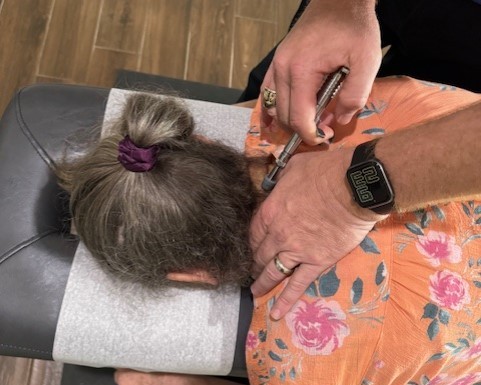
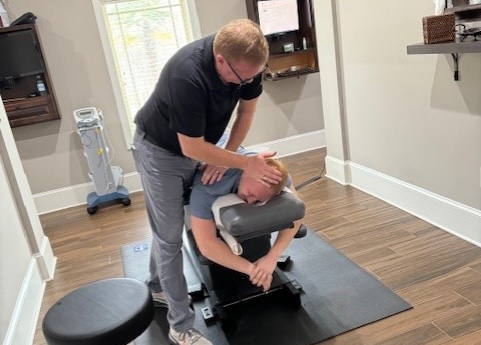
During a spinal adjustment, your chiropractor assesses your spine and identifies areas that may be out of alignment. They'll use their hands or specialized instruments to apply controlled force to these areas. You might hear a popping or cracking sound, which is completely normal and often indicates that gas bubbles in your joints are being released.
The primary goal of these adjustments is to reduce interference with your nervous system, promoting better communication between your brain and body. By ensuring your spine is aligned, you're allowing your body to function more efficiently. This process can help alleviate pain, improve posture, and increase your range of motion.
Spinal adjustments are typically tailored to your individual needs, and your chiropractor will consider your overall health, specific conditions, and lifestyle when developing a treatment plan.
It's essential to recognize that while many people report feeling immediate relief after an adjustment, the full benefits often accumulate over time with regular sessions.
How Adjustments May Reduce Stress
Regular spinal adjustments can greatly reduce stress by promoting relaxation and enhancing overall well-being. When your spine is aligned properly, it can help your nervous system function more efficiently. This means that your body can better respond to stressors, making it easier for you to cope with daily challenges.
During a spinal adjustment, the chiropractor applies controlled pressure to specific areas of your spine. This manipulation can relieve tension in your muscles and joints, which often accumulate due to stress. As your body relaxes, you may notice a decrease in symptoms like headaches, neck pain, and lower back discomfort—all of which can contribute to your stress levels.
Additionally, spinal adjustments can improve blood circulation. When your spine is aligned, blood flows more freely throughout your body, delivering oxygen and nutrients to your muscles and organs. This enhanced circulation can lead to a greater sense of energy and liveliness, helping you feel less overwhelmed.
Moreover, regular adjustments can promote better sleep patterns. When your body is free from pain and discomfort, you're more likely to enjoy restorative sleep. Better sleep can considerably lower stress levels, as it allows your mind and body to recharge.
Scientific Studies and Evidence
Numerous scientific studies have explored the link between spinal adjustments and stress reduction, revealing compelling evidence of their benefits. One study published in the Journal of Chiropractic Medicine found that patients who received regular spinal adjustments reported significant decreases in perceived stress levels. Participants described feeling more relaxed and better able to cope with daily challenges following their treatments.
Another study, appearing in the Journal of Manipulative and Physiological Therapeutics, examined the physiological effects of spinal adjustments. Researchers noted that these adjustments could lead to a decrease in cortisol levels—a hormone closely associated with stress. By measuring cortisol before and after treatments, they found marked reductions, suggesting that spinal care might play a role in stress management.
In a meta-analysis of multiple studies, researchers concluded that spinal manipulation not only alleviates physical discomfort but also positively influences emotional well-being. You might be intrigued to know that the effects were observed across various demographics, indicating that spinal adjustments might benefit a broad range of individuals.
Finally, a survey of chiropractic patients highlighted that many credited their treatments with improved mental clarity and an enhanced sense of calm. These findings point to a potential link between spinal health and mental well-being, suggesting that regular adjustments could serve as an effective tool for managing stress in your life.
The evidence is building, and it's clear that spinal adjustments may offer more than just relief from physical pain.
Alternatives to Spinal Adjustments
If you're looking for alternatives to spinal adjustments, massage therapy and yoga can offer significant benefits.
These practices not only relieve tension but also promote relaxation and overall well-being.
Incorporating mindfulness techniques can further enhance your stress management and physical comfort.
Massage Therapy Benefits
Exploring alternative therapies can lead you to the benefits of massage therapy, which offers a range of physical and mental health advantages. When you experience stress, a good massage can help melt away tension, allowing you to relax both your body and mind.
The physical manipulation of muscles increases blood circulation, promoting healing and reducing pain. Moreover, the soothing touch of a skilled massage therapist can trigger the release of endorphins, those feel-good hormones that boost your mood and alleviate anxiety.
You might find that regular sessions help you manage stress more effectively, creating a sense of calm and well-being. Massage therapy also enhances flexibility and range of motion, which can further contribute to your overall physical comfort.
By reducing muscle stiffness and soreness, you may feel more energized and ready to tackle daily challenges. In addition to these immediate benefits, integrating massage therapy into your routine can lead to long-term improvements in your mental health.
You'll not only feel more relaxed, but you'll also develop a healthier relationship with your body, making it a valuable alternative to spinal adjustments.
Yoga and Mindfulness Techniques
Many people find that incorporating yoga and mindfulness techniques into their routines can markedly enhance their overall well-being, serving as effective alternatives to spinal adjustments.
Yoga offers a range of physical postures that promote flexibility, strength, and relaxation, making it an excellent way to relieve tension stored in your body. When you combine breath control with movement, you create a powerful stress-relief tool that can help you cultivate a sense of calm.
Mindfulness techniques, such as meditation and deep breathing exercises, help you focus on the present moment, reducing anxiety and enhancing emotional resilience. When you practice mindfulness, you train your mind to respond to stress more effectively, allowing you to regain control over your emotions.
Both yoga and mindfulness also build a deeper connection between your body and mind. You'll likely find that as you become more aware of physical sensations and mental patterns, your overall stress levels decrease.
Conclusion
To sum up, spinal adjustments can be a powerful tool in managing stress. By promoting proper alignment and enhancing nervous system function, these adjustments help you feel more relaxed and clear-minded. While they're not the only solution, incorporating spinal care into your stress management plan can greatly improve your overall well-being. So, if you're looking for a way to ease tension and boost your emotional resilience, consider giving spinal adjustments a try.