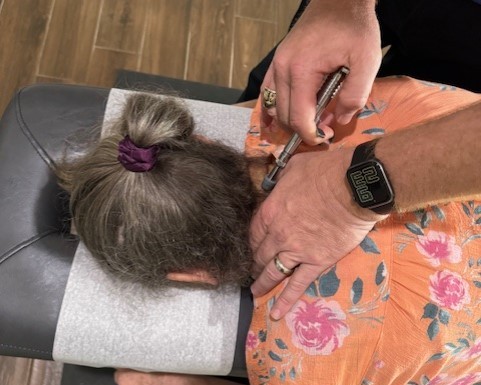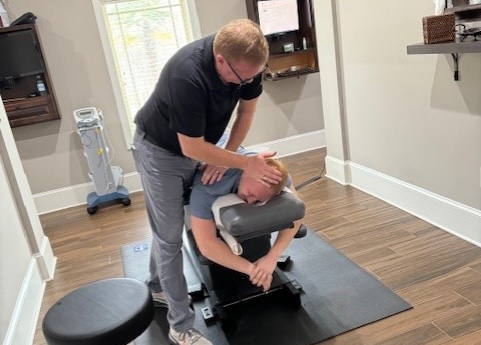

When you think about your healthcare experience, consider how personalized care might change the way you interact with providers and manage your health. By focusing on your unique needs and preferences, personalized care not only enhances engagement but also fosters a deeper connection with your healthcare team. This tailored approach could lead to improved health outcomes and increased satisfaction. But what are the specific elements that truly make personalized care the best choice for you? Exploring these factors may reveal insights that could transform your healthcare journey.
Enhanced Patient Engagement
Enhanced Patient Engagement is essential in today's healthcare landscape, where patients are more than just passive recipients of care; they're active participants in their health journeys. When you engage more deeply with your healthcare, you're not just following instructions; you're making informed decisions that impact your well-being.
The shift toward personalized care allows you to communicate openly with your healthcare team, ensuring your unique needs and preferences are considered. You'll find that conversations about your health become more meaningful. By asking questions, expressing concerns, and sharing your experiences, you help your providers understand your perspective.
This collaborative approach fosters trust and encourages you to take ownership of your health. When you feel heard and valued, you're more likely to adhere to treatment plans and lifestyle changes.
In this era of digital health tools, you have unprecedented access to information and resources. Whether it's through patient portals, mobile apps, or telehealth services, you can manage your appointments, track your symptoms, and even connect with support groups.
This accessibility empowers you to take charge of your health and stay informed about your condition. Ultimately, enhanced patient engagement leads to a more satisfying healthcare experience. You're not just a number; you're a partner in your health.
Improved Health Outcomes
How does personalized care lead to improved health outcomes? When you receive care tailored to your unique needs, preferences, and circumstances, you're more likely to experience better health results.
Personalized care guarantees that your treatment aligns with your specific lifestyle, values, and health goals, which can greatly enhance your commitment to following through with recommendations.
One of the key benefits of personalized care is that it fosters a stronger relationship between you and your healthcare provider. This relationship builds trust, encouraging open communication.
When you feel comfortable discussing your concerns and preferences, your provider can better understand your situation and recommend interventions that truly resonate with you. This collaboration often leads to higher satisfaction and adherence to treatment plans.
Additionally, personalized care allows for more relevant and timely interventions. By considering your medical history, genetic factors, and even your environment, healthcare professionals can identify risk factors and address them before they escalate.
Early detection and proactive management can lead to fewer complications and better long-term health outcomes.
Moreover, personalized care doesn't just focus on physical health; it also considers your mental and emotional well-being.
When your care team takes a holistic approach, integrating mental health support with physical treatment, you're more likely to see improvements across the board.
Tailored Treatment Plans
Tailored treatment plans play an essential role in personalized care, ensuring that your specific health needs are met with precision. When you engage with healthcare providers, they'll take the time to assess your medical history, lifestyle choices, and individual preferences. This thorough evaluation helps them design a treatment plan that aligns with your unique situation, rather than relying on a one-size-fits-all approach.
By focusing on your individual circumstances, tailored treatment plans can lead to more effective interventions. For instance, if you have a chronic condition, your provider might recommend a combination of medications, therapies, and lifestyle changes that specifically target your symptoms and enhance your overall well-being. You're not just another patient; your treatment plan reflects who you're and what you need.
Moreover, these customized plans can adapt over time. As your health evolves, your provider can modify your treatment based on your progress, side effects, or new research findings. This flexibility helps you stay on the right track toward achieving your health goals.
Additionally, when your treatment plan is tailored to you, you're more likely to be engaged and motivated. You'll feel more empowered to take charge of your health, knowing that the strategies in place are designed specifically for you.
In this way, tailored treatment plans not only improve outcomes but also enhance your overall healthcare experience, making personalized care the best choice for your health journey.
Stronger Provider Relationships
Building stronger relationships with your healthcare providers is key to personalized care.
When there's trust and open communication, your needs and concerns are better understood.
This connection not only enhances your experience but also improves your overall health outcomes.
Trust and Communication
Effective trust and communication are essential for fostering stronger relationships between healthcare providers and patients. When you feel confident in your provider's expertise, you're more likely to share your concerns openly. This transparency allows your provider to better understand your health needs.
Communication isn't just about talking; it's about listening too. When your provider actively listens to your questions and worries, it reassures you that your voice matters. This two-way dialogue builds trust, making you feel more comfortable discussing sensitive issues, which ultimately leads to better care.
Trust also helps in decision-making. When you trust your provider, you're more likely to follow their recommendations and treatment plans. You'll feel empowered to participate in your healthcare journey, knowing your provider respects your input and values your opinions.
Furthermore, strong communication reduces misunderstandings. When you and your provider clearly discuss treatment options, expectations, and potential side effects, you're less likely to encounter surprises down the line.
In a personalized care setting, these elements create a supportive environment where you and your provider can collaborate effectively, enhancing your overall healthcare experience.
Enhanced Understanding of Needs
Regularly engaging in open dialogue with your healthcare provider leads to a deeper understanding of your unique needs and preferences. When you express your concerns, goals, and expectations, your provider gains insights that help shape your care plan.
This two-way communication fosters a stronger relationship, allowing you to feel more comfortable discussing sensitive issues and asking questions.
By sharing your medical history, lifestyle choices, and personal values, you empower your provider to make informed decisions tailored specifically for you. This collaboration not only enhances the quality of your care but also guarantees that your treatment aligns with your individual circumstances.
As you build this rapport, it becomes easier for your provider to recognize subtle changes in your health, respond to your evolving needs, and adjust your treatment accordingly. This proactive approach can lead to better health outcomes, as your care team is better equipped to support you.
Ultimately, a strong provider-patient relationship rooted in understanding fosters a more effective healthcare experience. You'll likely find yourself feeling more engaged and satisfied with your care, knowing that your unique needs are at the forefront of every decision made.
Increased Patient Satisfaction
When you receive tailored treatment plans that address your unique needs, you're more likely to feel satisfied with your care.
Enhanced communication channels also play an essential role, allowing you to express concerns and ask questions freely.
Together, these elements contribute greatly to a more positive healthcare experience.
Tailored Treatment Plans
Tailored treatment plans often lead to increased patient satisfaction by addressing individual needs and preferences.
When you receive care that's specifically designed for you, it can greatly enhance your experience and outcomes.
Here are four reasons why tailored treatment plans matter:
- Personalized Goals: You can set health goals that reflect your lifestyle and values, making it easier to stay motivated and engaged in your treatment.
- Targeted Interventions: Your healthcare provider can design strategies that focus on your unique symptoms and conditions, ensuring more effective treatment.
- Flexibility: Tailored plans allow for adjustments based on your progress or changes in your life circumstances, making it easier to adapt without losing focus on your health.
- Stronger Relationships: When your care feels personalized, you're more likely to trust your healthcare team, fostering a collaborative environment that supports your healing journey.
Enhanced Communication Channels
Effective communication channels are crucial for enhancing patient satisfaction, as they foster a sense of connection and trust between you and your healthcare team. When you can easily reach out to your providers, whether through phone calls, messaging apps, or in-person visits, you feel more engaged in your care. This engagement not only empowers you but also encourages you to voice your concerns and preferences.
Your healthcare team benefits from this open dialogue too. They gain valuable insights into your needs, allowing them to tailor their approach. With personalized care, every interaction becomes an opportunity for feedback, which helps refine treatment plans and address any worries you might have.
Moreover, timely communication reduces anxiety. When you know you can ask questions and receive prompt responses, you're less likely to feel overwhelmed. This transparency builds confidence in your care, greatly boosting your overall satisfaction.
In a world where healthcare can often feel impersonal, enhanced communication channels truly set personalized care apart. By prioritizing these connections, you guarantee that your healthcare experience isn't just effective but also empathetic and responsive to your unique needs.
Cost-Effectiveness and Efficiency
Personalized care isn't just about better health outcomes; it also brings significant cost-effectiveness and efficiency to the healthcare system. When you receive tailored treatment that addresses your specific needs, you're not just improving your health; you're also optimizing resource use.
Here are four key ways personalized care enhances cost-effectiveness and efficiency:
- Reduced Hospitalizations: By focusing on prevention and early intervention, personalized care often leads to fewer emergencies and hospital visits. This not only saves you money but also frees up resources for others in need.
- Targeted Treatments: Personalized care means treatments are specifically designed for you, reducing the trial-and-error approach often seen in standard care. This leads to quicker recovery times and less wasted expenditure on ineffective treatments.
- Improved Medication Management: With personalized care, your healthcare provider considers your unique medical history and genetic factors, leading to more effective medication plans. This minimizes adverse reactions and unnecessary costs associated with complications.
- Enhanced Patient Engagement: When you're actively involved in your care plan, you're more likely to stick to it. This leads to better adherence to treatment protocols and, ultimately, lower healthcare costs.
In this way, personalized care not only enhances your health but also contributes positively to the overall efficiency of the healthcare system.
Conclusion
To sum up, personalized care truly stands out as the best choice for your health journey. By engaging you in your treatment decisions, it fosters a sense of ownership and commitment to your well-being. Tailored plans and strong relationships with your providers lead to better health outcomes and increased satisfaction. Plus, it optimizes resources, making healthcare more efficient. Embracing personalized care means you're not just a patient; you're an empowered partner in your health.