As a local chiropractor, I understand how debilitating back pain can be and how it can significantly affect your daily life. Many people come to me feeling frustrated, having tried various traditional remedies that only provide temporary relief. I want to share with you that there are more effective, holistic solutions available that can truly transform your experience with back pain.
By combining chiropractic techniques with targeted exercises and mindfulness practices, you can embark on a journey to lasting relief. You may be wondering what specific methods you can start implementing right away. Allow me to guide you through some of these approaches that can help alleviate your discomfort and promote overall well-being. You might be pleasantly surprised by the positive changes you can achieve!
Understanding Back Pain
As a local chiropractor, I want to shed some light on the common issue of back pain that many of you may experience at some point in your lives. This discomfort can manifest as a dull ache, a sharp pain, or even a stubborn stiffness that seems never-ending. Understanding the nature and causes of your back pain is crucial for finding the most effective relief, and I'm here to help guide you through that process.
First, let's differentiate between acute and chronic back pain. Acute pain typically arises from a specific injury—like lifting something too heavy or straining your back during physical activities. This type of pain often resolves within a few weeks.
On the other hand, chronic pain persists for three months or longer and can result from various factors such as poor posture, muscle imbalances, or underlying conditions like arthritis. As a chiropractor, I focus on identifying these underlying causes to help you heal naturally.
Next, consider where your pain is located. Is it primarily in your lower back, or does it radiate down your legs? This information is essential, as it can indicate potential issues with your spine, nerves, or muscles.
Additionally, be aware of any accompanying symptoms, such as numbness or tingling. These signs can offer valuable insights into the root of your discomfort, and addressing them is a key part of the chiropractic process.
Lastly, it's important to recognize that emotional stress can also play a significant role in back pain. You may notice that when you're feeling anxious or overwhelmed, your muscles tend to tense up, leading to increased discomfort.
By understanding these connections, you can take proactive steps toward relief.
As your chiropractor, I encourage you to take the time to assess your situation and consider how chiropractic care can support your journey to lasting back pain relief. Together, we can explore natural healing methods that promote overall well-being and restore your body's balance.
Physical Therapy Techniques
As a local chiropractor, I want to help you understand how effective relief from back pain can often be achieved through natural healing approaches, particularly chiropractic care. When you visit my practice, we'll work together to explore strategies that are specifically tailored to your unique needs. During your initial assessment, I'll evaluate your condition and create a personalized treatment plan aimed at alleviating your pain.
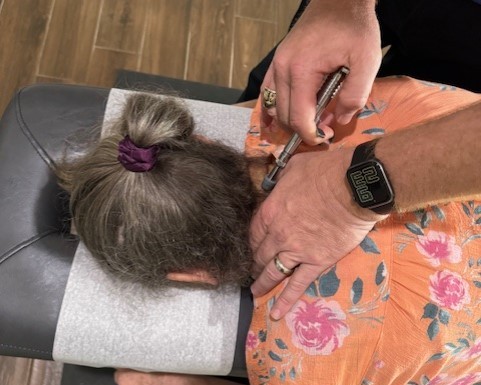
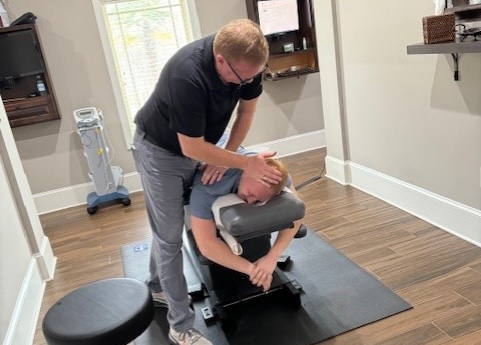
One of the primary techniques we use in chiropractic care is spinal manipulation, a hands-on approach where I gently adjust the spine and surrounding areas. This method can help reduce stiffness and improve mobility, making everyday activities easier and more comfortable for you.
Another beneficial technique involves therapeutic stretching, which focuses on enhancing flexibility in tight muscles that may be contributing to your discomfort. By incorporating gentle stretches into your routine, you can relieve tension and promote relaxation in the affected areas.
We may also utilize complementary modalities such as heat and cold therapy to support your recovery. Heat can soothe tight muscles, while cold packs can help minimize inflammation and swelling. Additionally, I may use electrical stimulation techniques to assist in pain management and promote healing in the targeted areas.
Education is a vital part of our chiropractic approach. I'll provide you with information about your condition and teach you how to maintain good posture and proper body mechanics. Gaining an understanding of how to move correctly is key to preventing further injury and achieving long-term relief from pain.
Together, we can embark on a journey toward better health and well-being through natural healing and effective chiropractic care.
Strengthening Exercises
As a local chiropractor, I want to emphasize the importance of strengthening exercises in your recovery from back pain. These exercises are designed to build the muscles that support your spine, which is crucial for your overall well-being. When your core, back, and pelvic muscles are strong, they provide better stability, reduce strain on your spine, and help alleviate pain.
By incorporating these exercises into your routine, you can enhance your posture, improve mobility, and prevent future injuries.
Let's start with some basic exercises, such as pelvic tilts. This exercise engages your lower back and abdominal muscles. To perform a pelvic tilt, lie on your back with your knees bent and your feet flat on the floor. Gently arch your lower back away from the floor, then flatten it against the floor. Hold each position for a few seconds, and as you become stronger, gradually increase the number of repetitions.
Next, I recommend trying bridge exercises. While lying on your back with your knees bent, lift your hips towards the ceiling. Squeeze your glutes at the top and hold for a few seconds before lowering back down. This movement is excellent for strengthening your lower back, glutes, and core, which are essential for supporting your spine.
Planks are another powerful exercise that targets your core muscles effectively. To perform a plank, position yourself face down, resting on your forearms and toes. Keep your body in a straight line, engaging your core for 20-30 seconds. As you progress, aim to hold the plank for longer durations.
Lastly, don't overlook exercises like bird-dogs, which promote balance and stability. Start on all fours, then extend one arm and the opposite leg simultaneously, holding for a few seconds before switching sides. This exercise not only builds strength but also enhances coordination.
I encourage you to incorporate these exercises into your routine 2-3 times a week for optimal results. Remember, consistency is key to building strength and achieving lasting relief from back pain.
As your chiropractor, I'm here to guide you on this journey towards natural healing and improved health.
Stretching for Flexibility
As a local chiropractor, I want to emphasize the importance of regular stretching in enhancing your flexibility and alleviating back pain.
Many of my patients are surprised to learn how effective stretching techniques can significantly improve their range of motion and help prevent future injuries.
By incorporating these practices into your daily routine, you can experience lasting relief and support your overall well-being.
Let's discuss some simple yet effective stretching methods that can fit seamlessly into your lifestyle.
Your body will thank you!
Importance of Regular Stretching
As a local chiropractor, I want to emphasize the importance of regular stretching in maintaining flexibility and preventing back pain. Incorporating stretching into your daily routine is a proactive way to keep your muscles long and pliable, which is crucial for your overall spinal health.
When muscles become tight, they can create imbalances that place extra stress on your spine and the surrounding structures, leading to discomfort and pain.
By stretching consistently, you can enhance your range of motion, making everyday activities—such as lifting objects or sitting at your desk—much easier and more comfortable. Just think about how much you rely on your back for these tasks.
When your muscles are flexible, you'll find that you can move more freely and with less discomfort.
Additionally, regular stretching promotes increased blood flow to your muscles, which aids in recovery and helps reduce muscle soreness. Many of my patients notice that by incorporating stretching into their routines, they not only feel better overall but also see improvements in their posture.
Good posture is vital for back health, as it allows for even weight distribution across your body, reducing strain on your back.
As you explore natural healing and chiropractic care, remember that regular stretching can be an integral part of your journey to better health and well-being.
Effective Stretching Techniques
As a local chiropractor, I want to emphasize the importance of incorporating effective stretching techniques into your daily routine to enhance your flexibility and overall mobility. You don't have to set aside hours for this; just a few minutes each day can lead to significant improvements.
Begin with dynamic stretches, such as arm circles and leg swings, to warm up your muscles before any physical activity. This preparation not only gets your body ready but also helps reduce the risk of injury.
Once you've warmed up, it's essential to focus on static stretches. Consider holding stretches like the seated hamstring stretch or the cat-cow pose for 15 to 30 seconds. I encourage you to breathe deeply and allow yourself to relax into each stretch, facilitating the release of tension in your muscles.
Maintaining proper form is crucial; it helps prevent strain and maximizes the benefits of each stretch. Make sure to include stretches that target major muscle groups, particularly your back, hips, and legs. Poses like the child's pose and pigeon pose are particularly effective for alleviating back pain.
Consistency is vital—aim to stretch at least three to four times a week. With time, you'll notice improved flexibility, reduced tension, and enhanced mobility, which can lead to lasting relief from back pain and contribute to your overall well-being.
Posture Correction Strategies
As your local chiropractor, I want to emphasize how crucial good posture isn't only for alleviating back pain but also for enhancing your overall well-being. Maintaining proper alignment can significantly reduce the strain on your muscles and ligaments, helping you avoid discomfort and improve your quality of life.
To start improving your posture, I encourage you to be mindful of your body position throughout your day-to-day activities. Whether you're sitting, standing, or walking, take note of how you hold yourself.
When sitting, ensure your feet are flat on the floor and your knees are either at or below hip level. Choose a chair that provides adequate support for your lower back, and keep your shoulders relaxed without slumping. If you spend long hours at a desk, consider investing in an ergonomic chair or adding lumbar support to help maintain the natural curve of your spine.
For standing, aim to distribute your weight evenly across both feet. Keep your head aligned with your spine and avoid leaning either forward or backward. Picture a string pulling you upward from the crown of your head—this visualization can help promote a more elongated and healthy posture.
Incorporating posture exercises into your daily routine can also be highly beneficial. Simple stretches, like shoulder rolls and chin tucks, can reinforce proper alignment and relieve tension. Additionally, practicing balance exercises, such as standing on one leg, can strengthen your core and back muscles, providing further support for good posture.
Remember, correcting your posture is a gradual process that requires patience. As you develop these new habits, you may notice a significant reduction in back pain and an improvement in your overall health.
I'm here to guide you on this journey towards better posture and wellness, so feel free to reach out with any questions or concerns!
Mindfulness and Meditation
As a chiropractor, I want to share how embracing mindfulness and meditation can be a game-changer in managing your back pain and improving your overall well-being. Many of my patients find that focusing on the present moment helps them develop a deeper awareness of their bodies, enabling them to better understand their pain.
Rather than allowing discomfort to dominate your thoughts, mindfulness teaches you to observe your sensations without judgment. This practice can significantly reduce stress and tension, both of which often contribute to back pain.
To begin, I recommend finding a quiet space where you feel comfortable and won't be disturbed. You can either sit or lie down and close your eyes. Start by taking a few deep breaths. As you continue to breathe deeply, shift your attention to the sensations in your back.
Notice any tightness or discomfort; it's important to acknowledge these feelings without trying to change them right away. With each breath, visualize the tension dissipating, creating more space for relaxation.
For those who may need more guidance, consider exploring meditation apps or online videos specifically designed for pain relief. These resources can provide structured practices that keep you focused and committed to your healing journey.
Lifestyle Modifications
As a local Chiropractor, I want to emphasize the importance of making some lifestyle modifications to achieve lasting relief from back pain. One of the key aspects of this is creating ergonomic workspaces that support your body's natural alignment.
By ensuring that your desk, chair, and computer setup are properly adjusted, you can significantly reduce strain on your back and improve your overall comfort.
Additionally, incorporating regular exercise routines into your daily life is crucial. Engaging in activities that promote strength, flexibility, and endurance can greatly enhance your mobility and help alleviate pain.
Even simple exercises, such as stretching or walking, can make a big difference.
Let's delve into how these lifestyle changes can positively impact your day-to-day life, leading to improved well-being and a reduction in back discomfort.
Ergonomic Workspaces
As a local chiropractor, I want to emphasize the importance of creating an ergonomic workspace to help you maintain comfort and prevent long-term back pain. One of the first steps is to adjust your chair so that your feet rest flat on the floor and your knees are at a 90-degree angle. A chair with lumbar support is crucial for keeping your lower back aligned and reducing strain.
Next, let's focus on your desk and computer monitor setup. Position your monitor at eye level to minimize neck strain. Ideally, your screen should be about an arm's length away, and the top of the monitor should align with or be just below your eye level. This adjustment will help you avoid hunching or leaning forward, which can lead to discomfort.
It's also vital to keep your keyboard and mouse within easy reach. They should be close enough that you don't have to extend your arms too far, which can lead to shoulder strain. Your elbows should remain close to your body, bent at approximately 90 degrees for optimal alignment.
If your feet don't comfortably touch the ground, consider using a footrest to provide support. Additionally, I highly recommend alternating between sitting and standing throughout the day. A height-adjustable desk can facilitate this, allowing you to switch positions easily.
Finally, remember to take short breaks every hour to stretch and change your posture. These small adjustments can have a significant impact on your overall well-being and help reduce the risk of back pain.
Regular Exercise Routines
As your local chiropractor, I want to emphasize the importance of incorporating regular exercise into your daily routine for optimal back health and overall well-being. Engaging in physical activity not only strengthens the muscles that support your spine but also enhances stability and helps alleviate pain.
To achieve optimal results, it's beneficial to include a variety of exercises in your regimen. Focus on a blend of cardiovascular activities, strength training, and flexibility exercises. Low-impact options such as walking, swimming, or cycling are particularly effective as they reduce strain on your back while improving your endurance.
When it comes to strength training, it's essential to concentrate on your core muscles—specifically, the abdomen and lower back. These muscles play a critical role in providing support to your spine. Additionally, incorporating stretching routines into your exercise plan is vital for maintaining flexibility and preventing stiffness.
As you embark on this journey, I encourage you to set realistic goals to stay motivated. Begin with shorter sessions and gradually increase both the duration and intensity of your workouts. Consistency is crucial; aim to exercise at least three times a week.
Always listen to your body, and if you encounter any pain during specific movements, consider modifying those exercises or consulting with me or another healthcare professional for guidance.
Seeking Professional Help
When back pain persists despite your best efforts, it may be time to explore professional help, particularly chiropractic care, as a pathway to relief. Many individuals underestimate the intricacies of back issues, believing they can manage them on their own. However, consulting with a chiropractor can offer the expertise needed to uncover the root cause of your discomfort and formulate an effective treatment plan.
Here are some key reasons to consider chiropractic care for your back pain:
- Comprehensive Assessment: As a chiropractor, I utilize a thorough evaluation process to understand the specific nature of your back pain. This may involve physical assessments and, if necessary, collaboration with other healthcare providers for imaging tests.
- Personalized Treatment Approach: I tailor treatment plans to fit your unique needs, which may include spinal adjustments, therapeutic exercises, and lifestyle recommendations. This holistic approach addresses not just the symptoms, but the underlying issues contributing to your pain.
- Education on Prevention: My goal isn't only to relieve your current pain but also to equip you with knowledge and strategies to prevent future episodes. Through education on proper body mechanics, posture, and lifestyle modifications, we can work together to enhance your long-term wellness.
Don't hesitate to reach out for a consultation. Whether you're experiencing acute pain or chronic discomfort, I'm here to guide you through a comprehensive evaluation and recommend appropriate natural healing interventions.
Open communication about your symptoms, daily activities, and any prior treatments will enable me to create a plan that truly works for you. Let's embark on this journey to a pain-free life together!
Conclusion
As a local chiropractor, I want to share some proven techniques that can help you achieve lasting relief from back pain. It's important to start by understanding your body and embracing a holistic approach to healing. This means looking at your overall well-being, not just the discomfort you're experiencing.
Incorporating consistent physical therapy, strengthening exercises, and stretching into your daily routine can significantly improve your condition. These methods are designed to support your spine and promote better overall function.
I encourage you to seek professional help when necessary. Chiropractic care can be a vital part of your pain management strategy, helping to realign your spine and enhance your body's natural healing processes. Additionally, incorporating mindfulness practices can help you manage pain more effectively.
Remember, your journey to a pain-free life begins with these simple yet effective steps. Together, we can work towards improving your health and well-being!