
Recovering from a sports injury can be daunting, especially if you're not familiar with the various healing methods available. As a local chiropractor, I want to shed light on how chiropractic care and natural healing techniques can significantly aid your recovery process. It's essential to prioritize rest, maintain a balanced diet, and explore targeted therapies tailored to your unique situation.
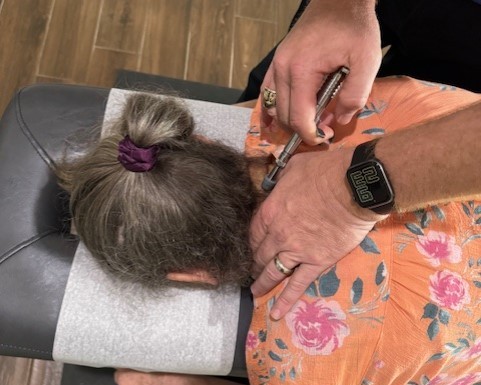
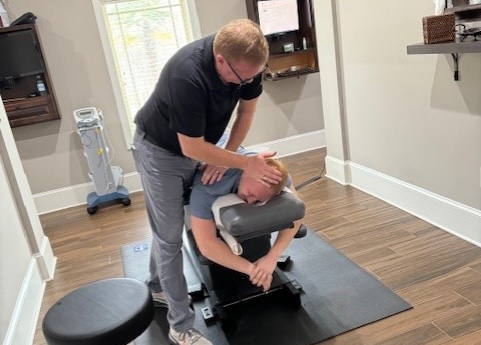
Chiropractic adjustments can play a vital role in your healing journey by improving spinal alignment and enhancing overall body function. Techniques such as ice therapy and compression are also beneficial, but let's not overlook the importance of physical therapy and rehabilitative exercises that I can guide you through.
By understanding and integrating these healing strategies, you can effectively support your body in returning to peak performance. Are you curious about which chiropractic techniques and natural healing methods will work best for you? Let's explore the top approaches that can accelerate your recovery and get you back to doing what you love.
Rest and Recovery
As a local chiropractor, I want to emphasize the importance of rest and recovery in the journey of sports injury rehabilitation. When you experience an injury, your body requires adequate time to heal, and pushing through the pain can often exacerbate the issue. It's understandable to want to return to your routine quickly, but giving yourself permission to rest is crucial for your recovery.
Listening to your body is key. Recognize the signs that indicate when it's time to take a break. During this recovery phase, I encourage you to focus on quality rest. Sleep plays a vital role in the healing process, as it's during this restorative time that your body repairs itself. Aim for 7-9 hours of quality sleep each night, and don't hesitate to incorporate short naps if you find yourself feeling fatigued throughout the day.
Nutrition is another critical aspect of your recovery. Maintaining a balanced diet rich in vitamins and protein can significantly support your healing process. Incorporating foods with anti-inflammatory properties can also be particularly beneficial in reducing pain and swelling.
While you're on the mend, it's important to stay gently active without putting undue strain on your injury. Engaging in light activities such as gentle stretching or mobility exercises can help keep your body moving without risking further injury. Additionally, keep your mind engaged with activities that don't require physical exertion, such as reading or enjoying your favorite hobbies.
Patience is vital during this time. Recovery often comes with its ups and downs, and it's normal to experience setbacks. By prioritizing rest and recovery now, you're setting the stage for a stronger comeback.
Ice Therapy
As a local chiropractor, I want to share with you the incredible benefits of ice therapy for managing sports injuries and promoting natural healing. When you suffer from an injury, it's common to experience inflammation and swelling, and that's where ice therapy becomes an essential part of your recovery process.
Applying ice can help constrict blood vessels, which reduces blood flow to the affected area. This not only minimizes swelling but also numbs the pain, allowing you to feel more comfortable as you heal.
To utilize ice therapy effectively, I recommend wrapping ice or a cold pack in a thin towel before applying it to your skin. This protective barrier is crucial, as direct contact can lead to frostbite.
Apply the ice pack to the injured area for about 15 to 20 minutes at a time, and make sure to take breaks in between sessions to avoid overexposure to the cold. You can repeat this process every couple of hours, particularly during the first 48 hours after your injury.
It's important to remember that timing is critical when it comes to ice therapy. The sooner you apply ice after an injury, the more effective it will be in reducing inflammation. Delaying this treatment can lead to increased swelling and discomfort, making recovery more difficult.
For some patients, I also suggest exploring ice baths or contrast baths, where you alternate between ice-cold and warm water. This technique can help stimulate circulation and further enhance your healing process.
As your chiropractor, my goal is to empower you with natural healing methods like ice therapy that can support your body's recovery and overall wellness. If you have any questions or need further guidance, feel free to reach out!
Compression Techniques
As a local chiropractor dedicated to your health and recovery, I want to share the importance of compression techniques in speeding up your recovery from sports injuries. Many of my patients are unaware of how beneficial compression wear can be for healing.
Compression garments and wraps help reduce swelling, improve blood circulation, and support the injured area, ultimately enhancing your healing process.
There are various types of wraps available, each designed to target different injuries and areas of the body.
It's crucial to apply these techniques correctly to maximize their benefits. By understanding how to use compression effectively, you can significantly aid your recovery and get back to your favorite activities sooner.
Let's explore these options together and incorporate them into your natural healing journey.
Benefits of Compression Wear
As a local chiropractor dedicated to your overall well-being, I often recommend compression wear for its remarkable benefits related to injury recovery and performance enhancement.
When you incorporate compression garments into your routine, they apply consistent pressure that can significantly improve blood circulation. This enhanced blood flow ensures that your muscles receive an ample supply of oxygen, which is essential for faster recovery and for alleviating soreness following intense workouts or injuries.
Moreover, compression wear provides crucial support to your muscles and joints, which helps minimize vibrations during physical activities. This additional support can assist you in maintaining proper form, ultimately reducing the risk of further injuries.
It's also noteworthy that wearing compression clothing can enhance your proprioception—your body's awareness of its position in space—an important factor for those engaged in high-impact sports.
Another benefit of compression wear is its ability to help regulate body temperature. By keeping your muscles warm, it can prevent stiffness and enhance overall performance during physical activities.
Many athletes report that wearing compression garments not only aids in their physical performance but also boosts their confidence, making them feel more prepared to face their next challenge.
If you're looking to improve your athletic performance or speed up your recovery from injuries, consider discussing the advantages of compression wear with me during your next visit. Together, we can explore how it fits into your holistic approach to health and wellness.
Types of Compression Wraps
Choosing the right type of compression wrap is crucial for your recovery, especially when you're healing from an injury. As your local chiropractor, I want to help you understand the different types of compression wraps available, each designed for specific purposes to aid in your natural healing process.
Let's start with elastic bandages. These are flexible and can be adjusted easily to provide the perfect amount of compression for your needs. They're particularly effective for injuries like sprains or strains, helping to stabilize the affected area.
Next, we've cohesive bandages. These wraps stick to themselves but won't adhere to your skin, making them simple to apply and remove without causing discomfort or irritation. This can be a great option for patients who are sensitive to traditional adhesive bandages.
Compression sleeves are another option you might want to consider. They provide consistent pressure and support over a larger area, which can be particularly beneficial for joints such as your knees or elbows. This constant support can enhance circulation and aid in your recovery.
If you're looking for more targeted compression, foam wraps or gel wraps can be very effective. These wraps not only provide compression but also additional cushioning, making them ideal for use alongside ice therapy to reduce inflammation.
Lastly, there are medical compression wraps, typically prescribed for specific injuries or conditions. These wraps offer graduated compression, which helps improve blood flow and decrease swelling—vital components in the healing process.
Best Practices for Application
As your local chiropractor, I want to share some important information about using compression wraps effectively, especially if you're not familiar with chiropractic care and natural healing methods. Proper application of a compression wrap can greatly aid in your recovery and healing process.
First and foremost, it's crucial to select the right type of wrap for your specific injury. Make sure it's suitable for the area that needs support. When you begin, start wrapping at the furthest point from your heart. This technique encourages better blood flow back towards the heart, which is essential in healing.
As you apply the wrap, maintain consistent pressure, but be cautious not to make it so tight that it causes pain or restricts circulation. A good rule of thumb is to ensure you can fit a finger under the wrap; this indicates it's snug but not overly tight.
As you continue wrapping, aim to overlap the previous layer by about half the width of the wrap. This ensures that the compression is even throughout the area, promoting better healing.
After you've applied the wrap, keep an eye on your injury for any signs of discomfort, increased swelling, or changes in color. If you notice anything unusual, please loosen the wrap immediately.
It's also important to keep the compression in place for the recommended duration, which is typically between 24 to 48 hours, depending on your injury.
Elevation Strategies
As a local chiropractor, I want to share with you the importance of proper elevation techniques when it comes to recovering from sports injuries.
Elevation can significantly enhance your healing process, and it's essential to understand how to do it effectively.
Pay attention to how long and how often you elevate the affected area; this plays a crucial role in your overall recovery. By elevating the injured area, you can help reduce swelling and improve circulation, which are vital for healing.
Understanding the benefits of elevation is key to making the most of this natural recovery strategy. It's a simple yet powerful tool that can complement your overall treatment plan.
If you have any questions about how elevation can fit into your recovery journey, feel free to ask during your next visit!
Proper Elevation Techniques
As a local chiropractor, I want to share with you an essential aspect of recovery from sports injuries that can significantly enhance your healing process: proper elevation techniques. Elevating the injured area is a simple yet effective method to reduce swelling, improve circulation, and promote overall healing.
To elevate your injury effectively, it's crucial to position the affected limb above heart level. You can use pillows or cushions for this purpose. If you find yourself lying down, arrange a stack of pillows to support the injured limb, ensuring it remains stable and comfortable. Alternatively, if you're sitting, rest your leg or arm on a chair or table, keeping it elevated.
While you maintain this elevated position, I recommend applying ice intermittently to further assist in managing swelling and pain. It's important to listen to your body during this process; if you experience increased discomfort or pain, don't hesitate to adjust your elevation.
Also, pay attention to your posture. Proper alignment is vital to prevent additional strain on other muscles and joints, which can complicate your recovery.
Remember, elevation is most effective when paired with other recovery strategies, such as rest and ice application. By integrating these proper elevation techniques into your healing routine, you're taking a significant step toward getting back to your active lifestyle.
As your chiropractor, I'm here to support you on your journey to recovery and help you understand the natural healing processes that your body is capable of.
Duration and Frequency
As a local chiropractor, I want to help you understand the importance of elevation strategies in your healing process. Elevation is a natural way to reduce swelling and improve blood circulation, which is key to recovery from injuries. However, how you elevate the injured area is crucial for maximizing its benefits.
Here are some guidelines to help you establish the right duration and frequency for elevation:
- Initial Elevation: In the first 48 hours following your injury, make it a priority to elevate the affected area for about 30 minutes every 1-2 hours. This initial phase is critical for controlling swelling when it's most pronounced.
- Consistent Follow-Up: Once the first couple of days have passed, aim to elevate the injured area for 20-30 minutes several times a day. This ongoing practice supports your recovery without causing strain.
- Listen to Your Body: It's important to pay attention to how your body feels during elevation. If you experience discomfort or pain, it's a good idea to adjust your position or reduce the duration of elevation.
- Combine with Other Techniques: To enhance the healing process, consider pairing elevation with ice therapy. Applying ice for 15-20 minutes at a time can significantly aid in reducing inflammation.
Benefits of Elevation
As your local chiropractor, I want to share with you the significant benefits of elevating an injured area to help expedite your recovery process.
Elevation plays a vital role in reducing swelling by promoting improved blood circulation. This is crucial, as excess fluid in the affected area can impede healing and exacerbate pain. By keeping the injured part elevated above heart level, you encourage the drainage of that excess fluid, which can lead to a notable decrease in discomfort.
Moreover, elevating the injured area can help lower the risk of further injury. With reduced swelling and pain, you'll find it easier to move the affected area comfortably. This is vital for engaging in physical therapy sooner, which is an important step in your overall recovery.
Elevation also complements other treatment modalities, such as ice or compression. When these methods are combined, they create a powerful strategy for healing that can enhance your recovery journey.
To maximize the benefits of elevation, I recommend that you make it a consistent part of your routine. Aim to elevate the injured area for 15-30 minutes every couple of hours, particularly in the first few days following the injury.
Physical Therapy
Chiropractic care plays a vital role in sports injury recovery, helping you regain strength, flexibility, and overall function. If you've experienced an injury, a knowledgeable chiropractor can guide you through a personalized rehabilitation program, ensuring you recover effectively and safely. Instead of just waiting on the sidelines, you'll be actively involved in your healing process.
Here are four key benefits of chiropractic care in your recovery journey:
- Assessment and Diagnosis: A chiropractor will thoroughly evaluate your injury, identifying the underlying issues and creating a customized treatment plan just for you. This individualized approach can significantly enhance your recovery outcomes.
- Pain Management: Various techniques, such as spinal adjustments, soft tissue therapy, and modalities like heat or cold therapy, can help alleviate pain and reduce inflammation. You'll experience relief that can greatly improve your daily activities.
- Strengthening and Rehabilitation: Your chiropractor will introduce specific exercises that focus on strengthening the muscles surrounding your injury. This not only aids in restoring strength but also helps prevent future injuries, allowing you to return to your sport with renewed confidence.
- Education on Injury Prevention: Beyond the recovery phase, a chiropractor will equip you with essential information on how to prevent re-injury. You'll learn proper techniques, body mechanics, and exercises tailored to your needs, ensuring you can stay active and engaged in your sport for years to come.
Stretching and Flexibility
As your local chiropractor, I want to emphasize the importance of stretching for your recovery and overall well-being. Stretching isn't just about flexibility; it plays a crucial role in preventing injuries and enhancing your physical performance.
By incorporating effective flexibility exercises into your daily routine, you can support your body's natural healing processes.
It's important to remember that timing and technique are key when it comes to stretching. Proper stretching can help alleviate tension, improve range of motion, and promote better alignment in your body.
Let's take a closer look at how you can make the most of your stretching sessions to support your health and recovery journey.
Importance of Stretching
As a local chiropractor, I want to emphasize the vital role that stretching plays in sports injury recovery and overall well-being. Many individuals may not realize that stretching isn't merely a warm-up; it's an integral component of your recovery process that helps maintain muscle elasticity and joint mobility.
Here are four key benefits of incorporating stretching into your routine that are particularly important for your health:
- Increases Range of Motion: Regular stretching can significantly enhance your joint flexibility. This improvement allows you to perform better in your favorite sports and daily activities, contributing to a more active lifestyle.
- Reduces Muscle Tension: Stretching is a fantastic way to relieve tight muscles. Addressing muscle tension is crucial because it can lead to discomfort and increase the risk of injuries if not managed properly.
- Enhances Blood Circulation: Stretching promotes better blood flow, which is essential for delivering nutrients to your muscles. This improved circulation helps speed up the recovery process, allowing your body to heal more efficiently.
- Promotes Relaxation: Engaging in a regular stretching routine can also alleviate stress, both physically and mentally. This holistic approach to recovery can make your healing journey more effective and enjoyable.
Incorporating stretching into your daily routine can lead to significant improvements in your recovery and overall health.
Remember, consistency is key. With time, you'll experience enhanced flexibility and greater resilience against injuries.
As your chiropractor, I encourage you to embrace these practices for a healthier, more active life.
Effective Flexibility Exercises
As a local chiropractor, I want to emphasize the importance of incorporating effective flexibility exercises into your routine for better health and recovery. These exercises are crucial for improving your range of motion, alleviating muscle tension, and preventing injuries.
To get started, I recommend beginning with dynamic stretching. This type of stretching involves controlled movements that gently take your body through its full range of motion. Simple exercises like leg swings and arm circles can serve as an excellent warm-up to prepare your muscles for activity.
After you've completed your workouts, it's beneficial to focus on static stretching. Aim to hold each stretch for 15 to 30 seconds, concentrating on major muscle groups such as your hamstrings, quadriceps, and shoulders. This practice not only helps to elongate your muscles and increase flexibility but also promotes relaxation.
Remember to breathe deeply during these stretches, as it enhances their effectiveness.
In addition to these exercises, consider incorporating yoga or Pilates into your weekly routine. These practices not only improve flexibility but also build strength and balance, which are essential for overall well-being. Always listen to your body; if something feels uncomfortable or painful, don't push through it—modify your approach.
Consistency is vital; aim to stretch at least three times a week. By prioritizing these flexibility exercises, you can support your recovery process and enhance your performance in physical activities.
As your chiropractor, I'm here to guide you on your journey to natural healing and optimal health.
Timing and Techniques
As your local chiropractor, I'm here to help you understand the importance of incorporating flexibility exercises into your wellness routine. To truly reap the benefits, it's crucial to know when and how to stretch effectively. Here are some essential points to consider for optimal recovery and flexibility:
- Start with a Warm-Up: Before you dive into stretching, it's vital to warm up your body. A brief warm-up increases blood flow to your muscles, which can help prevent injuries and prepare your body for stretching.
- Stretch After Exercise: One of the best times to stretch is after your workout. When your muscles are warm, they become more pliable, making it the perfect moment to enhance your flexibility and alleviate any built-up tension.
- Focus on Duration: When you stretch, aim to hold each position for 15 to 30 seconds. This duration helps your muscles relax and lengthen, allowing for more effective stretching.
- Make It a Habit: Consistency is essential in any wellness routine. Incorporate stretching into your daily activities, even on days when you're resting. Regular flexibility exercises not only promote recovery but also improve your overall performance in daily life.
By integrating these practices into your routine, you can support your body's natural healing process and enhance your overall well-being.
If you have any questions or need guidance, feel free to reach out during your next visit!
Strength Training
As a local chiropractor, I want to emphasize the critical role that strength training can play in your recovery from sports injuries. It's essential to regain strength, stability, and overall performance after an injury, and strength training is a natural and effective way to help you achieve that.
When you're on the mend, it's important to rebuild your muscle strength gradually. I recommend focusing on targeted exercises that promote healing while minimizing the risk of re-injury. Start with lighter weights or resistance bands, prioritizing proper form over sheer intensity. This ensures that you're activating the right muscle groups without placing unnecessary strain on your injured area.
Incorporating both isotonic and isometric exercises into your routine can be particularly beneficial. Isotonic exercises involve movement and can help improve your range of motion and flexibility. In contrast, isometric exercises, where you maintain a specific position, strengthen your muscles without putting them under too much stress. This balanced approach lays a solid foundation for more advanced training later on.
Listening to your body during this phase is paramount. If you encounter any pain or discomfort, it's wise to adjust your exercises or seek advice from a healthcare professional. Collaborating with a physical therapist or a trainer who specializes in rehabilitation can provide you with tailored guidance and ensure you're making progress safely.
Consistency is key when it comes to your strength training regimen. Regularly engaging in these exercises will significantly enhance your recovery process. As you get stronger, gradually increase the weight or resistance to continue challenging your muscles. This dedication not only aids in your recovery but also prepares you for a successful return to your sport.
As your chiropractor, I'm here to support you on your journey to natural healing and optimal performance. Together, we can develop a comprehensive plan that includes strength training as a vital component of your recovery.
Nutrition for Healing
Rebuilding your strength after a sports injury isn't solely about physical rehabilitation; nutrition is a crucial component of your recovery journey. As a chiropractor, I want to emphasize that the right nutrients can significantly accelerate healing, mitigate inflammation, and facilitate muscle repair. Many people may overlook the profound impact that diet has on their recovery, so let's explore some essential nutritional elements to consider.
- Protein: Your body relies on protein to mend damaged tissues. Focus on incorporating lean protein sources such as chicken, fish, beans, and low-fat dairy into your meals. By ensuring you include protein in every meal, you provide your muscles with the essential support they need for recovery.
- Healthy Fats: Omega-3 fatty acids, which are abundant in fish, walnuts, and flaxseeds, are known for their anti-inflammatory properties. Including these healthy fats in your diet won't only assist in your recovery but also contribute to your overall well-being.
- Fruits and Vegetables: These nutrient-dense foods are rich in vitamins, minerals, and antioxidants, all of which help combat oxidative stress and promote healing. Aim to fill half of your plate with a variety of colorful fruits and vegetables at each meal to maximize their benefits.
- Hydration: Proper hydration is vital for your recovery process. Water plays a key role in transporting nutrients throughout your body and eliminating toxins. Make it a priority to drink plenty of fluids throughout the day, particularly during and after your workouts.
As your chiropractor, I encourage you to pay attention to these nutritional aspects as you recover from your sports injury. A well-rounded diet can greatly enhance the benefits of chiropractic care and help you return to your active lifestyle more effectively.
Mindfulness and Relaxation
As a local chiropractor, I understand that recovering from a sports injury can be a challenging process, and I want to share how the practices of mindfulness and relaxation can significantly aid in your healing journey. These approaches can help you manage stress, alleviate anxiety, and enhance your overall well-being during this time.
When you focus on the present moment through mindfulness, you allow your body the opportunity to heal more effectively. Mental tension can impede physical recovery, so cultivating a mindful attitude is essential. One effective way to begin is through deep breathing exercises. Find a quiet spot where you can sit comfortably and take slow, deep breaths. Inhale through your nose, allowing your abdomen to rise, and then exhale gently through your mouth. Spend several minutes on this practice, releasing any distracting thoughts. Not only does this calm your mind, but it also increases oxygen flow, which is vital for healing.
I also encourage you to explore gentle mindfulness meditation. Setting aside just a few minutes each day to sit in silence and focus on your breath or visualize your healing process can be incredibly beneficial. This practice fosters a positive mindset and is crucial for maintaining motivation during rehabilitation.
In addition, relaxation techniques like progressive muscle relaxation can further enhance your recovery. This method involves tensing and then relaxing various muscle groups throughout your body, promoting physical relaxation and alleviating tension. By regularly integrating these techniques into your routine, you'll gain a greater sense of control over your body and mind, which can be empowering.
Ultimately, prioritizing mindfulness and relaxation during your recovery can lead to quicker healing and improved mental resilience. As your chiropractor, I'm here to support you on this journey and ensure that you're well-prepared for a successful return to your sport. Embracing these natural healing methods can make a world of difference in your overall recovery experience.
Advanced Therapies
As a chiropractor, I want to emphasize that while mindfulness and relaxation techniques are excellent starting points for your recovery, integrating advanced therapies can significantly enhance your healing journey.
These therapies are designed to target specific injuries, accelerate recovery, and boost your overall physical performance. Here are four advanced therapies that I recommend for your consideration:
1. Chiropractic Care: A customized chiropractic treatment plan can help restore your body's alignment, improve mobility, and alleviate discomfort.
By addressing misalignments in the spine and joints, we can work together to create a holistic approach to your recovery.
2. Cryotherapy: This innovative method involves exposing your body to very cold temperatures for a brief duration.
It's effective in reducing inflammation, relieving pain, and speeding up recovery times. Many athletes are turning to this technique to enhance their performance and recovery.
3. Platelet-Rich Plasma (PRP) Therapy: In this advanced treatment, we draw a small amount of your blood, process it to concentrate the healing platelets, and then inject it into the injury site.
This harnesses your body's natural growth factors to boost healing and significantly reduce recovery time.
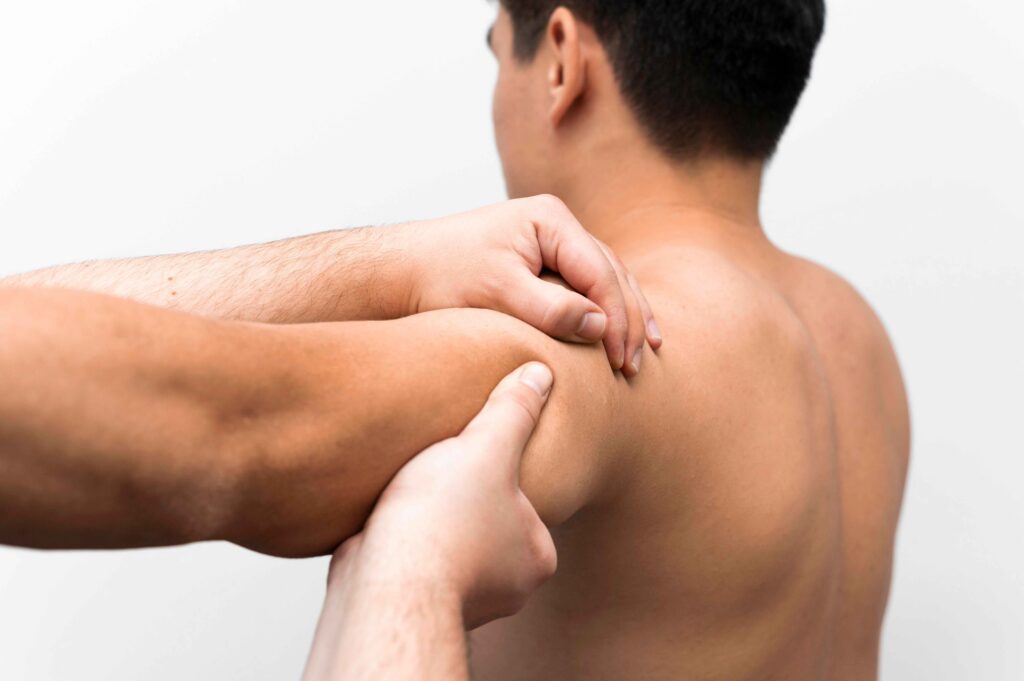
4. Massage Therapy: Regular massage isn't just a luxury; it's a vital component of your overall wellness.
It improves circulation, reduces muscle stiffness, and promotes relaxation, which all contribute to a more effective recovery process.
By considering these advanced therapies alongside chiropractic care, you can take proactive steps toward achieving optimal health and wellness.
Your body deserves the best support on its healing journey!
Conclusion
As your local chiropractor, I want to share with you how incorporating these ten techniques into your recovery routine can significantly improve your healing process. It's essential to prioritize rest, proper nutrition, and physical therapy in your recovery journey. Exploring advanced therapies, such as chiropractic adjustments, can also be beneficial in helping you bounce back stronger than ever.
Don't underestimate the power of mindfulness—it's crucial for keeping your mental game sharp and focused during recovery. By adopting a holistic approach, which includes chiropractic care, you can not only heal more quickly but also lower the risk of future injuries.
Embrace these strategies, and you'll be well on your way to returning to the sport you love with renewed strength and resilience. Remember, I'm here to guide you in understanding how natural healing can support your recovery journey!