
When dealing with a sports injury, understanding the right recovery techniques is crucial for a successful healing process. Many people assume that rest is the only answer, but there's a wealth of options to consider, including chiropractic care, physical therapy, and advanced treatments like cryotherapy. As a chiropractor, I can tell you that each of these methods can significantly alleviate pain and promote healing, but their effectiveness often depends on your specific injury and overall health.
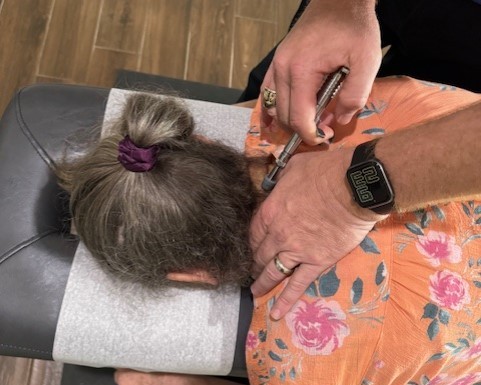
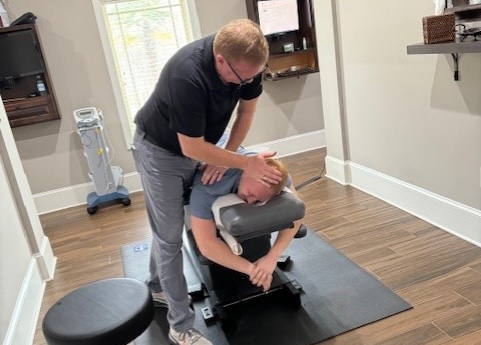
Chiropractic care, in particular, focuses on the alignment of the spine and musculoskeletal system, which can play a vital role in your recovery. By addressing misalignments and improving mobility, we can help your body heal more efficiently. As you explore these various strategies, you might discover unexpected links that could enhance your recovery journey in ways you never imagined. Are you ready to take the next step toward feeling better?
Understanding Sports Injuries
As a local chiropractor, I understand that sports injuries are an unfortunate yet common experience for many athletes—whether you're just enjoying a weekend game or you're competing at a professional level. Grasping the nature of these injuries is essential for effective recovery and enhancing your performance.
You may encounter various types of injuries, such as sprains, strains, fractures, or tendinitis, each with its distinct characteristics and healing processes.
Let's start with sprains, which occur when the ligaments—those essential tissues connecting bones at a joint—are either stretched or torn. If you're experiencing swelling, pain, or limited mobility in a joint, it could be a sprain.
On the flip side, strains pertain to injuries involving muscles or tendons. For instance, if you've pulled a muscle while playing your favorite sport, you're likely dealing with a strain.
Fractures are more serious and involve cracks in the bone, often requiring immediate medical intervention. If you suspect that you may have a fracture, please seek professional help promptly.
Another common issue is tendinitis, which is the inflammation of a tendon and typically arises gradually from repetitive motions. If you're experiencing persistent pain in a joint or tendon, this could be a sign of tendinitis.
Understanding the specifics of your injury is crucial in determining the right path towards healing.
As a chiropractor, my goal is to guide you through natural healing methods that promote recovery and restore your body's balance. By identifying and understanding your injury, we can develop a tailored treatment plan that incorporates chiropractic care, exercises, and lifestyle adjustments to help you heal effectively and get back to doing what you love.
Importance of Rest
As a local chiropractor, I want to emphasize the critical role that rest plays in your recovery, especially when dealing with sports injuries. Many people underestimate how vital rest is for healing, but it's an essential part of the recovery process that shouldn't be ignored. When your body is injured, it needs time to heal, and adequate rest is a significant factor in that healing journey.
Skipping out on rest can lead to prolonged recovery times and even exacerbate your injury. While it might be tempting to push through any discomfort, doing so can result in setbacks and long-term issues.
During periods of rest, your body activates vital healing mechanisms. For instance, blood flow increases to the injured area, delivering the necessary nutrients and oxygen that aid in the repair process. Your muscles, tendons, and ligaments need this time to recover from the stress they've faced.
If you disregard the need for rest, you risk incomplete healing, which can make you more vulnerable to re-injury once you return to physical activity.
It's crucial to listen to your body. If you find yourself feeling fatigued or in pain, that's a clear indication that you need to take a break. This doesn't mean you should completely cease all movement; gentle stretching and low-impact activities can encourage blood circulation while minimizing strain on your injury.
I encourage you to establish a recovery plan that includes designated rest periods. Prioritizing sleep is essential, as this is when your body engages in its most effective healing processes.
Moreover, don't overlook the mental benefits of rest. Taking a step back can help you regain focus and motivation, ensuring that when you're ready to return to your sport, you do so at your peak strength.
Embrace rest as a vital ally in your recovery journey, and remember that chiropractic care can further support your healing process by ensuring your spine and nervous system are functioning optimally.
Role of Physical Therapy
As a local chiropractor, I want to emphasize the important role chiropractic care plays in your recovery from sports injuries.
We utilize personalized treatment plans designed specifically for your unique needs, focusing on restoring not just strength and flexibility, but also promoting overall wellness.
Our approach includes natural healing methods to help alleviate pain and enhance your body's ability to heal itself.
It's crucial to understand how chiropractic care can support your recovery journey, ensuring you can return to the sport you're passionate about with confidence and vitality.
Personalized Rehabilitation Programs
After experiencing an injury, it's crucial to understand the benefits of personalized rehabilitation programs, especially in the context of chiropractic care. These programs are designed with your unique needs in mind, considering factors such as the specific nature of your injury, your current fitness level, and your personal recovery goals.
As a chiropractor, my role is to assess your condition thoroughly and develop a tailored plan that focuses on restoring your strength, flexibility, and mobility. Unlike a one-size-fits-all approach, personalized rehabilitation allows us to engage in specific exercises that target the injured area while minimizing the risk of further strain. This targeted strategy not only accelerates your recovery but also helps prevent the likelihood of re-injury.
In your rehabilitation journey, you can expect to incorporate a range of techniques, including gentle adjustments, stretching, strengthening exercises, and functional movements that are relevant to your daily activities or sports. Each of these elements is carefully selected to suit your individual healing process.
Regular monitoring of your progress is an integral part of our approach. As you improve, I'll adapt your program to ensure it remains challenging yet manageable, fostering a sense of accountability and motivation. This ongoing support is vital for keeping you engaged and committed to your healing journey.
Ultimately, a personalized rehabilitation program through chiropractic care empowers you to take control of your recovery process. By addressing your specific needs, you increase the chances of an effective recovery, enabling you to return to your activities feeling stronger and more resilient than ever before.
Pain Management Techniques
When it comes to managing pain during your recovery, chiropractic care plays a vital role in helping you regain function and improve your overall well-being.
By working closely with a chiropractor, you can explore various natural healing techniques tailored to your specific needs. These methods not only focus on pain relief but also assist in restoring mobility and strength in a holistic manner.
Here are some effective pain management techniques you might encounter in chiropractic care:
- Spinal Manipulation: This hands-on technique helps realign the spine, alleviating pain and improving overall body function.
- Soft Tissue Therapy: Techniques like massage or myofascial release target tight muscles and fascia, reducing pain and promoting relaxation.
- Rehabilitative Exercises: Customized exercise programs strengthen the affected areas and improve flexibility, which can lead to long-term pain relief.
- Patient Education: Understanding your condition and the healing process empowers you to take an active role in managing your pain and enhances your overall health.
Incorporating these natural healing techniques into your recovery plan can lead to significant improvements in your pain levels.
With consistent care and guidance from your chiropractor, you'll be on a path to a healthier, more fulfilling life.
Benefits of Massage Therapy
As a local chiropractor, I want to share with you the incredible benefits of massage therapy, especially when it comes to recovering from sports injuries. Integrating massage into your healing process can significantly enhance your overall recovery.
When you participate in regular massage sessions, you'll notice a reduction in muscle tension and an improvement in circulation. This increased blood flow is crucial as it accelerates the delivery of oxygen and nutrients to your injured tissues, helping to flush out toxins and promote faster healing.
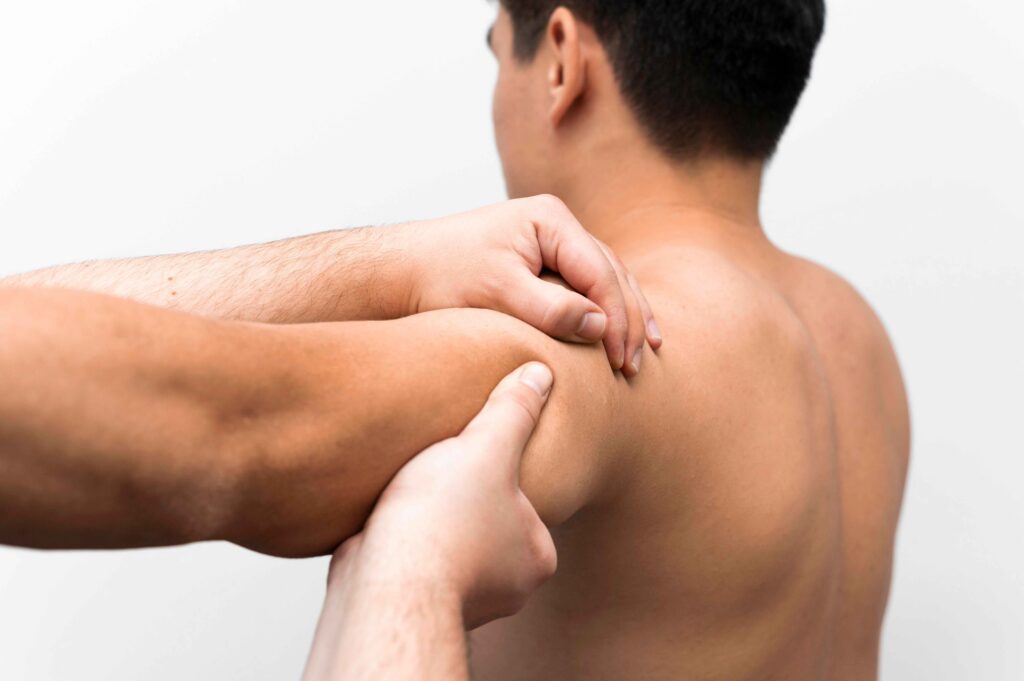
Massage therapy is also an effective tool for pain relief. By focusing on specific areas of discomfort, a skilled therapist can alleviate soreness and reduce inflammation. This relief not only makes it easier for you to regain mobility but also encourages you to move more freely, which helps prevent stiffness and the risk of further injury.
Another significant advantage of massage therapy is its ability to improve flexibility and range of motion. As your muscles relax and your connective tissues become more pliable, you'll find it easier to engage in rehabilitation exercises. This enhanced flexibility is vital for getting back to your favorite sports or physical activities without limitations.
Additionally, we can't overlook the psychological benefits of massage. The soothing touch can significantly reduce anxiety and promote relaxation, which is particularly important during your recovery journey. When you're less stressed, you're more likely to maintain a positive outlook and stay committed to your rehabilitation plan.
Incorporating massage therapy into your recovery routine can be a natural and effective way to support your healing journey. If you have any questions about how massage therapy can complement your chiropractic care, don't hesitate to ask!
Advanced Recovery Modalities
As a local chiropractor, I understand that recovery from sports injuries often requires more than just traditional methods.
That's why I want to introduce you to advanced recovery modalities that can play a significant role in your healing process. These innovative techniques not only enhance your recovery speed but also help reduce pain and improve your overall mobility.
Here are some advanced options I recommend you consider incorporating into your rehabilitation plan:
- Cryotherapy: This method involves exposing your body to extremely cold temperatures, which can significantly reduce inflammation and numb pain. It's particularly effective right after an injury occurs, helping to minimize discomfort and speed up recovery.
- Electrical Stimulation: This technique utilizes electrical impulses to stimulate your muscles, promoting healing and preventing muscle atrophy. It can be especially beneficial during the initial stages of recovery when your movement may be restricted.
- Ultrasound Therapy: By using sound waves, ultrasound therapy can encourage tissue healing and alleviate pain. This modality improves blood circulation to the injured area, which can expedite your recovery process.
- Injury-Specific Recovery Devices: Specialized devices, such as pneumatic compression machines, can enhance circulation and reduce swelling. These are often integrated into physical therapy sessions to support your healing journey.
Incorporating these advanced recovery modalities into your treatment plan can provide you with a comprehensive approach to healing.
It's essential to discuss these options with me or your healthcare provider to find the techniques that best align with your specific injury and recovery goals.
By embracing these methods, you can take proactive steps toward a quicker, more effective recovery, getting you back to your favorite sport sooner.
Nutrition for Healing
As a local chiropractor, I want to emphasize the significant role that proper nutrition plays in your healing journey following a sports injury. The food you consume directly influences your body's ability to repair itself and recover effectively. To support this healing process, it's important to focus on a balanced diet that's rich in vitamins, minerals, and macronutrients.
One of the key building blocks of recovery is protein. This nutrient is essential for rebuilding damaged tissues and muscles. I recommend incorporating lean protein sources into your meals, such as chicken, fish, beans, and legumes, to ensure you're meeting your body's needs during this recovery phase.
Don't forget about carbohydrates either. They're crucial for providing the energy you need to stay active and facilitate the recovery process. Make sure to include whole grains, fruits, and vegetables in your diet. These foods not only fuel your activities but also provide the essential nutrients required for healing.
Healthy fats also play a vital role in your recovery. They can help reduce inflammation, which is key to speeding up the healing process. I suggest adding sources such as avocados, nuts, and olive oil to your meals. Additionally, omega-3 fatty acids found in fatty fish like salmon are particularly beneficial for decreasing inflammation and aiding in recovery.
Hydration is just as important as nutrition. Drinking enough water is crucial for transporting nutrients throughout your body, ensuring your injured tissues receive the support they need. Aim for at least eight glasses of water each day, and increase your intake if you're physically active.
Lastly, I encourage you to consider consulting a nutritionist or dietitian who specializes in sports nutrition. They can help create a personalized meal plan tailored to your specific recovery needs, ensuring you're on the right path to returning to your sport stronger than ever.
Mental Health and Recovery
As a chiropractor, I want to emphasize that physical injuries can have a significant impact not only on your body but also on your mental health. When you're unable to engage in your usual activities, feelings of frustration, anxiety, or even depression may arise.
It's crucial to recognize that the emotional side of recovery is just as important as addressing the physical aspects. Here are some holistic approaches to support your mental well-being during this challenging time:
- Stay Connected: I encourage you to reach out to friends, family, or teammates for support. Isolation can deepen negative feelings, so maintaining your social connections is vital for your mental health.
- Set Realistic Goals: Let's work together to break down your recovery process into achievable milestones. Celebrating these small victories can keep you motivated and focused on your healing journey.
- Practice Mindfulness: Incorporating mindfulness practices, such as meditation or deep-breathing exercises, can be beneficial. These techniques help reduce stress and enhance your emotional resilience, which is essential for recovery.
- Seek Professional Help: If you're feeling overwhelmed, consider consulting a sports psychologist or mental health professional. They can provide personalized strategies to help you navigate the mental challenges associated with recovery.
Remember, as your chiropractor, I'm here to support you not just physically, but also in fostering a positive mindset as you heal.
Your well-being is holistic, and addressing both your physical and emotional health will lead to a more complete recovery.
Conclusion
As a local chiropractor, I want to emphasize the importance of a holistic approach to recovering from sports injuries. It's essential to combine rest, physical therapy, and effective pain management for optimal healing. One of the key components of your recovery can be chiropractic care, which focuses on aligning the spine and improving mobility, helping to reduce pain and speed up the healing process.
In addition to chiropractic adjustments, incorporating advanced modalities like ultrasound therapy and electrical stimulation can further enhance your recovery. Proper nutrition also plays a pivotal role; fueling your body with the right nutrients supports tissue repair and overall health.
Don't overlook the significance of mental health during your recovery journey. Maintaining a positive mindset can significantly influence your progress and motivation to return to your sport. Remember, by taking care of your body now and utilizing natural healing methods, you'll be on the path to coming back even stronger than before. If you have any questions about how chiropractic care can assist you in your recovery, I'm here to help!