When we think about wellness, many of us envision a state of comfort and balance. However, as a local chiropractor, I want to share an important perspective: discomfort can play a vital role in your health journey. Achieving a well-rounded state of wellness often requires confronting challenges that may initially feel uncomfortable. This tension can foster growth and resilience, yet it's common for people to avoid it.
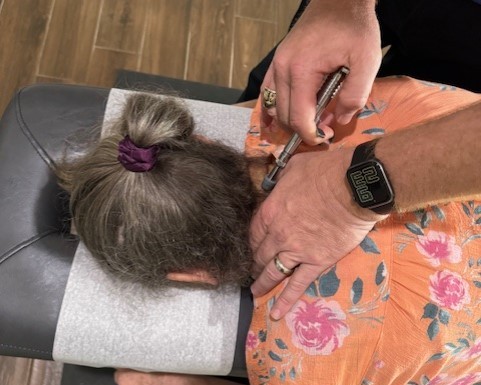
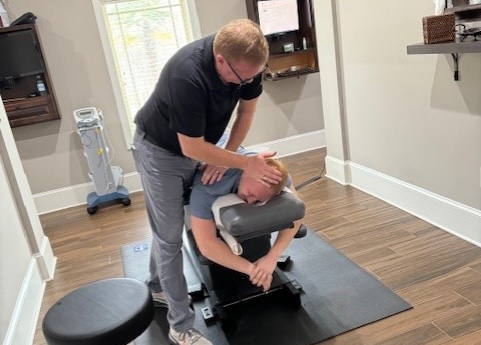
In chiropractic care, we often encounter patients who are hesitant about adjustments or therapeutic exercises because they fear discomfort. However, embracing these moments of discomfort can lead to significant improvements in your overall well-being. By working through these challenges, you may discover hidden strengths and insights about your body and health that you hadn't recognized before.
So, how can you find the right balance between comfort and discomfort while pursuing your wellness goals? The key is to approach your health journey with an open mind and a willingness to embrace new experiences. As your chiropractor, I'm here to guide you through this process, helping you understand how discomfort can be a stepping stone to better health and vitality. Let's explore together how we can navigate this delicate balance on your path to wellness.
Understanding Balance in Wellness
As a local Chiropractor, I'm here to emphasize the importance of balance in wellness for leading a healthy life. Wellness isn't solely about physical health; it also involves your mental, emotional, and social well-being. By understanding this balance, you can cultivate a holistic approach to your health that supports all facets of your life.
Think of wellness like a wheel, where each spoke represents vital components—nutrition, exercise, sleep, and stress management. If one spoke is misaligned, the entire wheel struggles to roll smoothly.
To achieve this balance, it's crucial to evaluate each area of your life. Start by reflecting on how you're doing in these aspects. Are you nourishing your body with nutritious foods? Are you getting restful sleep? Do you have a consistent exercise routine? Recognizing your strengths and areas for improvement will help you direct your efforts more effectively.
As you embark on this journey, consider incorporating small, manageable changes into your daily routine. Rather than attempting a drastic overhaul, set achievable goals. For instance, you might choose to replace one unhealthy snack with a nutritious option or commit to a brief daily walk. These incremental changes can lead to significant improvements over time.
Additionally, I can't stress enough the importance of self-care. Taking time for yourself is essential for maintaining balance in your life. Engaging in activities you enjoy—be it reading, meditating, or spending quality time with loved ones—can recharge your emotional energy and enhance your overall wellness.
As a Chiropractor, I believe that aligning your body through proper spinal care can significantly contribute to your overall health. When your spine is in alignment, it can positively impact your physical, mental, and emotional well-being.
I encourage you to explore chiropractic care as a natural healing option to help you achieve and maintain this essential balance in your life.
The Role of Discomfort
As a local chiropractor, I want to emphasize the vital role that discomfort plays in your overall health and wellness. Discomfort is often your body's way of signaling that something isn't quite right, whether it's a physical, emotional, or mental issue that needs attention. Ignoring these signals can lead to more significant health problems down the road. Understanding and addressing discomfort is key to achieving optimal wellness.
During physical activities, you may experience discomfort, which can indicate that you're pushing your body beyond its limits. This is a moment to evaluate your fitness routine. Are you overexerting yourself, or is your body simply adjusting to new challenges? As a chiropractor, I can help you understand the underlying causes of this discomfort and guide you in making adjustments to your routine that promote healing and strength.
Emotional discomfort can also arise in response to stressors in your life. It's crucial to pay attention to these feelings, as they often highlight unresolved issues that need your consideration. Chiropractic care can support emotional well-being by helping to align your spine and nervous system, which can improve your body's response to stress.
Discomfort might also stem from negative thought patterns or unhealthy habits that you've developed over time. Your body, through discomfort, is urging you to grow and make positive changes. It can be easy to dismiss these feelings, but confronting them can lead to meaningful personal development. Chiropractic care can assist in this process by promoting relaxation and clarity, allowing you to reevaluate your choices.
In essence, discomfort is an essential part of your journey toward wellness. It encourages you to look at areas of your life that may need adjustment. By recognizing and responding to discomfort, you can gain a deeper understanding of your needs and desires, ultimately guiding you toward a more balanced and fulfilling life.
Embracing discomfort isn't about seeking pain; it's about understanding its role as a catalyst for positive change and growth. As your chiropractor, I'm here to support you on that journey.
Benefits of Embracing Discomfort
Embracing discomfort can be a pivotal part of your journey towards better health and wellness, especially when it comes to chiropractic care. When you step outside your comfort zone and explore natural healing methods, you may find that you challenge both your body and mind in ways that promote healing and resilience. This process often uncovers your body's hidden strengths, enabling you to face future health challenges with increased confidence.
Facing discomfort is essential for developing a growth mindset, particularly in relation to your physical health. Rather than avoiding discomfort during treatments or exercises, you begin to see these moments as opportunities for improvement and healing. By confronting your fears—whether it's adjusting to a new chiropractic technique, managing pain, or committing to a healthier lifestyle—you become more adaptable and open to positive change. Each time you persevere through discomfort, you cultivate a sense of accomplishment that reinforces your ability to handle health-related challenges.
Moreover, embracing discomfort can significantly enhance your emotional well-being. As you navigate through challenging treatments or lifestyle changes, you become more attuned to your body's signals and your emotional responses. This heightened self-awareness can help you manage stress and anxiety, ultimately leading to improved mental health.
Additionally, as you experience your own challenges, you may develop greater empathy for others facing similar health struggles, which can strengthen your relationships.
Chiropractic care also often invites creativity in your approach to health. When you commit to exploring new treatments or exercises, you may discover innovative ways to address pain or improve mobility that you hadn't considered before. This creative thinking can extend beyond your chiropractic visits, enriching your overall health journey and broadening your perspective on wellness.
Ultimately, embracing discomfort is a powerful catalyst for transformation in your health. It prepares you for the ups and downs of life, equipping you with the tools necessary to thrive in an ever-changing world.
Finding Your Comfort Zone
In your journey towards better health, understanding your comfort zone is crucial for making meaningful progress, especially when it comes to chiropractic care and natural healing. Your comfort zone isn't limited to just physical activity; it includes your mental and emotional well-being as well. It's that safe space where you can feel secure and at ease, enabling you to thrive without feeling overwhelmed. Recognizing this area helps you know when to push your limits and when to take a step back.
To discover your comfort zone, reflect on your past experiences with health and wellness. Think about what activities energized you or motivated you to take action. Consider what environments fostered your growth and healing. Journaling can be a valuable tool in this process. Document the moments when you felt your best, both physically and mentally. This reflection will help uncover patterns that define your personal comfort zone.
Next, experiment with various activities and environments related to your health. Try different chiropractic techniques, explore mindfulness practices, or engage in community wellness events that gently push your boundaries. Pay attention to how these experiences affect you. Do you feel excited or a bit anxious? Learning to tune into your emotional responses is essential for understanding your limits and preferences.
Remember, finding the right balance is key to your well-being.
Lastly, be patient with yourself. Your comfort zone can evolve over time as you grow and heal. It's perfectly normal to reassess your needs and boundaries periodically. Embrace this journey, and as you do, you'll discover effective ways to nurture your health while still challenging yourself to expand beyond what feels familiar.
Strategies for Achieving Balance
As a local chiropractor, I believe that finding your comfort zone is essential for achieving balance in your overall health and wellness journey. To maintain that equilibrium, it's important to adopt strategies that align with your lifestyle and support your body's natural healing processes. Here are some effective approaches you can incorporate into your daily routine:
- Set clear boundaries: Understanding when to say no is crucial. This not only helps you avoid overextending yourself but also ensures you carve out time for essential self-care practices, such as chiropractic adjustments and relaxation techniques.
- Prioritize your tasks: Concentrate on what truly matters for your health and well-being. By focusing on the most important activities, you can prevent feelings of overwhelm and direct your energy toward what benefits your body and mind.
- Practice mindfulness: Incorporate mindfulness techniques, such as meditation or deep-breathing exercises, into your routine. These practices can help you stay centered, manage stress more effectively, and enhance your body's recovery process.
- Schedule regular breaks: It's crucial to step away from work and daily responsibilities from time to time. Taking short breaks allows your body to rest and rejuvenate, enabling you to return to your tasks with renewed focus and energy.
Balancing work, relationships, and self-care isn't always straightforward, but these strategies can help you cultivate a more harmonious life. Start by assessing your current commitments and identifying areas that may need adjustment.
You might discover that by setting boundaries, you can relish your personal time without guilt, allowing your body to heal and recharge. Incorporating mindfulness into your daily routine can significantly enhance your mental clarity, making it easier to navigate the challenges of daily life.
Finally, remember that breaks aren't just a luxury; they're vital for maintaining productivity and preventing burnout, especially when it comes to your physical health. By actively applying these strategies, you'll be well on your way to achieving a balanced and fulfilling health and wellness journey.
Physical Health and Discomfort
Experiencing discomfort in your body can significantly impact your journey toward achieving optimal health. As a chiropractor, I often see patients dealing with chronic pain, fatigue, or soreness resulting from exercise. These physical sensations can interfere with your daily activities and overall well-being.
It's important to understand that discomfort doesn't always indicate an injury or something that needs immediate attention; sometimes, it's a signal from your body indicating that it requires care and support.
Understanding the source of your discomfort can empower you to take the right steps toward relief. For example, if you're feeling sore after an intense workout, it may simply be your body adapting to new physical challenges. However, if you experience persistent pain, it's crucial to seek guidance from a healthcare professional like myself.
Listening to your body's signals is essential for your health. Incorporating regular movement into your daily routine can help alleviate some of the discomfort you may be experiencing. Simple activities such as walking, stretching, or gentle yoga can enhance flexibility and improve circulation.
Additionally, being mindful of your posture and ergonomics is vital, especially if you spend long hours sitting or working at a desk. Poor posture can contribute to discomfort and misalignments in your spine.
Nutrition plays a pivotal role in your physical health as well. A balanced diet rich in anti-inflammatory foods can help reduce discomfort and support recovery. Staying hydrated is equally important; proper hydration keeps your joints lubricated and helps your muscles function effectively.
Ultimately, addressing discomfort involves finding the right balance between pushing your limits and allowing your body the rest it needs. As your chiropractor, my goal is to help you navigate this journey, paving the way for improved physical health and overall wellness.
Mental Resilience Through Challenges
As a local chiropractor, I often see how physical discomfort can reflect the challenges we face in our mental and emotional lives. Just like your body adapts to physical strain through chiropractic care and adjustments, your mind can also grow stronger when you navigate adversity. Embracing these challenges not only helps you build mental resilience but also equips you to tackle life's hurdles with greater confidence.
Here are some important points to consider:
- Adaptability: Just as chiropractic adjustments help your body adapt to physical stressors, facing mental challenges requires you to adapt and develop new strategies for coping.
- Problem-Solving: Each obstacle you encounter can enhance your critical thinking skills, much like how we analyze and address spinal misalignments to improve your overall wellness.
- Emotional Growth: Overcoming difficulties can deepen your emotional intelligence and awareness, paralleling the way we work to align your body for optimal health.
- Confidence Boost: Successfully maneuvering through tough times, both mentally and physically, can instill a sense of achievement and significantly boost your self-esteem.
Developing mental resilience isn't just about enduring tough situations; it's about thriving in them, similar to how regular chiropractic care helps you maintain a balanced and resilient body.
When you confront physical and emotional challenges head-on, you learn to manage stress, cope with uncertainty, and bounce back from setbacks more effectively. Think of each challenge as a stepping stone that enhances your ability to handle future adversities, just as your body becomes stronger with each adjustment.
When you experience discomfort—whether it's physical pain or mental stress—recognize it as an opportunity for growth. Reflect on how you have overcome previous challenges, both in your life and in your health, and apply those lessons to your current situation.
Creating a Wellness Routine
As a chiropractor, I often emphasize the importance of creating a wellness routine that aligns with your lifestyle and promotes your overall health.
Incorporating regular physical activity and mindfulness practices can significantly improve not just your physical well-being, but also your mental health. By prioritizing these components, you can establish a balanced routine that supports your body and mind.
Remember, chiropractic care complements these practices by helping to maintain proper alignment and function of your spine, which is essential for optimal health.
Together, we can work towards a holistic approach to your wellness journey.
Establishing Daily Practices
As a local chiropractor, I want to emphasize the importance of establishing a wellness routine that can significantly enhance your overall health and happiness. By incorporating daily practices that support your well-being, you can cultivate a balanced lifestyle that fosters resilience and joy.
Here are some essential elements to consider as you build your routine:
- Mindfulness: Begin your day with a few minutes of meditation or deep breathing exercises. This practice can help center your mind and reduce stress, which is crucial for maintaining spinal health and overall well-being.
- Hydration: Aim to drink an adequate amount of water throughout the day. Proper hydration is vital for your body's functions, including maintaining healthy joints and promoting optimal nerve function.
- Nutrition: Focus on planning balanced meals that nourish both your body and mind. Prioritizing whole foods over processed options can enhance your energy levels and support your body's natural healing processes.
- Sleep: Establishing a consistent sleep schedule is essential for restorative rest each night. Quality sleep plays a critical role in recovery, particularly for your musculoskeletal system and overall health.
Integrating these practices into your daily life may seem daunting at first, but it doesn't have to be. Start by selecting one or two areas to focus on and gradually incorporate more as you become comfortable.
Remember, the goal is progress, not perfection. Celebrate your small victories along the way, and be open to adjusting your routine as you learn what works best for you.
By making wellness a priority, you're taking proactive steps towards a healthier, happier version of yourself. Embrace this journey, and witness how it transforms not just your health, but your entire life.
As your chiropractor, I'm here to support you in this journey toward natural healing and optimal wellness.
Incorporating Physical Activity
As your local chiropractor, I want to emphasize the immense benefits of incorporating regular physical activity into your wellness routine. Not only does it enhance your physical health, but it also significantly boosts your mental well-being.
Start by exploring activities that you genuinely enjoy; whether it's dancing, hiking, or going to the gym, finding joy in your workouts will make it easier to stay committed to your routine.
Aim for at least 150 minutes of moderate aerobic activity each week, which you can break down into shorter, manageable sessions. This approach not only makes it more achievable but also helps in maintaining consistency—a key component of any successful wellness plan.
Strength training is another critical aspect of your fitness journey. Engaging in muscle-strengthening activities at least two days a week can enhance your overall fitness and metabolism.
To support your chiropractic care, consider incorporating flexibility exercises such as yoga or stretching to keep your body agile and to prevent injuries. A well-balanced body is less prone to discomfort and misalignments, leading to a healthier spine.
Set realistic and achievable goals that suit your lifestyle. Whether it's taking a daily 30-minute walk or joining a local sports club, it's essential to find what resonates with you.
Tracking your progress can also serve as a motivating factor; consider using a journal or a fitness app to monitor your activities.
Lastly, pay attention to your body's signals. While it's important to challenge yourself, don't hesitate to rest when necessary.
Remember, consistency is crucial. By making physical activity a regular part of your life, you're not just enhancing your overall well-being; you're also fostering a healthier, happier you.
As your chiropractor, I encourage you to embrace natural healing through movement and stay proactive about your health!
Mindfulness and Mental Health
As a chiropractor, I want to emphasize the importance of not only physical activity but also mental health in your overall wellness journey. Just as we focus on the alignment and health of your spine and body, nurturing your mental well-being through mindfulness practices is equally vital.
By centering your thoughts on the present moment, mindfulness can help alleviate stress, enhance emotional balance, and contribute to your overall mental health. Here are some key benefits of incorporating mindfulness into your daily life:
- Reduces symptoms of anxiety and depression
- Improves focus and concentration
- Builds emotional resilience
- Encourages better sleep quality
To establish a mindfulness routine, I recommend starting with small, manageable steps. Dedicate just a few minutes each day to practice mindfulness. This could include meditation, deep breathing exercises, or even a mindful walk in nature.
As you become more at ease with these practices, you can gradually extend the time you spend on them. Remember, consistency is essential for reaping the benefits.
Integrating mindfulness into your everyday routine can have a significant impact on your mental health. It allows you to cultivate self-awareness and fosters a deeper sense of tranquility.
Just as you prioritize the care of your body, it's crucial not to underestimate the power of your mind. By making mindfulness a priority, you'll create a well-rounded approach to wellness that supports both your physical health and mental clarity.
Together, we can work towards a more balanced and holistic lifestyle that benefits every aspect of your well-being.
Inspiring Stories of Growth
Growth often emerges from the most unexpected places, much like the journey many experience when they discover the benefits of chiropractic care and natural healing.
Let me share with you a couple of inspiring stories that illustrate this transformation.
Take Sarah, for example. During the pandemic, she faced a devastating job loss, but instead of succumbing to despair, she sought a new path that led her to explore holistic wellness practices, including chiropractic adjustments.
These sessions not only alleviated her physical tension but also empowered her to turn her passion for baking into a thriving small business. Each hurdle she encountered taught her resilience, and her journey became a beacon of inspiration for others in her community to consider their own well-being and pursue their passions.
Then there's Mike, who grappled with anxiety for years. He made a courageous decision to confront his fears through natural healing methods, including joining a local hiking group after experiencing the benefits of chiropractic care.
With each step on those trails, he discovered a strength he never knew he had. By prioritizing his physical and mental health through chiropractic support, Mike not only transformed his own life but also encouraged others to step outside their comfort zones and seek the help they need when facing their own battles.
These stories serve as a reminder that growth isn't always a linear journey. Just like the process of healing, it can be messy, uncomfortable, and filled with setbacks.
However, every challenge offers a lesson, and every lesson paves the way for personal development. Through chiropractic care, you can embark on your own journey of growth and well-being, embracing the potential for change and healing in your life.
Conclusion
As your local chiropractor, I want to share an essential insight about your journey toward wellness: balance and discomfort are interconnected. It's important to embrace the challenges you may face, as they often lead to personal growth and resilience. When you experience discomfort, consider it a valuable signal for change and an opportunity to enhance your well-being.
In chiropractic care, we focus on aligning your body and mind to create a harmonious wellness routine. This might involve adjusting your spine, improving your posture, or incorporating natural healing practices that nurture your overall health. By staying committed to finding that balance, you can unlock a healthier, more fulfilling life.
Remember, discomfort doesn't have to be a negative experience. Instead, let it serve as a guide, leading you toward a better understanding of your body and ultimately revealing your best self. Together, we can work through these challenges and create a wellness plan tailored to your needs.