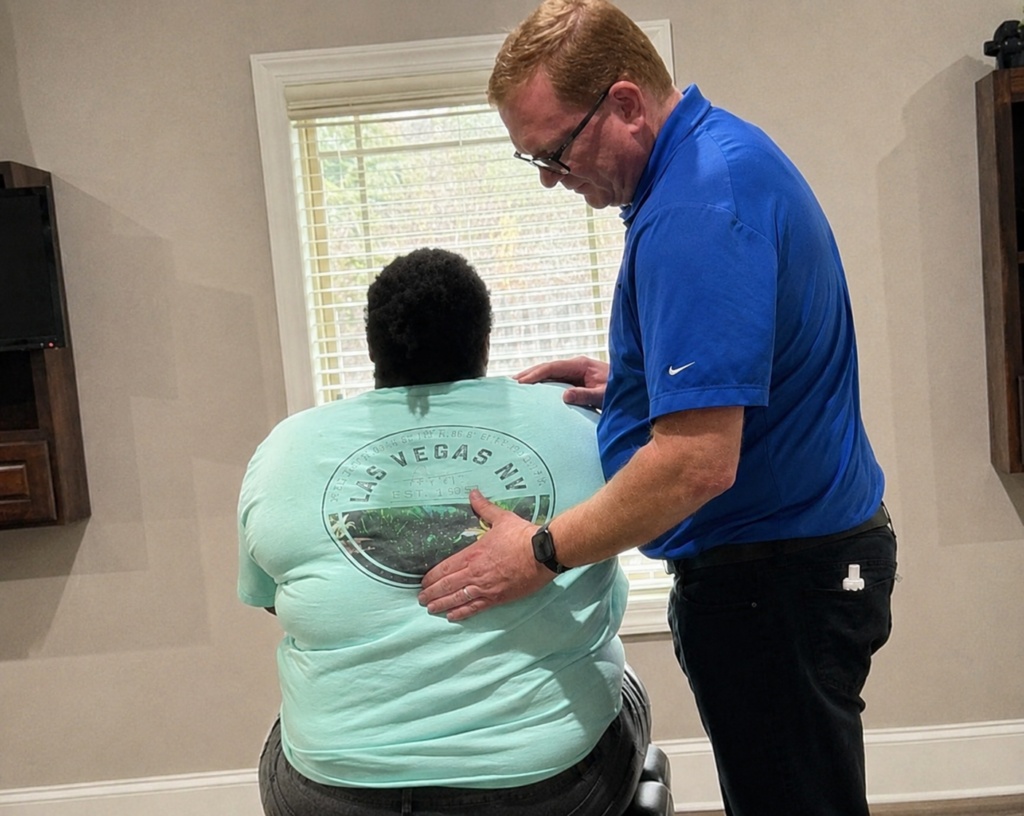

As your local chiropractor, I want to share how chiropractic adjustments can significantly enhance your flexibility. Many people may not realize that these adjustments are essential not just for aligning your spine, but also for improving joint mobility. When we perform an adjustment, we help relieve tension in the surrounding muscles, which in turn sets the foundation for more effective stretching routines.
By including chiropractic care in your flexibility program, you may notice that your body responds more positively to various flexibility techniques. However, it's important to understand that there's more to this journey than just adjustments. To truly maximize the benefits of chiropractic care, consider integrating additional strategies into your routine. This could involve targeted stretching exercises, proper hydration, and even nutrition that supports muscle health. What other methods are you currently using to complement your efforts in improving flexibility? Let's discuss how we can tailor a plan that works best for you!
Understanding Flexibility
Flexibility is often misunderstood; it's not just about the ability to touch your toes. As your local chiropractor, I want to emphasize that flexibility is a dynamic quality that plays a crucial role in both your physical and mental health. Many people think of flexibility as simply having loose muscles, but it encompasses much more.
It involves the range of motion in your joints, the elasticity of your muscles, and the overall health of your connective tissues. By improving your flexibility, you can enhance your body's ability to perform daily activities with greater ease while minimizing the risk of injury.
To truly understand flexibility, it's important to recognize the two main types: static and dynamic. Static flexibility is how far you can stretch a muscle when you're at rest, like when you reach down to touch your toes. Dynamic flexibility, however, refers to how well your muscles can perform active movements, such as swinging a leg or twisting your torso.
Both forms are essential for a balanced approach to fitness and overall well-being.
It's also important to note that flexibility isn't uniform throughout your body; some muscles may be tighter than others. As a chiropractor, I often see patients with restricted areas, such as the hips or shoulders.
It's vital to pay attention to these tight spots. A consistent stretching routine, combined with chiropractic adjustments, can help alleviate tension and promote better posture and alignment, allowing for a healthier, more active lifestyle.
Importance of Warm-Up
As a local chiropractor, I want to emphasize the critical role of a proper warm-up before engaging in any physical activity. Many individuals may not realize that taking a few minutes to warm up can significantly prepare your body for movement. A well-structured warm-up routine not only elevates your heart rate but also enhances blood circulation and raises your muscle temperature. These elements are vital in improving your performance and minimizing the risk of injuries.
When your muscles are adequately warmed, they become more pliable and responsive, which can greatly enhance your flexibility. This flexibility is important for maintaining proper alignment and function in your body, something we focus on in chiropractic care. Additionally, warming up stimulates your nervous system, which can lead to better coordination and quicker reaction times. You might find that with this heightened state of readiness, your body responds more favorably, allowing you to perform exercises with improved form and control.
A warm-up is also an excellent opportunity to mentally prepare yourself for your workout. It allows you to concentrate on your goals and cultivate the right mindset, which is essential for achieving optimal results. Engaging in light aerobic activities, such as jogging or cycling, followed by dynamic movements that relate to your workout, can create a solid foundation for success.
Incorporating a warm-up into your routine doesn't need to take up much of your time; even just 5 to 10 minutes can yield significant benefits. It's important to remember that skipping warm-ups is a common mistake that can lead to injuries and setbacks, something we see frequently in our practice.
Stretching Techniques
As your local chiropractor, it's important to educate you on how different stretching techniques can significantly improve your flexibility and overall well-being.
Dynamic stretching is an excellent way to warm up your muscles and prepare your body for physical activity, enhancing performance and reducing the risk of injury.
On the other hand, static stretching plays a crucial role in recovery, helping to increase your range of motion and promote relaxation after exercise.
Incorporating both dynamic and static stretching into your routine can create a balanced approach to flexibility.
I encourage you to consider these techniques as part of your natural healing process. Not only will they support your chiropractic care, but they'll also help you achieve a healthier, more active lifestyle.
Let's work together to explore how you can effectively integrate these methods into your daily activities.
Dynamic Stretching Benefits
As a local chiropractor, I want to share with you the importance of incorporating dynamic stretching into your routine, especially if you're looking to improve your overall health and performance. Dynamic stretching can significantly enhance your flexibility and prepare your body for physical activities, which is crucial for preventing injuries and promoting natural healing.
Unlike static stretching, which holds a position, dynamic stretching involves controlled movements that increase your heart rate and blood flow. This process helps to warm up your muscles and joints, making them more pliable and ready for action. By activating your muscles through these dynamic movements, you not only prepare your body for exercise but also improve coordination and balance, which are essential for agility during workouts or sports.
One of the key benefits of dynamic stretching is its role in injury prevention. By gradually increasing the intensity of your movements, you can reduce the risk of muscle strains and sprains.
Furthermore, dynamic stretching enhances your athletic performance by promoting better muscle efficiency and power output, which can lead to better outcomes in your physical activities.
I encourage you to try incorporating dynamic stretches such as leg swings, arm circles, or walking lunges into your warm-up routine. You may be surprised at how much these movements can boost your flexibility and overall performance.
Static Stretching Techniques
As a local chiropractor, I want to share with you the benefits of static stretching and how it can significantly enhance your flexibility and aid in muscle recovery after physical activity.
Static stretching is a technique where you hold a stretch for a set duration, usually between 15 to 60 seconds, allowing your muscles to lengthen gradually. This is particularly important in maintaining a healthy musculoskeletal system.
To effectively incorporate static stretching into your daily routine, focus on key muscle groups such as the hamstrings, quadriceps, shoulders, and hip flexors.
Before you begin stretching, it's essential to warm up your body with light aerobic activities for about 5 to 10 minutes. Once your body is warmed up, select a stretch for each major muscle group, ensuring that you feel a gentle pull without any pain.
For example, to stretch your hamstrings, try sitting on the floor with one leg extended and the other bent. Lean forward towards your toes and hold that position.
Breathing deeply throughout each stretch is crucial, as it helps to relax your muscles and enhances the effectiveness of the stretch. Don't forget to switch sides to ensure balanced flexibility.
I recommend performing static stretching at least three times a week, especially after your workouts. This simple practice not only improves your flexibility but also supports muscle recovery, reduces soreness, and enhances your overall performance.
Incorporating these techniques into your routine can complement the chiropractic care you receive, promoting a more holistic approach to your health and well-being.
If you have any questions or need guidance on specific stretches, feel free to ask during your next visit!
Incorporating Dynamic Movements
As a local chiropractor, I want to emphasize the importance of enhancing your flexibility through the incorporation of dynamic movements in your daily routine. Unlike static stretching, which holds a position for a period of time, dynamic movements involve active motions that not only improve your range of motion but also prepare your muscles for physical activity.
These movements are vital for increasing blood flow, warming up your joints, and enhancing your overall flexibility, which can contribute to better spinal health and body function.
Let's start with leg swings. You can do this by standing next to a wall or any sturdy surface for support. Swing one leg forward and backward, repeating this motion for 10 to 15 swings on each leg. This exercise is particularly effective for targeting your hip flexors and hamstrings, which are crucial for maintaining proper posture and mobility.
Next, I recommend trying arm circles. Extend your arms out to the sides and begin making small circles, gradually increasing the size of the circles. This simple movement is excellent for loosening up your shoulders and upper back, areas that often hold tension due to daily activities and poor posture.
Incorporating lunges with a twist into your routine can also be beneficial. Step forward into a lunge position, then rotate your torso towards the leg you have in front of you. This movement not only stretches your hip flexors but also promotes spinal mobility. Aim for 8 to 10 repetitions on each side to maximize the benefits.
Lastly, don't overlook the importance of high knees in your warm-up. As you march in place, lift your knees toward your chest while engaging your core. This explosive movement not only raises your heart rate but also enhances flexibility in your hips and legs, setting a strong foundation for your body's overall function.
By integrating these dynamic movements into your routine, you can unlock greater flexibility, improve your physical performance, and support your overall well-being.
Yoga for Flexibility
As a local chiropractor, I want to emphasize how yoga can be an invaluable tool in enhancing your flexibility and overall well-being. By integrating specific poses and sequences into your routine, you can effectively stretch your muscles and improve your range of motion, which is vital for maintaining a healthy spine and preventing injuries.
Let's start with a foundational pose like Downward Facing Dog. This position not only stretches your hamstrings, calves, and spine but also promotes better blood circulation, which is essential for spinal health.
Moving into Forward Fold can further enhance that stretch, helping to alleviate tension in your lower back and hamstrings, areas that often contribute to discomfort.
Incorporating Pigeon Pose into your practice can also be beneficial. It targets the hips and deep glutes, which are commonly tight due to our daily activities. By focusing on these areas, you can help reduce stiffness and improve mobility, making it easier for you to move through your daily life without pain.
As you practice these poses, remember to prioritize your breath. Inhale and exhale mindfully; this not only helps you relax into each stretch but also encourages your body to open up.
It's crucial to listen to your body and refrain from overexerting yourself. Flexibility is a gradual process, and consistency is key to achieving lasting results.
I recommend practicing yoga several times a week, even if it's just for a brief session. Over time, you'll likely notice improvements in your flexibility and overall health.
Consider joining a local class or exploring online tutorials to keep your practice fresh and engaging. The more you immerse yourself in these movements, the more comfortable you'll become, and soon, those challenging poses will feel more attainable.
This journey will lead you toward greater flexibility and balance, not only within your body but also in your daily life.
Foam Rolling Benefits
As a local chiropractor, I want to share with you the incredible benefits of foam rolling and how it can play a vital role in your overall health and wellness. Foam rolling regularly can significantly enhance your flexibility and aid in muscle recovery, making it a valuable addition to your self-care routine.
By incorporating foam rolling into your daily practice, you can effectively reduce muscle soreness and tension. This allows you to move more freely and comfortably throughout your day. The technique works by breaking down knots and tightness in your muscles, which helps improve blood circulation and promotes a quicker recovery after physical activity.
When you roll over tight muscles, you're essentially engaging in self-myofascial release. This process increases muscle elasticity and range of motion, two critical components for maintaining flexibility. As you address those tight areas, you may feel an immediate improvement in how your muscles function, enabling you to push harder during workouts and enhance your performance in everyday tasks.
Foam rolling also serves as an excellent enhancement to your warm-up and cool-down routines. By loosening muscles before exercise, you prepare your body for the physical demands ahead, which can significantly reduce your risk of injury. After exercising, foam rolling helps flush out metabolic waste and promotes relaxation, aiding in your body's recovery process.
Incorporating foam rolling into your routine is simple and doesn't require much time. You can practice it almost anywhere—whether at home or at the gym. Just a few minutes a day can lead to substantial improvements in your muscle health and overall flexibility.
Posture Adjustments
As a local chiropractor, I want to share with you how improving your flexibility through foam rolling can significantly enhance your posture, which is vital for your overall health and well-being.
When you maintain proper posture, you help alleviate strain on your muscles and joints, leading to more efficient movement and reducing the risk of pain and injury.
To start, it's essential to become aware of your posture throughout the day. Whether you're working at a desk, standing, or walking, take a moment to check in with your body.
Are your shoulders rounded or your head leaning forward? Make a conscious effort to align your ears over your shoulders and your shoulders over your hips. This simple adjustment can make a tremendous difference in how you feel.
Foam rolling can be an effective tool to target areas that often contribute to poor posture, such as tightness in the chest and shoulder muscles.
By gently rolling out these areas, we can release built-up tension and help your body return to a more natural alignment.
In addition, incorporating stretching into your daily routine is beneficial. Focus on stretches that open up your chest and strengthen your back, as they play a crucial role in maintaining good posture.
I also recommend integrating posture-specific exercises, such as wall angels or chin tucks, into your workouts.
These exercises are designed to reinforce proper alignment and strengthen the muscles that support your posture.
By being proactive about your posture and incorporating these techniques, you can significantly improve your alignment, comfort, and overall quality of life.
If you have questions or need guidance on how to implement these practices, feel free to reach out during your next visit.
Your journey to better posture and health starts here!
Muscle Recovery Strategies
As a local chiropractor, I want to emphasize how crucial muscle recovery is for improving your flexibility and overall well-being. Many people don't realize that proper recovery goes hand-in-hand with chiropractic care.
To support your recovery, it's vital to prioritize adequate rest, stay hydrated, and maintain a balanced diet. These foundational elements not only prepare your body for optimal performance but also enhance your healing process.
Moreover, incorporating effective stretching techniques can significantly contribute to muscle recovery and flexibility improvements. By working together, we can create a personalized approach that includes chiropractic adjustments and these recovery strategies to help you achieve your health goals.
Importance of Rest
As a local chiropractor, I want to emphasize the critical role that rest plays in your muscle recovery and overall flexibility. When you engage in physical activities, your muscles endure tiny tears, which is a normal part of the process of building strength. However, without sufficient rest, your muscles struggle to repair themselves properly. Ignoring the signals from your body can lead to fatigue, decreased performance, and even injuries, which can hinder your flexibility goals.
Incorporating rest days into your fitness routine is vital for allowing your muscles to recover, rebuild, and grow stronger. It's essential to listen to your body—feeling sore or fatigued is a clear indication that your body is signaling for a break.
Quality sleep is also crucial during recovery, as it's when your body actively heals and rejuvenates itself.
On your rest days, I recommend considering active recovery techniques such as gentle stretching or engaging in low-impact activities like walking or yoga. These practices can enhance blood flow without placing additional strain on your muscles.
Remember, achieving flexibility isn't solely about consistent stretching; it also requires a harmonious balance between exertion and recovery. Prioritizing rest will lead to noticeable improvements in your muscle function and overall flexibility over time.
As your chiropractor, I'm here to support you on this journey to optimal health and wellness.
Hydration and Nutrition
As your local chiropractor, I want to emphasize the crucial role that hydration and nutrition play in your muscle recovery and overall flexibility. When you engage in physical activity, your body needs the right resources to recover effectively and come back even stronger.
Here are four essential strategies to enhance your recovery and support your natural healing process:
- Stay Hydrated: It's important to drink water consistently throughout the day, particularly before, during, and after your workouts. Dehydration can lead to muscle cramps and impede your recovery efforts, so make hydration a priority.
- Prioritize Protein: After exercising, consuming protein is vital for repairing and building your muscle tissue. Look for sources like lean meats, dairy products, or plant-based proteins to fuel your recovery effectively.
- Incorporate Healthy Fats: Foods that are rich in Omega-3 fatty acids, such as fish and walnuts, are excellent choices. They help reduce inflammation and promote healing, which is essential for effective recovery.
- Balance Your Carbs: Carbohydrates are important for replenishing glycogen stores after exercise. Choose whole grains, fruits, and vegetables to provide your body with sustained energy and support your recovery process.
By focusing on these strategies, you can enhance your body's natural healing abilities and support your overall well-being.
Stretching Techniques Benefits
As a local chiropractor, I want to share the transformative benefits of stretching techniques for your muscle recovery and overall well-being. Many people may not realize that incorporating regular stretching into your routine can significantly enhance your flexibility and lower the risk of injuries.
When you stretch, you promote better blood circulation throughout your body, which is essential for delivering vital nutrients to your muscles. This improved circulation not only accelerates recovery after physical activity but also helps reduce muscle soreness, allowing you to feel better post-workout.
Before engaging in any exercise, dynamic stretching can effectively warm up your muscles, preparing them for the demands of physical activity and reducing the likelihood of strains. Conversely, post-workout static stretching is crucial for lengthening tight muscles, which can enhance your flexibility and lead to improved performance in your subsequent workouts.
Moreover, stretching techniques can play a pivotal role in alleviating tension within your muscles and joints, providing much-needed relief from discomfort. By dedicating time to stretch, you're not only enhancing your physical capabilities but also nurturing a deeper mind-body connection. This connection can boost your focus and motivation, making it easier to remain committed to your fitness goals.
Incorporating a variety of stretching techniques into your daily regimen can lead to noticeable improvements in how your body feels and performs.
Consistency Is Key
As a local chiropractor, I often emphasize the importance of flexibility in maintaining overall health and wellness. Enhancing your flexibility isn't just about occasional stretching; it requires a commitment to consistency.
When you integrate flexibility exercises into your daily routine, you'll likely experience improvements in your range of motion, posture, and even alleviate some discomfort. Here are some strategies to help you stay committed:
- Establish a Routine: Just like scheduling an appointment with me for your chiropractic care, set aside specific days and times dedicated to stretching. This structure will help you prioritize your flexibility practice.
- Start Gradually: If you're new to stretching, it's essential to ease into it. Begin with shorter sessions to avoid overexertion. As your body becomes accustomed, you can gradually increase both the duration and intensity of your stretches.
- Diversify Your Approach: Incorporate a variety of stretches that target different muscle groups. This not only keeps your routine engaging but also ensures that you're addressing your body's unique needs.
- Monitor Your Progress: Consider keeping a journal or using an app to track your flexibility journey. Documenting your improvements can be incredibly motivating and serves as a reminder of the benefits you're gaining.
By making flexibility a consistent part of your lifestyle, you'll enhance your overall health and support the chiropractic care you receive.
Let's work together to help you achieve your wellness goals!
Setting Realistic Goals
As a chiropractor, I often emphasize the importance of enhancing flexibility for overall health and wellness. One of the most effective ways to achieve this is by setting realistic goals. Before diving into a new stretching routine, it's crucial to assess your current flexibility level and pinpoint specific areas that need improvement.
Instead of setting an ambitious target, like mastering a full split in just a week, I recommend breaking your goals down into smaller, more achievable milestones. For example, aim to increase your hamstring stretch by a few inches over the next month. This method allows you to see tangible progress, which can keep your motivation high.
To make your flexibility journey more manageable, consider breaking your overall goals into daily or weekly tasks. If your aim is to improve your flexibility, you might commit to a stretching routine three times a week. It's important to choose a schedule that fits seamlessly into your daily life, enhancing your chances of sticking with it. Consistency is critical, and having a structured approach can make all the difference in your progress.
Moreover, it's essential to remain adaptable with your goals. If you find that you're not making progress as quickly as you'd hoped, it's perfectly okay to adjust your expectations. Recognizing that some areas may take longer to improve is part of the journey.
Celebrate your small victories along the way, whether it's holding a stretch for a longer duration or noticing less tightness after your workouts.
Lastly, I encourage you to keep a journal to monitor your progress. Recording your achievements not only helps you stay accountable but also serves as a valuable reminder of how far you've come.
Conclusion
As your local chiropractor, I want to share how incorporating chiropractic adjustments into your flexibility routine can significantly enhance your progress. Many people may not realize that these adjustments can improve joint mobility and reduce muscle tension, which are crucial for effective stretching and movement.
Think of chiropractic care as a complement to your flexibility efforts. By aligning your spine and joints, we help facilitate better movement patterns, making your stretches more effective. Consistency is key to seeing results, so I encourage you to make chiropractic adjustments a regular part of your wellness regimen.
Set realistic flexibility goals, and together we can track your progress. As you embrace this holistic approach to health, you'll likely notice improvements not just in your flexibility, but also in your overall physical performance and well-being. Let's work together to help you achieve your flexibility goals!