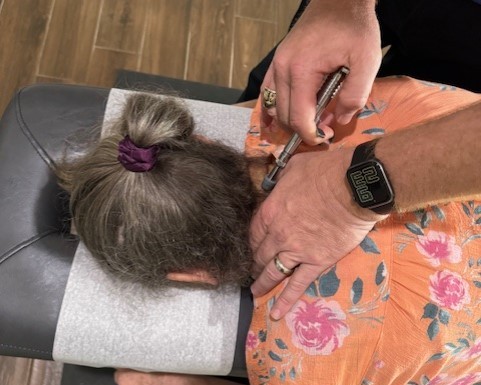
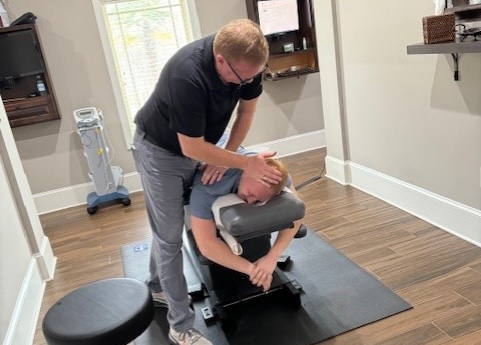
As a local chiropractor, I understand that many of you have likely dealt with nagging back pain at some point in your life. It's completely normal to feel frustrated when discomfort strikes, but I want to encourage you to explore healthier, more natural ways to find relief without compromising your mental well-being.
Chiropractic care emphasizes the important connection between the mind and body. By incorporating simple practices like regular stretching, maintaining proper ergonomics, and receiving adjustments, you can significantly improve both your physical comfort and mental clarity.
So, what specific strategies can you implement to support your overall health? You might be surprised to learn how effective mindful practices, such as deep breathing and gentle movement, can be in alleviating pain. By prioritizing your body's alignment and overall wellness, you're taking a proactive step towards a more balanced life. Let's work together to uncover the best approaches for your unique needs and help you regain your vitality!
Understanding Back Pain
As a local chiropractor, I often encounter patients who are experiencing back pain, a prevalent issue that can arise from a variety of causes. It's important to understand what's happening in your body to find effective relief. You may feel discomfort in your lower, middle, or upper back, and pinpointing the source of this pain is crucial in addressing it.
Common culprits of back pain include muscle strain, poor posture, herniated discs, and degenerative conditions. For instance, sitting for extended periods without adequate support can weaken your muscles, leading to discomfort. You may also notice tension accumulating after lifting heavy objects or engaging in physical activities. By understanding how your spine works, we can identify how specific movements or positions may be contributing to your pain.
In some cases, underlying conditions such as arthritis or scoliosis can exacerbate your discomfort. I encourage you to pay attention to what triggers your pain—whether it's bending, twisting, or even standing still. This awareness can be instrumental in making lifestyle changes that prevent further strain on your back.
Regular exercise is a vital component of maintaining a healthy back. Strengthening your core muscles provides better support for your spine, decreasing the risk of injury. Incorporating stretching into your routine can also enhance flexibility, which is essential for overall spinal health.
If your pain persists or worsens, I strongly recommend consulting a healthcare professional like myself. We can provide personalized advice and treatment options tailored to your unique situation.
Taking proactive steps now can lead to a more comfortable and active life, free from the limitations of back pain. Remember, natural healing through chiropractic care can be a powerful ally in your journey to wellness.
The Mind-Body Connection
As a local chiropractor, I want to highlight the vital connection between your body and mind. Many people don't realize how intertwined these two aspects of our being really are.
For instance, physical tension often arises from stress, which can negatively impact not only your emotional well-being but also your posture and overall physical health.
By gaining a deeper understanding of this connection, you can take proactive steps to enhance both your mental and physical wellness.
Chiropractic care focuses on aligning the spine and optimizing nervous system function, which can help alleviate physical tension and reduce stress.
Together, we can work towards a holistic approach that fosters healing and balance in both your body and mind.
Physical Tension and Stress
As a chiropractor, I want to share some important insights about how physical tension in your body and stress in your mind are closely linked. Many people don't realize that when you feel stressed, your body often responds by tensing up. You might find yourself experiencing tight shoulders, a stiff neck, or even headaches as a result.
This tension can create a harmful cycle, where discomfort in your body increases feelings of anxiety and stress. Understanding this connection is crucial for your overall well-being.
When you recognize that stress can manifest physically, you can take proactive steps to manage both aspects. Simple techniques like deep breathing, gentle stretching, or engaging in physical activities can effectively help release that built-up tension.
Additionally, be mindful of your posture; slouching can contribute to feelings of heaviness and anxiety, making it even more important to maintain a healthy alignment.
As you explore chiropractic care, know that we focus on addressing these physical tensions to help alleviate stress and promote a healthier, more balanced life.
Let's work together to find natural healing solutions that can enhance your well-being.
Emotional Well-being and Posture
As a local chiropractor, I want to emphasize the important connection between your physical posture and emotional well-being. Many people don't realize that physical tension isn't just a side effect of stress; it can significantly influence how you feel mentally and emotionally.
When you find yourself slouching or adopting a closed-off posture, it can lead to increased feelings of anxiety or depression. Your body language communicates with your brain, which in turn affects your mood and energy levels.
To enhance your emotional state, I encourage you to start paying attention to your posture. By straightening your back and opening up your chest, you can foster feelings of empowerment and positivity. You may notice that when you sit up tall or stand strong, your confidence tends to increase.
On the other hand, poor posture can reinforce negative emotions, creating a cycle of discomfort and unease that can be hard to break.
Incorporating mindfulness into your posture adjustments can further strengthen the connection between your mind and body. Take a moment to breathe deeply, align your spine, and visualize positive energy flowing through you.
Regularly checking in with your body allows you to recognize when tension starts to build, enabling you to address it before it negatively impacts your emotions.
As a chiropractor, I believe that by focusing on your posture and making simple changes, you can't only alleviate physical discomfort but also promote a healthier emotional state.
Let's work together to create a holistic approach to your well-being.
Stretching Techniques for Relief
As a chiropractor, I often see patients seeking relief from back pain, and I want to share some effective stretching techniques that can help ease tension and enhance flexibility. Incorporating these stretches into your daily routine can make a significant difference in how you feel.
Let's start with the cat-cow stretch. To perform this, get on all fours on a comfortable surface. Arch your back upwards like a cat, then gently lower it while lifting your head and tailbone. This movement not only helps stretch your spine but also warms up your back muscles, preparing them for more activity.
Another beneficial stretch is the child's pose. Kneel on the floor, then sit back on your heels and stretch your arms forward while lowering your torso. Hold this position for 20-30 seconds. This stretch is fantastic for elongating your spine and relieving tightness in your back.
The seated forward bend is also excellent for providing relief. Sit with your legs extended in front of you and slowly bend forward, reaching for your toes. If you can't reach them right away, that's perfectly fine—just go as far as is comfortable for you. This stretch effectively targets your lower back and hamstrings, promoting overall flexibility.
Don't overlook the standing side stretch, either. Stand tall, raise one arm overhead, and lean to the opposite side. Hold for a few breaths, then switch sides. This stretch opens up your sides and releases tension from your back, which is crucial for maintaining good posture.
Incorporating these techniques into your daily routine, especially during breaks, can significantly alleviate discomfort and promote better posture.
Always listen to your body and remember to never push beyond your limits. If you have any concerns or experience persistent pain, I encourage you to reach out for a consultation to discuss how chiropractic care can support your journey to better health.
Benefits of Regular Movement
As a chiropractor, I want to emphasize how incorporating regular movement into your daily routine can significantly enhance your overall health and well-being. When you prioritize physical activity, you may experience noticeable improvements in your energy levels and mood. Even short bouts of movement can trigger the release of endorphins, which are natural stress relievers, helping to alleviate anxiety and tension.
Remember, this isn't solely about hitting the gym; it's about finding creative ways to stay active throughout your day. Integrating movement into your lifestyle not only benefits your physical health but also supports your spine and nervous system. Regular activity helps strengthen your muscles, improve flexibility, and ensure your cardiovascular system is functioning optimally.
By keeping your body engaged and moving, you're less likely to experience discomfort, like back pain or stiffness, which many of my patients commonly report. Additionally, consistent movement can help maintain a healthy weight and reduce the risk of chronic conditions.
You'll likely discover that regular movement also enhances your mental clarity and boosts productivity. When you take time to stretch or walk, you give your mind a much-needed break, which can enhance creativity and problem-solving abilities. This is particularly beneficial for your daily responsibilities, whether at home or work.
Moreover, movement can foster a sense of community and connection. Whether you join a local fitness class, engage in a sport, or simply take a stroll with friends, you not only improve your physical health but also strengthen social ties that make life more enjoyable. Engaging in activities with others can provide motivation and support, making the journey towards better health more fulfilling.
Mindful Practices for Stress Relief
As a local chiropractor, I often see patients who are overwhelmed by stress and its impact on their overall well-being. One effective way to manage stress is by focusing on your breath. Incorporating breathing techniques and meditation into your daily routine can significantly help in calming both your mind and body.
In my practice, I emphasize the importance of these mindful practices as part of a holistic approach to health. When you learn to tune into your breath, you activate your body's natural relaxation response, reducing tension and promoting a sense of peace.
Let's explore how integrating these techniques alongside chiropractic care can enhance your journey towards stress relief and improve your overall health.
Breathing Techniques
As a local chiropractor, I often emphasize the importance of holistic approaches to managing stress and overall well-being. One of the simplest yet most effective methods I recommend to my patients is mastering breathing techniques. Amid the chaos of daily life, focusing on your breath can significantly enhance your mental clarity and help you remain grounded.
Let's start with deep diaphragmatic breathing. This technique isn't only beneficial for stress relief, but it also supports proper posture and spinal alignment, which are crucial in chiropractic care. To practice this, inhale slowly through your nose for a count of four, allowing your abdomen to expand fully. Hold your breath for just a moment, then exhale gently through your mouth for a count of six. Repeating this a few times can help lower your stress levels and promote a sense of calm.
Another effective technique is box breathing. Imagine a box: inhale for four seconds, hold that breath for another four seconds, exhale for four seconds, and then hold again for four seconds. This rhythmic breathing pattern can help calm your nervous system, making it easier to face daily challenges and maintaining better posture throughout the day.
Additionally, I encourage patients to try the 4-7-8 breathing technique. Inhale for four seconds, hold your breath for seven seconds, and then exhale for eight seconds. This method not only reduces anxiety but can also improve your sleep, which is essential for recovery and overall health.
Incorporating these breathing techniques into your daily routine serves as a powerful tool for stress relief and can complement the benefits of chiropractic care. They allow you to navigate your day with greater clarity and calm, ultimately supporting your journey toward natural healing and wellness.
Meditation Practices
Meditation is an invaluable tool that can complement your chiropractic care by fostering mindfulness and effectively managing stress. By setting aside just a few minutes each day, you can create a nurturing environment for your mind and body.
Begin by finding a quiet spot where you can relax without interruptions. Sit comfortably, close your eyes, and turn your attention to your breath. Inhale deeply through your nose, hold it for a moment, and exhale slowly through your mouth. This straightforward practice helps ground you in the present, which is essential for both mental and physical well-being.
Guided meditations are also a great option for those who may be new to the practice. You can easily find these resources through various apps or online platforms, and they provide helpful structure to keep you engaged.
During your meditation, allow any thoughts that arise to pass by without judgment. Remember, it's perfectly normal for your mind to wander; simply redirect your focus back to your breath.
Incorporating mindfulness into your everyday activities can significantly enhance the benefits of your chiropractic treatment. Whether you're enjoying a cup of tea or taking a leisurely walk, strive to be fully present in those moments.
Over time, you'll discover that meditation not only alleviates stress but also promotes overall well-being, which is essential for maintaining a healthy spine and nervous system.
Ergonomics in Daily Life
As a local chiropractor, I want to emphasize the importance of your workspace setup in relation to your overall comfort and health. Many people overlook the concept of ergonomics, believing it only pertains to expensive furniture, but in reality, it's about constructing an environment that supports your body and promotes your well-being.
Start by adjusting your chair so that your feet rest flat on the floor and your knees form a 90-degree angle. If your desk is positioned too high or low, it can create unnecessary strain on your neck and back, leading to discomfort and potential long-term issues.
Next, pay attention to your monitor's placement. Ideally, the top of your screen should be at eye level and about an arm's length away. This positioning helps minimize strain on your eyes and neck. If you find yourself constantly tilting your head down or craning your neck, it's only a matter of time before you start feeling discomfort.
Your keyboard and mouse should also be within easy reach. Keeping them close helps prevent overstretching, which can lead to wrist discomfort and other repetitive strain injuries.
Additionally, I can't stress enough the importance of taking regular breaks to stretch and move around. Sitting for long periods can have detrimental effects on your health. I recommend standing up, walking around, or doing some gentle stretches every hour to promote good circulation and keep your muscles engaged.
Lastly, consider decluttering your workspace. A clean and organized environment not only reduces stress but also minimizes distractions.
By implementing these simple ergonomic adjustments, you'll likely notice a significant improvement in your physical comfort and productivity. Remember, ergonomics is about more than just comfort; it's about creating a workspace that empowers you to work efficiently and maintain your health.
If you have any questions or need further assistance, don't hesitate to reach out—your well-being is our priority!
Breathing Exercises for Calmness
In our fast-paced world, it's common to feel overwhelmed and stressed. As a chiropractor, I want to emphasize the importance of incorporating breathing exercises into your daily routine to promote a sense of calm and well-being. These techniques not only help with relaxation, but they also support your overall health and can complement the benefits of chiropractic care.
Let's start with the 4-7-8 technique. This method involves inhaling deeply through your nose for a count of four, holding your breath for seven counts, and then exhaling slowly through your mouth for eight counts. This simple practice can help calm your nervous system, making it easier to cope with daily challenges. I recommend repeating this cycle four times, especially during stressful moments, to enhance your body's natural ability to heal and restore balance.
Another beneficial technique is diaphragmatic breathing. Find a comfortable position, whether sitting or lying down, and place one hand on your chest and the other on your belly. Inhale deeply through your nose, allowing your belly to rise while keeping your chest relatively still. As you exhale slowly through your mouth, feel your belly fall. This practice encourages relaxation and fosters a deeper connection with your body, which is essential for maintaining spinal health and overall wellness.
You might also find box breathing helpful, especially if you need quick stress relief. Inhale for four counts, hold your breath for four counts, exhale for four counts, and hold again for four counts before repeating the cycle. This rhythmic breathing pattern can ground you and clear your mind, allowing you to better focus on the healing process.
Incorporating these breathing exercises into your routine not only promotes calmness but also enhances the effectiveness of your chiropractic treatments. By learning to manage your stress and connect with your body, you can pave the way for improved health and vitality.
Yoga for Back Health
As a local chiropractor dedicated to educating my patients about natural healing methods, I want to emphasize the importance of incorporating breathing exercises and yoga into your routine for optimal back health. These practices are powerful tools that can complement chiropractic care by strengthening the muscles that support your spine, improving flexibility, and relieving built-up tension.
Begin your journey with gentle stretches, such as the Cat-Cow and Child's Pose. These poses are perfect for warming up your spine and alleviating stiffness. As you become more comfortable, you can progress to poses like Downward Dog and Cobra, which not only stretch but also strengthen the back muscles, enhancing stability and support for your spine.
It's essential to maintain balance in your practice. Consider including poses like Tree and Warrior II, which help develop core strength—an important factor in reducing the risk of back injuries. A strong core provides essential support for your spine, which is crucial for overall back health.
Make sure to incorporate restorative poses such as Savasana into your practice. This allows your body to relax and absorb the benefits of your yoga session fully.
I recommend establishing a consistent practice, aiming for at least two to three yoga sessions a week, even if they're brief. This commitment will lead to improvements in your posture, a reduction in back pain, and an overall enhanced sense of well-being. Always listen to your body; if a pose doesn't feel right, it's perfectly okay to modify or skip it.
If you're unsure where to start, I encourage you to find a local class or follow online tutorials. This can help you stay motivated and connect with a community of individuals on a similar journey.
Embrace yoga as a proactive step toward better back health, and remember that it's a wonderful addition to the comprehensive care that chiropractic provides. Together, we can work towards a healthier, more mindful lifestyle.
Self-Care Strategies for Balance
As a local chiropractor, I want to emphasize the importance of achieving balance in life through intentional self-care strategies that support both your physical and mental well-being.
Integrating chiropractic care with simple practices can enhance your overall health and harmony. Here are some strategies I encourage you to consider:
- Mindfulness Meditation: Just a few minutes of meditation can significantly clear your mind and alleviate stress. Focus on your breath and let distractions fade away. This practice not only benefits your mental state but also complements the physical adjustments you receive in our office.
- Regular Exercise: Engaging in physical activity, whether it's a brisk walk or a structured workout, is crucial for boosting your mood and enhancing your overall health. Regular movement helps keep your spine healthy and can prevent discomfort, making it easier for you to enjoy daily activities.
- Adequate Sleep: The importance of a good night's sleep can't be overstated. Aim for 7-9 hours each night to allow your body and mind to recover and rejuvenate. Proper sleep enhances the effectiveness of chiropractic adjustments and supports your healing process.
- Healthy Eating: Fuel your body with balanced meals that include plenty of fruits, vegetables, whole grains, and lean proteins. What you eat significantly impacts your mental clarity and energy levels, which can influence how your body responds to chiropractic care.
By implementing these self-care strategies consistently, you can maintain balance and promote a sense of well-being.
Remember, taking care of yourself isn't selfish; it's essential for both your mental and physical health. By making these practices a regular part of your life, along with your chiropractic visits, you'll find it easier to navigate challenges and maintain your overall well-being.
Conclusion
As a chiropractor, I want to share with you how incorporating mindful practices into your daily routine can significantly impact your experience with back pain. It's essential to recognize the connection between your mind and body. When you understand how they interact, you can better manage discomfort and improve your overall well-being.
I encourage you to explore effective stretching techniques and make ergonomics a priority in your workspace and daily life. Simple adjustments can make a world of difference in how your body feels. Regular movement is vital—whether it's a short walk, breathing exercises, or even engaging in yoga. These activities not only support your physical health but also foster mental clarity and resilience.
Remember, taking care of both your body and mind is crucial for pain management and maintaining a sense of balance in your life. Embrace these strategies, and you may find that relief and resilience are within your reach. If you have any questions or need personalized guidance, I'm here to help you on your journey to better health through chiropractic care and natural healing.