
As a local chiropractor, I understand how debilitating back pain can be and the significant impact it can have on your daily life. Many of you may be unfamiliar with the various effective techniques that can provide relief from this discomfort. It's important to explore a range of approaches, from lifestyle modifications to targeted exercises that can promote healing.
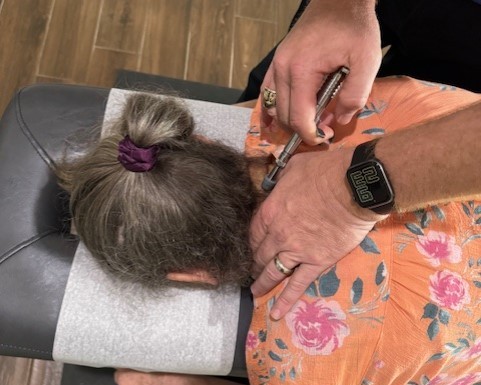
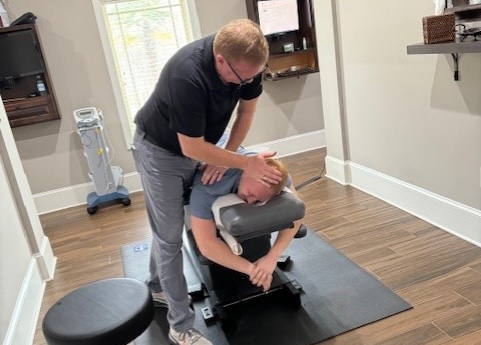
One of the first methods I often recommend is the use of heat and cold therapy. Applying heat can help relax tight muscles, while cold therapy can reduce inflammation and numb sharp pain. Additionally, manual therapies, such as chiropractic adjustments, can realign your spine and alleviate pressure on nerves, which plays a crucial role in your recovery.
Mindfulness practices, including meditation and deep-breathing exercises, can also be beneficial in managing pain and reducing stress, which often exacerbates discomfort. Understanding which of these techniques resonates with you is key to finding effective relief. Together, we can explore these methods and identify a personalized plan that works for your unique situation. Your journey to a pain-free life starts here!
Understanding Back Pain
Have you ever found yourself grappling with back pain and wondered what might be causing it? You're certainly not alone; this is a widespread issue that affects countless individuals at various stages of life.
As a chiropractor, I believe that understanding the root causes of your back pain is essential for effective management and relief.
Back pain can arise from several factors, and one of the most common culprits is muscle strain. This often happens when you lift something heavy or make an awkward movement, leading to inflammation and tightness in your back muscles. It can be quite uncomfortable, but the good news is that with chiropractic care, we can help relieve that tension and restore proper function.
Another frequent cause of back pain is poor posture, especially for those who spend long hours sitting at a desk or hunched over a computer. This misalignment can put undue stress on your spine, contributing to chronic pain over time.
As your chiropractor, I can work with you on techniques to improve your posture and reduce that strain on your back.
Age also plays a significant role in back pain. As we age, the discs in our spine can begin to degenerate, which can lead to discomfort and a limited range of motion. Conditions such as arthritis or herniated discs are also common and can exacerbate pain.
Identifying the specific cause of your discomfort is crucial; this is where we can tailor a treatment plan to suit your needs.
Additionally, it's essential to recognize that psychological factors like stress and anxiety can manifest as physical pain. The mind and body are interconnected, and emotional strain can lead to muscle tension.
By acknowledging these various causes, we can take a comprehensive approach to address your back pain.
At our clinic, we focus on natural healing methods that not only target the symptoms but also promote overall well-being.
Together, we can explore effective relief techniques that will empower you to manage your back pain and improve your quality of life.
Lifestyle Modifications
As a local chiropractor, I want to share some simple lifestyle modifications that can significantly alleviate your back pain. By paying attention to your posture, engaging in regular exercise, and managing your weight, you can create a healthier environment for your spine. These strategies not only help relieve discomfort but also promote overall well-being.
First, let's talk about posture. Poor posture can lead to misalignment of the spine, causing pain and discomfort. I encourage you to be mindful of your posture throughout the day, whether you're sitting at a desk or lifting objects. Simple adjustments can make a big difference.
Next, regular exercise is crucial. Incorporating activities that strengthen your core and improve flexibility can help support your spine and reduce pain. I recommend low-impact exercises like walking, swimming, or yoga, which are gentle on the body while still offering significant benefits.
Lastly, managing your weight is important for spinal health. Excess weight can put additional strain on your back, leading to pain and discomfort. By maintaining a healthy weight through balanced nutrition and regular physical activity, you can help protect your spine.
I invite you to explore these strategies further and consider how they can fit into your daily routine. Together, we can work towards a pain-free and more active life.
Posture Improvement Techniques
As a local chiropractor, I want to share how improving your posture can significantly enhance your everyday comfort and help alleviate back pain. Many people are unaware of how their daily habits impact their spinal health. It begins with being mindful of how you sit, stand, and move throughout your day.
When seated, ensure that your feet are flat on the ground, your knees form a right angle, and your back is well-supported by your chair. If necessary, use a small cushion to help maintain the natural curve of your spine. This simple adjustment can make a world of difference.
While standing, try to distribute your weight evenly across both feet and keep your shoulders back. It's crucial to avoid leaning or slouching, as these postures can put undue strain on your back. When lifting objects, always remember to bend at your knees and keep the load close to your body. Your legs are your strongest muscles, and they should do the heavy lifting for you.
Additionally, consider adjusting your workspace to support better posture. Position your computer screen at eye level to prevent hunching over, and if you frequently use your phone, hold it at eye level rather than looking down.
It's also essential to take regular breaks to stretch and move around. These small yet effective changes can lead to significant improvements in your posture and help alleviate back pain.
Prioritizing your posture isn't just about immediate comfort; it's a vital step toward long-term spinal health. As your chiropractor, I encourage you to adopt these habits for a healthier, pain-free life.
Regular Exercise Routines
As a chiropractor, I often emphasize the importance of incorporating regular exercise into your daily routine to enhance your overall health, especially when it comes to improving posture and alleviating back pain. Engaging in enjoyable activities such as walking, swimming, or yoga can significantly strengthen your core muscles, which are vital in supporting your spine. I recommend aiming for at least 30 minutes of moderate exercise on most days to reap these benefits.
When selecting exercises, it's crucial to focus on low-impact options that won't put additional strain on your back. Stretching should also be a key component of your routine; it helps maintain flexibility and prevents stiffness. Be sure to include stretches that target your back, hips, and legs, as this will improve your overall mobility.
Incorporating strength training can be beneficial for building muscle around your spine, but I advise caution with heavy lifting or high-impact exercises, as these could worsen your pain. Always listen to your body—if you experience discomfort during any activity, it's important to stop and consult a professional, like a chiropractor, who can guide you on safe practices.
Additionally, consider incorporating balance and stability exercises into your regimen. These can enhance your coordination and reduce the risk of falls, which is especially important as we age.
By committing to a regular exercise routine, you can't only alleviate any existing back pain but also fortify your body against future issues. Make movement a priority in your life, and you'll likely notice a significant improvement in your overall well-being.
Weight Management Strategies
As a chiropractor dedicated to your overall well-being, I want to emphasize how important effective lifestyle modifications can be for managing your weight and alleviating back pain. One of the key components is adopting balanced nutrition. Focus on incorporating whole foods into your diet—think fruits, vegetables, lean proteins, and whole grains. Not only does this approach support weight loss, but it also provides the essential nutrients your spine and muscles need to function properly.
Another critical aspect is being mindful of portion sizes. Consuming smaller, more frequent meals can help prevent overeating and keep your energy levels stable throughout the day. Don't forget the importance of hydration; drinking plenty of water can help control hunger and support your body's vital functions.
Engaging in regular physical activity is also essential for your health. I recommend aiming for at least 150 minutes of moderate aerobic activity each week, alongside strength training exercises at least two times a week. This combination not only helps you maintain a healthy weight but also relieves pressure on your back, which is crucial for your spinal health.
Finally, don't underestimate the impact of stress on your body. Stress can lead to unhealthy eating habits, which can hinder your weight management efforts. I encourage you to explore stress management techniques, such as yoga or meditation. These practices can promote relaxation and support your journey toward better health and back pain relief.
Stretching and Strengthening Exercises
As a local chiropractor, I often see patients who are struggling with back pain and a lack of mobility. One of the most effective ways to address these issues is through stretching and strengthening exercises. These practices not only help alleviate pain but also enhance overall movement and well-being.
To begin, it's essential to incorporate gentle stretching into your daily routine. Focus on areas such as your hamstrings, hip flexors, and lower back. Simple movements like the cat-cow stretch or child's pose can be incredibly beneficial in releasing tension. I recommend holding each stretch for about 20-30 seconds while breathing deeply to encourage relaxation.
Ideally, aim to perform these stretches at least once a day, particularly after extended periods of sitting.
Once you've become comfortable with stretching, it's time to introduce some strengthening exercises. Strengthening your core muscles is crucial, as they provide support for your spine. Exercises like planks, bridges, and bird-dogs are excellent choices for building strength without placing excessive strain on your back.
I suggest starting with two to three sets of 10-15 repetitions for each exercise, gradually increasing the intensity as your strength improves.
It's important to listen to your body; if you experience any pain during these movements, please stop and consult with a healthcare professional. Consistency is vital for success—try to dedicate at least 15-30 minutes each day to your stretching and strengthening routine.
Over time, you'll likely notice a significant improvement in your back pain and overall health. Remember, it's not just about pain relief; it's about enhancing your quality of life through improved movement and strength. Embracing these practices can lead to a healthier, more active lifestyle.
Heat and Cold Therapy
As a local chiropractor, I often see patients who are struggling with back pain and may not yet be familiar with the benefits of chiropractic care and natural healing methods.
One of the most effective approaches to managing back discomfort is through heat and cold therapy.
Heat therapy is a wonderful tool that can help relax tight muscles and enhance circulation in the affected area. This increased blood flow can promote healing and alleviate tension.
On the other hand, cold therapy is equally important, as it helps reduce inflammation and can numb sharp pain, providing immediate relief.
By understanding how to properly utilize both heat and cold therapy, you can take significant steps towards managing your pain.
I encourage you to explore these methods alongside your chiropractic care for optimal results in your healing journey.
Benefits of Heat Therapy
As a local chiropractor, I want to share with you the incredible benefits of heat therapy for relieving back pain. Many of my patients have found that applying heat to their back can provide soothing relief. When you introduce heat to the affected area, it increases blood flow, which helps deliver essential nutrients and oxygen that your muscles need for healing. This improved circulation not only relaxes tight muscles but also eases stiffness, offering you immediate comfort.
One of the great things about heat therapy is its versatility. You can use various methods such as heating pads, hot water bottles, or even warm towels to target specific sore spots. Whether you're at home, in the office, or even out and about, these options make it easy to incorporate heat therapy into your daily routine. Many of my patients also find that soaking in a warm bath can further enhance relaxation and significantly reduce pain.
Heat therapy isn't just for immediate relief; it can also play a vital role in managing chronic pain. If you experience ongoing discomfort, adding heat therapy to your routine can be transformative. It's particularly effective for muscle strains, sprains, and tension-related back pain.
I always advise my patients to apply heat for 15 to 20 minutes at a time and to allow their skin to cool down between applications.
I encourage you to embrace heat therapy as a simple yet powerful tool for alleviating back pain. It's a natural approach that can complement chiropractic care, helping you achieve the relief you've been searching for. If you have any questions or would like to learn more about how we can work together on your healing journey, feel free to reach out!
Advantages of Cold Therapy
As a local chiropractor, I often see patients who aren't familiar with the various natural healing methods available for managing back pain. One such method that can be incredibly effective is cold therapy.
While many people are aware of the benefits of heat therapy for muscle tension, cold therapy has its own unique advantages that can significantly aid in your recovery, especially after an injury or during painful flare-ups.
Let me share three key benefits of using cold therapy for back pain relief:
- Reduces Inflammation: By applying cold packs to the affected area, you can constrict blood vessels, resulting in decreased swelling and inflammation. This is particularly beneficial after an injury, as it helps to control the initial response of your body.
- Numbs Pain: The cold temperature acts as a natural anesthetic, numbing sharp pain signals that travel to your brain. This provides immediate comfort and can help you manage your pain more effectively.
- Slows Down Nerve Activity: Cold therapy can slow down nerve activity in the area where you're experiencing discomfort. This reduction in nerve response can help alleviate the sensation of pain, offering you a reprieve from your symptoms.
To incorporate cold therapy into your pain management routine, I recommend applying a cold pack or ice wrapped in a cloth to your back for about 15-20 minutes.
It's important to take breaks between applications to prevent any skin damage. By integrating cold therapy into your self-care practices, you can better manage your back pain and improve your overall comfort.
If you have any questions about how cold therapy can fit into your treatment plan or if you're interested in exploring other natural healing options, feel free to reach out during your next visit!
Manual Therapies
As a local chiropractor, I want to take a moment to educate you on the benefits of manual therapies in managing back pain. If you're seeking relief from discomfort, you might be surprised at the variety of hands-on techniques we offer, designed to help you feel better and enhance your overall well-being.
Chiropractic adjustments are perhaps the most recognized form of manual therapy. During your visit, I'll gently manipulate your spine and joints to correct any misalignments. This process can significantly reduce pain and improve your range of motion, allowing you to return to your daily activities with greater ease.
If muscle tension is a concern for you, I encourage you to consider massage therapy as well. Our skilled massage therapists are trained to target specific muscle groups, helping to release built-up tension and promote relaxation throughout your body.
Another approach worth exploring is osteopathy. While it shares similarities with chiropractic care, osteopathy places a greater emphasis on the interconnectedness of your body's systems. This holistic perspective can be particularly beneficial for those dealing with chronic back pain.
Physical therapy is also an essential component of managing back pain. Our licensed physical therapists utilize manual techniques alongside personalized exercises to strengthen your back muscles and help prevent future injuries.
Before embarking on any manual therapy journey, I always recommend consulting with a healthcare professional. This ensures that the treatment is tailored specifically to your needs.
Mindfulness and Relaxation Techniques
Managing back pain effectively often requires a holistic approach that goes beyond physical treatments. As your local chiropractor, I want to share the importance of incorporating mindfulness and relaxation techniques into your routine. These mental strategies can significantly reduce stress and tension, which often contribute to your discomfort.
Here are three valuable techniques to consider:
- Deep Breathing Exercises: Begin your journey toward relief with deep breathing. Inhale slowly through your nose, allowing your abdomen to rise, and then exhale gently through your mouth. This simple yet powerful practice can help alleviate muscle tension and foster a sense of calm, which is essential for your overall healing.
- Progressive Muscle Relaxation (PMR): PMR is a technique that helps you become aware of areas of tension in your body. Start by tensing the muscles in your toes for a few seconds, then relax them. Gradually move up your body, tensing and relaxing your legs, abdomen, back, neck, and face. This practice not only helps release stress but also empowers you to recognize and manage physical tension.
- Mindfulness Meditation: Just a few minutes of mindfulness meditation each day can have a profound effect on your back pain. Find a comfortable position, focus on your breath, and allow your thoughts to flow without judgment. This practice encourages you to remain present and can help create a mental space that distances you from the pain.
By integrating these mindfulness and relaxation techniques into your daily life, you can enhance the benefits of your chiropractic care and support your body's natural healing processes.
Medical Treatments
When it comes to managing back pain, chiropractic care can play a vital role in your healing process. Unlike conventional medical treatments that often rely on medications or invasive procedures, chiropractic focuses on natural healing and restoring the body's alignment.
First and foremost, many patients find relief through spinal adjustments. These gentle manipulations are designed to correct misalignments of the spine, which can alleviate pressure on nerves and reduce pain. Regular adjustments can help restore proper function and mobility, allowing your body to heal more effectively.
In addition to adjustments, I often recommend complementary therapies such as soft tissue work, stretching, and rehabilitative exercises. These techniques can help strengthen your back muscles, enhance flexibility, and encourage better posture, all of which are crucial for long-term pain relief and prevention of future issues.
If your pain is more severe or persistent, we might explore options like therapeutic modalities, including heat therapy, cold therapy, and electrical stimulation. These can help reduce inflammation and promote healing in the affected areas, making it easier for you to engage in physical activity.
For those experiencing chronic pain, I might suggest lifestyle modifications that complement your chiropractic care. This could include advice on ergonomics, exercise routines, and nutritional support to help your body function optimally.
In rare cases, if conservative approaches don't yield improvement, I'll work closely with your healthcare team to discuss additional options. Surgery is generally a last resort, and I believe in exploring all natural and non-invasive treatments before considering such measures.
Ultimately, finding relief from back pain through chiropractic care involves a collaborative approach. I'm here to guide you on your journey to wellness, focusing on natural healing methods that empower your body to restore itself.
Preventive Measures
As a local Chiropractor, I believe that preventing back pain is just as crucial as seeking treatment for it. I want to share with you some simple yet effective steps you can incorporate into your daily routine to maintain a healthy and pain-free back. By following these preventive measures, you can significantly reduce your risk of experiencing back issues in the future.
1. Prioritize Good Posture: Whether you're working at a desk or lifting heavy items, maintaining proper posture is vital. I encourage you to keep your back straight, shoulders relaxed, and feet flat on the ground.
If you find yourself sitting for extended periods, consider using a chair that offers adequate support for your lower back, which will help keep your spine aligned.
2. Stay Active: Engaging in regular physical activity is key to strengthening your back and core muscles, which provide essential support for your spine.
I recommend incorporating exercises that enhance flexibility and strength into your routine, such as yoga or Pilates, in addition to aerobic exercises. Staying active not only benefits your back but also promotes overall well-being.
3. Lift with Care: When it comes to lifting heavy objects, it's important to use the correct technique to avoid injury.
Bend at your knees rather than your waist, and keep the object close to your body as you lift. By using your legs to lift instead of your back, you can evenly distribute the weight and minimize strain on your spine.
By understanding and applying these preventive measures, you can take an active role in your back health.
Conclusion
As a local chiropractor, I want to emphasize that effectively managing back pain requires a personalized approach that combines various techniques. It's important to incorporate lifestyle changes that support spinal health, alongside regular stretching and strengthening exercises tailored to your specific needs. Using heat and cold therapy can also provide significant relief, easing discomfort and promoting healing.
In addition to these methods, I encourage you to consider manual therapies, such as chiropractic adjustments, which can help realign your spine and improve overall function. Practicing mindfulness techniques can further enhance relaxation and reduce stress, contributing to your overall well-being.
Remember, taking proactive measures to prevent back pain is key to maintaining a healthy spine. By embracing these strategies, you can take control of your comfort and mobility. I'm here to guide you on your journey to a pain-free life, so let's work together to find the best solutions for you!