
As a local chiropractor, I understand that managing lower back pain can feel overwhelming, especially with so many treatment options available. It's not uncommon to feel uncertain about where to start. From physical therapy and chiropractic adjustments to medications and lifestyle changes, each of these approaches has its own benefits and potential downsides.
Chiropractic care focuses on natural healing by addressing the root causes of your discomfort, rather than just masking the symptoms. By utilizing spinal adjustments and various techniques, we aim to improve your body's function and promote better alignment, which can lead to significant relief from pain.
It's essential to recognize that there is no one-size-fits-all solution; what works for one person may not work for another. That's why I encourage you to explore the various nuances of chiropractic therapy and how it can specifically benefit your recovery journey. Together, we can create a personalized treatment plan that aligns with your unique situation and helps you regain control of your health. If you're curious about how chiropractic care can make a difference, I'm here to guide you every step of the way.
Understanding Lower Back Pain
As a local chiropractor, I want to take a moment to discuss lower back pain—a common issue that affects countless individuals in our community. Many of you may have experienced this sudden discomfort, leaving you feeling frustrated and unsure of how to find relief. It's essential to understand the underlying causes of lower back pain, as this knowledge can empower you on your journey to recovery.
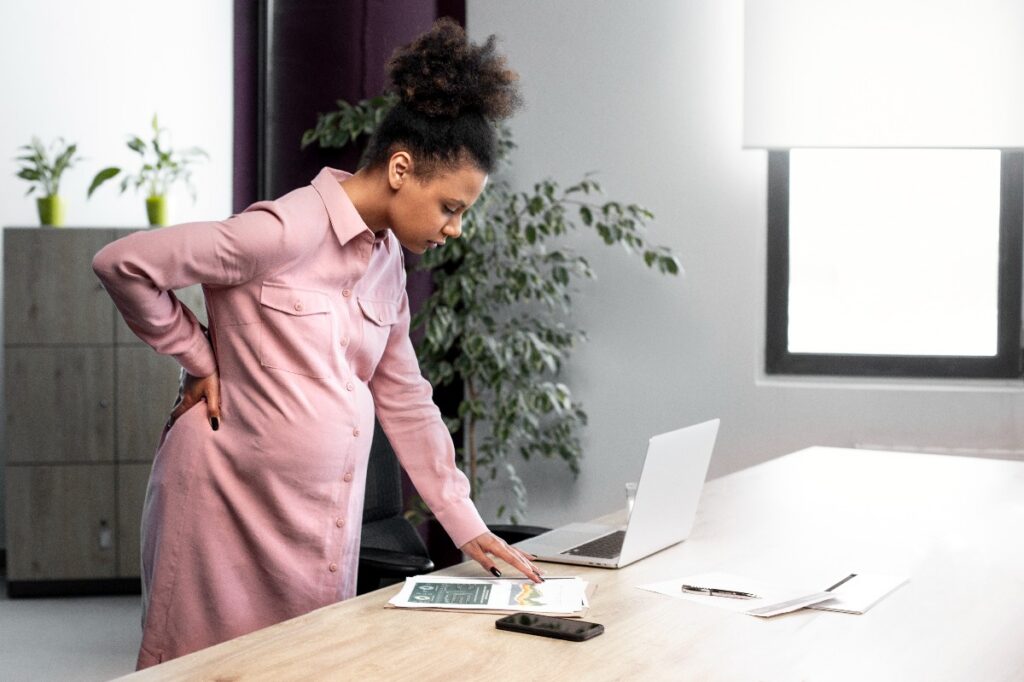
There are several reasons why you might be experiencing pain in your lower back, including muscle strains, injuries, or poor posture. Sometimes, it can be as straightforward as lifting something too heavy or sitting for long periods without proper back support.
The lumbar region—the lower part of your spine—is composed of vertebrae, muscles, and ligaments that work harmoniously to provide support and flexibility. When any part of this intricate system is compromised, pain can arise, ranging from a dull ache to sharp, debilitating sensations that can disrupt your daily life.
Certain factors can increase your susceptibility to lower back pain. If you find yourself overweight, leading a sedentary lifestyle, or have a history of back issues, you may be more prone to experiencing discomfort. Additionally, stress and anxiety can play a significant role, as they often lead to muscle tension in the back. Age is another contributing factor; as we grow older, natural changes in the spine can lead to increased discomfort.
It's crucial to recognize the symptoms of lower back pain. If your pain persists for more than a few days or intensifies, it's vital to pay attention and seek guidance. Understanding the specific triggers of your pain can help you take proactive steps toward alleviation. This may include improving your posture, incorporating regular exercise tailored to your needs, or exploring chiropractic care as a natural healing option.
As your chiropractor, I'm here to support you in your journey to better back health. Together, we can work towards identifying the root cause of your discomfort and developing a personalized treatment plan that promotes healing and restores balance to your body.
Importance of Professional Evaluation
As a local chiropractor, I want to emphasize the importance of seeking a professional evaluation when you're experiencing lower back pain.
This step is crucial for obtaining an accurate diagnosis, which in turn allows us to create a personalized treatment plan specifically designed for your unique needs.
Rushing into remedies without proper assessment can lead to wasted time and ineffective solutions that fail to address the root cause of your discomfort.
By understanding your condition thoroughly, we can explore natural healing methods that not only alleviate pain but also promote long-term wellness.
Your health journey deserves the right foundation, and I'm here to help guide you through it.
Accurate Diagnosis Essential
Accurate diagnosis is the foundation of effective treatment for back pain, and as your local chiropractor, I want to help you understand how this process works and the role it plays in your healing journey. Many people assume their back pain is just a simple muscle strain, but it could actually be linked to deeper issues like a herniated disc, sciatica, or spinal stenosis. Each of these conditions requires a unique approach for effective management, and that's where my expertise comes in.
When you visit my office, I'll take the time to thoroughly assess your symptoms and medical history. I may also recommend certain tests to get a clearer picture of what's going on with your back. This comprehensive evaluation helps us determine whether your pain is acute or chronic, and whether it's the result of an injury, overuse, or a more serious underlying health issue.
An accurate diagnosis is crucial not just for effective treatment, but also for preventing future complications. If a condition goes unrecognized or is treated incorrectly, it can lead to chronic pain or even disability down the line. That's why I encourage you to seek guidance from a qualified professional like myself who can offer a detailed examination and suggest necessary imaging tests, such as X-rays or MRIs, if needed.
In summary, obtaining the right diagnosis is the first step toward your recovery. It allows us to create a tailored treatment plan that suits your specific needs, ensuring you receive the most effective natural healing methods for your back pain.
Let's work together to get you back to feeling your best!
Personalized Treatment Plans
As a local chiropractor, I want to emphasize the importance of creating a personalized treatment plan to effectively address your back pain. Every individual's experience with back pain is unique, and what provides relief for one person may not be suitable for another. This is why a comprehensive evaluation by a chiropractic professional is crucial.
We assess your condition, delve into your medical history, and identify any specific factors that may be contributing to your pain. After completing your evaluation, we can work together to develop a treatment plan that's specifically tailored to your needs.
This plan may incorporate chiropractic adjustments, physical therapy, lifestyle modifications, or natural healing techniques, depending on the intensity and nature of your discomfort. Setting realistic goals and timelines for your recovery is essential.
Regular follow-up consultations enable us to monitor your progress and modify the treatment plan as necessary. If certain approaches aren't yielding the desired results, we can refine our strategy to ensure you're on the right path to recovery.
Physical Therapy Approaches
As a local chiropractor, I want to share how effective chiropractic care can be in managing lower back pain. Many people are unaware of the powerful benefits that come from natural healing methods.
Through specialized techniques like spinal adjustments and manual therapy, we can significantly relieve pain and promote healing in your back.
Additionally, we emphasize the importance of tailored exercise rehabilitation programs designed to strengthen your body and enhance your mobility.
These approaches not only help alleviate discomfort but also empower you to regain control over your health and well-being.
I encourage you to explore the potential of chiropractic care as a vital part of your recovery journey.
Manual Therapy Techniques
As a local chiropractor, I want to introduce you to the powerful benefits of manual therapy techniques in managing lower back pain. These hands-on methods aren't just about quick relief; they're essential for promoting healing, restoring function, and enhancing your mobility naturally.
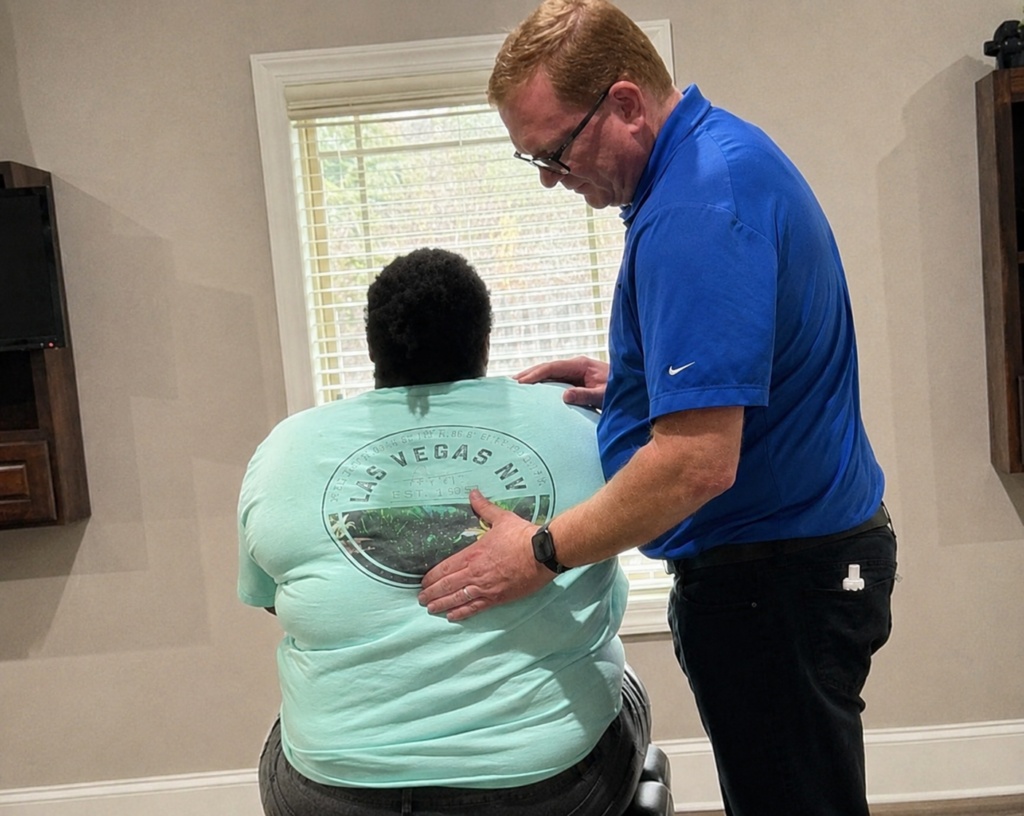
During a chiropractic session, I use specific movements and techniques to gently manipulate your muscles and joints. This approach is designed to alleviate discomfort and reduce stiffness, allowing you to feel more comfortable in your body. One of the primary techniques we use is spinal manipulation. By applying controlled force to your spine, I can help realign vertebrae, which improves overall function and promotes better health.
In addition to spinal manipulation, we incorporate soft tissue mobilization, which focuses on loosening tight muscles and fascia. This technique promotes better blood flow and reduces tension, helping you feel more relaxed and mobile.
You may also experience joint mobilization, a gentle movement of your joints aimed at increasing their range of motion.
The benefits of these manual therapy techniques go beyond just immediate relief. By engaging in regular sessions, you can develop a deeper awareness of your body. This can lead to improved posture and a significant reduction in the risk of future injuries.
Each session is tailored specifically to your unique needs, ensuring that you receive a personalized approach to your healing process.
Exercise Rehabilitation Programs
As a local chiropractor, I want to emphasize the importance of exercise rehabilitation programs for anyone experiencing lower back pain. These structured programs are crucial for your recovery journey, as they focus on enhancing strength, flexibility, and overall function. By incorporating targeted exercises into your routine, you can significantly alleviate pain and prevent future issues.
One of the key benefits of these programs is that they help you build a strong core and stabilize your spine. This not only leads to better posture but also reduces strain on your back muscles, allowing for a more comfortable and active lifestyle.
In most cases, you'll collaborate with a physical therapist or a chiropractor who'll customize your rehabilitation program to address your specific needs and goals. This personalized approach ensures that you're engaging in exercises that are safe and effective for your individual condition.
Typical exercises might include stretching routines, aerobic conditioning, and resistance training—all aimed at promoting healing and building endurance.
Consistency is essential in any rehabilitation program. Following your schedule diligently will yield the best results. It's also crucial to pay attention to your body and communicate any discomfort you may feel to your therapist. They can adjust your program as necessary to keep you on the path to recovery.
With commitment and time, exercise rehabilitation can empower you to take charge of your back health and enhance your overall quality of life. As a chiropractor, I encourage you to explore these natural healing methods as part of your journey to wellness.
Medication Options
As a local chiropractor, I want to share some insights into managing lower back pain through natural methods and holistic approaches. While many people turn to over-the-counter (OTC) medications like nonsteroidal anti-inflammatory drugs (NSAIDs) such as ibuprofen and naproxen for pain relief, it's important to understand that these are often just a temporary fix for mild to moderate discomfort.
If OTC options aren't providing the relief you need, it may be worth exploring chiropractic care as a natural alternative. Chiropractic adjustments can help alleviate pain and improve mobility by addressing the root cause of your discomfort, such as misalignments in the spine that may contribute to muscle spasms and tension.
For those experiencing more severe pain, it's crucial to consult with a healthcare provider who can guide you through your options. While prescription medications like stronger NSAIDs or muscle relaxants might be suggested, they often come with potential side effects and risks.
As a chiropractor, I focus on promoting natural healing methods that encourage your body to recover without relying solely on medications. In some instances, corticosteroids might be prescribed to reduce inflammation, especially in cases like herniated discs. However, there are non-invasive techniques available in chiropractic care that can also help manage inflammation and promote healing.
Always consult with a healthcare professional before starting any medication or treatment plan. My goal is to help you understand that combining chiropractic care with other natural treatment options, such as physical therapy, exercise, and lifestyle changes, can lead to more effective and lasting relief from lower back pain.
Let's work together to find the best approach for your unique situation and help you achieve optimal health and wellness.
Alternative Therapies
As a local chiropractor, I want to share with you some valuable insights about managing lower back pain through natural healing methods. While chiropractic care is a fantastic option for addressing your pain, there are several alternative therapies that can complement your treatment and provide additional relief.
One popular alternative is acupuncture. This ancient practice involves inserting thin needles into specific points on your body to help balance your energy flow and promote healing. Many of my patients have found significant relief from lower back pain by incorporating regular acupuncture sessions into their wellness routine.
Massage therapy is another effective option. Whether it's deep tissue or Swedish massage, skilled therapists can focus on alleviating muscle tension and enhancing circulation. This not only helps to decrease pain but also improves flexibility, making it easier for you to engage in daily activities.
I also encourage my patients to explore yoga and meditation. These practices promote mindfulness and gentle stretching, which can improve your body's alignment and reduce stress. By integrating yoga and meditation into your routine, you may find that your discomfort diminishes and your overall mental outlook on pain management improves.
Additionally, herbal remedies and supplements, like turmeric or ginger, have gained popularity for their anti-inflammatory properties. However, it's essential to consult with a healthcare provider before trying these options to ensure they're safe and suitable for you.
In essence, exploring alternative therapies can equip you with various tools to manage your lower back pain effectively. When combined with traditional chiropractic treatments, these approaches may enhance your overall well-being and lead to more successful pain relief.
I'm here to help guide you on your journey to better health!
Exercise and Strengthening
As a chiropractor, I want to emphasize the importance of finding the right balance of movement to manage lower back pain effectively. Engaging in regular exercise and strengthening activities is crucial for alleviating discomfort and promoting the health of your spine. It's not solely about staying active; it's about engaging the right muscle groups to provide essential support and stability to your back.
I recommend starting with low-impact activities such as walking or swimming. These exercises keep you active while minimizing strain on your back. As you become more comfortable, gradually incorporate exercises that focus on strengthening your core. A strong core is vital because it supports your spine and helps reduce the risk of injury. Consider including exercises like planks, bridges, and pelvic tilts in your routine, as they effectively engage your abdominal and back muscles.
Stretching is another key component of a well-rounded approach to back health. Gentle stretches can enhance your flexibility, helping to relieve tension in your lower back. Pay special attention to stretching your hamstrings, hip flexors, and lower back muscles.
I recommend establishing a routine that combines both strength training and flexibility work to ensure you're not overworking any specific area. Listening to your body is essential during this journey. If you experience pain with certain exercises, don't hesitate to modify or skip them altogether.
It's wise to consult with a chiropractor or physical therapist who can create a personalized program tailored to your unique needs, ensuring that you perform exercises safely and effectively.
Lifestyle Modifications
As a local chiropractor, I want to emphasize the importance of lifestyle modifications in managing lower back pain effectively. Many of my patients have found that making simple changes to their daily habits can significantly reduce discomfort and promote better spinal health.
First and foremost, let's talk about posture. Whether you're sitting at a desk or standing in line, maintaining proper alignment is crucial. Poor posture can lead to unnecessary strain on your lower back. I often recommend investing in an ergonomic chair or using a footrest to provide your back with the support it needs.
Remember, good posture is a foundation for a healthy spine.
Staying active is another key component in managing lower back pain. However, it's essential to choose low-impact exercises that won't exacerbate your discomfort. Activities like walking, swimming, or yoga are fantastic options for strengthening your back and enhancing flexibility.
Always listen to your body, and if something doesn't feel right, avoid those movements.
Nutrition also plays a vital role in your overall well-being. A balanced diet that includes anti-inflammatory foods can help manage pain effectively. I encourage my patients to incorporate plenty of fruits, vegetables, whole grains, and healthy fats into their meals while cutting back on processed foods and sugars.
Also, don't underestimate the importance of staying hydrated—dehydration can lead to muscle cramps and stiffness, which can worsen your back pain.
Lastly, let's not forget about the significance of good sleeping habits. A supportive mattress and pillow that promote spinal alignment during sleep can make a world of difference. For those who sleep on their side, placing a pillow between your knees can help alleviate pressure on your lower back.
By integrating these lifestyle modifications into your daily routine, you can take proactive steps toward managing your lower back pain and improving your overall spinal health.
Heat and Cold Therapy
As a chiropractor, I often emphasize the importance of complementary therapies like heat and cold therapy for managing lower back pain. These methods aren't only straightforward and effective, but they can also be easily incorporated into your home routine. This empowers you to take control of your discomfort and enhance your healing journey.
When you apply heat to your lower back, it acts as a natural relaxant for your muscles and enhances blood circulation. Improved blood flow can alleviate stiffness and support the healing process. You can utilize a heating pad, a warm towel, or even indulge in a warm bath to experience the soothing effects of heat therapy.
I recommend applying heat for about 15 to 20 minutes, ensuring that the temperature is comfortable to avoid any burns.
On the other hand, cold therapy can be incredibly effective, especially when it comes to reducing inflammation and numbing pain. Using an ice pack or a bag of frozen peas wrapped in a cloth on your lower back can constrict blood vessels, helping to minimize swelling after physical activity or injury.
Just like with heat therapy, aim for 15 to 20 minutes, and be cautious to prevent direct skin contact to avoid frostbite.
For optimal results, you might consider alternating between heat and cold therapy. For example, applying cold therapy immediately after activity can help control inflammation, while heat therapy later can assist in relaxing any tense muscles.
It's important to listen to your body and adjust these therapies based on what feels best for you. By integrating these methods into your routine, you can make significant strides towards alleviating your lower back pain and enhancing your overall well-being.
Surgical Interventions
When conservative treatments, including chiropractic care, fail to alleviate lower back pain, some individuals may consider surgical interventions as a potential option.
However, before jumping to that conclusion, it's essential to fully explore and understand the holistic benefits of chiropractic care and natural healing methods.
As a chiropractor, I often see patients who've tried physical therapy, medications, or injections without success.
In many cases, these individuals discover that chiropractic adjustments can effectively relieve pain and restore mobility without the need for invasive procedures.
Chiropractic care focuses on aligning the spine and improving function, which can help alleviate pressure on nerves and reduce pain.
In instances where more severe interventions seem necessary, such as a discectomy or spinal fusion, I encourage my patients to discuss these options with their healthcare provider fully.
It's crucial to understand the risks and benefits associated with surgery, as well as the potential for ongoing pain even after a procedure.
Many patients experience significant relief through surgery, but it's vital to have realistic expectations about recovery time and long-term outcomes.
Before considering surgery, ensure that you've exhausted all non-surgical options, including a comprehensive approach to chiropractic care.
Seeking a second opinion is always a wise choice if you're uncertain about your treatment path.
The ultimate goal of any intervention—whether surgical or non-surgical—is to enhance your quality of life.
Therefore, take the time to evaluate how each potential treatment aligns with your health goals, and remember that natural healing methods can often provide the relief you need without the need for surgery.
Preventive Measures
As a local chiropractor, I want to share some important insights on how to prevent lower back pain.
Establishing a regular exercise routine is crucial; it helps strengthen your back muscles, which can provide support and stability.
Additionally, ensuring that your workspace is ergonomically set up can make a significant difference in reducing strain on your back. Simple adjustments, like your chair height or monitor position, can alleviate pressure on your spine.
By incorporating these preventive measures into your daily life, you can significantly lower your risk of developing back issues and promote overall health and well-being.
Regular Exercise Routine
As a local chiropractor, I want to emphasize the importance of a regular exercise routine for preventing lower back pain and promoting overall spine health. Engaging in physical activity isn't just beneficial for your body; it plays a critical role in strengthening the muscles that support your spine, improving flexibility, and enhancing your posture. This holistic approach can significantly lower your risk of experiencing back pain.
To begin your journey toward a healthier spine, I recommend focusing on low-impact exercises such as walking, swimming, or cycling. These activities are gentle on your back while still providing valuable cardiovascular benefits.
Additionally, incorporating strength training into your routine is essential. Exercises that target your core, hips, and legs—like planks, bridges, and modified squats—help create a stable foundation for your spine.
Don't overlook the importance of stretching. Simple stretches for your back, hips, and hamstrings can increase flexibility and relieve tension, which is crucial for maintaining a healthy spine.
Aim for at least 30 minutes of moderate exercise on most days. Remember, consistency is key. Finding activities that you genuinely enjoy will make it easier to stick to your routine and support your overall well-being.
As your chiropractor, I'm here to guide you in integrating these practices into your life and to support your journey toward natural healing and wellness.
Proper Ergonomic Setup
As a local chiropractor, I want to emphasize the importance of creating a proper ergonomic setup to help prevent lower back pain, especially if you find yourself spending long hours at a desk.
An ergonomic workspace is crucial for maintaining good posture, which reduces strain on your back and promotes overall comfort.
Here are three key elements I recommend evaluating for your workspace:
- Chair: It's vital to select a chair that offers adequate support for your lower back. Look for one with adjustable height and lumbar support, as this will help keep your spine aligned and minimize pressure on your back.
- Desk Height: Your desk should be set up so that your elbows remain at a 90-degree angle while you type. If your desk is too high or too low, it can lead to unnecessary strain on your back and shoulders, ultimately contributing to pain.
- Monitor Position: Ensure that your computer monitor is positioned at eye level and about an arm's length away from you. This setup helps prevent awkward neck positioning, which can lead to discomfort and back pain over time.
By paying attention to these elements, you can create a workspace that supports your well-being and helps prevent the discomfort that often leads individuals to seek chiropractic care.
Conclusion
As a local chiropractor, I want to help you understand how to effectively manage your lower back pain. It's important to recognize that treatment should be personalized to fit your unique needs. By coming in for a professional evaluation, we can discuss various approaches, including chiropractic adjustments, physical therapy, and other natural healing techniques that may work best for you.
In addition to these treatments, I encourage you to consider lifestyle modifications and preventive strategies to support your recovery and minimize the chances of future discomfort. By taking a proactive stance on your back health, you can enjoy a more active and pain-free life. Remember, chiropractic care focuses on holistic healing and can play a significant role in your journey to wellness.