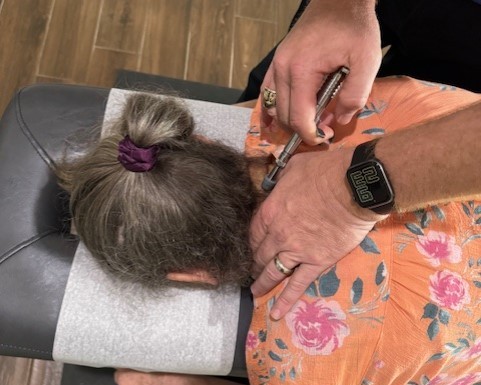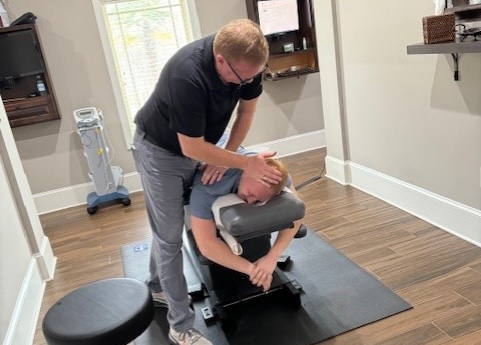

As a local chiropractor, I want to emphasize the importance of holistic approaches in supporting children with ADHD. Chiropractic care can play a crucial role in enhancing their developmental journey. It's essential to understand how the nervous system impacts behavior and development, and how chiropractors can help by ensuring optimal spinal health.
While pediatricians are instrumental in diagnosing and creating treatment plans for ADHD, incorporating chiropractic care can provide additional support. We work closely with families to create individualized strategies that focus on the whole child, addressing physical health, stress management, and overall well-being.
However, challenges may arise in achieving desired outcomes. That's where effective communication with families and schools becomes vital. By collaborating with these key players, we can create a more supportive environment that truly benefits the child. If you're curious about how chiropractic care can complement traditional approaches to ADHD, let's explore the next steps together. You might be surprised by the positive impact it can have on your child's health and behavior.
Understanding ADHD Symptoms
As a local chiropractor, I want to shed light on how Attention-Deficit/Hyperactivity Disorder (ADHD) can affect children and how chiropractic care might play a role in their overall well-being. Many parents may notice that their child struggles with attention, impulsivity, or hyperactivity, which can significantly impact their daily life.
Children with ADHD may find it challenging to focus on tasks or follow instructions. They might seem disorganized or forgetful, getting easily distracted by their surroundings. This can make completing homework or chores a daunting task. It's not unusual for them to misplace items like school supplies or forget to submit assignments, leading to frustration for both the child and the parents.
Impulsivity is another key symptom of ADHD. You might observe your child interrupting conversations or making decisions without considering the consequences. Such behavior can create difficulties in social situations, as they may struggle to wait their turn or respect personal boundaries.
Hyperactivity often presents itself through excessive movement. You may notice your child fidgeting, squirming, or talking a lot, which can disrupt quieter settings like classrooms or family gatherings. Recognizing these behaviors is crucial, as they can negatively impact a child's self-esteem and relationships with peers.
As a chiropractor, I believe that understanding these symptoms is the first step in supporting your child effectively. By recognizing how ADHD influences their daily experiences, we can work together to develop natural strategies that nurture their strengths and address their challenges.
Chiropractic care may help improve focus and reduce stress, which can be beneficial in managing ADHD symptoms. Remember, early intervention and a holistic approach can significantly enhance your child's quality of life.
The Role of Pediatricians
As a local Chiropractor, I want to emphasize the important role we play in understanding and supporting children's health, including conditions like ADHD.
While pediatricians are key in identifying symptoms, we take a holistic approach that focuses on the overall well-being of your child.
By working closely with parents and other healthcare professionals, we can develop a comprehensive care plan that aligns with your child's unique needs.
Learning about chiropractic care can empower you to support your child through natural healing methods, enhancing their overall development and well-being.
Understanding ADHD Symptoms
As a local Chiropractor, I understand that navigating the challenges associated with ADHD can be overwhelming for parents and caregivers. It's essential to recognize the symptoms of ADHD to provide the best support for your child. These symptoms generally fall into two primary categories: inattention and hyperactivity-impulsivity.
You may observe that your child struggles to focus on tasks, frequently makes careless mistakes, or often misplaces items. These behaviors can lead to difficulties in school and social settings, making it crucial to identify them early on.
On the flip side, hyperactivity and impulsivity can present as constant movement, an inability to wait their turn, or interrupting conversations. You might find it challenging when your child can't sit still during meals or discussions, which can create frustration for everyone involved. Understanding these behaviors is a vital first step in offering effective support.
As a chiropractor, I want to emphasize the importance of a holistic approach to addressing these symptoms. While pediatricians typically identify ADHD symptoms, chiropractic care can also play a significant role in your child's overall well-being.
By focusing on spinal health and nervous system function, chiropractic adjustments may help improve focus, reduce stress, and promote a sense of calm.
Partnering with your healthcare team, including your pediatrician and chiropractor, can provide a comprehensive strategy for managing ADHD. Together, we can explore natural healing options, lifestyle changes, and techniques that support your child's health and development.
Collaborative Care Approach
Recognizing the need for holistic care is just the first step in addressing your overall health and well-being. As your chiropractor, I play an essential role in a collaborative approach that includes not only myself but also your primary care physician, physical therapists, and other health professionals.
This teamwork ensures you receive comprehensive support tailored to your unique health challenges. Chiropractors are your partners in this journey. We provide valuable insights into how your body's structure and function can influence your overall health.
Regular adjustments allow us to monitor your progress and make necessary recommendations for improved wellness. Your observations and concerns are vital, so don't hesitate to share them during our sessions; your input is crucial for effective care.
Open communication is key to our success. Establishing a strong relationship with me means we can share information about your health and lifestyle.
I can help connect you with other specialists, such as nutritionists or massage therapists, who can address specific areas of need. Together, we can create a comprehensive care plan that empowers you to achieve optimal health naturally.
Treatment Plan Development
How do chiropractors play an important role in developing effective wellness plans for children with ADHD? As holistic healthcare providers, we focus on the overall well-being of children, assessing their physical health and how it may relate to their behavior and challenges.
Our approach begins with gathering comprehensive information from you, teachers, and other caregivers to understand the child's unique situation and how their body functions.
Once we've a clear understanding, we collaborate with you to create a personalized wellness plan. This plan may include chiropractic adjustments, lifestyle modifications, dietary recommendations, and techniques to improve the child's physical health.
We ensure you're fully informed about the benefits and potential effects of these natural interventions, allowing you to make empowered choices for your child's care.
Regular adjustments and follow-ups are essential, as they enable us to monitor the child's progress, make necessary adjustments to the treatment plan, and address any emerging concerns.
Additionally, we can connect you with other holistic practitioners, such as nutritionists or therapists, to further enhance the support network for your child.
Diagnosis Process
When you're worried that your child might be experiencing challenges such as ADHD, the first step is to identify any symptoms they may be exhibiting.
As a local chiropractor, I encourage you to consider a thorough evaluation process that not only helps confirm a diagnosis but also rules out other potential conditions.
Understanding these stages is crucial as it empowers you to seek the right natural support for your child, including chiropractic care, which can play a vital role in improving overall health and well-being.
Embracing a holistic approach can make a significant difference in your child's development and quality of life.
Symptoms Identification
Identifying symptoms of ADHD can be quite a challenge, particularly because they often resemble behaviors associated with other conditions. As a chiropractor, I want to encourage you to observe some common signs like inattention, hyperactivity, or impulsivity in your child.
It's essential to notice how these behaviors impact their daily life. For example, does your child often lose focus during tasks, have trouble following instructions, or seem to be in constant motion? These could be indicators of ADHD.
Pay attention to how long and how intensely these behaviors occur. ADHD symptoms generally emerge before the age of 12 and tend to persist across different environments, such as at home and in school.
You may also notice that your child's symptoms become more pronounced in situations that demand sustained attention or organizational skills.
Additionally, consider their emotional responses. Children with ADHD may struggle to regulate their emotions, which can lead to outbursts or feelings of frustration.
It's vital to gather insights from various sources, including teachers and caregivers, to create a comprehensive view of your child's behavior.
Comprehensive Evaluation Process
Once you've noticed signs of ADHD in your child, the next important step is to explore a comprehensive evaluation process. As a chiropractor, I understand that many people mightn't be familiar with how our approach can complement traditional evaluations.
This journey often begins with a visit to your pediatrician, who'll gather important information about your child's behavior, development, and academic performance. You may be asked to complete questionnaires and rating scales to assess the severity and frequency of symptoms.
Your pediatrician might also recommend referrals to specialists, such as child psychologists or psychiatrists, who'll conduct thorough assessments. These evaluations can include interviews, psychological testing, and behavioral observations. It's essential to consider a variety of factors, including your child's age, medical history, and how symptoms impact daily life.
As part of a holistic approach, I encourage involving your child's teachers in this process. They can provide valuable insights into your child's behavior in a structured environment, which is crucial for a well-rounded perspective.
After the evaluation, the professionals will discuss their findings with you. If your child is diagnosed with ADHD, it's important to explore all available options, including chiropractic care.
Working together, we can create a tailored treatment plan that focuses on natural strategies to support your child's unique needs. Remember, this evaluation process is vital for setting your child up for success, and chiropractic care can play a significant role in their overall well-being.
Developing Individualized Treatment Plans
Creating an effective individualized treatment plan for children experiencing challenges such as ADHD involves a comprehensive understanding of their unique strengths and difficulties. As a local chiropractor, I believe in a holistic approach to health that considers not just the physical body but also the surrounding environment, including home and school life.
To ensure the best outcomes, it's essential to gather detailed information from various sources, such as parents, teachers, and the child themselves. This collaborative effort helps us assess their specific needs and tailor natural interventions accordingly.
When developing a treatment plan, consider the following key components:
- Chiropractic Adjustments: Evaluate the child's physical alignment and spinal health, as these factors can significantly impact their overall well-being and behavior.
- Lifestyle Modifications: Discuss the importance of nutrition, exercise, and sleep hygiene in supporting the child's health and managing ADHD symptoms naturally.
- Educational Support: Identify potential modifications in the classroom setting that can help minimize distractions and enhance focus, in conjunction with chiropractic care.
- Family Involvement: Engage family members in the treatment process, educating them on the benefits of chiropractic care and how it relates to ADHD and overall behavior.
- Regular Monitoring: Establish a schedule for follow-up visits to assess the child's progress with chiropractic adjustments and make any necessary changes to the treatment plan.
Behavioral Interventions
When it comes to supporting children with ADHD, incorporating effective behavioral interventions can significantly enhance their well-being.
In my practice as a chiropractor, I often emphasize the importance of a holistic approach to health. Utilizing positive reinforcement techniques can be a powerful way to encourage desirable behaviors in children.
Additionally, establishing a structured routine not only helps them feel more secure but also promotes overall success in their daily activities. These strategies can boost their confidence and create a more predictable environment, ultimately contributing to their overall health and development.
Positive Reinforcement Techniques
As a local chiropractor, I want to share how positive reinforcement techniques can be beneficial not just for children with ADHD, but for anyone seeking to enhance their well-being through natural healing.
By focusing on encouraging desired behaviors with rewards and praise, we can help individuals build self-esteem and motivation, which are crucial for navigating daily challenges.
Here are some effective strategies you can incorporate into your daily routine:
- Immediate Praise: Just as we recognize a child's accomplishments, it's essential to acknowledge your own progress in health and wellness right away. This reinforces your positive actions, whether it's sticking to a chiropractic regimen or making healthier lifestyle choices.
- Tangible Rewards: Consider rewarding yourself with small incentives, like a relaxing evening or a favorite healthy treat, when you achieve specific health goals, such as completing a set of exercises or attending regular chiropractic appointments.
- Positive Feedback: Use specific and encouraging language when reflecting on your health journey. For example, saying, "I'm proud of how consistently I attend my chiropractic sessions," can boost your motivation.
- Incentive Charts: Just like children, adults can benefit from tracking their progress. Create a chart to monitor your health milestones, such as improved mobility or reduced pain levels, and reward yourself for achieving these goals.
It's vital to tailor these techniques to fit your individual needs and preferences.
A positive atmosphere can greatly enhance your healing process, and understanding what behaviors you're trying to reinforce is crucial.
Over time, consistent application of these positive reinforcement strategies can help you develop healthier habits and foster a supportive environment for your overall growth and well-being.
Structured Routine Implementation
A well-structured routine can significantly enhance the daily lives of children, particularly those dealing with ADHD, by promoting better time management and task completion. As a chiropractor, I understand the importance of creating a predictable environment that reduces anxiety and enhances focus, which can be beneficial not just for children but for individuals of all ages.
Establishing a consistent schedule is key. Start by setting clear expectations for daily activities like waking up, meals, homework, and bedtime. This predictability can help your child feel more secure and in control of their day.
Involve your child in the planning process; this engagement can foster a sense of ownership and responsibility. Using visual aids, such as charts or calendars, can help them visualize their schedule and stay organized. Break tasks down into manageable steps to avoid overwhelming them, which can often lead to frustration and anxiety.
Incorporating short breaks during study or chore times is also essential. These breaks can help maintain attention and motivation, much like how regular adjustments in chiropractic care can help sustain overall wellness and bodily function.
Consistency is crucial when implementing this routine. While it's important to adhere to the schedule as closely as possible, flexibility is equally important. If your child encounters challenges with a specific task, it may be beneficial to adjust your approach rather than abandoning the routine altogether.
Celebrating your child's adherence to the schedule can reinforce positive behaviors and build their confidence.
Finally, regularly review and modify the routine as necessary. As your child grows and their needs evolve, so should the structure of their daily life. Just as with chiropractic care, which adapts to the changing needs of the body, a well-implemented routine can empower your child to thrive, fostering both independence and resilience.
Medication Options
Navigating the path to wellness for a child with ADHD can feel daunting for parents, especially when considering various treatment options. As a local chiropractor, I want to emphasize the importance of exploring all avenues for natural healing, including chiropractic care, which can support your child's overall well-being.
When it comes to addressing ADHD symptoms, it's essential to understand the potential benefits of non-invasive approaches like chiropractic adjustments. Here's what you should consider when discussing treatment options for your child:
- Holistic Approach: Chiropractic care focuses on the relationship between the spine and nervous system. By ensuring proper spinal alignment, we can help facilitate better communication within the body, potentially improving focus and reducing hyperactivity.
- Natural Healing: Unlike traditional medications, chiropractic adjustments aim to enhance the body's natural ability to heal itself. This can be particularly beneficial for children who may be sensitive to medication or have other health concerns.
- Individualized Care: Each child is unique, and chiropractic treatment plans are tailored to meet their specific needs. Regular assessments can help determine the most effective approach for your child, ensuring that they receive personalized care.
- Complementary Therapies: Chiropractic care can be combined with other natural therapies, such as nutritional counseling and exercise, to provide a comprehensive strategy for managing ADHD symptoms.
Ultimately, the goal is to support your child's health and well-being without relying solely on medication. Open communication with your healthcare provider, including your chiropractor, is essential to ensure your child receives the best care possible.
Importance of Family Involvement
When it comes to managing conditions like ADHD, involving your family can make a significant difference in your child's journey towards well-being. As a chiropractor, I believe that your support and understanding can create a nurturing environment that promotes not just your child's physical health but also their emotional and developmental growth.
Family involvement goes beyond simply being present; it's about actively participating in your child's holistic care plan and daily routines.
Start by educating your family members about ADHD and its challenges, just as you'd learn about the benefits of chiropractic care. This understanding helps everyone in your household recognize the behaviors associated with the condition and respond in a supportive manner.
Encourage open conversations where your child feels safe discussing their feelings and struggles. This supportive dialogue fosters trust, allowing your child to express themselves without fear of judgment.
Moreover, establishing consistent routines at home can provide the structure that many children with ADHD thrive on. When your family collaborates to create predictable schedules for homework, meals, and relaxation, it can reduce anxiety and improve focus—much like the way regular chiropractic adjustments can enhance overall well-being.
Each family member can take on specific roles, whether it's helping with homework or providing a calming presence during stressful moments.
Additionally, involving siblings in this process teaches them empathy and patience, which can strengthen family bonds. Your collective efforts can lead to improved behavior and emotional well-being for your child.
Collaborating With Schools
Effective collaboration with schools can significantly enhance a child's experience with ADHD, and as a local chiropractor, I understand the importance of holistic approaches to health and wellness. By fostering a strong partnership between parents, educators, and healthcare providers, we can create an environment that supports your child's unique needs. Here are some key steps to promote this collaboration:
- Communicate Regularly: It's essential for parents to maintain open lines of communication with their child's teachers. Regular updates about your child's progress, including any physical symptoms or behavioral challenges, can help everyone involved stay informed and responsive.
- Share Information: Providing teachers with insights about your child's strengths, weaknesses, and any alternative therapies they may be receiving, such as chiropractic care, can be invaluable. This knowledge allows educators to adapt their teaching strategies to fit your child's learning style and needs.
- Participate in Meetings: Attend important discussions such as Individualized Education Programs (IEP) or 504 Plan meetings. Your input on your child's overall well-being, including how natural healing and chiropractic care can contribute to their focus and behavior, is vital in making informed decisions about their education.
- Set Goals Together: Collaborate with teachers to establish achievable academic and behavioral goals. By integrating insights from chiropractic care, such as promoting physical health and wellness, you can motivate your child and create a clear pathway for their success.
In addition to these steps, it's crucial to remain proactive and supportive. Educators often appreciate parents who are engaged and willing to collaborate, especially when it involves understanding the benefits of natural healing methods like chiropractic care.
By actively participating in your child's educational journey, you not only help them navigate the challenges of ADHD but also empower them to thrive in a school setting.
Resources and Support Networks
How can you best support your child with ADHD? As a local chiropractor, I believe that exploring holistic approaches and available resources can be incredibly beneficial for both you and your child. Chiropractic care focuses on the overall well-being of the body and can play a role in managing ADHD symptoms through natural healing methods.
First, consider the role of chiropractic adjustments in improving nervous system function. A well-aligned spine can enhance communication between the brain and body, potentially leading to better focus and emotional regulation. Regular chiropractic care may help alleviate some physical symptoms that accompany ADHD, such as tension and discomfort.
In addition to chiropractic care, I encourage you to tap into local and national organizations dedicated to ADHD support. Groups like CHADD (Children and Adults with ADHD) or the ADHD Coaches Organization offer valuable insights and resources for parents. They provide educational materials, webinars, and workshops that can empower you with knowledge about ADHD management.
Don't hesitate to connect with mental health professionals who specialize in ADHD. They can provide not only therapy but also referrals to local resources, including complementary therapies that may work alongside chiropractic care. Many hospitals and pediatric clinics also host support groups or informational sessions for parents, so it's worth asking your child's pediatrician for recommendations.
Online forums and social media groups can also be a great source of support. Engaging with other parents and experts allows you to share experiences and strategies, making you feel less isolated in your journey. Remember, you're not alone in navigating this path.
Lastly, take advantage of school resources. Many schools offer counseling services or can connect you with local community resources specifically aimed at supporting children with ADHD.
Long-Term Management Strategies
Long-term management strategies for ADHD can benefit greatly from a holistic approach, which is where chiropractic care and natural healing come into play. As a chiropractor, I believe in nurturing the body's natural ability to heal itself while addressing the unique needs of your child.
It's essential to create a supportive environment that emphasizes their strengths while also tackling any challenges they might face. This often involves working together with healthcare providers, educators, and family members to ensure a consistent approach across all areas of your child's life.
Here are some effective strategies you might consider:
- Routine and Structure: Establishing a daily routine can significantly help your child understand expectations and lower anxiety levels. Utilizing visual schedules can provide clear guidance and enhance their ability to stay on track.
- Chiropractic Care: Regular chiropractic adjustments can help improve nervous system function, which may enhance focus and reduce impulsivity. By caring for the spine and nervous system, we can support your child's overall well-being and ability to manage ADHD symptoms.
- Natural Supplements: In conjunction with chiropractic care, exploring natural supplements such as omega-3 fatty acids or herbal remedies can be beneficial. Always consult with a healthcare provider before introducing new supplements to ensure they're appropriate for your child.
- Positive Reinforcement: Celebrate your child's progress, no matter how small. This practice builds self-esteem and encourages them to keep striving for improvement.
As you begin to implement these strategies, it's important to remain flexible and patient. What works well now may need to be adjusted as your child grows and their needs evolve.
Regular check-ins with healthcare professionals, including your chiropractor, can help you stay aligned with your goals. By fostering a nurturing and understanding environment, you empower your child not only to manage their ADHD but also to thrive and lead a fulfilling life.
Conclusion
Supporting children with ADHD through chiropractic care can play a significant role in their overall development and well-being. As a local chiropractor, I believe that a holistic approach, which includes working closely with families and educators, can create a nurturing environment that fosters growth. It's important to understand that early identification of any underlying issues and personalized treatment plans can make a profound difference in your child's life.
Chiropractic care focuses on the alignment of the spine and the nervous system, which can positively impact a child's behavior and focus. By incorporating gentle adjustments and natural healing methods, we can support the body's ability to function optimally. I encourage you to embrace these natural interventions, involve family members in the healing process, and collaborate with your child's school to ensure a cohesive approach to their care.
Together, we can navigate the challenges of ADHD and help your child thrive. Through chiropractic care, you can empower your child to achieve their full potential in a supportive and holistic manner.