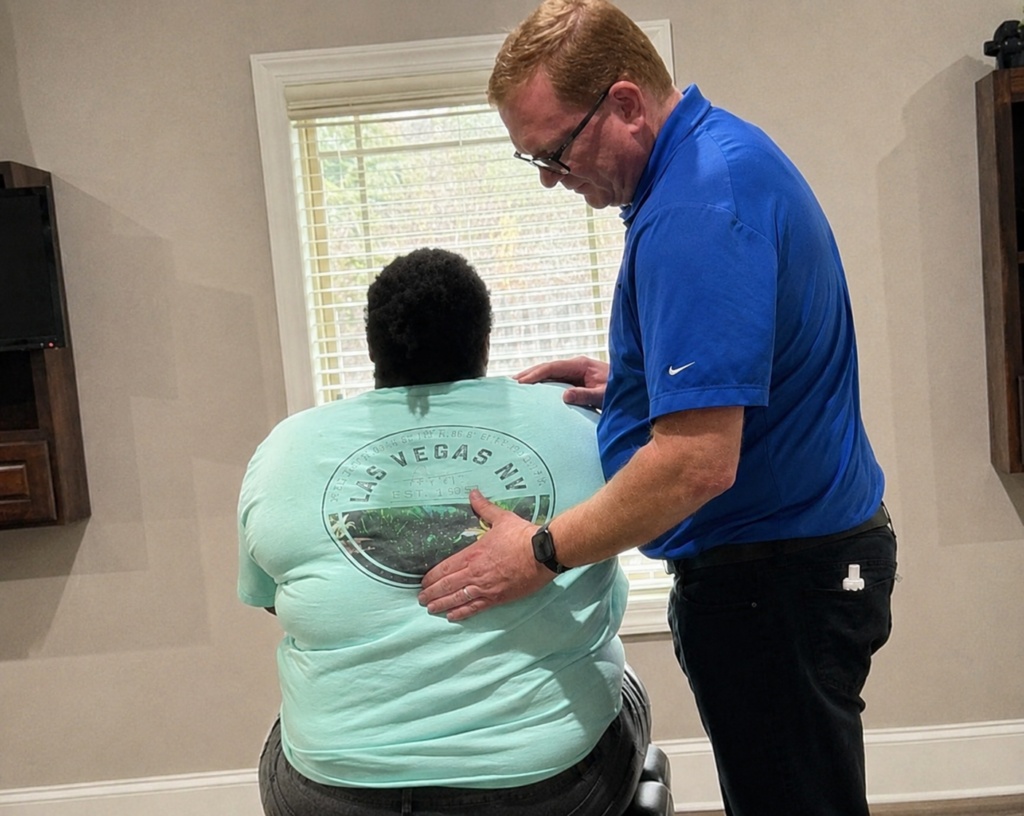

If you've ever dealt with sports-related back pain, you know how much it can interfere with your performance and daily life. As a local chiropractor, I want to help you understand the underlying causes of this discomfort and share effective strategies for relief. You may be curious about the benefits of proper warm-ups, targeted stretching, or specific exercises. However, it's important to consider that relief might also come from a holistic approach that includes professional guidance, such as chiropractic care.
Chiropractic care focuses on restoring proper alignment and function to your spine and surrounding muscles, which can significantly reduce pain and enhance your athletic performance. By addressing any misalignments or tension in your body, we can work together to develop a personalized plan tailored to your needs. The journey to effective pain management begins with understanding your body, and I'm here to guide you through that process. Let's explore the various avenues for relief and recovery that chiropractic care offers.
Understanding Back Pain Causes
As a local chiropractor, I want to help you understand the various causes of back pain, particularly if you're active in sports. Knowing what contributes to back pain is crucial not only for prevention but also for finding the right approach to healing naturally.
One of the most common culprits is muscle strain. When you push your limits during workouts or competitions, it's easy to overdo it, resulting in strained muscles or ligaments in your back. It's important to pay attention to your body and heed its signals—ignoring pain can often lead to more significant issues down the line.
Another significant factor to consider is posture. Maintaining proper alignment during exercises and sporting activities is vital to avoid placing unnecessary stress on your spine. For example, improper lifting techniques or awkward twisting can lead to discomfort.
Additionally, repetitive motions associated with certain sports—whether it's running, swimming, or even swinging a golf club—can result in overuse injuries that may affect your back.
Core strength is also crucial when it comes to back health. Your core muscles are responsible for stabilizing your spine, so if they're weak, it can lead to pain and discomfort.
Lastly, it's worth noting that underlying conditions, such as herniated discs or arthritis, can contribute to ongoing back pain.
If you find that your back pain persists despite trying to manage it on your own, I encourage you to consult with a chiropractor. We focus on natural healing methods and can provide a thorough evaluation to help you find relief and get back to doing what you love.
Importance of Proper Warm-Up
As a local chiropractor, I want to emphasize the critical importance of warming up properly before participating in any sports activities. This often overlooked step is essential for preventing back pain and injuries, which can greatly impact your daily life and overall well-being.
A proper warm-up effectively prepares your body for the physical demands of sports, increasing blood flow to your muscles and enhancing flexibility. Neglecting to warm up can lead to muscle strains, particularly in your back, resulting in pain and requiring longer recovery times.
Here are four key benefits of incorporating a warm-up routine into your sports regimen:
- Increases Circulation: Warming up raises your heart rate, which helps to dilate blood vessels and improve oxygen delivery to your muscles. This increased circulation is vital for optimal performance.
- Enhances Flexibility: Engaging in gentle movements during a warm-up helps to gradually loosen your muscles and joints, reducing stiffness and the likelihood of injury.
- Improves Coordination: A proper warm-up prepares your body for the physical activities ahead, enhancing your balance and overall coordination. This is crucial for achieving peak performance.
- Reduces Injury Risk: By adequately preparing your muscles and joints, you significantly lower the chances of strains and sprains, especially in the vulnerable areas like your back.
Taking the time to incorporate a warm-up into your sports routine is a small investment that pays off significantly. Not only will you protect your back, but you'll also enhance your performance on the field or court.
I encourage you to make warming up a non-negotiable part of your training. Whether it involves light jogging, dynamic stretches, or sport-specific drills, prioritizing your warm-up can lead to a healthier, more enjoyable sporting experience.
Effective Stretching Techniques
As a local chiropractor, I want to emphasize the importance of effective stretching techniques for maintaining a healthy and pain-free back.
Many of my patients may not be familiar with how crucial flexibility is in preventing discomfort and injury. It's vital to focus on stretching key muscle groups that support your spine while also incorporating proper breathing techniques into your routine.
This holistic approach not only helps in reducing your risk of injury but also enhances your overall athletic performance. By integrating these practices into your daily life, you can foster a stronger connection between your body and mind, leading to better overall wellness.
Importance of Flexibility
As a local chiropractor, I want to emphasize the vital role flexibility plays in your overall health and well-being, especially in preventing back pain and improving your mobility.
Many people focus solely on strength training for sports performance, but neglecting flexibility can increase your risk of strain and injury. By enhancing your flexibility, you allow your muscles and joints to function more effectively.
Here are four effective stretching techniques that I recommend incorporating into your routine:
- Dynamic Stretching: Before engaging in any physical activity, consider adding dynamic stretches to your warm-up. Movements like leg swings and arm circles will help prepare your muscles for the workout ahead, reducing the likelihood of injury.
- Static Stretching: After your workout, dedicate time to static stretching. Hold each stretch for 15-30 seconds, focusing on areas such as your hamstrings, hip flexors, and lower back. This practice can significantly improve your flexibility and promote recovery.
- Foam Rolling: Utilizing a foam roller is an excellent way to release tension in your muscles and fascia. This technique not only aids in improving your range of motion but also helps alleviate muscle soreness, making it a great addition to your post-exercise routine.
- Yoga: Integrating yoga into your weekly schedule can work wonders for your flexibility and relaxation. Poses like downward dog and child's pose are particularly beneficial for your back, helping to strengthen and stretch the muscles that support your spine.
Remember, maintaining flexibility is crucial for your overall health.
If you have any questions or want personalized advice on how to implement these techniques, don't hesitate to reach out. Your health is our priority!
Targeted Muscle Groups
As a local chiropractor, I want to share some effective stretching techniques that can greatly enhance your flexibility and help alleviate back pain. Targeting specific muscle groups is essential for optimal results, especially those that support your spine.
Let's start with the hamstrings. These muscles run along the back of your legs and can become tight, pulling on your pelvis and leading to discomfort. A simple seated hamstring stretch can be beneficial. Sit with one leg extended in front of you and gently reach towards your toes. This will help ease tension in that area.
Next, we've the hip flexors, which are crucial for maintaining proper pelvic alignment. A straightforward lunge stretch is an excellent way to open up this area. Step one foot forward, lower your hips down, and feel the stretch in the front of your hip. This motion can relieve strain on your lower back.
Your lower back muscles also deserve attention. The cat-cow stretch is fantastic for promoting flexibility in this region. Get on all fours and alternate between arching your back and rounding it. This movement can help reduce tension and improve your overall spinal health.
Lastly, don't overlook the importance of side stretches. These stretches target your obliques, which play a significant role in maintaining lateral flexibility. Stand tall, reach one arm overhead, and lean to the opposite side. This stretch can enhance your overall back health.
By consistently focusing on these muscle groups, you can significantly improve your mobility and reduce back pain. Remember, integrating these stretches into your routine can be a natural way to support your body's healing process.
If you have any questions or need personalized guidance, feel free to reach out!
Breathing Techniques Integration
Integrating breathing techniques into your stretching routine can significantly enhance the effectiveness of the stretches we often recommend in chiropractic care.
Proper breathing not only aids in relaxation but also allows your muscles to lengthen more efficiently, which can reduce tension and improve overall flexibility.
Here are some simple tips to help you incorporate these techniques during your stretches:
- Inhale Deeply: Before you begin stretching, take a deep breath in through your nose. This step is crucial as it helps oxygenate your muscles, preparing them for the movement ahead.
- Exhale Slowly: As you move into the stretch, exhale gently through your mouth. This action helps release tension in your muscles, enabling a deeper and more effective stretch.
- Maintain Rhythm: It's important to keep a steady rhythm with your breathing. Inhale as you prepare for the stretch and exhale as you ease into the position. This practice keeps your body relaxed and allows you to stay focused on your movements.
- Visualize Release: While you exhale, take a moment to visualize any tightness or discomfort melting away. This mental imagery can enhance the physical benefits of your stretches and contribute to your overall sense of well-being.
Strengthening Exercises for Support
As a local chiropractor, I want to emphasize the importance of supporting your back, especially if you're active in sports. One of the best ways to do this is by incorporating core stability exercises into your routine.
These exercises are designed to not only strengthen the muscles around your spine but also improve your flexibility and overall athletic performance.
By focusing on both strength and stretching, you can build a solid foundation for your back health, which can help prevent pain and injuries.
Understanding how your body works and how to care for it naturally can make a significant difference in your physical well-being.
Core Stability Exercises
As a local chiropractor, I often emphasize the importance of core stability exercises for my patients, especially those who experience sports-related back pain.
Strengthening your core can provide essential support to your spine, helping to prevent injuries and enhance your overall athletic performance. Here are four effective core stability exercises that I recommend incorporating into your routine:
- Plank: Begin by holding a plank position with your elbows positioned directly under your shoulders and your body in a straight line from head to heels. Start with a goal of holding this position for 30 seconds and gradually increase your time as you build strength.
- Dead Bug: Lie on your back with your arms extended toward the ceiling and your knees bent at a 90-degree angle. Slowly lower one arm and the opposite leg toward the floor, then return to the starting position. Alternate sides to work both sides of your body.
- Bird Dog: Position yourself on all fours and extend one arm forward while simultaneously extending the opposite leg back, ensuring your back remains straight throughout the movement. Hold this position for a few seconds before switching to the other side.
- Side Plank: Lie on your side and lift your body off the ground using one elbow for support. Keep your body straight, engaging your obliques as you hold the position.
Incorporating these exercises into your regular routine can significantly strengthen your core and support your back health.
Remember, a strong core not only reduces the risk of injury but also contributes to better posture and overall well-being.
If you have any questions or need further guidance on these exercises, feel free to reach out during your next visit!
Flexibility and Stretching Techniques
As a local chiropractor, I want to emphasize that maintaining a healthy back involves more than just strengthening your core; flexibility plays a crucial role in preventing sports-related pain. By incorporating effective stretching techniques into your routine, you can enhance your overall performance and significantly reduce the risk of injuries.
Before engaging in any sports activity, it's vital to start with dynamic stretches. Movements like arm circles, leg swings, and torso twists can effectively warm up your muscles and increase your range of motion, preparing your body for the activity ahead.
After your workout, it's important to focus on static stretches to further improve flexibility. Aim to hold each stretch for at least 15-30 seconds, targeting key areas such as the hamstrings, hip flexors, and lower back.
I also recommend considering practices like yoga or Pilates. These disciplines not only promote flexibility but also help build strength and enhance balance and body awareness, which are essential for protecting your back during sports activities.
By consistently incorporating these stretching techniques into your routine, you may notice improved mobility, reduced tension, and enhanced performance.
Utilizing Correct Posture
As a local Chiropractor, I want to emphasize the importance of correct posture for everyone, especially athletes. While many focus on training and technique, maintaining proper posture is crucial for preventing sports-related back pain. Neglecting posture can lead to muscle imbalances, strain, and injuries that may keep you sidelined for weeks. By being mindful of your posture, you can significantly reduce your risk of experiencing back pain.
Firstly, let's discuss spinal alignment. Regardless of whether you're standing, sitting, or engaging in sports, it's vital to keep your spine straight and your shoulders back. A neutral spine helps distribute weight evenly, which minimizes stress on your back muscles and supports overall body function.
Next, it's essential to check your foot positioning. When standing, ensure your feet are shoulder-width apart and your weight is evenly balanced between them. This stability not only aids in maintaining your balance but also prevents unnecessary strain on your back.
Engaging your core muscles is another key aspect of good posture. Strong core muscles are essential for supporting your spine. Make it a habit to activate your core during physical activities. This engagement not only stabilizes your posture but also significantly reduces stress on your back.
Lastly, don't overlook the alignment of your head and neck. Your head should be positioned directly over your spine, avoiding any forward leaning or prolonged looking down. Making this simple adjustment can alleviate tension in your neck and upper back, enhancing your overall well-being.
Therapeutic Treatments Available
As a local chiropractor, I often encounter athletes who prioritize proper posture yet still experience back pain due to a variety of factors. If you find yourself in this situation, I want to share some therapeutic treatments that can help alleviate your discomfort and enhance your performance.
One of the most effective treatments I provide is chiropractic care. Through spinal manipulation and adjustments, I address misalignments in your spine that may be contributing to your back pain. Regular visits to my clinic can promote better alignment, enhance your mobility, and provide immediate relief from discomfort.
In addition to chiropractic adjustments, I often recommend incorporating physical therapy into your recovery plan. A qualified physical therapist can assess your specific condition and design a customized exercise program tailored to your needs. This program will include targeted stretches and strengthening exercises that not only relieve pain but also improve your overall flexibility and strength, helping to prevent future injuries.
Massage therapy is another valuable option that many of my patients find beneficial. Therapeutic massages can relax tight muscles, improve circulation, and release built-up tension, all of which can contribute to back pain. Depending on your preferences and needs, you can choose from various techniques, such as deep tissue or sports massage.
Acupuncture is also gaining recognition for its effectiveness in pain relief. This ancient practice involves inserting thin needles into specific points on your body, stimulating the release of endorphins and promoting natural healing. Many athletes have reported significant improvements in their pain levels and overall well-being after acupuncture sessions.
Lastly, while I believe in the power of natural healing, I understand that some patients may seek temporary relief through over-the-counter pain relievers, such as ibuprofen or acetaminophen. However, I always advise consulting with a healthcare professional to ensure you're choosing the right treatment for your unique situation.
At my chiropractic practice, I'm dedicated to helping you understand your body and the various natural healing options available to you. Together, we can develop a holistic approach to managing your back pain and restoring your performance.
Role of Rest and Recovery
As a local chiropractor, I want to emphasize the vital importance of rest and recovery in maintaining your overall health and enhancing your athletic performance. Many people overlook these elements, which can lead to chronic back pain and impede progress.
It's crucial to incorporate both rest and recovery into your routine to prevent injury and improve your physical capabilities. Here are four key reasons why these practices are essential:
- Muscle Repair: Engaging in physical activity causes tiny tears in your muscles. Rest is crucial as it allows these muscles the time they need to repair and grow stronger, which helps in reducing the likelihood of experiencing back pain.
- Inflammation Reduction: Intense exercise can lead to inflammation throughout your body. Taking time for recovery lowers inflammation levels, which is particularly beneficial for your back's ability to heal and function effectively.
- Mental Reset: Continuous training without breaks can result in mental fatigue. Allowing yourself time off helps to recharge your mind, improving your focus and motivation when you return to your activities.
- Performance Enhancement: Recovery isn't solely about avoiding injury; it also plays a significant role in enhancing your overall performance. Proper rest can elevate your strength, speed, and endurance, ultimately leading to better results in your chosen sport.
Incorporating rest days into your training schedule and being mindful of recovery post-intense sessions can significantly impact your well-being.
Listen to your body and recognize the importance of recovery. By respecting these aspects, you'll not only prevent back pain but also optimize your performance and overall health as an athlete.
If you're interested in learning more about how chiropractic care can support your recovery process, feel free to reach out!
When to Seek Professional Help
As a local chiropractor, I want to help you understand when it's time to seek professional help for back pain. Recognizing the signs early can significantly influence your recovery journey. If you find that your back pain is persistent and doesn't improve with rest or basic over-the-counter treatments, it's important to consult with a healthcare professional like myself. Ignoring ongoing discomfort can lead to further complications or even chronic pain, which we want to avoid.
Pay close attention if your pain becomes severe, sharp, or radiates down your legs. These symptoms may indicate that your nerves are involved, and it's essential to address these issues promptly. If you experience any weakness, numbness, or tingling in your legs, please don't hesitate to reach out. These could be warning signs of a more serious underlying condition that requires immediate evaluation.
Additionally, if your back pain is accompanied by other concerning symptoms such as fever, unexplained weight loss, or changes in bowel or bladder function, it's crucial to contact a healthcare provider right away. These symptoms may suggest infections or other significant health concerns that need urgent attention.
Don't wait too long to seek help, especially if your pain is affecting your daily activities or your performance in sports. As a chiropractor, I can assess your condition holistically, recommend appropriate imaging or tests if needed, and develop a customized treatment plan that suits your needs.
Conclusion
As a local chiropractor, I want to share some valuable insights on managing sports-related back pain that can help you stay active and enjoy your favorite activities. It's essential to take a proactive approach to your health. This means incorporating proper warm-ups before engaging in any sport, as well as effective stretching routines to keep your muscles flexible and ready for action.
Strengthening your core is another critical aspect that many people overlook. A strong core supports your spine and can significantly reduce discomfort during and after physical activities. Additionally, I cannot stress enough the importance of maintaining correct posture during your workouts or sports; it plays a crucial role in preventing injuries.
Rest and recovery are just as important as the exercise itself. Make sure to schedule time for your body to heal and rejuvenate. If you find that your pain persists despite these efforts, I encourage you to consider seeking professional help. As a chiropractor, I specialize in natural healing methods that can address the root causes of your pain, rather than just masking the symptoms.
By following these guidelines, you can not only find relief from your current pain but also prevent future issues from arising. Together, we can keep you active and enjoying the sports you love!