
Dealing with lower back discomfort can be tough, but you don’t have to face it alone. As a local chiropractor, I’m here to share some practical strategies to help you find relief and enhance your overall well-being. By focusing on natural healing methods, you can make significant improvements without resorting to medications or surgeries.
- Maintain Proper Posture: Good posture is crucial for reducing strain on your back. When sitting, keep your feet flat on the ground and your back straight. Being mindful of your posture can prevent further discomfort.
- Stay Active: Incorporating gentle exercises, such as walking or stretching, can help strengthen your back muscles and improve flexibility. Regular activity encourages blood flow to the spine and promotes healing.
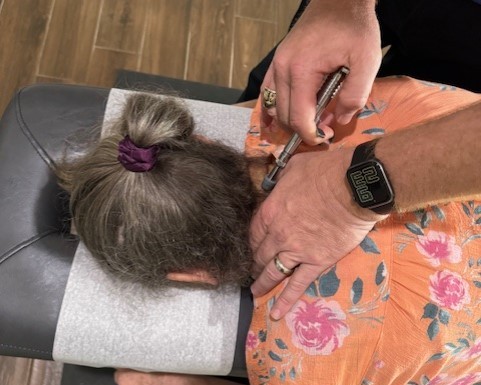
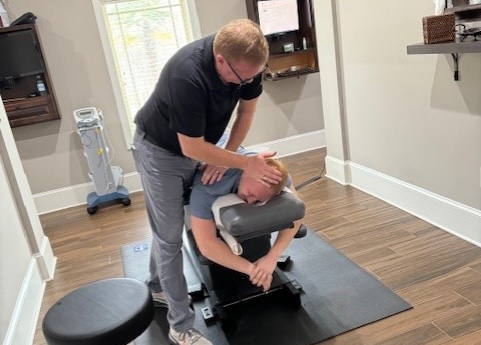
- Utilize Chiropractic Care: Regular visits to a chiropractor can be one of the best ways to manage lower back pain. Chiropractic adjustments help align your spine, relieve tension, and enhance your body’s natural ability to heal itself.
- Apply Heat or Cold: Using a heating pad or an ice pack on the affected area can provide temporary relief. Heat helps relax tight muscles, while cold therapy can reduce inflammation.
- Focus on Core Strength: Strengthening your core muscles can provide better support for your spine. Simple exercises like planks or pelvic tilts can make a big difference.
- Practice Mindfulness and Relaxation Techniques: Stress can contribute to tension in your back. Techniques such as deep breathing, yoga, or meditation can help you relax and alleviate pain.
- Listen to Your Body: Pay attention to how your body feels. If certain activities worsen your discomfort, it’s important to modify or avoid them until you feel better.
By implementing these strategies, you not only manage your lower back discomfort but also promote a healthier lifestyle. Remember, chiropractic care is a natural, effective solution for achieving optimal health and wellness. If you’re struggling with back pain, don’t hesitate to reach out for professional help. Together, we can find the best path to relief and recovery.
Maintain Proper Posture
Maintaining proper posture while sitting or standing isn’t just important for comfort, but it’s vital for your overall spinal health. As a chiropractor, I see firsthand how good posture can prevent lower back discomfort and promote natural healing. When your spine is aligned, it helps distribute weight evenly across your body, easing strain on your muscles and ligaments.
When you’re sitting, aim to keep your feet flat on the floor, with your knees at or just below hip level. Choose a chair that offers support for your lower back, allowing you to sit back fully without slouching.
If standing, make sure your weight is balanced on both feet, and avoid locking your knees to keep your body relaxed. Engaging your core muscles is a great way to provide additional support to your lower back.
Remember to keep your shoulders relaxed; they shouldn’t be hunched forward. Regularly check in on your posture throughout the day, especially if you’re spending long hours at a desk. Even small adjustments in your position can lead to significant improvements in your comfort levels.
By prioritizing good posture, you’re taking a proactive step toward managing lower back discomfort and enhancing your overall health. If you’re experiencing ongoing pain or discomfort, consider visiting a chiropractor.
We specialize in spinal health and can help guide you on your journey to a pain-free, healthier lifestyle. Remember, good posture is just one piece of the puzzle, and chiropractic care can support you in achieving optimal health naturally.
Incorporate Regular Exercise
Incorporating regular exercise into your daily routine is a fantastic way to alleviate lower back discomfort and enhance your overall well-being. As a chiropractor, I emphasize the importance of strengthening your core muscles, which provide essential support for your spine and help improve your posture.
By focusing on exercises that promote spinal health, you can work towards achieving optimal wellness without the need for medications or surgeries. Aim for a balanced mix of aerobic activities, like walking or swimming, alongside strength-training workouts that specifically target your back and abdominal muscles.
These exercises can’t only help reduce pain but also promote natural healing and improve your quality of life. If you’re new to exercising, it’s important to start slowly and gradually increase the intensity and duration of your workouts.
Stretching is also an integral part of your routine; it keeps your muscles flexible and can prevent stiffness, making it easier to move and function throughout the day. Consider incorporating activities like yoga or Pilates, which are excellent for building core strength and enhancing flexibility.
Always listen to your body. If you experience any pain while exercising, it’s crucial to stop and reassess your routine. Consistency is vital; aim to incorporate at least 30 minutes of exercise into your daily life most days of the week.
This commitment not only aids in relieving discomfort but also boosts your mood and energy levels. Remember, chiropractic care is an excellent complement to your exercise routine.
Regular adjustments can help maintain proper alignment, enhance mobility, and support your body as you engage in physical activities. Together, we can work towards achieving your health goals naturally and effectively.
Use Heat and Ice Therapy
Using heat and ice therapy can be an excellent way to manage lower back discomfort and support your overall wellness journey. Both approaches have unique benefits that can help alleviate pain and promote healing, complementing chiropractic care for optimal results. Here’s how you can use them effectively:
- Heat Therapy: Applying a heating pad or a warm towel can work wonders for relaxing tight muscles in your back. Try to use it for about 15-20 minutes, making sure it’s comfortably warm—not too hot—to encourage blood flow and ease stiffness.
- Ice Therapy: If you’re experiencing inflammation or acute pain, an ice pack wrapped in a cloth can help reduce swelling. It’s best to apply it for 15-20 minutes during the first 48 hours after pain begins. This can provide immediate relief and is a great addition to your routine alongside chiropractic adjustments.
- Alternate Techniques: For the best results, consider alternating between heat and ice every few hours. This can be particularly beneficial after activities that put a strain on your back. It helps to soothe muscles while managing inflammation, promoting a quicker recovery.
- Listen to Your Body: Always pay attention to how your body responds to heat and ice. If you notice an increase in pain with either method, stop using it right away. It’s also important to consult with your chiropractor if discomfort persists; they can provide personalized guidance and care tailored to your needs.
Incorporating heat and ice therapy into your routine can greatly enhance your comfort and mobility, working hand-in-hand with chiropractic care to support your journey to optimal health.
Stretch and Strengthen Core Muscles
If you’re dealing with lower back discomfort, one of the best approaches is to focus on stretching and strengthening your core muscles. A strong core is essential for maintaining stability and balance, which can significantly alleviate back pain and enhance your overall flexibility.
Incorporating core exercises into your daily routine can help you not only manage existing discomfort but also prevent future issues. Simple movements like planks, bridges, and gentle twists can be very effective. Remember, these exercises should be done with care and attention to your body’s signals.
As a chiropractor, I emphasize that chiropractic care is fundamental in supporting your journey towards optimal health. Regular chiropractic adjustments can help ensure your spine is aligned, which is crucial for effective function of your core muscles and overall well-being.
In addition to exercising, consider these general tips to support your spinal health:
- Posture Awareness: Be mindful of your posture throughout the day, especially when sitting for long periods. Use ergonomic chairs and take breaks to stretch.
- Hydration: Drink plenty of water to keep your muscles and discs hydrated, which can help prevent stiffness.
- Warm Up: Always warm up before engaging in physical activities to prepare your muscles and joints.
- Listen to Your Body: If something doesn’t feel right while exercising, stop and consult with a chiropractor to avoid worsening your condition.
Key Core Exercises
Core exercises are vital for managing lower back discomfort, as they help to stretch and strengthen the muscles that support your spine. As a chiropractor, I believe that incorporating these key exercises into your routine can significantly improve your overall health and wellness.
Here are four simple yet effective core exercises that can help alleviate pain and promote a healthier spine:
- Plank: This exercise engages your entire core. To do a plank, simply hold a straight position from your head to your heels. Make sure to keep your back flat and your abs tight. This won’t only strengthen your core but also help support your spine.
- Bird-Dog: Start on all fours and extend one arm and the opposite leg while keeping your balance. This exercise enhances stability and coordination, which are crucial for maintaining a healthy spine. Remember to keep your core engaged throughout.
- Bridges: Lie on your back with your knees bent and feet flat on the floor. Lift your hips towards the ceiling, squeezing your glutes at the top. This exercise strengthens your lower back and glutes, providing essential support for your spine.
- Dead Bug: While lying on your back, alternate extending your arms and legs while keeping your core tight. This exercise improves control and coordination, helping to support your spine’s stability.
As you incorporate these exercises into your routine, remember that consistency is key for the best results.
Additionally, chiropractic care can play an important role in your journey to optimal health. Regular adjustments can enhance your spinal function, reduce pain, and improve your overall well-being.
Always listen to your body, and consult with your chiropractor for personalized advice tailored to your specific needs. Together, we can work towards a healthier, pain-free life!
Importance of Flexibility
Flexibility is vital for maintaining a healthy spine and alleviating lower back discomfort. Regular stretching enhances your range of motion, which helps prevent muscle tightness that can lead to pain. By incorporating flexibility exercises into your daily routine, you not only improve your posture but also support your core muscles, allowing them to function optimally.
Focus on simple stretches, such as hamstring and hip flexor stretches, to relieve tension in your lower back. A strong, flexible core acts as a stabilizer for your spine, significantly reducing the risk of injury. It’s important to aim for consistency—just dedicating a few minutes each day can lead to meaningful improvements in how you feel.
Moreover, chiropractic care can be a powerful ally in your journey to better flexibility and overall wellness. Regular visits to a chiropractor can help improve your spinal alignment, which in turn enhances your body’s ability to move freely and comfortably.
Invest in a Supportive Mattress
Investing in a supportive mattress is crucial for maintaining your lower back health and overall well-being. A well-chosen mattress can greatly enhance your sleep quality and help you wake up feeling refreshed, rather than in pain.
As a local chiropractor, I want to emphasize the importance of proper spinal alignment during sleep, which can be achieved with the right mattress.
When selecting a mattress, look for one that offers a balance of comfort and support. This means it should conform to the natural curves of your body while providing enough firmness to keep your spine aligned. Different materials, such as memory foam or latex, can offer varying levels of support, so it’s important to find what feels best for you.
Here are a few tips to consider when choosing your mattress:
- Test Before You Buy: Spend some time lying on different mattresses in-store. Pay attention to how they feel on your back and joints. Ideally, you should feel supported but not stiff.
- Consider Your Sleeping Position: If you sleep on your back, a medium-firm mattress is often best for supporting the natural curve of your spine. Side sleepers may benefit from a slightly softer mattress that cushions the shoulders and hips.
- Look for Quality Materials: High-quality materials tend to provide better support and last longer. Invest in a mattress that’s durable and made from materials known for their supportive properties.
- Replace Old Mattresses: If your mattress is more than 7-10 years old, it may be time for a replacement. An old mattress can contribute to poor sleep and back pain.
- Consult with Your Chiropractor: If you’re struggling with back pain, don’t hesitate to talk to your chiropractor. They can provide personalized recommendations based on your specific needs and help you understand how a supportive mattress can complement your chiropractic care.
Remember, a supportive mattress is just one part of your journey to better health. Regular chiropractic adjustments can help ensure that your spine stays aligned and functioning optimally, allowing you to enjoy better sleep and overall wellness.
Prioritize your health by making informed choices about your sleep environment, and don’t underestimate the role a good mattress plays in your journey toward pain relief and natural wellness.
Importance of Mattress Support
As a chiropractor, I understand the pivotal role that a supportive mattress plays in your overall health and wellness, especially when it comes to alleviating lower back discomfort. Given that we spend approximately one-third of our lives sleeping, it’s essential to ensure your mattress supports your spine’s natural alignment. This support is crucial not just for comfort, but for maintaining your spinal health.
Here are four reasons why mattress support is so important for your back:
- Spinal Alignment: A mattress that offers the right support helps keep your spine aligned during sleep. This alignment is key to reducing pain and promoting a healthier back.
- Pressure Relief: A quality mattress distributes your body weight evenly, which helps minimize pressure points. This can reduce discomfort and enhance your overall sleep experience.
- Sleep Quality: When your mattress supports you well, you’re more likely to experience deeper, uninterrupted sleep. Quality rest is vital for recovery, allowing your body to heal and rejuvenate.
- Durability: By investing in a high-quality mattress, you ensure that it maintains its supportive properties over time. A durable mattress can save you money in the long run and provide lasting comfort for your spine.
Choosing the right mattress is a significant step toward feeling better each day.
Remember, while a supportive mattress is important, regular chiropractic care is the best way to address pain and promote optimal health. Incorporate stretches and exercises into your daily routine to complement your sleep setup, and consider how your mattress can work alongside chiropractic adjustments for a comprehensive approach to wellness.
Prioritizing support for your back will lead you to a healthier, more vibrant life.
Choosing the Right Material
When choosing a mattress, the material is vital for supporting your lower back and overall spinal health. It’s essential to look for options that strike a balance between comfort and firmness.
Memory foam is a popular choice because it contours to your body, relieving pressure points that can lead to discomfort. On the other hand, innerspring mattresses can provide the necessary support for proper spinal alignment, which is crucial for maintaining a healthy back.
Latex mattresses are also worth considering since they offer both durability and a natural bounce, promoting a more restful sleep. For those who want the benefits of both worlds, hybrid mattresses that combine foam and coils can be an excellent option.
Regardless of the mattress type, ensure that it maintains its shape and support over time, as this is essential for preventing back pain. Remember to test the mattress in-store or take advantage of trial periods, as finding the right fit can make a significant difference in your comfort and well-being.
As a chiropractor, I encourage you to prioritize your spinal health when making your mattress choice. Your lower back deserves the best support you can provide.
Additionally, don’t forget that regular chiropractic care can enhance your overall wellness and help alleviate pain naturally. Investing in the right mattress and maintaining spinal health through chiropractic adjustments can lead to a happier, healthier life. Your back will thank you!
Practice Mindfulness and Relaxation Techniques
Practicing mindfulness and relaxation techniques can significantly support your journey to alleviate lower back discomfort. While chiropractic care is your best option for addressing spinal health and enhancing overall well-being, incorporating these mindfulness methods into your daily routine can complement your healing process.
Here are some simple techniques to consider:
- Deep Breathing: Take a moment to focus on slow, deep breaths. This practice not only calms your mind but also helps ease tension in your lower back. As you breathe in, visualize the breath flowing into your spine, bringing relaxation and relief.
- Meditation: Dedicating just a few minutes each day to meditation can be transformative. By quieting your mind, you can gain mental clarity and better manage your perception of pain. Consider visualizing a healthy spine as you meditate, reinforcing your commitment to your chiropractic care.
- Progressive Muscle Relaxation: This technique involves tensing and then relaxing each muscle group in your body, starting from your toes and moving upward. As you release tension, pay special attention to your back. This practice can be a great way to enhance the benefits of your chiropractic adjustments.
- Gentle Yoga: Incorporating gentle yoga stretches into your routine can improve flexibility and relieve back pain. Look for specific poses that focus on spinal alignment and balance. These stretches can work hand-in-hand with your chiropractic care, helping maintain a healthy spine.
By integrating these mindfulness techniques alongside your chiropractic treatments, you may experience a more significant reduction in lower back discomfort.
Consult a Healthcare Professional
When it comes to managing lower back discomfort, consulting a chiropractor can be one of the best steps you can take. If your pain lingers or intensifies, a chiropractor can help identify the root cause of your discomfort and provide tailored treatment options, all while focusing on natural healing techniques.
During your visit, your chiropractor will assess your posture, discuss your symptoms, and may recommend specific spinal adjustments to help restore balance and alleviate pain. Unlike other approaches, chiropractic care emphasizes the body’s ability to heal itself, promoting wellness without the need for medications or invasive procedures.
If you’re experiencing severe pain, numbness, or difficulty moving, it’s crucial to seek help. These symptoms could indicate a more significant issue that chiropractic care can address. Your chiropractor will work with you to create a personalized treatment plan, which may include spinal adjustments, therapeutic exercises, and advice on lifestyle changes to enhance your overall health.
In addition to seeking chiropractic care, here are some general tips to maintain a healthy spine and alleviate discomfort:
- Stay Active: Regular movement and gentle exercises can strengthen your back muscles and improve flexibility.
- Practice Good Posture: Be mindful of your posture while sitting, standing, and lifting to reduce strain on your back.
- Use Ergonomic Furniture: Invest in chairs and desks that support your spine’s natural curve to prevent discomfort.
- Stay Hydrated: Drinking plenty of water helps keep your discs hydrated and supports overall spinal health.
- Incorporate Stretching: Gentle stretching can relieve tension in your back and promote blood flow.
By focusing on chiropractic care and adopting these simple lifestyle tips, you can take proactive steps toward a healthier, pain-free life.
Conclusion
Managing lower back discomfort is essential for your overall health and wellness, and chiropractic care is one of the most effective ways to achieve optimal relief. Here are some valuable tips that can help you along your journey to a healthier back.
- Maintain Good Posture: Be mindful of your posture whether you’re sitting, standing, or walking. Keeping your spine aligned reduces strain on your back muscles and prevents discomfort.
- Stay Active with Regular Exercise: Engaging in low-impact activities like walking, swimming, or yoga can strengthen your back and core muscles. A strong core supports your spine, reducing the risk of injury and pain.
- Utilize Heat and Ice Therapy: Applying heat can help relax tense muscles, while ice can reduce inflammation. Alternating between the two can provide relief for acute discomfort.
- Strengthen Your Core: Focus on exercises that strengthen your abdominal and back muscles. A strong core supports your spine and helps maintain good posture, which can alleviate pain.
- Invest in a Supportive Mattress: A mattress that properly supports your spine can make a significant difference in your comfort while sleeping. Look for one that aligns with your body’s natural curves.
- Practice Mindfulness and Relaxation Techniques: Stress can contribute to muscle tension and discomfort. Techniques like deep breathing, meditation, or gentle stretching can help you relax and reduce pain.
- Consult with a Chiropractor: If your pain persists or worsens, it’s important to seek the expertise of a chiropractor. They specialize in spinal health and can provide personalized care to help you find relief and improve your overall well-being.
By following these tips and embracing chiropractic care, you’ll be taking significant steps toward a more comfortable and active life. Remember, your spine is the foundation of your health—taking care of it should be a top priority!