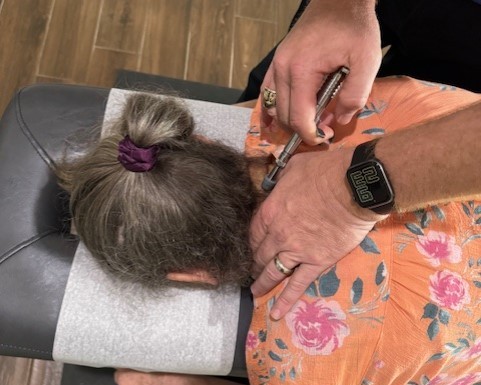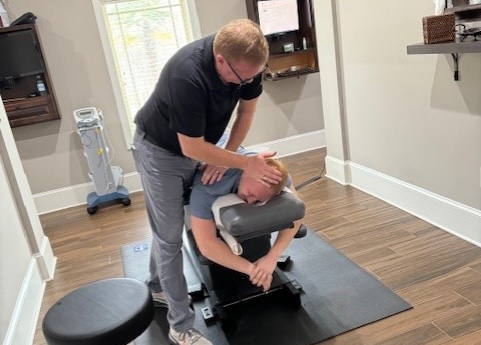

Throughout history, people have sought various ways to alleviate lower back pain, and one of the most effective, natural solutions is chiropractic care. From ancient herbal remedies to practices like acupuncture, different cultures have contributed valuable insights into managing pain. However, chiropractic care stands out as a holistic approach that focuses on the spine’s health, which is crucial for overall well-being.
As you delve into these historical approaches, you’ll see how they shaped the understanding of pain relief, leading to the development of modern chiropractic techniques. Chiropractic care not only addresses the symptoms of lower back pain but also aims to identify and correct the underlying issues, promoting natural healing and optimal health.
Here are some general tips to help you manage lower back pain more effectively:
- Maintain Good Posture: Be mindful of your posture while sitting, standing, and lifting. Keeping your spine aligned can help reduce strain on your back.
- Stay Active: Regular low-impact exercises, such as walking or swimming, can strengthen your back muscles and improve flexibility.
- Use Proper Lifting Techniques: When lifting heavy objects, bend at your knees and keep your back straight to avoid injury.
- Incorporate Stretching: Simple stretches can relieve tension and improve mobility in your lower back.
- Consider Chiropractic Adjustments: Regular visits to a chiropractor can help align your spine, alleviate pain, and enhance your body’s ability to heal itself naturally.
Understanding these historical approaches to pain relief can deepen your appreciation for chiropractic care’s role in achieving optimal health. Embracing this natural, non-invasive method can lead to lasting relief and a healthier lifestyle. Remember, your spine is the foundation of your overall health—take care of it!
Ancient Remedies: Herbal and Natural Treatments
When it comes to finding relief from lower back pain, many people seek out effective methods that promote natural healing. As a chiropractor, I want to emphasize that chiropractic care is one of the best ways to address the root causes of back pain, providing you with a holistic approach to healing and wellness.
In addition to chiropractic adjustments, you might find that incorporating ancient remedies can complement your treatment. Herbal treatments like turmeric and ginger are known for their anti-inflammatory properties and may help alleviate discomfort.
Willow bark, often referred to as nature’s aspirin, has been used for centuries to reduce pain and can be a great natural addition to your wellness routine.
Essential oils, such as eucalyptus and peppermint, can also play a role in your recovery. When massaged into the affected area, these oils can provide soothing relief. You could even try a warm compress infused with these oils to enhance their benefits.
Don’t forget about herbal teas made from chamomile or valerian root, which can promote relaxation and help reduce tension in your back.
Remember, while these natural treatments can be helpful, they work best alongside regular chiropractic care. By addressing the alignment of your spine and ensuring your body functions optimally, you can achieve lasting relief from back pain.
Always listen to your body, maintain good posture, and stay active to support your overall health. Together, we can work towards a pain-free life and help you feel your best!
The Role of Acupuncture in Traditional Chinese Medicine
Acupuncture has a long-standing history in Traditional Chinese Medicine, with practices that date back thousands of years. While many people find it helpful for relieving pain, especially in areas like the lower back, as a chiropractor, I want to highlight why chiropractic care is often the best choice for achieving optimal health and wellness.
Chiropractic care focuses on the alignment of the spine and the overall health of the nervous system, which can be key in alleviating pain and promoting natural healing. Unlike acupuncture, which involves inserting needles into specific points, chiropractic adjustments address the root cause of discomfort by ensuring that your spine is properly aligned. This can lead to improved mobility, reduced pain, and better overall health.
If you’re experiencing lower back pain, here are some simple tips to consider alongside chiropractic care:
- Stay Active: Gentle exercises, like walking or stretching, can help keep your back muscles strong and flexible.
- Maintain Good Posture: Pay attention to how you sit and stand. Good posture can prevent strain on your back.
- Use Ergonomic Furniture: If you work at a desk, make sure your chair and workstation are set up to support your spine.
- Stay Hydrated: Drinking plenty of water can keep your muscles hydrated and help prevent stiffness.
Ultimately, while acupuncture may provide temporary relief for some, chiropractic care offers a comprehensive approach to health that targets the underlying issues causing pain.
Historical Background of Acupuncture
Acupuncture has a fascinating history, deeply rooted in ancient traditions and integral to Traditional Chinese Medicine (TCM) for thousands of years. Its origins can be traced back to the Shang Dynasty, around 1600-1046 BCE, where early forms of needling were practiced.
Acupuncture focuses on balancing Qi, or life energy, within the body through specific points. This approach aims to restore harmony and promote healing, which is essential for overall well-being.
While acupuncture has its merits, it’s important to recognize that chiropractic care offers a highly effective and natural alternative for achieving optimal health and pain relief. Chiropractors focus on the spine and its vital role in the nervous system, emphasizing the body’s ability to heal itself when properly aligned.
Here are some tips to help you enhance your health and wellness:
- Posture Awareness: Maintain good posture throughout the day. Whether sitting at a desk or standing, being mindful of your alignment can prevent discomfort and support spinal health.
- Regular Movement: Incorporate regular movement into your routine. Simple activities like stretching, walking, or yoga can significantly enhance your spinal health and overall well-being.
- Stay Hydrated: Drink plenty of water. Staying hydrated helps keep your spinal discs healthy and supports overall body function.
- Chiropractic Care: Consider regular chiropractic adjustments to keep your spine aligned and functioning optimally. This can help alleviate pain, improve mobility, and enhance your quality of life.
- Mind-Body Connection: Engage in practices that promote relaxation and stress relief, such as deep breathing, meditation, or gentle exercises. These can positively impact your overall health and well-being.
By choosing chiropractic care and incorporating these healthy habits into your daily life, you can take proactive steps toward achieving and maintaining optimal health naturally.
Mechanisms of Pain Relief
Chiropractic care is an excellent choice for achieving optimal health and relieving pain, especially when it comes to spinal alignment. One approach that complements chiropractic practices is acupuncture, a key component of Traditional Chinese Medicine. Acupuncture uses fine needles to stimulate specific points on your body, helping to balance your energy, or “Qi.” This balance can lead to reduced pain and promote healing.
When you receive acupuncture, you may notice benefits like decreased inflammation and improved blood circulation, both of which contribute to your overall comfort. Additionally, acupuncture encourages your body to release endorphins, which are natural pain relievers. This can give you quick relief from discomfort.
By integrating chiropractic adjustments with acupuncture, you can address both physical and energetic aspects of pain. This holistic approach can enhance your recovery and overall well-being, specifically for issues like lower back pain.
For those seeking natural ways to manage pain and improve health, here are some general tips:
- Maintain Good Posture: Be mindful of your posture throughout the day, whether you’re sitting, standing, or lifting objects. Proper alignment can help prevent pain.
- Stay Active: Regular physical activity strengthens your muscles and supports your spine. Consider incorporating exercises like walking, stretching, or yoga into your routine.
- Hydrate: Drinking plenty of water can help keep your body functioning optimally and support overall health.
- Listen to Your Body: Pay attention to any signs of discomfort or pain. Early intervention with chiropractic care can prevent more serious issues down the line.
- Consider Regular Chiropractic Visits: Routine check-ups can help keep your spine aligned and maintain your body’s natural balance.
Greek and Roman Contributions to Pain Relief
When we explore ancient methods of pain relief, the contributions from Greek and Roman cultures are truly noteworthy. Hippocrates, often referred to as the “Father of Medicine,” introduced systematic practices for treating various health issues, emphasizing the importance of a holistic approach to wellness. His teachings remind us that the body functions as an interconnected system, much like our own approach in chiropractic care today.
Galen, another influential figure, provided profound insights into human anatomy, which laid the foundation for understanding how our bodies work. His work highlighted the importance of maintaining balance and health within the body, a principle that resonates with chiropractic philosophy.
As a chiropractor, I believe that natural healing and pain relief can be achieved without the need for invasive procedures or medications. Instead, focusing on spinal health and overall wellness can lead to optimal health outcomes.
Here are some simple tips and tricks you can incorporate into your daily routine to enhance your well-being:
- Maintain Good Posture: Whether sitting at a desk or standing, keeping a straight back and aligned spine can prevent unnecessary strain and discomfort.
- Stay Active: Regular physical activity helps keep your muscles strong and your joints flexible. Consider activities like walking, swimming, or yoga to support your spinal health.
- Practice Mindfulness: Techniques such as deep breathing or meditation can help manage stress, which is often a contributor to pain. Taking time to relax can make a significant difference in how your body feels.
- Stay Hydrated: Drinking plenty of water supports overall health, including the health of your spinal discs. Proper hydration helps maintain their elasticity and function.
- Seek Chiropractic Care: Regular visits to a chiropractor can help keep your spine aligned and functioning optimally. Chiropractic adjustments can relieve pain and promote natural healing, setting you on a path to better health.
Incorporating these strategies into your life can enhance your well-being and provide natural relief from pain. Remember, your spine is the foundation of your health—taking care of it is essential for a vibrant, pain-free life!
Hippocratic Medicine Practices
Hippocratic medicine offers valuable insights that resonate with the principles of chiropractic care, especially when it comes to addressing lower back pain. As Hippocrates, known as the “Father of Medicine,” suggested, understanding the root causes of pain is essential. He recognized that lower back pain could arise from factors like injury, poor posture, or lifestyle choices. This holistic perspective aligns perfectly with chiropractic care, which focuses on the spine’s role in overall health.
Incorporating some of Hippocrates’ ideas, we can take proactive steps to manage and alleviate lower back pain naturally. Here are a few tips that can help:
- Posture Awareness: Be mindful of your posture throughout the day. Whether sitting at a desk or lifting objects, maintaining proper alignment can significantly reduce strain on your back.
- Regular Movement: Staying active is key. Simple stretches and regular physical activity can keep your spine flexible and strong. Consider incorporating gentle exercises that promote core strength, as a strong core supports your back.
- Massage and Manipulation: Just like Hippocrates advocated, chiropractic adjustments and massage therapy can provide relief from discomfort by improving spinal alignment and reducing tension in the surrounding muscles.
- Dietary Choices: Eating a balanced diet is crucial for maintaining a healthy body and spine. Focus on foods rich in anti-inflammatory properties, such as fruits, vegetables, and omega-3 fatty acids, to support your overall well-being.
- Rest and Recovery: Allow your body time to heal. Adequate rest is just as important as activity, so listen to your body and take breaks when needed.
By adopting these holistic practices and prioritizing chiropractic care, you can effectively address lower back pain and promote a healthier lifestyle.
Galen’s Anatomical Insights
Building on the foundational ideas of Hippocratic medicine, Galen’s anatomical insights significantly advanced our understanding of the human body, particularly in relation to pain relief. Through meticulous studies of animal dissections, Galen uncovered vital information about our muscles, bones, and organs. This knowledge is key to understanding how injuries, especially in areas like the lower back, can lead to pain.
Galen highlighted the importance of the nervous system, suggesting that imbalances in this system could lead to discomfort. By connecting physical conditions to pain perception, he laid the groundwork for the holistic approaches we use today, including chiropractic care.
As a chiropractor, I believe that understanding the interplay between your body’s structure and pain can empower you to take control of your health. Chiropractic care focuses on aligning your spine and optimizing your nervous system, helping to relieve pain naturally without the need for surgeries or medications.
Here are some general tips for maintaining a healthy spine and reducing discomfort:
- Stay Active: Regular exercise strengthens your muscles and keeps your spine flexible. Activities like walking, swimming, or yoga can be particularly beneficial.
- Practice Good Posture: Pay attention to how you sit, stand, and lift objects. Good posture can prevent unnecessary strain on your spine.
- Stay Hydrated: Drinking plenty of water helps maintain the health of your spinal discs, keeping them hydrated and functioning properly.
- Stretch Regularly: Incorporating stretching into your daily routine can enhance flexibility and reduce tension in your muscles.
- Consider Chiropractic Care: Regular adjustments can help maintain spinal alignment and prevent pain before it starts.
By embracing these practices and considering chiropractic care, you can take a proactive approach to your health and wellness, ultimately achieving optimal pain relief and a better quality of life.
Understanding Galen’s contributions gives us valuable insight into how our anatomy influences our well-being today!
Medieval Practices: The Influence of Religion and Superstition
During the medieval period, beliefs in religion and superstition greatly influenced how people dealt with ailments, including lower back pain. Many viewed these pains as signs of sin or tests of faith, often turning to prayer and penance instead of seeking medical help.
While this historical perspective is fascinating, it’s essential to recognize that today, we’ve effective ways to address back pain without relying solely on spiritual interventions.
As a chiropractor, I believe in the power of natural healing through spinal care. Chiropractic adjustments focus on aligning the spine and improving overall function, which can significantly alleviate back pain. Instead of charms or amulets, we use proven techniques to help your body heal itself.
In addition to chiropractic care, there are several simple tips you can incorporate into your daily routine for better back health:
- Stay Active: Regular exercise strengthens your back and core muscles, providing better support for your spine.
- Practice Good Posture: Whether sitting or standing, maintaining good posture can reduce strain on your back.
- Use Proper Lifting Techniques: Bend your knees and keep your back straight when lifting heavy objects to avoid injury.
- Stay Hydrated: Drinking plenty of water keeps the discs in your spine hydrated and functioning properly.
- Incorporate Stretching: Gentle stretching can relieve tension in your back and improve flexibility.
By focusing on these natural approaches and regular chiropractic care, you can create a robust foundation for optimal health and wellness, helping you manage back pain effectively.
The Birth of Modern Chiropractic Techniques
In the late 19th century, chiropractic techniques emerged as a revolutionary practice focused on spinal health, paving the way for a natural approach to wellness. At the forefront of this movement was Daniel David Palmer, widely recognized as the father of chiropractic. He understood that misalignments in the spine could lead to various health issues, and he advocated for gentle adjustments to help restore balance and promote overall health.
During this time, specific techniques were developed to address common concerns, particularly lower back pain. Palmer’s methods centered around hands-on manipulation of the spine, emphasizing its critical role in relation to the nervous system. This understanding laid the foundation for effective pain relief and improved well-being.
As the years progressed, practitioners refined these techniques by incorporating more scientific principles. Chiropractic schools were established, which helped standardize education and training in the field. By the early 20th century, chiropractic gained recognition as a respected healthcare discipline, providing patients with a natural alternative for achieving optimal health.
Today, chiropractic care continues to be a leading choice for pain relief and overall wellness. If you’re experiencing discomfort or simply want to enhance your health, consider the benefits of chiropractic adjustments. Regular visits to your chiropractor can help maintain spinal alignment, improve mobility, and support your body’s natural healing processes.
Here are some tips to incorporate into your daily routine for better spinal health:
- Practice Good Posture: Whether sitting at a desk or standing, maintain a straight spine and avoid slouching to reduce strain.
- Stay Active: Regular physical activity strengthens your muscles and supports your spine. Aim for exercises that promote flexibility and core strength.
- Mind Your Sleep Position: Sleep on your back or side with a supportive mattress and pillow to keep your spine aligned during rest.
- Stay Hydrated: Drinking plenty of water keeps your discs hydrated, which is essential for spinal health.
- Listen to Your Body: If you experience discomfort, don’t ignore it. Consult with your chiropractor to address any issues early on.
Current Integrative Approaches: Bridging History and Science
As a local chiropractor, I want to share with you the benefits of integrative approaches to managing lower back pain, emphasizing how chiropractic care stands out as a leading option for achieving optimal health and wellness.
Integrative methods combine the wisdom of traditional practices with modern advancements, creating a holistic approach that addresses both the physical and emotional aspects of pain.
Chiropractic care is at the forefront of these integrative strategies. By focusing on spinal adjustments, we aim to restore proper alignment and function to your spine, which can significantly reduce pain and improve mobility.
Alongside these adjustments, we tailor specific exercises designed to strengthen your back and support your overall health.
Incorporating mindfulness and yoga into your routine can also enhance your recovery. These practices promote mental well-being and physical flexibility, allowing you to manage stress and improve your body’s resilience.
Additionally, paying attention to nutrition and making healthy lifestyle choices can further support your journey to wellness.
Research has shown that patients who utilize chiropractic care often experience better outcomes when dealing with chronic lower back pain.
By choosing chiropractic as your primary method of treatment, you empower yourself to take control of your health, benefiting from natural healing without the need for surgeries or medications.
Here are some general tips you can incorporate into your daily life for better back health:
- Stay Active: Engage in regular physical activity to strengthen your back and improve flexibility.
- Practice Good Posture: Be mindful of your posture while sitting, standing, and lifting to reduce strain on your spine.
- Use Ergonomic Furniture: Invest in a good chair and desk setup to support proper spinal alignment while working.
- Stay Hydrated: Drinking plenty of water supports the health of your discs and overall body function.
- Listen to Your Body: Pay attention to any pain signals and seek chiropractic care when needed.
By embracing chiropractic care and these simple tips, you can effectively manage your lower back pain and enhance your overall well-being.
Let’s work together towards a healthier future!
Conclusion
In exploring the historical approaches to alleviating lower back pain, we can see how diverse remedies have shaped our understanding of wellness today. From ancient herbal remedies to the hands-on techniques of chiropractic care, each method provides us with invaluable insights into effective pain management.
Chiropractic care stands out as a natural and holistic approach to relieving lower back pain. By focusing on spinal health, chiropractors aim to restore proper alignment, enhance mobility, and support the body’s natural ability to heal itself. This approach not only addresses the pain directly but also promotes overall wellness, allowing you to live a healthier, more active life.
To enhance your journey toward relief, consider integrating some simple, practical tips into your daily routine. Maintaining good posture while sitting or standing, engaging in regular physical activity, and incorporating gentle stretches can significantly contribute to spinal health and pain prevention.
Embracing chiropractic care, along with these time-tested practices, empowers you to take control of your health. By understanding the interconnectedness of your body systems, you can achieve optimal wellness and enjoy a life free from the limitations of lower back pain. Remember, your spine is the foundation of your overall health—take care of it, and it will take care of you!