
If you’ve ever endured the intense discomfort of migraines along with cervical pain, you understand just how challenging it can be to manage these intertwined issues. It’s crucial to comprehend the connection between migraines and cervical pain for effective relief. Fortunately, making some straightforward lifestyle adjustments and exploring natural remedies can significantly aid in symptom management.
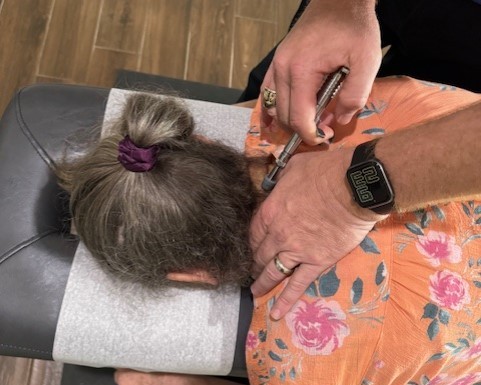
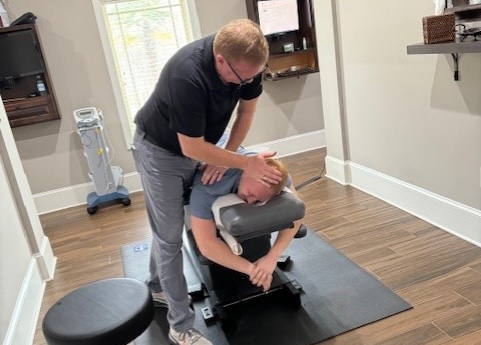
One of the most beneficial steps you can take is to consider chiropractic care. Chiropractors are trained to assess and treat issues related to the spine and nervous system, which can often be the root cause of migraines and cervical pain. By aligning your spine and improving your posture, you may reduce the frequency and intensity of your headaches.
Here are some specific strategies that can truly make a difference:
- Chiropractic Adjustments: Regular visits to a chiropractor can help realign your spine, relieve tension in your neck, and improve overall function. This can lead to a decrease in migraine occurrences and cervical pain.
- Ergonomic Changes: Pay attention to your workspace. Adjust your chair, desk, and computer to maintain good posture, which can alleviate strain on your neck and reduce migraine triggers.
- Hydration: Staying well-hydrated is essential. Dehydration can trigger migraines, so ensure you drink enough water throughout the day.
- Stress Management: Incorporate stress-relief techniques such as deep breathing, meditation, or yoga. Stress is a common trigger for both migraines and neck pain.
- Regular Exercise: Engaging in regular physical activity can improve blood flow, reduce tension, and promote overall well-being, helping to reduce headaches and cervical discomfort.
- Sleep Hygiene: Prioritize good sleep habits. Aim for consistent sleep patterns and a comfortable sleeping environment to help prevent migraines.
- Nutrition: Pay attention to your diet. Certain foods can trigger migraines, so keeping a food diary may help you identify and avoid these triggers.
By incorporating these strategies and prioritizing chiropractic care, you can take significant steps toward managing your migraines and cervical pain naturally. Remember, achieving optimal health is a journey, and with the right approach, you can transform your pain management routine into a more holistic and effective solution.
Understanding the Connection Between Migraines and Cervical Pain
Migraines and cervical pain often go hand in hand, creating a complex web of discomfort that can significantly impact your quality of life. As a chiropractor, I want to shed light on this connection and how you can find relief through natural healing methods.
Many people notice that their neck feels tense or painful right before a migraine strikes. This relationship isn’t just coincidental; it’s tied to how our bodies react to stress and tension. When your neck muscles tighten, they can affect the nerves and blood flow in your head, which may trigger a migraine.
One common culprit is poor posture. If you spend long hours hunched over a computer or looking down at your phone, you may be putting extra strain on your neck. This tension can lead to headaches and intensify migraine symptoms. The good news is that addressing cervical pain can often alleviate these headache symptoms. By reducing tension in your neck, you can improve your overall comfort and well-being.
Here are some tips to help you manage cervical pain and potentially reduce migraine occurrences:
- Maintain Good Posture: Be mindful of your posture, especially when sitting for long periods. Keep your shoulders back and your head aligned with your spine.
- Take Frequent Breaks: If you work at a desk, make it a habit to take short breaks every hour. Stand up, stretch, and move around to relieve tension in your neck.
- Stay Hydrated: Drinking enough water is essential for overall health and can help reduce the frequency of migraines.
- Practice Relaxation Techniques: Incorporate stress-relief practices like deep breathing, yoga, or meditation into your daily routine to help relax your muscles.
- Consider Chiropractic Care: Regular visits to a chiropractor can help align your spine, reduce muscle tension, and improve your overall health. Chiropractic adjustments can also enhance blood flow and nerve function, which may help prevent migraines.
By understanding the connection between migraines and cervical pain, you can take proactive steps toward better health. Chiropractic care stands out as an effective and natural approach to managing these issues, helping you achieve optimal wellness without the need for medications or invasive procedures.
Lifestyle Changes for Pain Management
Finding relief from cervical pain is essential for improving your overall well-being and reducing the frequency of migraines. As a chiropractor, I believe that chiropractic care is one of the best ways to address these issues naturally and effectively. Through regular adjustments, we can help align your spine, which can relieve pressure on your neck and promote healing.
In addition to chiropractic care, incorporating regular exercise into your routine is beneficial. Gentle activities like yoga or swimming can enhance flexibility and strengthen the muscles around your neck, providing additional support.
It’s also crucial to maintain good posture, particularly if you spend long hours sitting. Adjust your workstation ergonomically to minimize strain on your neck and spine.
Don’t overlook the importance of quality sleep. Establishing consistent sleep schedules and finding a comfortable sleeping position can significantly support your neck health. Staying hydrated is vital too, as dehydration can trigger migraines, so make sure to drink plenty of water throughout the day.
A nutritious diet rich in fruits, vegetables, and whole grains is another key aspect of managing pain. These foods can help reduce inflammation and promote overall health.
Lastly, managing stress is crucial. Consider incorporating mindfulness practices, such as meditation or engaging in hobbies you enjoy, as these can improve your mental well-being and help you cope with pain more effectively.
By making these lifestyle changes and prioritizing chiropractic care, you can create a supportive environment for your body. This holistic approach won’t only help you manage cervical pain and migraines but also contribute to your overall health and wellness.
Natural Remedies and Alternative Therapies
While medications can offer temporary relief, many individuals prefer natural remedies and chiropractic care to manage their migraines effectively. Chiropractic adjustments can help align the spine and relieve tension, which may reduce the frequency and intensity of migraines. By focusing on spinal health, you can promote overall wellness and alleviate pain without the need for medications.
In addition to chiropractic care, consider incorporating essential oils like peppermint or lavender into your routine. These can be soothing when inhaled or applied to the skin and may help ease headache symptoms. Acupuncture is another complementary approach; many people find that it helps reduce migraine occurrences by balancing energy in the body.
You might also want to explore herbal supplements, such as butterbur or feverfew, which are known for their potential anti-inflammatory effects. Staying well-hydrated and maintaining a balanced diet rich in magnesium can support your overall health and well-being.
Incorporating practices like yoga and meditation can also be beneficial. These activities help reduce tension and stress, which are common migraine triggers. Regular physical activity not only boosts your mood but can also contribute to fewer migraines by promoting overall health.
Experiment with these natural remedies alongside chiropractic care, and keep a journal to track what works best for you. Remember, it’s always wise to consult with a healthcare professional before trying new therapies, especially if you’re currently under care.
Medical Treatments and Interventions
When it comes to managing migraines, chiropractic care can play a vital role in providing relief and promoting overall wellness. Instead of relying on medications that may only mask the symptoms, chiropractic adjustments focus on addressing the root causes of your migraine pain. By realigning the spine and optimizing nervous system function, we can help reduce the frequency and intensity of migraines.
In addition to spinal adjustments, there are several natural strategies you can incorporate into your daily routine to help manage migraines. Staying hydrated, maintaining a regular sleep schedule, and practicing stress-reduction techniques, such as yoga or meditation, can all contribute to overall health and a reduction in migraine episodes.
Another effective approach is to pay attention to your diet. Certain foods may trigger migraines, so keeping a food diary can help identify and eliminate these triggers. Incorporating anti-inflammatory foods, such as leafy greens, fatty fish, and nuts, can also support your body in its natural healing process.
It’s essential to communicate openly with your chiropractor about your experiences with migraines. Together, we can customize a wellness plan that includes adjustments, lifestyle changes, and exercises tailored to your needs.
Creating a Personalized Pain Relief Plan
Creating a personalized pain relief plan is essential for effectively managing your migraines, and chiropractic care should be at the forefront of your approach. By evaluating your unique triggers, symptoms, and lifestyle, you can find natural ways to alleviate pain and promote overall wellness.
Here are three key steps to get started on your journey to a healthier, migraine-free life:
- Identify Triggers: Start by keeping a migraine diary. Document your food intake, stress levels, and sleep quality. This will help you uncover specific patterns and triggers that may lead to your migraines. Understanding these elements is the first step toward managing your pain naturally.
- Explore Chiropractic Care: Consult with a chiropractor who can assess your spinal health and its connection to your migraines. Chiropractic adjustments can help alleviate tension in the neck and spine, which may be contributing to your headaches. Your chiropractor can also guide you on natural treatment options, such as exercises and stretches tailored to your needs.
- Establish a Wellness Routine: Create a consistent daily routine that prioritizes regular sleep, proper hydration, and stress management techniques. Incorporating practices like gentle stretching, mindfulness, and even chiropractic sessions into your routine can significantly reduce the frequency and severity of your migraines.
By taking these steps and focusing on chiropractic care, you can achieve optimal health and find relief from migraines without the need for medications or invasive treatments.
Conclusion
Incorporating chiropractic care into your routine can significantly improve your experience with migraines and cervical pain. Understanding the connection between spinal health and these issues is crucial, as misalignments in the spine can contribute to tension and discomfort. By making healthy lifestyle choices and exploring natural healing techniques, you can take charge of your well-being in a holistic way.
Regular chiropractic adjustments can help restore proper alignment in your spine, alleviating pressure on nerves and muscles that may be triggering your pain. This non-invasive approach not only targets the root cause of your discomfort but also promotes overall wellness.
To enhance your quality of life, consider these helpful tips:
- Stay Hydrated: Drinking plenty of water can help reduce the frequency and intensity of migraines.
- Practice Good Posture: Maintaining proper posture can prevent strain on your neck and spine, reducing the risk of cervical pain.
- Incorporate Stretching: Gentle neck and shoulder stretches can help ease tension and promote relaxation.
- Manage Stress: Techniques such as deep breathing, yoga, or meditation can help reduce stress, a common migraine trigger.
- Keep a Pain Diary: Tracking your symptoms and potential triggers can assist both you and your chiropractor in tailoring your pain management plan.
Always remember to consult with your chiropractor about any specific concerns or symptoms you may have. With dedication to chiropractic care and these wellness tips, you can find the relief you need and enhance your overall health naturally.