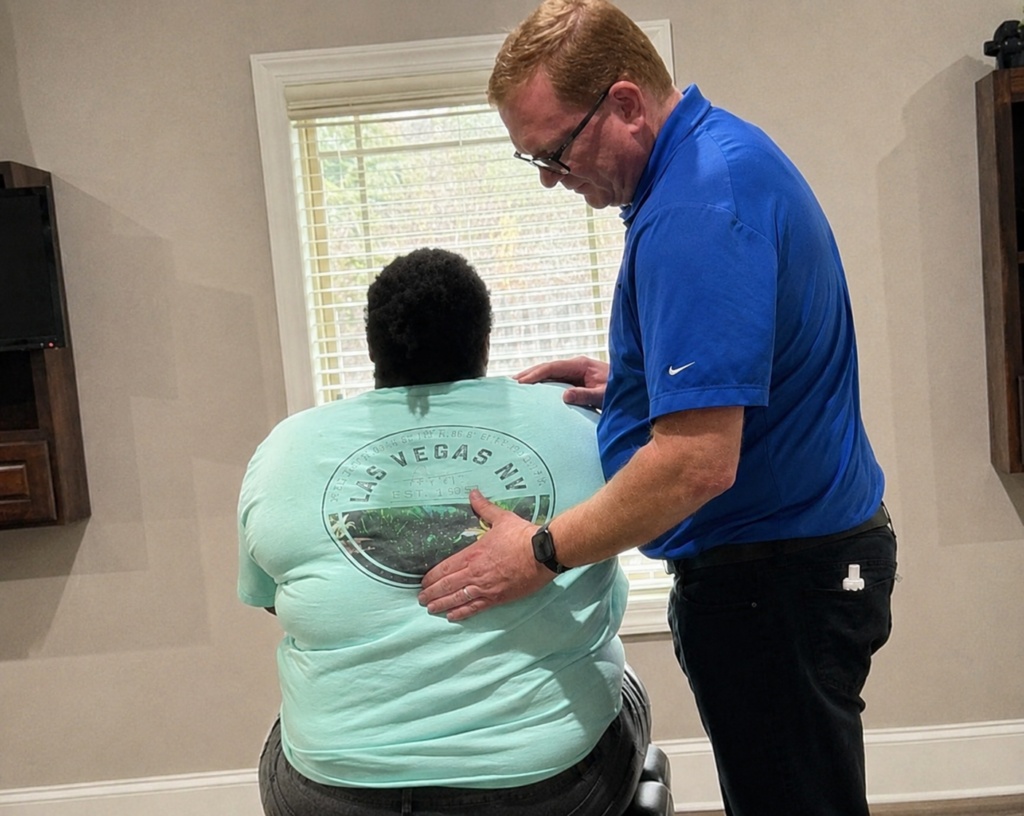

If you’ve experienced whiplash, you understand how challenging neck pain can be. Finding the right recovery option is crucial, as each approach has unique advantages. While there are many options available, chiropractic care stands out as a natural and effective way to alleviate your pain and promote healing.
Chiropractic care focuses on adjusting the spine and neck to restore proper alignment and function. This can help reduce pain, improve mobility, and enhance your overall well-being. Unlike medications or surgeries, chiropractic treatment is non-invasive and emphasizes the body’s ability to heal itself.
When considering the best approach for your recovery, think about these factors:
- Holistic Healing: Chiropractic care addresses the root cause of your pain, not just the symptoms. By restoring spinal alignment, you can support your body’s natural healing processes.
- Personalized Treatment Plans: Every patient is unique, and a chiropractor will tailor your treatment plan to your specific needs, ensuring you get the most effective care possible.
- Long-Term Wellness: Beyond just pain relief, chiropractic care promotes overall health and wellness. Regular adjustments can help prevent future injuries and improve your quality of life.
- Safe and Natural: Chiropractic care is drug-free and avoids invasive procedures, making it a safe option for those looking to recover from whiplash.
- Lifestyle Tips: Alongside your chiropractic visits, consider incorporating gentle exercises, maintaining good posture, and using heat or ice therapy to manage your neck pain at home.
By focusing on chiropractic care, you can embark on a recovery journey that not only addresses your current pain but also sets you up for a healthier, more active life. If you’re ready to take control of your recovery, schedule a consultation with your local chiropractor today. Together, we can develop a plan that works for you and helps you get back to enjoying life without neck pain.
Understanding Whiplash Injuries
When you’re involved in a car accident, the sudden jolt can lead to a whiplash injury. This happens when your head is quickly thrown back and forth, putting strain on the neck muscles and ligaments. As a result, you may experience pain, stiffness, and a limited range of motion in your neck. Other symptoms might include headaches, dizziness, or even fatigue.
It’s important to note that whiplash symptoms can vary and may not show up right away after the accident. If you start to feel any discomfort in the days following the incident, it’s crucial to take it seriously. Ignoring these signs can lead to more significant issues down the road.
Understanding your body and the healing process is key to a smooth recovery. Instead of turning to medications or invasive treatments, consider visiting a chiropractor. Chiropractic care focuses on natural healing and can help restore your spine’s alignment, which is essential for alleviating pain and improving mobility.
For optimal recovery, here are a few tips to keep in mind:
- Stay Active: Gentle movements and stretches can help reduce stiffness in your neck.
- Ice Therapy: Applying ice to the affected area can help minimize inflammation and pain.
- Posture Awareness: Maintaining good posture can support your neck and spine as you heal.
- Consult a Chiropractor: Early intervention through chiropractic care can significantly enhance your recovery and help you return to your normal activities sooner.
Traditional Therapies: Physical Rehabilitation
When recovering from whiplash, incorporating chiropractic care can significantly enhance your mobility and reduce pain. Unlike other approaches, chiropractic adjustments specifically target the root cause of your discomfort by aligning your spine and relieving tension in your muscles. This natural approach not only helps alleviate pain but also promotes better circulation and overall wellness.
In addition to chiropractic adjustments, incorporating gentle exercises and stretching techniques can further support your recovery. Simple neck stretches, for instance, can help improve flexibility and reduce stiffness. Remember to listen to your body and only perform movements that feel comfortable.
Manual therapy, which is often part of chiropractic care, can also be incredibly beneficial. By focusing on areas of tension, a chiropractor can help relieve muscle tightness and improve your overall function.
As you embark on your recovery journey, keep these tips in mind:
- Stay hydrated to support muscle and joint health.
- Prioritize good posture, especially when sitting for long periods.
- Engage in light, regular physical activity to keep your body moving.
Exercise and Stretching Techniques
Whiplash can be a challenging condition to navigate, but incorporating exercise and stretching techniques into your recovery plan can significantly enhance your mobility and alleviate pain. As your local chiropractor, I encourage you to start with gentle neck stretches, such as tilting your head side to side or forward and backward. These simple movements can help restore flexibility and reduce tension in your neck.
It’s important to gradually introduce strengthening exercises as your comfort allows. Consider adding shoulder shrugs and resistance band pulls to your routine to support and stabilize your neck muscles. Always pay attention to how your body feels—if you experience pain, it’s best to ease off and consult with a professional.
Consistency is crucial for seeing the best results, so aim to practice these exercises daily. Not only will incorporating these techniques help with your recovery, but they’ll also build your confidence in movement.
Remember, chiropractic care can offer comprehensive support during your healing journey, focusing on natural methods that promote wellness without the need for medications or surgeries.
If you have any concerns or want to tailor your exercise plan to fit your specific needs, don’t hesitate to reach out. Your health and well-being are our top priority, and we’re here to help you achieve optimal health through natural healing and effective spinal care.
Manual Therapy Benefits
Manual therapy is a vital component in your whiplash recovery journey, offering natural healing solutions that enhance mobility and reduce pain without the need for medications or invasive procedures.
As a chiropractor, I focus on hands-on techniques that specifically target your neck and surrounding muscles, leading to significant improvements in your overall well-being. Here’s how manual therapy can help you:
- Gentle manipulation of soft tissues helps to relieve tension, allowing your body to relax and heal naturally.
- Joint mobilization techniques can increase your range of motion, making everyday activities more comfortable and enjoyable.
- Trigger point therapy effectively alleviates localized pain, addressing those frustrating knots that can hinder your recovery.
- Myofascial release helps to alleviate tightness in the fascia, promoting better blood flow and tissue healing.
- Relaxation techniques not only reduce stress but also create an environment conducive to healing, supporting your body’s natural recovery processes.
In addition to these manual therapy techniques, here are some general tips to enhance your recovery and maintain optimal health:
- Stay hydrated to support tissue health and recovery.
- Incorporate gentle stretching and strengthening exercises as recommended by your chiropractor.
- Practice good posture to prevent additional strain on your neck and spine.
- Consider using heat or cold packs as needed to manage discomfort.
- Make time for relaxation and stress-reducing activities, such as deep breathing or mindfulness.
By choosing chiropractic care, you’re taking a proactive step towards achieving pain relief and embracing a healthier lifestyle.
Chiropractic Care for Neck Pain
Chiropractic care is a powerful solution for neck pain, particularly after experiencing whiplash. When you come to see me, I’ll thoroughly evaluate your condition and design a personalized treatment plan tailored to your unique needs. Through gentle spinal adjustments, I can help realign your spine, which can enhance your mobility and significantly reduce pain.
In addition to spinal adjustments, I utilize various techniques such as soft tissue therapy and specific exercises to support your recovery. By focusing on relieving muscle tension and addressing joint restrictions, you’ll likely find an improvement in your range of motion and a decrease in discomfort.
Consistent chiropractic sessions not only help you recover from neck pain but also play a vital role in preventing future injuries. By strengthening your neck and back, we can work together to create a resilient foundation for your overall health. Throughout your treatment journey, I’ll keep track of your progress and make adjustments to your care plan as needed to ensure you’re on the right path.
Taking this proactive approach not only aids in healing from whiplash but also fosters long-term neck health. If you’re dealing with neck pain, I encourage you to schedule an appointment so we can explore how chiropractic care can be your best choice for pain relief and natural wellness.
Here are a few general tips to help you maintain neck health between visits:
- Practice Good Posture: Keep your head aligned over your shoulders and avoid slouching, especially while using your phone or computer.
- Stay Hydrated: Drinking plenty of water can help keep your muscles hydrated and functioning optimally.
- Incorporate Gentle Stretching: Simple neck stretches can relieve tension and improve flexibility. Just remember to do them slowly and gently.
- Limit Stress: Stress can lead to muscle tension in your neck. Try relaxation techniques such as deep breathing or meditation.
Acupuncture: An Alternative Approach
Acupuncture may seem like a popular alternative, but as a local chiropractor, I want to emphasize the exceptional benefits of chiropractic care when it comes to whiplash recovery and overall wellness. Chiropractic adjustments focus on realigning the spine and ensuring that your nervous system functions optimally, which is crucial for healing after an injury.
During a chiropractic session, a trained professional will assess your spine and identify any misalignments that may be contributing to your pain or discomfort. This hands-on approach can relieve tension, improve mobility, and promote the body’s natural healing processes.
You might wonder what to expect during a chiropractic visit – typically, it involves a comprehensive evaluation, gentle adjustments, and personalized advice on exercises and lifestyle changes to support your recovery.
While some may consider acupuncture, I believe chiropractic care is the most effective and natural method for pain relief. It’s important to remember that everyone’s body is different; therefore, a tailored approach through chiropractic can lead to better outcomes.
Here are a few general tips to support your recovery from whiplash:
- Stay Active: Gentle stretching and movement can help maintain range of motion.
- Maintain Good Posture: Pay attention to your posture while sitting, standing, and sleeping to avoid additional strain on your neck and spine.
- Hydrate: Drinking plenty of water supports overall health and aids in recovery.
- Ice and Heat Therapy: Use ice packs to reduce inflammation in the early stages and heat packs later on to relax tight muscles.
Mechanism of Action
While many seek relief from whiplash pain through traditional methods, chiropractic care offers a comprehensive, natural approach that focuses on restoring spinal health and enhancing the body’s innate ability to heal.
By aligning the spine and addressing any misalignments, chiropractic care promotes optimal function and can significantly alleviate discomfort. Here’s what you might experience when you choose chiropractic treatment:
- A gentle adjustment that helps restore proper alignment to your spine
- Improved circulation as your body begins to function more efficiently
- A release of endorphins, which help to naturally reduce pain
- Decreased muscle tension and stiffness in the neck and surrounding areas
- A greater sense of relaxation and overall well-being
Chiropractic care goes beyond simply masking pain; it encourages your body to heal from the inside out.
By focusing on spinal health, you can support your body’s natural healing processes and effectively manage the discomfort associated with whiplash.
Here are some general tips to enhance your recovery:
- Stay Hydrated: Drinking plenty of water helps to keep your muscles and joints lubricated, aiding in recovery.
- Gentle Stretching: Incorporate gentle neck stretches to improve flexibility and reduce stiffness.
- Posture Awareness: Maintain good posture, especially when seated, to minimize strain on your neck and spine.
- Rest and Recover: Allow your body time to heal by getting adequate sleep and avoiding activities that may exacerbate your pain.
Choosing chiropractic care can be a powerful step toward achieving optimal health and wellness.
If you’re dealing with whiplash, consider visiting a chiropractor to explore how they can help you on your journey to recovery.
Treatment Expectations
Navigating the world of treatment options for whiplash can be overwhelming, but as a chiropractor, I believe that chiropractic care is one of the best paths to achieving optimal health and pain relief.
When dealing with whiplash, it’s crucial to set realistic expectations for your recovery. While some patients may feel immediate relief after their first visit, significant improvements often take time and multiple sessions.
It’s important to find a licensed chiropractor who specializes in treating neck pain and whiplash injuries. During your appointments, be open and honest about your symptoms and any discomfort you’re experiencing. This communication allows your chiropractor to tailor their treatment plan specifically to your needs.
Chiropractic adjustments can help restore proper alignment to the spine and neck, promoting natural healing and allowing your body to function optimally.
In addition to chiropractic care, consider incorporating gentle stretches and exercises recommended by your chiropractor to support your recovery. Staying consistent with your visits is key to enhancing your healing journey.
Potential Side Effects
While many people find acupuncture to be a helpful alternative for whiplash recovery, it’s important to be aware of the potential side effects.
As a chiropractor dedicated to promoting natural healing and optimal health, I want to ensure you have all the information you need when considering your treatment options.
While most individuals tolerate acupuncture well, some may experience:
- Soreness at the needle insertion sites, which can feel similar to a bruise.
- Dizziness or lightheadedness during or after treatment.
- Fatigue, which may leave you feeling unusually tired.
- Minor bleeding or bruising, particularly if you’re taking blood thinners.
- Emotional release, which can be overwhelming if it comes unexpectedly.
Understanding these side effects can help you prepare and make informed decisions about your health.
However, as a chiropractor, I encourage you to explore chiropractic care as a primary option for pain relief and recovery.
Chiropractic adjustments can help realign your spine, relieve tension, and improve your overall wellness without the side effects that may accompany acupuncture or other treatments.
If you’re dealing with whiplash or any pain, consider scheduling an appointment with a chiropractor.
We can work together to create a personalized plan that focuses on natural healing and your unique needs.
And remember, always share any concerns with your healthcare provider to ensure you’re making the best choices for your health and recovery journey.
The Role of Massage Therapy
Massage therapy can be a helpful component in the recovery process from whiplash, but it’s important to remember that chiropractic care is often the most effective way to address the underlying issues causing pain and discomfort.
As a chiropractor, I emphasize that while massage can alleviate muscle tension and promote relaxation, chiropractic adjustments focus on realigning the spine and improving overall function.
When you visit a chiropractor, they’ll assess your neck and spine, identifying any misalignments that could be contributing to your pain. Through gentle adjustments, they can help restore proper motion and reduce inflammation, which may enhance your recovery more significantly than massage alone.
Incorporating chiropractic care into your recovery plan can lead to improved mobility and reduced pain. Regular chiropractic visits not only address immediate concerns but also support long-term health by promoting proper posture and spinal alignment, which is essential for overall wellness.
Additionally, engaging in gentle stretches and exercises as recommended by your chiropractor can further aid in your healing process. It’s important to communicate openly about your pain levels and any discomfort so that your chiropractor can tailor your treatment to your needs.
By prioritizing chiropractic care, you’re taking a proactive step towards regaining strength and comfort in your neck, ultimately enhancing your quality of life.
Over-the-Counter Medications and Pain Relief
As you work on your recovery from whiplash, finding effective ways to manage pain is essential. While over-the-counter (OTC) medications might seem like a quick fix, I want to emphasize that chiropractic care can be your best ally in achieving lasting relief and restoring your well-being.
Here’s why considering chiropractic treatment is a smart choice:
- Holistic Approach: Chiropractic care focuses on the whole person, not just the symptoms. By addressing the underlying issues in your spine and nervous system, we can help reduce pain and improve function naturally.
- Gentle Adjustments: Chiropractors use safe, hands-on techniques to realign the spine. These adjustments can relieve tension, reduce inflammation, and promote healing without the need for medications.
- Customized Treatment Plans: Every individual’s situation is unique. A chiropractor will create a tailored plan just for you, which may include spinal adjustments, exercises, and lifestyle advice to enhance your recovery.
- Natural Healing: By improving your spinal health, chiropractic care can enhance your body’s natural ability to heal itself. This means less reliance on medications and a greater focus on long-term wellness.
- Education and Empowerment: A chiropractor will help you understand your body better, providing tips on posture, ergonomics, and exercises that can prevent future injuries and improve your overall health.
Instead of solely relying on OTC medications, consider incorporating chiropractic care into your recovery plan.
It’s a natural, effective way to manage pain while promoting overall health and wellness. Always remember to consult with a healthcare professional before starting any new treatment, and take proactive steps toward a healthier, pain-free life!
Lifestyle Changes and Home Remedies
Making lifestyle changes and utilizing home remedies can significantly enhance your recovery from whiplash, and chiropractic care can play a crucial role in this process. One of the first steps is to pay attention to your posture. Sitting and standing up straight not only helps to reduce strain on your neck but also supports your spinal alignment, which is vital for overall health.
Incorporating gentle stretching exercises can maintain flexibility and reduce stiffness, and your chiropractor can provide personalized stretches that are safe and effective for your condition.
Another beneficial practice is applying a warm compress to your neck for 15-20 minutes several times a day. The warmth can soothe discomfort and improve blood flow, aiding in healing.
Staying well-hydrated is also essential for muscle recovery, so be sure to drink plenty of water throughout the day. While you’re healing, it’s wise to avoid high-impact activities and heavy lifting. Instead, consider engaging in low-impact exercises like walking or swimming, which can help maintain your fitness without putting extra stress on your neck.
Managing stress is another important aspect of recovery. Techniques such as deep breathing or meditation can help you relax, as stress can worsen pain.
Finally, never underestimate the power of a good night’s sleep; proper rest is fundamental for healing and overall wellness.
Remember, chiropractic care not only addresses the pain but also focuses on restoring balance to your body and enhancing your overall health. Regular visits to your chiropractor can provide ongoing support and guidance tailored specifically to your recovery needs.
Embrace these lifestyle changes, and you’ll be on your way to a healthier, pain-free life.
When to Seek Professional Help
Recognizing when to seek professional help is crucial in your journey to recovery from whiplash, and I’m here to guide you through it. If you notice any of the following symptoms, I encourage you to reach out to a chiropractic professional:
- Persistent pain that doesn’t seem to improve with gentle at-home remedies like ice or heat. Chiropractic adjustments can help realign your spine and alleviate pain naturally.
- Numbness or tingling in your arms or hands. This could indicate nerve involvement, which is something a chiropractor can assess and treat effectively.
- Severe headaches that feel different from your usual tension or migraine headaches. Chiropractic care can address tension in the neck and shoulders that often contributes to headaches.
- Dizziness or balance issues that disrupt your daily activities. A chiropractor can help identify and treat underlying issues that might be causing these symptoms.
- Difficulty moving your neck or a loss of range of motion that makes daily tasks challenging. Chiropractic adjustments can restore mobility and function to your neck.
Addressing these symptoms early through chiropractic care can help you avoid long-term complications and speed up your recovery process. Always listen to your body—if something feels off, seeking the advice of a chiropractor is a wise choice. Remember, your health is a priority!
To support your recovery, consider incorporating gentle stretches into your routine, maintaining good posture, and staying hydrated.
These simple lifestyle changes can enhance your overall well-being and complement the benefits of chiropractic care. By choosing a natural approach, you’re taking a proactive step towards achieving optimal health and wellness.
Conclusion
To summarize, recovering from whiplash involves exploring effective neck pain solutions tailored to your needs. As a local chiropractor, I firmly believe that chiropractic care stands out as one of the best options for achieving optimal health and relief from pain. Chiropractic adjustments can help restore proper alignment, reduce inflammation, and promote healing in the neck area.
In addition to chiropractic care, other natural methods like acupuncture and manual therapy can provide unique benefits, but they should complement your chiropractic treatment rather than replace it. Remember, lifestyle changes and home remedies play a crucial role in your recovery journey. Simple practices like maintaining good posture, using supportive pillows while sleeping, and gentle stretching can significantly aid in your healing process.
If you find yourself dealing with persistent neck pain, seeking professional chiropractic help is essential. By addressing your whiplash injuries early with chiropractic care, you can ensure a smoother path to lasting relief and improved mobility. Always prioritize your natural healing journey, and let chiropractic care guide you toward a healthier, pain-free life.