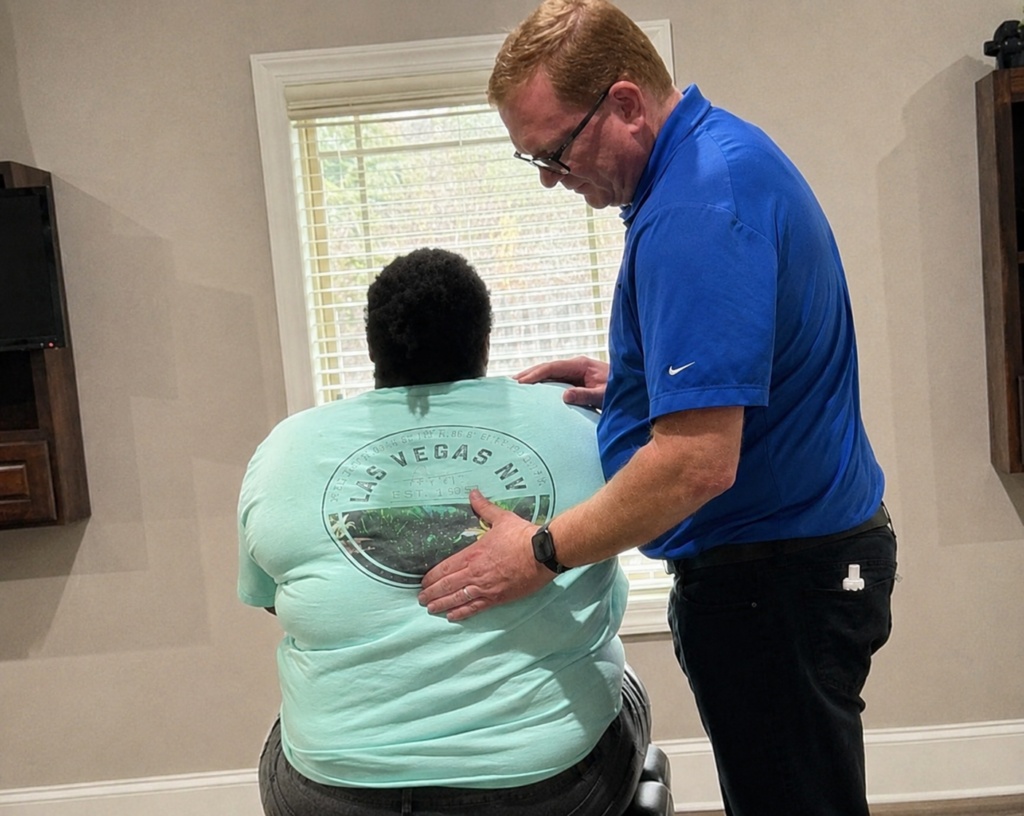

You might not realize how essential regular care is to enhancing your mobility and maintaining independence. By keeping up with routine check-ups and addressing physical concerns early, you can greatly improve your quality of life. Engaging in tailored exercise and nutrition plans also plays a key role in fostering movement confidence. However, there are often overlooked factors that can further elevate your mobility. What if a simple adjustment in your daily habits could release even greater potential for movement?
Understanding Mobility and Its Importance
Mobility plays an essential role in your daily life, influencing everything from your ability to commute to your capacity for physical activity. When you think about mobility, it's not just about how you move from one place to another; it's also about how easily you can perform daily tasks, engage in social activities, and maintain your overall health. The freedom to move impacts your independence and quality of life.
Good mobility allows you to participate in activities you enjoy, whether it's hiking, playing with your kids, or simply walking around your neighborhood. When you can move freely, you're more likely to stay active, which benefits your physical and mental health. Regular physical activity can enhance your strength, flexibility, and balance, all of which are crucial for maintaining mobility as you age.
On the other hand, limited mobility can lead to frustration and isolation. If you're struggling to get around, you may find yourself avoiding social situations or missing out on events that are important to you. This can create a cycle of inactivity that further diminishes your mobility.
Understanding the importance of mobility in your life encourages you to take proactive steps to maintain and improve it. Whether that means engaging in exercise routines, focusing on proper nutrition, or finding ways to stay active, prioritizing mobility can lead to a healthier, more fulfilling life.
The Role of Regular Check-Ups
Regular check-ups are essential for maintaining your overall health, especially as you age and seek to preserve your mobility. These routine visits allow healthcare professionals to monitor your condition, catch potential issues early, and provide personalized recommendations tailored to your needs.
When you prioritize regular check-ups, you're actively taking charge of your health and ensuring that any changes in your body are addressed promptly.
During these appointments, your doctor will assess key factors such as your strength, flexibility, and balance. They might also evaluate your range of motion and suggest exercises or lifestyle adjustments to enhance your physical capabilities.
Regular check-ups can help identify underlying problems that could impact your mobility, such as joint pain, muscle weakness, or chronic conditions like arthritis.
You'll find that staying consistent with check-ups not only aids in early detection of health concerns but also fosters a stronger relationship with your healthcare provider. This relationship can be invaluable when you have questions about your health or need guidance on maintaining an active lifestyle.
Benefits of Physical Therapy
Physical therapy offers numerous benefits that can markedly enhance your quality of life. Whether you're recovering from an injury, managing a chronic condition, or looking to improve your mobility, physical therapy provides effective solutions tailored to your specific needs.
You'll work with skilled professionals who understand your body and can create personalized treatment plans that focus on your goals.
One significant advantage of physical therapy is pain management. Therapists use various techniques, including manual therapy and therapeutic exercises, to alleviate pain and improve function. You might find that, with consistent sessions, you can reduce your reliance on medications, which often come with unwanted side effects.
Another benefit is improved mobility and flexibility. If you're experiencing stiffness or limited range of motion, physical therapy can help restore your movement. Through targeted exercises and stretches, you'll regain strength and mobility, making daily activities easier and more enjoyable.
Additionally, physical therapy emphasizes education. You'll learn about your body and how to prevent future injuries, empowering you to take control of your health. This knowledge not only aids in recovery but also fosters long-term wellness.
Lastly, physical therapy can enhance your overall physical performance. Whether you're an athlete or just someone who enjoys staying active, a physical therapist can help you optimize your movement patterns and enhance your physical capabilities.
Incorporating Exercise Into Daily Life
Incorporating exercise into your daily life doesn't have to be complicated.
You can start by turning simple activities, like walking or taking the stairs, into opportunities for movement.
Joining group workouts or taking movement breaks throughout your day can make staying active fun and engaging.
Simple Daily Activities
Finding ways to integrate exercise into your daily routine can make a significant difference in your overall mobility and health. You don't need to hit the gym for hours; simple activities can be just as effective. Start by incorporating short walks into your day. Whether it's a stroll around your neighborhood or walking to the store, every step counts.
Consider taking the stairs instead of the elevator. It's a quick way to elevate your heart rate and strengthen your legs. If you work at a desk, stand up and stretch regularly. Even small movements, like leg lifts or shoulder rolls, can help reduce stiffness and enhance flexibility.
Don't forget about household chores! Vacuuming, gardening, or even washing the car can provide a solid workout. Try to make these tasks more active by adding movements like squats or lunges.
Lastly, consider setting a timer to remind yourself to move every hour. A few minutes of activity each hour can add up to significant health benefits over time.
Fun Group Workouts
Group workouts can often make exercising feel less like a chore and more like an enjoyable social event. When you gather with friends or join a community class, you create a supportive environment that motivates you to push harder and stay consistent.
Whether it's a high-energy Zumba class, a calming yoga session, or a challenging boot camp, the camaraderie of group workouts can elevate your experience.
You'll find that sharing the journey with others keeps you accountable, making it easier to stick to your fitness goals. Plus, you'll likely discover new exercises and techniques that you wouldn't have tried on your own.
The laughter and shared challenges create bonds, turning each workout into a fun outing rather than a solitary task.
Don't forget to explore local parks, gyms, or recreational centers that offer group classes. Many communities host outdoor events, like group runs or cycling meet-ups, which can really spice up your routine.
Incorporate Movement Breaks
One effective way to boost your daily activity is by incorporating movement breaks throughout your day. These short intervals allow you to stretch, walk, or do simple exercises, helping you shake off stiffness and enhance your mobility. Aim for at least five minutes every hour, whether you're working at a desk, watching TV, or doing household chores.
You can set reminders on your phone or use apps designed to encourage movement. During these breaks, try standing up and doing some light stretches or walking around the room. If you're at work, consider taking the stairs instead of the elevator or walking to a colleague's desk instead of sending an email.
Engaging in movement breaks not only helps your physical health but also boosts your mood and productivity. You'll find that these short bursts of activity can re-energize you, making it easier to focus on tasks.
Nutrition's Impact on Mobility
Nutrition plays a vital role in enhancing your mobility, influencing everything from muscle strength to joint health. When you fuel your body with the right nutrients, you're setting yourself up for improved function and reduced discomfort.
For instance, protein is essential for building and repairing muscles. If you're not getting enough, you might find it harder to perform daily activities or recover from physical exertion.
Healthy fats, particularly omega-3 fatty acids, can also make a significant difference. These fats help reduce inflammation, which is important for maintaining healthy joints. Including sources like fish, walnuts, and flaxseeds in your diet can keep your joints lubricated and functioning efficiently.
Carbohydrates are another key player. They provide the energy needed for your daily movements. Opt for whole grains, fruits, and vegetables to guarantee you're getting both energy and the necessary vitamins and minerals.
Antioxidants found in colorful fruits and veggies can help combat oxidative stress, which can affect your mobility over time.
Hydration can't be overlooked, either. Staying well-hydrated supports overall bodily functions, including muscle performance and joint lubrication. Aim for adequate water intake to keep your body moving smoothly.
Finally, consider portion sizes and balance. Eating a well-rounded diet that includes a variety of nutrients will help you maintain a healthy weight, reducing strain on your joints and improving your overall mobility.
Stretching and Flexibility Training
How can stretching and flexibility training enhance your mobility? When you incorporate regular stretching into your routine, you're actively working to improve your range of motion. This increased flexibility allows your joints and muscles to move more freely, making everyday tasks like bending, reaching, or twisting feel easier and more comfortable.
By regularly engaging in flexibility training, you're not just targeting tight muscles; you're also promoting better circulation. Improved blood flow can help deliver essential nutrients to your muscles, aiding recovery and overall performance. You'll find that as your muscles become more pliable, you're less likely to experience stiffness after periods of inactivity.
Moreover, stretching can help improve your posture, which plays a vital role in mobility. When your muscles are balanced and flexible, they support your body in a more aligned position, reducing the strain on joints and ligaments. This alignment can lead to more efficient movement patterns, whether you're exercising or simply going about your day.
Incorporating a variety of stretching techniques—like static, dynamic, and ballistic stretching—can further enhance your flexibility. Each type serves a unique purpose, helping you target different muscle groups and achieve a thorough training routine.
Preventing Injuries Through Care
To keep yourself moving freely and avoid injuries, regular check-ups are essential.
Strengthening your muscles and joints, along with maintaining proper technique and posture, plays a vital role in your overall mobility.
Importance of Regular Check-ups
Regular check-ups can make a world of difference in preventing injuries and maintaining your overall mobility. By regularly visiting your healthcare provider, you can catch potential issues before they escalate. Whether it's joint pain, muscle stiffness, or balance problems, early detection allows for timely intervention and treatment.
During these check-ups, your doctor can assess your physical condition, recommend necessary exercises, and provide guidance tailored to your specific needs. This proactive approach helps you stay informed about your health and empowers you to make better choices.
You'll also have the opportunity to discuss any concerns that might affect your mobility, ensuring you address them before they lead to serious injuries. Moreover, establishing a relationship with your healthcare provider fosters trust and open communication, making it easier to discuss any changes in your body.
Regular check-ups also help you stay up-to-date on vaccinations and screenings, which are essential for overall well-being. So, don't overlook the importance of these appointments. By committing to regular check-ups, you're taking a significant step toward preserving your mobility, enhancing your quality of life, and preventing future injuries.
Strengthening Muscles and Joints
Building strength in your muscles and joints is essential to preventing injuries and maintaining mobility. When you focus on strengthening these areas, you create a solid foundation that supports your daily activities. Start by incorporating resistance training into your routine. This can include bodyweight exercises, weights, or resistance bands. You don't have to lift heavy; even lighter weights can markedly contribute to muscle conditioning.
In addition to resistance training, don't forget about flexibility and balance exercises. Stretching helps maintain your range of motion, while balance exercises, like yoga or tai chi, enhance stability. A well-rounded approach won't only strengthen your muscles but also improve joint functionality.
Consistency is critical. Aim to include strength and flexibility exercises in your weekly routine. Even short, frequent sessions can lead to meaningful improvements over time.
Listen to your body, and if something doesn't feel right, consult a professional. Regular care, including physical therapy or chiropractic adjustments, can also play an important role in your muscle and joint health.
Proper Technique and Posture
Your body's alignment and technique during exercises play an essential role in preventing injuries. When you perform movements with proper posture, you distribute stress evenly across your muscles and joints, reducing the risk of strain.
Start by engaging your core; it stabilizes your spine and supports your movements. Focus on maintaining a neutral spine; this prevents undue pressure on your back.
Pay attention to your feet and knees. They should align with your hips during exercises like squats or lunges, ensuring your joints work together harmoniously. Avoid letting your knees collapse inward, as this can lead to injuries over time.
When lifting weights, remember to keep your back straight and lift with your legs, not your back. This technique minimizes the risk of lower back injuries.
Finally, don't rush through your workouts. Slow, controlled movements allow for better technique and greater awareness of your body's position.
If you're unsure about your form, consider working with a trainer who can provide guidance. By prioritizing proper technique and posture, you'll not only enhance your performance but also protect yourself from potential injuries.
Posture and Its Effects on Movement
Good posture plays an essential role in how well you move. When you maintain proper alignment, your body functions more efficiently, reducing strain on your muscles and joints. This efficiency translates to greater mobility and less discomfort, allowing you to engage in daily activities with ease.
Here are three ways good posture impacts your movement:
- Joint Health: Maintaining proper posture helps distribute your body weight evenly across your joints. This balanced distribution minimizes wear and tear, reducing the risk of injuries, especially in your knees, hips, and back.
- Muscle Efficiency: When you stand or sit with good posture, your muscles work harmoniously. This means that you're not overexerting certain muscle groups while underusing others. As a result, you'll notice improved strength and endurance, making physical tasks feel less taxing.
- Breathing and Circulation: Good posture opens up your chest and abdominal areas, allowing for deeper breathing and improved circulation. Better oxygen flow enhances your overall energy levels, making it easier to move around and stay active throughout the day.
Tools and Techniques for Better Mobility
Achieving better mobility often requires a combination of tools and techniques that can enhance your movement efficiency. One of the simplest yet most effective tools is a sturdy walking aid, like a cane or walker, which can provide support and stability. If you're experiencing joint pain or weakness, these aids can greatly reduce the risk of falls while giving you the confidence to move around more freely.
Incorporating stretching and strengthening exercises into your routine is another essential technique. Dynamic stretches can warm up your muscles, while strength training builds the necessary muscle to support your joints. Focus on exercises targeting your legs, core, and back—these areas play a critical role in maintaining balance and mobility.
Don't overlook the importance of proper footwear. Wearing shoes that provide adequate support and cushioning can make a world of difference. Look for shoes designed for stability and comfort, avoiding high heels or flip-flops that can compromise your balance.
Additionally, consider using mobility-enhancing tools like balance boards or resistance bands. These can help improve your coordination and strength, allowing for smoother movements in daily activities. Engaging in low-impact activities such as swimming or cycling can also promote mobility without putting too much strain on your joints.
Lastly, staying hydrated and maintaining a healthy diet supports overall physical well-being, which plays a considerable role in your mobility. By integrating these tools and techniques into your daily life, you'll notice improvements that can lead to greater freedom of movement and a better quality of life.
Creating a Personalized Care Plan
Creating a personalized care plan is essential for maximizing your mobility and overall well-being. When you take the time to tailor a plan that fits your unique needs, you're setting yourself up for success.
A personalized care plan involves understanding your current mobility challenges, your goals, and the resources available to you. Here's how to get started:
1. Assess Your Needs: Begin by evaluating your current mobility level and any limitations you may face. Consider factors like pain, muscle strength, and endurance. This assessment will help you identify specific areas to target.
2. Set Clear Goals: Define what you want to achieve. Whether it's walking longer distances, improving flexibility, or engaging in specific activities, setting measurable goals gives you something concrete to work towards.
Remember, these goals should be realistic and achievable, so you stay motivated.
3. Develop a Support System: Surround yourself with a network of professionals and loved ones who can support your journey. This might include physical therapists, trainers, or family members who can help keep you accountable and provide encouragement.
As you implement your personalized care plan, regularly review and adjust it based on your progress. Celebrate your achievements, no matter how small, and stay committed to your goals.
Conclusion
Incorporating regular care into your routine can considerably enhance your mobility and overall well-being. By staying proactive with check-ups, engaging in physical therapy, and maintaining a balanced diet, you can prevent injuries and improve your strength and flexibility. Remember, a personalized care plan tailored to your needs is key to achieving your mobility goals. Embrace these practices, and you'll experience a more active, independent lifestyle that enhances your quality of life each day.