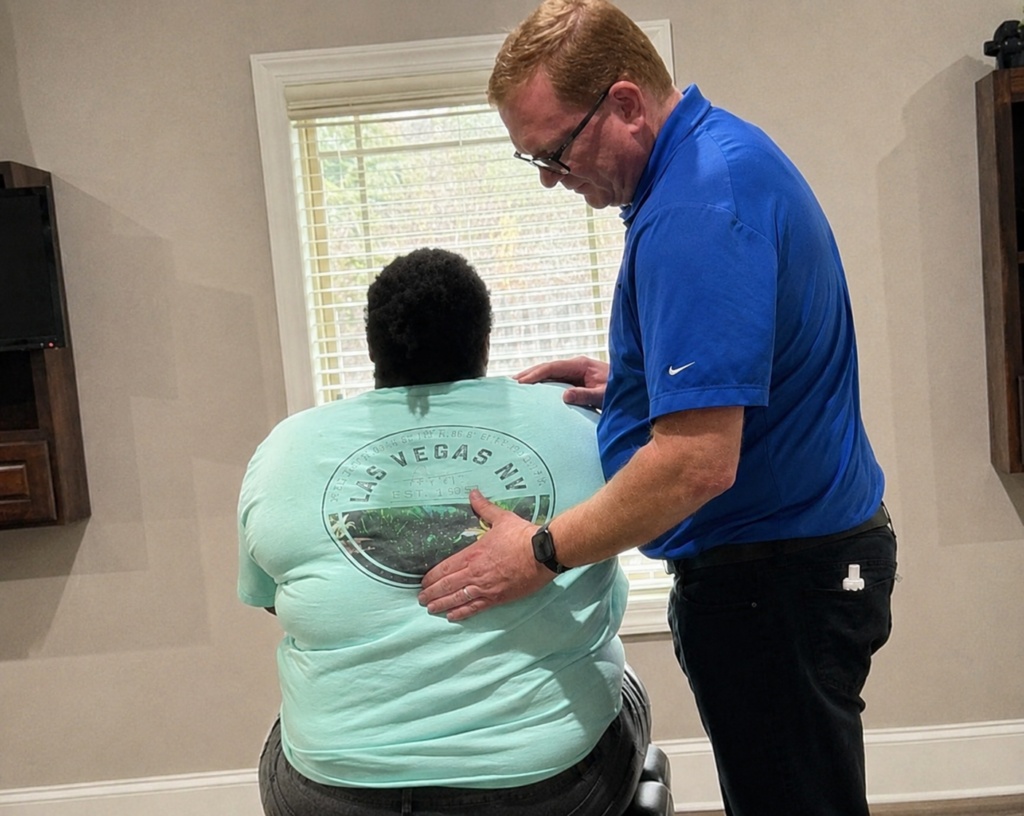

You might think that a positive attitude is all you need to tackle life's challenges, but have you considered how your spine plays a role in your overall well-being? Poor spinal alignment can lead to more than just physical discomfort; it can affect your mental state and emotional resilience. By prioritizing spinal health, you could open up a new level of stability and confidence. Curious about how these adjustments can transform not only your posture but also your mindset? The connection runs deeper than you might expect.
The Spine-Body Connection
Your spine isn't just a column of bones; it's an essential link between your body and your overall health. Think of it as the central highway for your nervous system. When your spine is properly aligned, it allows for optimal communication between your brain and the rest of your body. This connection affects everything from your movement to your energy levels, making it important to prioritize spinal health.
You may not realize it, but your spine plays a key role in how your organs function. Misalignments can lead to nerve interference, which may disrupt the signals your body needs to operate smoothly. For example, if your spine is out of whack, it can hinder digestion, weaken your immune system, and even affect your mood. Keeping your spine aligned can help guarantee that every part of your body is working in harmony.
Moreover, a healthy spine can enhance your posture, which not only affects how others perceive you but also influences your self-esteem. When you stand tall, you project confidence, and this can have a powerful impact on your interactions and mental well-being.
Incorporating regular exercise, stretching, and mindfulness practices can help maintain that essential spine-body connection.
Symptoms of Poor Alignment
If you're experiencing chronic pain or discomfort, it might be a sign of poor spinal alignment.
Misalignment can also impact your mood and mental clarity, leading to feelings of anxiety or fatigue.
Understanding these symptoms is essential for taking steps toward better alignment and overall health.
Common Physical Symptoms
Poor spinal alignment can lead to a variety of common physical symptoms that affect daily life. You might experience persistent back pain, making simple tasks feel intimidating. This discomfort often radiates to your neck and shoulders, causing stiffness that limits your range of motion.
Headaches may become more frequent, often stemming from tension in the upper back and neck regions. You may also notice fatigue or decreased energy levels. When your spine is misaligned, it can hinder your body's ability to function efficiently, leaving you feeling drained.
Additionally, poor posture can lead to digestive issues, as misalignment can compress your organs and affect their function. Numbness or tingling sensations in your arms or legs might occur, signaling nerve compression due to misalignment.
If you find yourself frequently adjusting your posture or shifting positions to relieve discomfort, it's a sign your alignment needs attention. Recognizing these symptoms early can help you take proactive steps toward better spinal health.
Whether it's through chiropractic care, stretching, or strengthening exercises, addressing misalignment can greatly improve your physical well-being and overall quality of life.
Psychological Effects of Misalignment
Misalignment of the spine doesn't just impact physical health; it can also take a toll on your mental well-being. When your spine is out of alignment, you may experience increased tension and discomfort, leading to higher stress levels. This stress can manifest as anxiety, irritability, or even mood swings, making it harder for you to maintain a positive outlook on life.
You might also notice a decrease in your focus and productivity. Chronic pain and discomfort can distract you, making it challenging to concentrate on tasks or engage fully in conversations.
Additionally, poor posture often leads to feelings of low self-esteem and decreased confidence, as you may feel less capable or energetic.
Moreover, the emotional burden of dealing with physical discomfort can create a vicious cycle. As you struggle with your mental state, your body may react by tightening muscles or promoting further misalignment, leading to more pain and frustration.
Taking the time to address your spinal alignment can greatly improve not just your physical health, but your mental clarity and emotional resilience.
Prioritizing your spine's health can pave the way for a more balanced, fulfilling life.
Emotional Impact of Back Pain
Back pain doesn't just affect your body; it can take a serious toll on your emotional well-being. When you're dealing with persistent pain, it's easy to feel overwhelmed, irritable, or even hopeless. You might find yourself withdrawing from social activities or skipping out on hobbies you once enjoyed.
The frustration of not being able to move freely can lead to feelings of isolation, making it harder to connect with loved ones. Your daily routine can feel challenging, and tasks that once seemed trivial can become monumental challenges. This constant struggle can wear you down mentally, leading to stress and anxiety.
You might start to question your self-worth or feel like a burden to those around you. It's common to experience mood swings or feel on edge, as the pain distracts you from what you genuinely care about.
Moreover, the emotional impact of back pain can create a cycle that's hard to break. The more pain you feel, the more your mood deteriorates, and the worse your pain may become. You might find yourself caught in a loop of negative thoughts, which can further exacerbate your discomfort.
Recognizing these emotional challenges is the first step toward addressing them. Understanding that your feelings are valid can empower you to seek support—whether through friends, family, or professionals.
Benefits of Spinal Adjustment
Spinal adjustments can greatly enhance your overall health and well-being. When you align your spine, you're not just addressing back pain; you're improving your body's function as a whole. By restoring proper alignment, you facilitate better communication between your brain and body. This can lead to reduced nerve interference, allowing your body to operate more effectively.
One significant benefit you might notice is a decrease in pain and discomfort. Many people experience relief from chronic pain conditions, such as headaches, neck pain, and lower back issues, after spinal adjustments. You'll likely find that you can engage in daily activities with greater ease and less discomfort.
Furthermore, spinal adjustments can boost your immune system. When your spine is properly aligned, your nervous system can function efficiently, which plays a vital role in your immune response. By maintaining a healthy spine, you're giving your body a better chance to ward off illness.
You might also experience improved posture and increased flexibility. As your spine becomes more aligned, you'll notice you stand taller and move more freely. This can enhance your athletic performance and overall physical capabilities.
Lastly, many people report better sleep quality after receiving spinal adjustments. When your body is free from tension and discomfort, it's easier to relax and fall into a deep, restorative sleep.
Techniques for Spinal Health
Maintaining a healthy spine involves several effective techniques that can keep your body aligned and functioning efficiently.
First, focus on your posture. Whether you're sitting at a desk or standing in line, always engage your core and keep your shoulders back. Good posture not only reduces strain on your spine but also promotes better breathing and circulation.
Next, incorporate stretching and strengthening exercises into your routine. Stretching helps maintain flexibility, while strength training focuses on the muscles that support your spine. Activities like yoga or Pilates can be particularly beneficial, as they emphasize proper alignment and core stability.
Another essential technique is to pay attention to your ergonomics. If you spend long hours at a computer, make certain your workspace is set up to support your spine. Your chair should provide proper lumbar support, and your screen should be at eye level to prevent neck strain.
Additionally, consider regular chiropractic adjustments. These can help align your spine, relieve tension, and improve overall function.
Lastly, don't underestimate the power of rest. Make sure you're getting enough sleep, and invest in a quality mattress that supports your spine's natural curves.
Everyday Habits for a Healthy Spine
Incorporating simple everyday habits can greatly enhance your spinal health. Start by being mindful of your posture throughout the day. Whether you're sitting at a desk or standing in line, keep your shoulders back, ears aligned with your shoulders, and your feet flat on the ground. This alignment reduces strain on your spine and helps prevent discomfort.
Next, take regular breaks if you're sitting for long periods. Stand up, stretch, and walk around every hour to keep your muscles engaged and reduce stiffness. Simple stretches like reaching your arms overhead or tilting your head side to side can work wonders for your spine's flexibility.
Don't forget the importance of lifting techniques. When you pick up heavy objects, bend your knees and keep your back straight. Use your legs for strength instead of putting all the strain on your back.
Additionally, consider your sleeping position. A supportive mattress and pillow can make a significant difference. Try to sleep on your back or side, as these positions keep your spine aligned.
Staying active is essential too. Regular exercise strengthens the muscles that support your spine. Activities like swimming, walking, or yoga can improve your core strength and flexibility.
Finally, listen to your body. If you feel pain or discomfort, it's a signal to adjust your habits accordingly. By integrating these simple practices into your daily routine, you'll be taking significant steps towards maintaining a healthy spine.
Seeking Professional Help
Even with healthy habits in place, there are times when professional help is necessary for your spinal health. You might experience persistent pain, discomfort, or limited mobility that home remedies and self-care just can't address. If you find yourself in this situation, seeking out a healthcare professional is vital.
Chiropractors, physical therapists, and orthopedic specialists can provide valuable insights and treatments tailored to your specific needs. They've the expertise to evaluate your condition and recommend a personalized plan. It's important to choose a professional who understands your lifestyle, goals, and any underlying issues that may be affecting your spine.
When you consult a professional, be prepared to discuss your symptoms in detail. Describe when the pain started, what activities worsen it, and any other relevant health concerns. This information helps the specialist create a thorough treatment plan that may include manual adjustments, therapeutic exercises, or other modalities.
Don't hesitate to seek a second opinion if you're not satisfied with the initial advice. Your spinal health is too important to leave to chance. Remember, early intervention can prevent more serious issues down the line.
In addition, consider following up regularly with your chosen professional. Maintaining open lines of communication guarantees that your treatment evolves with your changing needs. Seeking professional help isn't a sign of weakness; it's a proactive step toward achieving a healthier spine and, ultimately, a better quality of life.
Conclusion
To sum up, prioritizing your spinal health is essential for both physical and emotional well-being. By understanding the connection between your spine and overall health, you can alleviate pain and enhance your mood. Incorporate daily habits that support spinal alignment and consider professional help when needed. Remember, adjusting your spine can lead to a more balanced life, allowing you to face challenges with resilience and confidence. So, don't just adjust your attitude—adjust your spine for ideal well-being.