
As a local chiropractor, I understand that dealing with a sports injury can be daunting. However, I want to share how various natural therapy techniques can significantly enhance your recovery and help you return to your favorite activities more quickly. Techniques such as manual therapy, cryotherapy, and customized exercise plans not only relieve pain but also improve your overall mobility.
One of the key benefits of chiropractic care is its personalized approach; we tailor our treatments to meet your specific needs, which can vastly improve your healing process. If you're curious about how these natural strategies can support your recovery, I invite you to explore the options available to you. Together, we can work on getting you back on track and playing the sports you love!
Understanding Sports Injuries
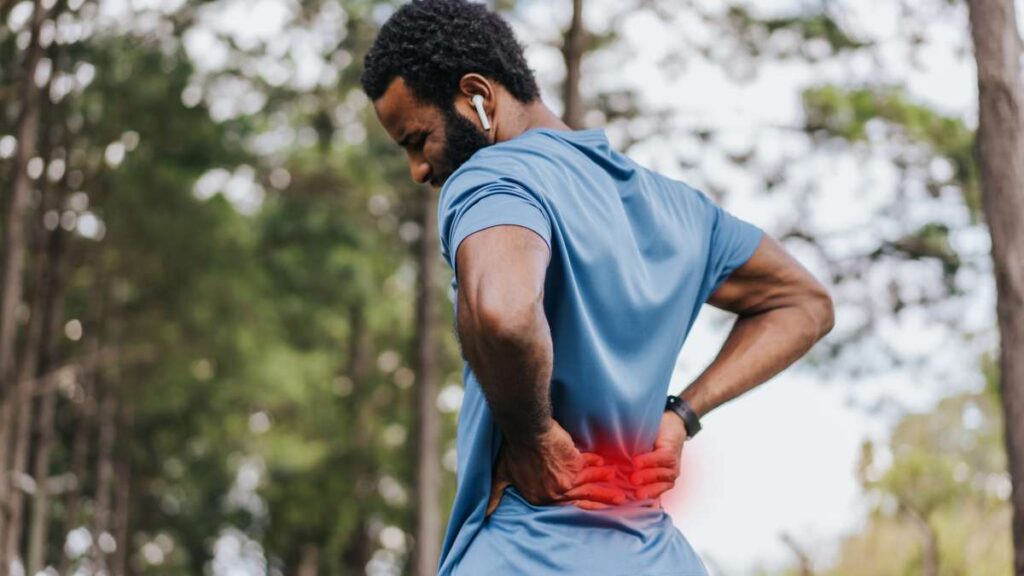
As a local Chiropractor, I want to help you understand the common sports injuries that many athletes experience, whether they arise from overexertion, improper technique, or accidents. Knowing the nature of these injuries is essential for effective recovery and prevention.
You may encounter various injuries, such as sprains, strains, fractures, and tendonitis, each with its own distinct characteristics and requiring different treatment approaches.
When you push your body beyond its limits, you may face acute injuries that occur suddenly and often need immediate attention. Conversely, chronic injuries develop gradually over time, usually as a result of repetitive stress on muscles or joints.
Being aware of the signs of each type of injury can help you take action early and prevent worsening conditions. For example, if you experience swelling, pain, or a limited range of motion, it's crucial to evaluate the seriousness of your situation.
An important part of understanding sports injuries is learning to listen to your body's signals. Paying attention to what your body tells you can prevent further damage and enhance healing.
If you experience persistent pain or discomfort, don't disregard it. Instead, reach out to a healthcare professional, like myself, who specializes in sports medicine and chiropractic care. I can provide you with a thorough assessment, a proper diagnosis, and a customized treatment plan to help you recover.
Furthermore, educating yourself about common injuries specific to your sport can empower you to make better choices during training and competition.
By understanding your body's mechanics and the potential risks involved, you'll be in a better position to avoid injuries and improve your overall performance.
Importance of Timely Recovery
As a local chiropractor, I want to emphasize the importance of timely recovery when you're dealing with pain or injury. It might be tempting to push through discomfort and jump back into your sport, but taking the time to recover is crucial for preventing further injury and maintaining your long-term health.
Ignoring your body's signals can lead to a cycle of damage that may keep you sidelined for much longer than you expect. By prioritizing a well-timed recovery, you're positioning yourself for a stronger and more resilient return to your activities.
Here are some key reasons why timely recovery is vital:
- Prevents Complications: If recovery is delayed, minor injuries can escalate into more severe issues that require extended rehabilitation.
- Saves Time: Addressing injuries quickly allows you to reduce downtime and return to your sport faster.
- Improves Performance: When your body is well-recovered, you can perform at your peak, which also decreases the risk of re-injury.
- Enhances Mental Well-being: Taking the time to heal can help ease any anxiety about reinjury, ultimately boosting your confidence.
- Builds Resilience: Proper recovery allows you to develop strength and flexibility, making you less susceptible to future injuries.
Recognizing when to rest and seek help from a chiropractor isn't a sign of weakness; it's a smart and proactive strategy for every athlete.
By listening to your body and allowing it to heal, you're investing in your future performance and overall health. Remember, recovery isn't just about healing; it's about preparing to return stronger than ever.
Physical Therapy Techniques
As a local chiropractor, I want to emphasize the importance of physical therapy techniques in your recovery from sports injuries. Many people may not realize how beneficial chiropractic care can be in this process.
Manual therapy, for instance, is an effective approach we use to alleviate pain and enhance mobility. Additionally, we focus on strengthening exercises that are crucial for rebuilding your strength after an injury.
By integrating these methods, we not only address your immediate discomfort but also promote a holistic healing journey. Our goal is to help you recover efficiently and safely, so you can get back to your favorite activities and sports as quickly as possible.
Embracing chiropractic care and natural healing can significantly enhance your recovery experience.
Manual Therapy Benefits
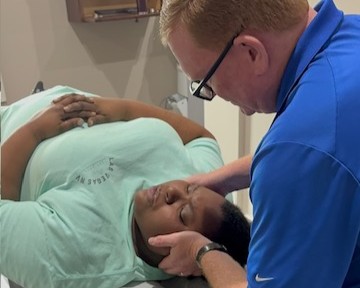
As a local chiropractor, I want to share with you the many benefits of manual therapy, especially when it comes to recovering from sports injuries. This hands-on approach can provide you with immediate relief and help restore function, enabling you to get back to the activities you love more quickly.
Here are some of the key advantages you might experience:
- Pain Reduction: Our manual therapy techniques are designed to alleviate pain by relaxing tight muscles and easing tension, making it easier for you to move comfortably.
- Improved Circulation: By enhancing blood flow, manual therapy promotes healing by delivering essential nutrients to injured tissues, which is crucial in your recovery process.
- Enhanced Flexibility: Through targeted stretching and mobilization techniques, we can help restore your range of motion, allowing you to regain your mobility and perform at your best.
- Better Posture: Manual therapy can help correct postural imbalances that may have contributed to your injury, reducing the risk of future issues and promoting overall well-being.
- Increased Body Awareness: With our guidance, you'll develop a greater understanding of your body mechanics, helping you avoid movements that could lead to further injuries down the line.
Incorporating manual therapy into your recovery plan not only supports healing but also empowers you to take an active role in your rehabilitation journey.
By experiencing these benefits, you'll gain confidence and feel ready to dive back into your favorite sports activities.
Don't hesitate to consult with me or a qualified therapist to create a personalized manual therapy plan that fits your unique needs. Together, we can pave the way for your successful recovery!
Strengthening Exercises Importance
As a local chiropractor, I want to emphasize the importance of incorporating strengthening exercises into your recovery journey after experiencing the benefits of manual therapy. These exercises are vital for restoring not just your strength, but also your stability and overall function. By targeting specific muscle groups, you're able to rebuild the strength that may have diminished during your injury.
Strengthening exercises can greatly enhance your range of motion and flexibility, making everyday activities and your return to sports much easier. They also play a crucial role in improving joint stability, which significantly reduces the risk of re-injury. It's advisable to start with low resistance and gradually increase the difficulty as your strength develops. This progressive approach ensures that you're effectively challenging your muscles while avoiding overexertion.
Moreover, engaging in these exercises can significantly boost your confidence. As you observe improvements in your strength and endurance, you'll feel more empowered to participate in physical activities again.
I encourage you to consult with me or your physical therapist for personalized exercises that address your specific needs and limitations. Consistency is essential, so try to integrate these strengthening exercises into your routine to maximize your recovery and return to your activities with greater strength than before.
Benefits of Cryotherapy
As a local chiropractor, I want to share with you the incredible benefits of cryotherapy, especially when it comes to sports injury recovery. This natural healing method utilizes the power of cold temperatures to reduce inflammation and expedite the healing process. Cryotherapy involves exposing your body to extremely low temperatures for a brief period, and it can provide a multitude of advantages that help you recover more effectively from injuries.
Let's explore some of the key benefits of incorporating cryotherapy into your recovery routine:
- Reduces Inflammation: The cold temperature helps constrict blood vessels, which decreases blood flow to the injured area and minimizes swelling. This is essential for a quicker recovery.
- Accelerates Recovery: Cryotherapy promotes faster healing at the cellular level, allowing you to return to your favorite activities and sports sooner.
- Relieves Pain: The numbing effect of cold can significantly alleviate pain, providing immediate relief during your recovery process.
- Boosts Mood: One of the great things about cryotherapy is that it stimulates the release of endorphins. These natural chemicals can enhance your mood, making your recovery experience more positive and enjoyable.
- Improves Sleep Quality: As your body heals more effectively, you may notice improvements in your sleep quality. Better rest means your body can focus on healing, which is crucial for recovery.
Integrating cryotherapy into your recovery plan can complement other chiropractic treatments and therapies, ensuring a holistic approach to your health.
Whether you're dealing with a sprain, strain, or any sports-related injury, this innovative technique can be a valuable asset in getting you back to peak performance.
If you haven't yet explored cryotherapy, I encourage you to consider trying it. You may find it to be the perfect boost you need to return to the activities you love and feel your best!
Role of Massage Therapy
As a local chiropractor, I want to emphasize the significant role that massage therapy can play in your recovery from sports injuries.
It effectively targets pain relief right at the source, which is essential for healing. By boosting circulation, massage therapy enhances the delivery of vital nutrients to the injured areas, facilitating a more efficient recovery process.
Moreover, incorporating regular massage sessions into your routine can improve your flexibility, making it easier for you to return to your favorite activities and perform at your best.
Embracing this natural healing method can greatly complement your overall chiropractic care and help you achieve optimal health.
Pain Relief Mechanism
When it comes to recovering from sports injuries, many people find the search for effective pain relief to be overwhelming. As a local chiropractor, I want to introduce you to a powerful tool that can significantly ease your discomfort and enhance your healing process: massage therapy. This hands-on approach is more than just a soothing experience; it operates through several mechanisms that can provide substantial pain relief.
Here are some essential ways that massage therapy can support your recovery:
- Muscle Relaxation: Massage therapy is effective at relaxing tense muscles, which helps to alleviate stiffness and soreness that often accompany sports injuries.
- Endorphin Release: This technique stimulates the release of endorphins—your body's natural painkillers. Not only does this elevate your mood, but it also reduces your perception of pain.
- Reduced Inflammation: One of the significant benefits of massage is its ability to decrease swelling and inflammation in injured areas, which plays a crucial role in pain relief and recovery.
- Nerve Stimulation: The massage process stimulates the nerves, which can effectively block pain signals from reaching the brain, providing immediate and noticeable relief.
- Emotional Well-being: Beyond the physical benefits, massage therapy can also promote emotional health by reducing anxiety and stress, both of which can worsen pain.
Integrating massage therapy into your recovery plan can truly be transformative. By addressing both the physical and emotional components of pain, you'll be better equipped to manage your sports injury and return to the activities you love.
As your chiropractor, I'm here to guide you on this journey toward natural healing and optimal performance.
Improved Circulation Benefits
As a local chiropractor, I want to highlight one of the amazing benefits of incorporating massage therapy into your recovery routine: it significantly enhances circulation. Improved blood flow is vital for healing because it delivers oxygen and essential nutrients to injured areas, while also helping to eliminate waste products from your body.
During a massage, the pressure applied to your muscles stimulates your blood vessels, promoting better circulation throughout your entire system. When your circulation improves, you may experience a noticeable reduction in soreness and stiffness, which can make it easier for you to resume your training or daily activities.
Additionally, increased blood flow can help reduce inflammation, a major obstacle to recovery. With less swelling, your body can concentrate on healing and rebuilding any injured tissue.
Furthermore, the warmth produced during a massage encourages vasodilation, which enhances blood flow even more. This natural reaction can significantly impact your overall recovery time. By making massage therapy a regular component of your rehabilitation, not only are you speeding up the healing process, but you're also setting yourself up for improved performance in your future endeavors, whether in sports or daily life.
Enhanced Flexibility Recovery
As a local chiropractor, I want to share the importance of enhanced flexibility for effective injury recovery and how incorporating massage therapy can significantly aid in this process. When you sustain an injury, tight muscles and limited movement can impede your healing. That's where massage therapy comes in—it plays a vital role in alleviating these issues, allowing you to regain flexibility and mobility more swiftly.
Here are some key benefits of massage therapy that I often discuss with my patients when it comes to enhancing flexibility recovery:
- Increased blood flow: Massage promotes improved circulation, ensuring that your injured tissues receive more oxygen and essential nutrients needed for healing.
- Reduced muscle tension: It effectively relaxes tight muscles, relieving discomfort and fostering greater flexibility.
- Improved range of motion: Regular massage sessions can enhance joint mobility, which is crucial for your recovery journey.
- Faster recovery time: By minimizing soreness and stiffness, massage therapy can accelerate your overall rehabilitation process.
- Enhanced mind-body connection: It encourages relaxation and supports mental well-being—both of which are essential for effective recovery.
Integrating massage therapy into your rehabilitation plan not only aids in your physical recovery but also bolsters your mental resilience.
Don't underestimate the power of touch; making massage a priority can be a crucial step in your journey toward improved flexibility and strength. If you have any questions about how chiropractic care and massage therapy work together, feel free to ask during your next visit!
Incorporating Stretching and Mobility
As a local chiropractor, I want to emphasize the importance of incorporating stretching and mobility exercises into your recovery routine. These exercises play a crucial role in enhancing your healing process, especially after an injury. By focusing on stretching, you're not only maintaining your flexibility but also improving your overall range of motion, which is vital for a full recovery.
When you engage in gentle stretches that specifically target the injured area, you're promoting blood flow to those tissues. This increased circulation helps speed up the healing process and reduces any stiffness you may be experiencing. It's important to listen to your body during this time—if a stretch feels uncomfortable or painful, please ease off and adjust as needed. Aim to hold each stretch for 15 to 30 seconds to allow your muscles to relax and elongate. As you become more comfortable, you can gradually increase both the intensity and duration of your stretching.
In addition to static stretching, incorporating mobility exercises can significantly enhance your recovery. Mobility drills are designed to help you regain functional movement patterns, which are essential for returning to your normal activities and sports. For instance, if you're recovering from a lower body injury, consider performing exercises like hip circles and ankle rolls to improve joint mobility.
Before engaging in any physical activity, don't forget to include dynamic stretches, such as leg swings or arm circles. These movements prepare your muscles and joints for action, helping to minimize the risk of further injury.
Consistency is crucial when it comes to your recovery. Aim to include stretching and mobility exercises in your daily routine, even if you can only spare a few minutes each day. By making these practices a regular part of your life, you'll not only support your injury recovery but also enhance your overall athletic performance in the long run.
If you have any questions or need personalized guidance, feel free to reach out—I'm here to help you on your journey to optimal health.
Nutrition's Impact on Recovery
As a local chiropractor, I want to emphasize the crucial role that proper nutrition plays in your recovery from sports injuries. The foods you consume significantly influence how quickly and effectively your body heals. By fueling your body with the right nutrients, you can help reduce inflammation, repair tissues, and rebuild muscle strength.
Here are some essential nutritional components that I encourage you to focus on during your recovery:
- Protein: This macronutrient is vital for repairing damaged tissues and building new muscle. Incorporate lean meats, fish, eggs, legumes, and dairy products into your meals to support your recovery process.
- Omega-3 Fatty Acids: These healthy fats are known for their anti-inflammatory properties. You can find omega-3s in fatty fish such as salmon, as well as in walnuts and flaxseeds, which can help alleviate swelling and promote healing.
- Vitamins and Minerals: Certain nutrients, including vitamin C, vitamin D, calcium, and zinc, play a significant role in the healing process. Citrus fruits, leafy greens, dairy products, and nuts are excellent sources of these essential vitamins and minerals.
- Hydration: Staying well-hydrated is critical for overall recovery. Water not only aids in nutrient transport but also helps maintain joint health. Aim to drink at least 8-10 cups of water each day to support your body's healing efforts.
- Antioxidants: Foods rich in antioxidants help combat oxidative stress and support the healing process. Incorporating berries, dark chocolate, and green tea into your diet can provide these beneficial compounds.
By focusing on these nutritional components, you can optimize your recovery and enhance the benefits of chiropractic care.
Conclusion
As a local chiropractor, I want to emphasize the vital role that therapy techniques play in your recovery from sports injuries. Understanding your injury is the first step, and chiropractic care can provide valuable insights into how your body works and heals. Through targeted physical therapy, we can address imbalances and promote healing in a natural way.
In addition to chiropractic adjustments, methods like cryotherapy and massage can greatly enhance your recovery process. These therapies help reduce inflammation, alleviate pain, and promote blood flow, all of which are essential for healing.
It's also crucial to incorporate stretching, mobility exercises, and proper nutrition into your recovery plan. These elements support your body's healing process and prepare you to return to your sport with improved strength and resilience.
Remember, staying committed to your recovery and listening to your body are key. With the right support and techniques, you can come back stronger than ever. Let's work together to get you back in the game!