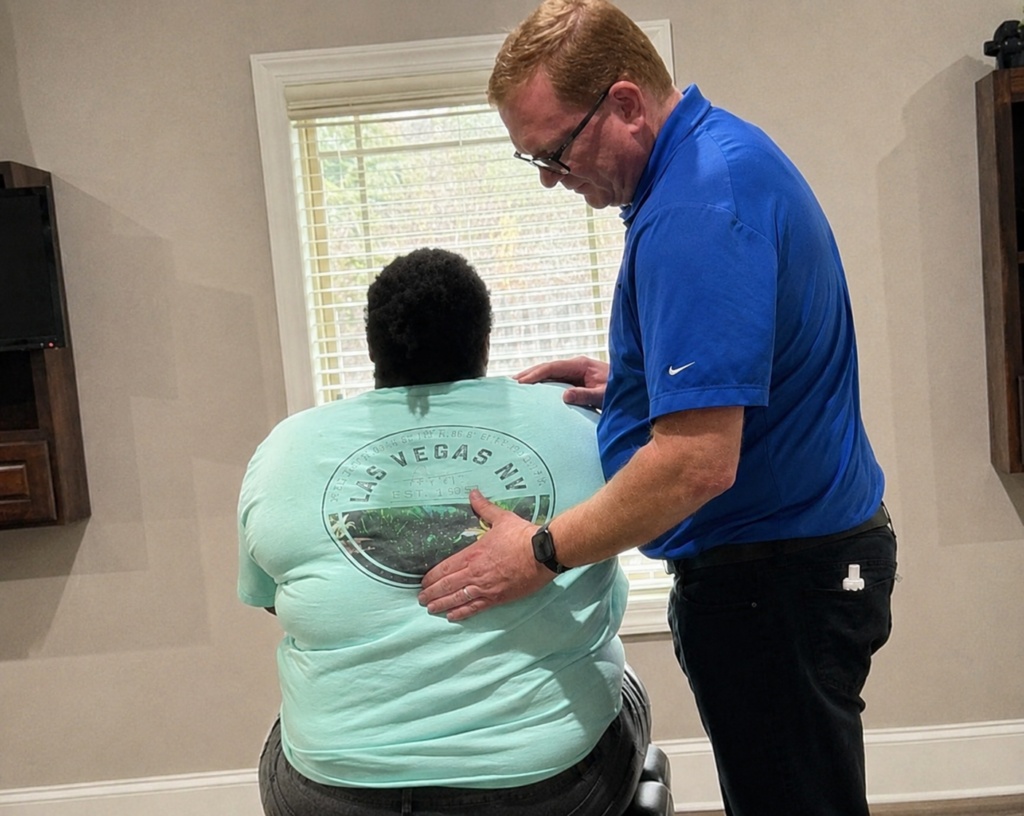

If you're looking to boost your flexibility, it's important to start with a clear understanding of what flexibility really means and how it can benefit you. You might not realize just how much your current flexibility level impacts your daily life and physical performance. By evaluating where you stand and setting achievable goals, you can create a tailored routine that fits seamlessly into your schedule. But before you jump into the specifics, consider the warm-up techniques that can prepare your body for effective stretching—this foundation is vital for your success.
Understanding Flexibility
Flexibility is more than just a buzzword in fitness; it's an essential component of overall health and well-being. When you think of flexibility, you might picture a gymnast effortlessly bending and stretching, but it's far more than that. Flexibility refers to the ability of your joints and muscles to move through their full range of motion. This means that when you bend, twist, or reach, your body can do so without restriction or discomfort.
Understanding flexibility involves recognizing its different types. Static flexibility is how far you can stretch a muscle when you're not moving, while dynamic flexibility refers to how well you can move a muscle during active motions. Both types are vital, as they contribute to your overall physical performance.
You may not realize it, but factors like age, activity level, and even genetics play a role in your flexibility. As you age, your muscles can become stiffer, making it essential to incorporate flexibility training into your routine. Regular stretching, yoga, or pilates can help maintain and improve your flexibility over time.
Moreover, understanding flexibility isn't just about physical attributes; it's also about the mind-body connection. Being flexible means you're more in tune with your body, allowing you to recognize when something feels off.
Benefits of Increased Flexibility
Increasing your flexibility can greatly enhance your physical performance, whether you're running, dancing, or lifting weights.
It also plays an essential role in preventing injuries, allowing you to stay active and enjoy your favorite activities without setbacks.
Enhanced Physical Performance
Enhanced flexibility can considerably boost your physical performance, allowing you to move more freely and efficiently. When your muscles and joints are more flexible, you'll experience improved range of motion, which can enhance your overall athletic abilities. This means you can execute movements with greater ease, whether you're running, jumping, or participating in any sport.
Incorporating flexibility training into your routine can lead to better muscle coordination and balance. You'll find that your body responds more dynamically to physical demands, making it easier to perform complex movements.
Improved flexibility also helps with strength training, as it allows you to reach deeper into your exercises, engaging more muscle fibers and maximizing your workout potential.
Furthermore, enhanced flexibility can lead to better posture and alignment. When your body is properly aligned, you'll generate more power during your movements, translating to higher performance levels in your activities.
As you become more flexible, you'll likely notice increased endurance, enabling you to sustain your efforts longer without fatigue. Embrace flexibility training, and watch your physical performance soar to new heights!
Injury Prevention Benefits
Improving your flexibility can considerably reduce the risk of injuries during physical activities. When your muscles and joints are flexible, they can move through a wider range of motion. This increased range helps prevent strains, sprains, and other injuries that occur when your body is forced into awkward positions.
By incorporating flexibility training into your routine, you'll enhance your body's ability to withstand the demands of various physical activities.
Additionally, flexible muscles can absorb shock more effectively, protecting your joints from impact. Whether you're running, lifting weights, or participating in sports, adequate flexibility allows for smoother movements, reducing the chances of overexertion.
You'll also notice that tasks requiring quick changes in direction or sudden bursts of speed feel easier and safer.
Moreover, flexibility training aids in muscle recovery. When your muscles are more adaptable, they recover faster from intense workouts, minimizing soreness and further injury risk.
Incorporating simple stretches or yoga into your weekly routine can make a significant difference. By prioritizing flexibility, you not only enhance your performance but also create a safer environment for your body to thrive in all activities.
Assessing Your Current Flexibility
Often, people underestimate the importance of evaluating their current flexibility before starting a stretching routine. Knowing where you stand can help you tailor your approach and track your progress effectively. So, let's explore measuring your flexibility.
First, identify the key areas you want to measure. Common focus points include your hamstrings, quadriceps, hips, shoulders, and back. Use simple tests like the sit-and-reach for hamstrings and lower back flexibility, or shoulder dislocation stretches for upper body flexibility. Grab a ruler or tape measure to quantify your reach, and make sure you're in a comfortable position.
Next, perform each test slowly and carefully. It's crucial to pay attention to how your body feels during these evaluations. If you experience pain or significant discomfort, that's a clear signal you need to tread lightly as you work on your flexibility. Record your measurements so you can revisit them later.
Additionally, consider using a flexibility scale, rating your range of motion from poor to excellent. This will give you a clearer picture of your flexibility levels and help set realistic goals.
Finally, don't forget to reassess periodically. Your flexibility can improve over time with consistent effort, and tracking your progress is motivating. By understanding your current flexibility, you'll be better equipped to create a stretching routine that meets your needs and helps you achieve your flexibility goals.
Warm-Up Techniques
To enhance your flexibility, incorporating effective warm-up techniques is essential.
Dynamic stretching exercises get your muscles ready and improve your range of motion, while consistency can greatly boost your progress.
Don't forget to focus on your breathing during warm-ups, as it helps you stay relaxed and prepared for your workout.
Dynamic Stretching Exercises
How can dynamic stretching enhance your warm-up routine? Incorporating dynamic stretching exercises can greatly prepare your body for physical activity, increasing blood flow and enhancing your range of motion.
Unlike static stretches, dynamic stretches involve movement, which warms up your muscles and joints more effectively.
To get started, try leg swings. Stand next to a wall for balance, swing one leg forward and backward, gradually increasing your range of motion. Aim for 10-15 repetitions on each leg.
Next, incorporate arm circles. Extend your arms out to the sides and make small circles, gradually increasing their size. Do this for about 30 seconds, reversing the direction halfway through.
Another effective dynamic stretch is walking lunges. Step forward with one leg, lowering your hips until both knees are bent at about a 90-degree angle. Push off the front foot to bring your back leg forward into the next lunge. Aim for 10 lunges on each leg.
Lastly, don't forget high knees. Jog in place, driving your knees up toward your chest in a controlled manner. This exercise not only warms up your hip flexors but also elevates your heart rate.
Incorporate these dynamic stretches into your routine, and you'll notice improved performance and flexibility.
Importance of Consistency
Incorporating dynamic stretching into your warm-up routine is just the beginning; maintaining consistency with your warm-up techniques is key to reaping the benefits.
When you commit to a regular warm-up schedule, you signal your body to adapt and improve over time. This consistency helps increase your overall flexibility and prepares your muscles for more intense activity, reducing the risk of injury.
Make it a habit to warm up before every workout, whether it's a casual jog or a high-intensity training session.
By doing so, you're not just enhancing your performance but also establishing a routine that your body will recognize and respond to positively.
Track your progress, and don't shy away from adjusting your warm-up techniques if needed.
Breathing Techniques for Warm-Up
Mastering breathing techniques during your warm-up can greatly enhance your flexibility and overall performance. Good breathing helps you relax, focus, and prepare your body for the movements ahead.
Start by finding a comfortable position, either standing or sitting. Inhale deeply through your nose, allowing your abdomen to expand fully. Hold that breath for a moment, then exhale slowly through your mouth. This technique not only calms your mind but also increases oxygen flow to your muscles.
As you warm up, incorporate breath patterns with your movements. For instance, when you reach for your toes, inhale as you lift your arms overhead, and exhale as you fold forward. This synchronizes your breath with your movements, enhancing your flexibility.
Try practicing diaphragmatic breathing, where you focus on expanding your diaphragm rather than just your chest. This engages your core and promotes deeper breaths, further improving your oxygen intake.
Remember to maintain a steady rhythm with your breath. If you feel tense at any point, return your focus to your breathing. This will help you ease into your stretches and maximize your warm-up, setting a positive tone for your flexibility training.
Effective Stretching Methods
When it comes to enhancing your flexibility, effective stretching methods play an important role in achieving your goals. To maximize your results, it's vital to incorporate a variety of techniques into your routine.
One of the most popular methods is static stretching, where you hold a stretch for 15 to 60 seconds. This approach helps lengthen your muscles and improve flexibility over time. Focus on major muscle groups, such as hamstrings, quadriceps, and shoulders.
Dynamic stretching is another effective method. It involves moving parts of your body through a full range of motion, such as leg swings and arm circles. This type of stretching helps warm up your muscles and prepares them for activity, reducing the risk of injury. Incorporating dynamic stretches before workouts can greatly enhance your performance.
You might also want to explore PNF (Proprioceptive Neuromuscular Facilitation) stretching. This technique typically involves a partner and combines stretching and contracting the targeted muscle group. It's highly effective for improving flexibility, but it requires some guidance to guarantee proper execution.
Remember to always listen to your body. If a stretch feels painful, ease off and find a more comfortable position.
Consistency is key; try to stretch at least three times per week. By integrating these effective stretching methods into your routine, you'll gradually notice improved flexibility, better performance, and a reduced risk of injury.
Keep pushing your limits, and soon you'll reach your flexibility goals!
Incorporating Yoga Practices
How can you enhance your flexibility while also finding inner peace? Incorporating yoga practices into your routine can be the answer. Yoga offers a unique blend of physical postures and mindful breathing that not only stretches your muscles but also calms your mind.
Start by setting aside time for a daily yoga session, even if it's just 15 to 30 minutes. Choose a quiet space where you feel comfortable and can focus. Simple poses like Downward Dog, Cat-Cow, or Seated Forward Bend can notably improve your flexibility. Hold each pose for several breaths, allowing your body to relax and deepen into the stretch.
Don't rush through your practice. Pay attention to your body's signals and avoid pushing yourself into discomfort. The goal is to cultivate awareness and respect your limits. As you progress, you'll gradually notice increased range of motion and reduced tension.
In addition to physical benefits, yoga emphasizes breathing techniques. Integrating deep, controlled breaths into your practice helps release stress and promotes relaxation. When you're focused on your breath, you create a meditative state that enhances your overall well-being.
Consider joining a local class or following online tutorials to guide you through various flows and sequences. Engaging with a community can also keep you motivated.
Dynamic vs. Static Stretching
Understanding the difference between dynamic and static stretching can greatly enhance your flexibility routine.
Dynamic stretching involves moving parts of your body through a full range of motion. It's usually done before a workout and helps prepare your muscles for activity. This type of stretching increases blood flow, raises your heart rate, and improves your overall performance. For instance, moving lunges, arm circles, or leg swings can effectively warm up your muscles and joints.
On the other hand, static stretching means holding a stretch for a longer period, typically 15 to 60 seconds. You do this type of stretching after your workout when your muscles are warm. Static stretching helps improve overall flexibility and can aid in muscle recovery. It's great for cooling down and promoting relaxation. Think of stretches like seated forward bends or standing quadriceps stretches, where you aim to hold your position steadily.
Both dynamic and static stretching have their place in your routine, and knowing when to use each can optimize your flexibility gains.
If you're gearing up for a workout, dynamic stretching is the way to go. However, if you're winding down after an intense session, static stretches are more beneficial. By incorporating both types into your routine strategically, you can enhance your flexibility while also reducing the risk of injury.
Remember to listen to your body and adjust your stretching practices to suit your individual needs.
Creating a Flexibility Routine
To create an effective flexibility routine, start by evaluating your current level of flexibility and identifying specific areas you want to improve. This could be anything from tight hamstrings to stiff shoulders.
Once you've pinpointed these areas, it's time to set realistic goals. For instance, if you want to touch your toes or achieve a deeper squat, write these goals down to keep yourself accountable.
Next, choose a schedule that fits your lifestyle. Consistency is key, so aim for at least three sessions a week. Each session doesn't need to be lengthy—15 to 30 minutes can be enough. Plan a warm-up to prepare your muscles for stretching; this can include light cardio or dynamic stretches.
Now, select a variety of stretches targeting your focus areas. Incorporate both static and dynamic stretches. For example, if you're working on your hamstrings, combine leg swings (dynamic) with seated forward bends (static). Hold static stretches for about 20-30 seconds and repeat them 2-3 times.
To enhance your routine, consider incorporating yoga or Pilates, both of which offer excellent flexibility benefits.
Don't forget to listen to your body; if a stretch feels wrong, ease out of it.
Finally, keep track of your progress. Take notes on what stretches you performed and how you felt afterward. This will help you adjust your routine as necessary and stay motivated on your flexibility journey.
Tips for Staying Consistent
Staying consistent with your flexibility routine can be challenging, but a few simple strategies can make all the difference. First, set a specific time each day dedicated to your stretching sessions. Whether it's early morning or right before bed, having a set schedule helps make flexibility training a non-negotiable part of your day.
Next, keep your workouts short but effective. You don't need to spend hours stretching; even 10-15 minutes daily can yield significant benefits. This manageable time frame makes it easier to stick to your routine without feeling overwhelmed.
Another effective tip is to create an inviting environment. Lay out your yoga mat, put on some calming music, or even light a candle. A pleasant atmosphere can motivate you to show up, turning your flexibility practice into something you look forward to rather than a chore.
Additionally, consider pairing your flexibility routine with another daily habit. For example, you might stretch while watching TV or listen to a podcast during your sessions. This dual-tasking keeps things interesting and helps reinforce your commitment.
Lastly, remember to celebrate your progress, no matter how small. Acknowledging your improvements will keep your motivation high and remind you why you started.
Consistency is key, so stay patient and give yourself grace on days you might struggle. With these strategies, you'll find it easier to maintain your flexibility routine and enjoy the benefits that come with it.
Tracking Your Progress
Tracking your progress is essential for improving flexibility. Start by using a flexibility journal to note your routines and how you feel after each session.
You should also regularly measure your range to see how far you've come and where you can improve.
Use a Flexibility Journal
A flexibility journal can be a game-changer in your quest for improved mobility. By documenting your stretching routines, progress, and any challenges you face, you'll gain valuable insights into your flexibility journey.
Start by noting the specific exercises you perform, including the duration and repetitions. This not only helps you stay organized, but also allows you to identify patterns in your progress.
Each week, take a few moments to reflect on how your body feels. Are there areas where you're gaining flexibility? Are certain stretches becoming easier? Write down any observations or breakthroughs, as these notes will motivate you to keep pushing forward.
You might even want to include photos or diagrams to visualize your improvements over time.
Don't forget to set specific goals in your journal. Whether it's touching your toes or mastering a challenging pose, having clear targets will help you stay committed.
Finally, review your journal regularly. This practice will keep you accountable and reinforce the idea that flexibility is a gradual process. By tracking your progress, you'll celebrate small victories and stay motivated to continue your journey toward greater flexibility.
Measure Your Range
Measuring your range of motion is essential for tracking your progress in flexibility. To start, find a quiet space and gather a few tools: a measuring tape or a ruler, a notebook, and perhaps a partner to assist you.
Begin with basic stretches, like the forward fold or seated reach, to assess your current limits. For the forward fold, stand tall, then bend forward at the hips, reaching for your toes. Have your partner measure the distance from your fingertips to the floor. Record this in your notebook.
Repeat this process every few weeks to monitor improvements. For seated stretches, sit on the floor with your legs extended. Reach toward your toes and measure how far you can go. Again, document your results.
It's important to be consistent with your measurements, so try to measure at the same time of day and under similar conditions. This way, you'll have an accurate reflection of your progress over time.
Celebrating small improvements can keep you motivated on your flexibility journey. Remember, flexibility takes time, so be patient and persistent!
Conclusion
Incorporating flexibility exercises into your routine can transform your overall well-being. By understanding your body, setting achievable goals, and staying consistent with warm-ups and stretches, you'll notice significant improvements. Remember to create a comfortable environment and enjoy the journey. Track your progress to celebrate your milestones and keep yourself motivated. Embrace the benefits of increased flexibility, and soon enough, you'll feel more agile and energized in your daily activities. Start today and release your body's potential!