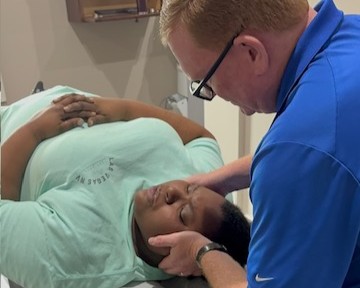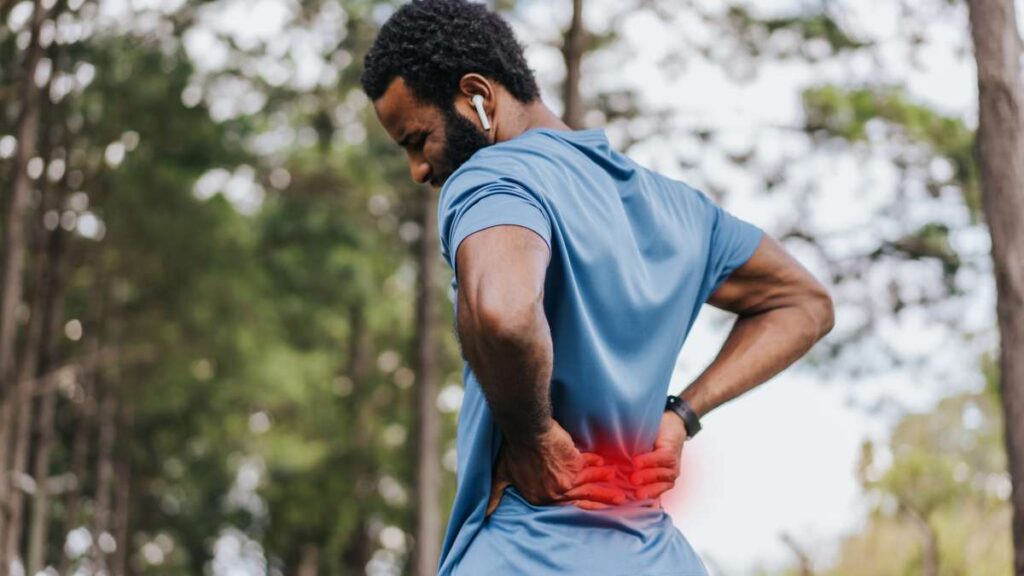

As a local chiropractor, I often encounter patients who are curious about whether manual therapy can truly aid in their sports injury recovery. Many athletes have found significant benefits from techniques such as massage and joint mobilization, and it's important to understand how these methods can support your healing process.
Manual therapy can enhance circulation, alleviate pain, and improve your overall range of motion. But the question remains: do these practices actually lead to quicker recovery times? I encourage you to consider the evidence and the positive experiences shared by others who have embraced chiropractic care as part of their healing journey. You may discover valuable insights that could transform your approach to recovery and help you get back to the activities you love more effectively.
Understanding Manual Therapy
As a local chiropractor, I want to take a moment to educate you about the importance of manual therapy in the recovery from sports injuries. Manual therapy is a hands-on approach that can be essential in relieving pain, restoring mobility, and promoting overall healing. If you're navigating an injury, understanding how manual therapy works can significantly enhance your recovery journey.
At its foundation, manual therapy encompasses a range of techniques, including soft tissue manipulation, joint mobilization, and stretching. These methods focus on the muscles, tendons, ligaments, and joints that may have been impacted by your injury. By addressing these areas, we can effectively reduce inflammation, improve blood circulation, and enhance your range of motion.
You might be curious about what to expect during a manual therapy session. Many athletes describe the experience as a combination of relief and mild discomfort. While some techniques may feel intense, they're specifically designed to foster your body's natural healing processes.
Communication with your therapist is key; sharing your sensations with us allows us to tailor the treatment to your comfort and needs.
In addition to physical recovery, integrating manual therapy into your rehabilitation can help you return to your sport more quickly. This approach not only aids in physical healing but can also provide psychological benefits. Knowing that you're actively participating in your healing process can significantly boost your confidence and motivation.
In summary, understanding manual therapy and its role in your recovery can lead to a more effective healing experience. I encourage you to consider incorporating it into your overall rehabilitation strategy, especially if you're eager to return to your sport and perform at your best.
Together, we can work towards achieving your health and wellness goals through natural healing methods.
Types of Manual Therapy
As a local chiropractor, I want to share with you some effective types of manual therapy that can significantly aid in your recovery from sports injuries. Each method I utilize targets specific issues, helping you regain mobility and reduce pain in a natural and holistic way.
One popular approach is massage therapy. This technique focuses on manipulating soft tissues, applying pressure to your muscles, tendons, and ligaments. By enhancing circulation and alleviating tightness, massage therapy not only relaxes your body but also promotes healing through increased blood flow to the affected areas.
Another valuable method is myofascial release. This involves gentle stretching and pressure applied to the fascia, the connective tissue surrounding your muscles. Myofascial release aims to relieve tension and improve flexibility, making it especially beneficial if you're dealing with muscle stiffness or restricted movement due to an injury.
Joint mobilization is another effective technique I employ. This approach involves specific movements designed to restore normal joint function and alleviate pain. As a trained chiropractor, I guide your joints through a range of motion, helping to reduce stiffness and enhance your mobility.
Lastly, manipulation is a technique that involves applying controlled force to a joint, often resulting in a "popping" sound. This method can help realign joints and improve overall function, making it particularly useful for athletes like you who are recovering from injuries.
Incorporating these types of manual therapy into your recovery plan can greatly accelerate your healing process. Each method has its unique benefits, and often, a combination of approaches works best for your specific needs.
I encourage you to consult with me or a qualified therapist to determine which approach is right for you, as we work together towards your optimal health and recovery.
The Science Behind Recovery
As your local chiropractor, I want to share the importance of understanding the science behind recovery, especially when it comes to healing from sports injuries.
The physiological mechanisms at play in your body are crucial, and numerous clinical studies back this up. By grasping how your body heals, you can take charge of your recovery journey.
Chiropractic care focuses on the body's natural ability to heal itself. By aligning the spine and ensuring proper function of the nervous system, we can enhance your body's recovery process.
This knowledge empowers you to make informed decisions about your health, allowing you to utilize natural healing methods effectively. Together, we can work towards a full recovery and get you back to doing what you love!
Physiological Mechanisms Explained
As a local chiropractor, I want to take a moment to explain how manual therapy can significantly aid in your recovery from sports injuries. When you receive manual therapy, your body undergoes various physiological changes that promote healing. The hands-on techniques we use are designed to enhance blood circulation, which means more oxygen and nutrients are delivered to the injured area. This boost in circulation not only speeds up the healing process but also helps reduce inflammation, allowing you to feel better sooner.
Beyond improving circulation, manual therapy also has a positive impact on your nervous system. The techniques we apply stimulate sensory receptors in your skin, muscles, and joints. This stimulation can help decrease pain perception, making you more comfortable and enabling you to participate in rehabilitation exercises earlier in your recovery.
Another important benefit of manual therapy is its ability to break down scar tissue and adhesions. By doing so, we can improve your range of motion and flexibility, which are crucial for returning to your favorite activities.
Furthermore, during treatment, your body releases natural painkillers called endorphins. These endorphins not only elevate your mood but also further reduce pain, creating a positive feedback loop that supports your recovery.
Evidence From Clinical Studies
As a local chiropractor, I want to share some important insights about how manual therapy can significantly aid in your recovery from sports injuries. Many clinical studies have highlighted the effectiveness of various techniques, including massage, joint mobilization, and manipulation, which I often utilize in my practice.
These findings suggest that manual therapy can play a crucial role in alleviating pain, enhancing mobility, and speeding up the healing process.
Here are some key benefits supported by research:
- Pain Relief: Numerous studies have shown that individuals experience substantial reductions in pain levels after receiving manual therapy treatments.
- Increased Mobility: Patients frequently report improvements in joint mobility and flexibility following sessions, which is vital for getting back to your favorite activities.
- Faster Recovery: Engaging in manual therapy may help shorten the overall recovery time, allowing you to return to your sport sooner.
- Enhanced Circulation: These techniques have been found to improve blood flow, which is essential for promoting healing.
- Mental Well-being: Many patients also notice a decrease in anxiety and an uplifted mood, contributing to a more holistic recovery experience.
Incorporating manual therapy into your recovery plan could truly be transformative. The clinical evidence strongly supports its effectiveness not only in hastening recovery but also in improving your overall athletic performance.
If you're struggling with an injury, I encourage you to consider manual therapy as a natural and effective option for your healing journey. Let's work together to help you get back to doing what you love!
Benefits for Athletes
As a local chiropractor, I want to share with you how enhancing recovery through manual therapy can significantly benefit athletes, even if you're new to chiropractic care. One of the most noticeable advantages is the reduction of muscle tension. By addressing the tightness and soreness in your muscles, manual therapy helps you feel more relaxed and prepared for both training and competition. This relaxation can lead to an improved range of motion, allowing you to move more freely and effectively.
Additionally, manual therapy plays a crucial role in promoting better blood circulation. With increased blood flow, nutrients and oxygen reach your muscles more efficiently, aiding in recovery and minimizing fatigue. You may find that you recover more quickly between training sessions, which can ultimately enhance your overall performance as an athlete.
Beyond the physical benefits, manual therapy also nurtures mental resilience. The relaxation and pain relief that come from these sessions can significantly reduce stress and anxiety, helping you stay focused and motivated. You'll feel more centered and ready to face challenges, whether they arise on the field or in the gym.
Furthermore, incorporating regular manual therapy into your routine can help prevent injuries. By maintaining your muscles and joints in optimal condition, you're less likely to encounter setbacks that could disrupt your training. This proactive approach to your health can keep you in the game longer, allowing you to achieve your athletic goals without unnecessary interruptions.
Common Sports Injuries Treated
As a local chiropractor, I want to shed light on how common sports injuries, such as sprains, strains, tendonitis, and muscle tears, can impact your ability to stay active.
These injuries not only cause discomfort but can significantly affect your overall performance in your favorite activities.
It's important to understand that chiropractic care and manual therapy can play a crucial role in treating these conditions, helping you to recover more quickly and effectively.
Sprains and Strains
As a local chiropractor, I want to take a moment to educate you about sprains and strains, which are among the most prevalent injuries that can affect anyone, from casual weekend athletes to seasoned professionals.
These injuries can catch you off guard and impact your performance and recovery journey.
To clarify, sprains occur when ligaments—those tough bands of tissue that connect bones at a joint—are overstretched or torn.
Strains, on the other hand, involve the muscles or tendons, which connect muscles to bones. Recognizing the symptoms early on can be crucial for a quicker recovery.
Here are some essential steps to consider if you find yourself dealing with a sprain or strain:
- Rest: It's vital to allow your body the necessary time to heal. Avoid any activities that could worsen your injury.
- Ice: Applying ice to the affected area can help reduce swelling and numb the pain. This is a simple yet effective way to manage your discomfort.
- Compression: Using elastic bandages can support the injured area while minimizing swelling. This can be particularly helpful in the initial stages of your recovery.
- Elevation: Keeping the injured limb elevated can significantly help in reducing swelling and promoting better circulation.
- Manual Therapy: As a chiropractor, I encourage you to consider professional help for your recovery. Targeted massage and mobilization techniques can enhance your healing process and restore your movement.
Understanding these principles can empower you to take charge of your healing journey naturally.
If you have any questions or would like to explore chiropractic care further, feel free to reach out!
Tendonitis and Bursitis
As a local chiropractor, I want to help you understand how injuries like tendonitis and bursitis can affect your performance and overall well-being. Many people may not realize how important it's to care for our bodies, especially when we push ourselves without proper attention.
Tendonitis happens when the tendons, which are the connectors between your muscles and bones, become inflamed due to repetitive stress or overexertion. This can lead to discomfort, swelling, and limited mobility in the affected area, making it difficult to enjoy the activities you love.
Bursitis, on the other hand, involves inflammation of the bursae—small fluid-filled sacs that cushion your joints. Like tendonitis, bursitis is often caused by repetitive movements or sustained pressure on the joints.
If you find yourself struggling with either condition, I encourage you to consider manual therapy as a natural healing option. Techniques such as soft tissue mobilization and joint manipulation can significantly aid your recovery by reducing inflammation, improving blood flow, and enhancing joint function.
By addressing the root causes of your discomfort through chiropractic care, we can support your body's natural healing process. Incorporating chiropractic treatment into your recovery plan not only helps you stay on track but also prepares you to return to your sport with greater strength and flexibility.
Muscle Tears and Contusions
As a local chiropractor, I want to help you understand muscle tears and contusions, which are some of the most prevalent sports injuries athletes encounter.
These injuries often occur due to sudden impacts or overstretching during physical activity, leading to pain and limitations in your performance. It's crucial to be aware of the symptoms and treatment options available to facilitate your recovery.
If you've experienced a muscle tear or contusion, you might notice several symptoms, including:
- Swelling and bruising around the injured area
- Pain during movement or even at rest
- Stiffness and a decreased range of motion
- Muscle spasms or a feeling of tightness
- Weakness in the affected muscle
At our chiropractic clinic, we emphasize the importance of natural healing methods to support your recovery.
Manual therapy is a key aspect of our approach. Techniques such as deep tissue massage and myofascial release can significantly alleviate pain, reduce swelling, and restore your mobility.
By focusing on the injured muscles and surrounding tissues, manual therapy enhances blood flow, which is essential for healing.
If you're seeking a holistic way to recover from muscle injuries, we're here to guide you through the process and help you get back to your best self.
Limitations of Manual Therapy
As a local chiropractor, I want to take a moment to discuss the benefits and limitations of manual therapy, particularly for those who may be new to chiropractic care and natural healing. Many athletes and individuals alike have experienced the positive effects of manual therapy, but it's crucial to understand that it isn't a one-size-fits-all solution.
First and foremost, manual therapy is most effective when combined with other treatment approaches. Think of it as one piece of a larger puzzle—the journey to recovery often includes physical therapy, exercise, and rehabilitation. Relying solely on manual therapy may not lead you to the best possible recovery from an injury.
It's also important to note that the results of manual therapy can differ significantly from one person to another. What may provide relief for one individual mightn't have the same effect on another. Your unique physiology, the specific nature of your injury, and even your mental outlook can all play a role in how you respond to treatment. This is why setting realistic expectations is so essential.
Additionally, while manual therapy can alleviate symptoms, it mightn't address the underlying causes of your injury. For example, if your pain is a result of biomechanical imbalances or improper training methods, merely adjusting the affected area may not resolve the root of the problem. Without addressing these underlying issues, there's a risk of the injury recurring.
Lastly, it's crucial to avoid over-relying on manual therapy. Some individuals may find themselves neglecting other vital components of recovery, such as strength training or mobility exercises, under the assumption that manual therapy alone will suffice. A balanced approach that incorporates various recovery strategies is key to preventing future injuries and improving overall performance.
Research Findings
As a local chiropractor, I want to share some valuable insights about manual therapy and its role in recovering from sports injuries.
Research has shown that these techniques aren't just effective but are also backed by solid evidence. Studies have explored how manual therapy works, revealing the specific ways it can promote healing and recovery.
Understanding these findings can empower you to make informed choices about your recovery journey.
Chiropractic care, with its focus on natural healing methods, can be a vital part of your rehabilitation process. I encourage you to consider how these approaches can enhance your recovery and overall well-being.
Let's work together to explore the best options for your healing path.
Evidence-Based Support
As a local chiropractor, I want to share some valuable insights about how manual therapy can significantly aid in your recovery from sports injuries.
Many athletes, both amateur and professional, are turning to this natural healing approach, and research backs its effectiveness. Here are some key benefits you might find interesting:
- Pain Relief: One of the primary advantages of manual therapy is its ability to reduce pain. This means you could get back to your favorite activities sooner than you think.
- Improved Flexibility: Many studies show that manual therapy enhances your range of motion. This is crucial for anyone looking to perform at their best, whether you're a weekend warrior or a competitive athlete.
- Faster Muscle Recovery: If you've ever felt sore after a workout, you might appreciate that manual therapy can help alleviate that muscle soreness. This allows you to keep up your training intensity without unnecessary downtime.
- Better Circulation: Manual therapy promotes increased blood flow. This improved circulation helps deliver essential nutrients to your injured tissues, speeding up the healing process.
- Mental Well-Being: Finally, many athletes report feeling more relaxed and less anxious after their sessions. This psychological boost is an important part of the overall recovery journey.
If you're new to chiropractic care, I encourage you to consider how these benefits could support your healing and enhance your athletic performance.
Let's work together to get you back to doing what you love!
Mechanisms of Action
As a local chiropractor, I want to share with you how manual therapy can play a significant role in your recovery from sports injuries. This holistic approach works through several essential mechanisms that can enhance your healing process.
First and foremost, manual therapy helps to increase blood flow to the injured area. This boost in circulation is crucial because it delivers vital nutrients and oxygen, while also promoting the removal of metabolic waste. By improving blood flow, we can potentially accelerate your healing and help reduce inflammation, which is often a source of discomfort.
Another important aspect of manual therapy is its ability to modulate pain. When we manipulate soft tissues and joints, we stimulate your nervous system to release endorphins—your body's natural painkillers. Many of my patients find that this relief enables them to participate in rehabilitation exercises more comfortably, which is a key component of recovery.
Manual therapy also focuses on improving your range of motion and flexibility. We use targeted techniques to break down adhesions and scar tissue, which can restrict movement. By enhancing your mobility, we help you regain function after an injury, making it easier for you to return to your favorite activities.
Additionally, manual therapy can enhance your proprioception, or your awareness of your body's position in space. This improvement can lead to better coordination and balance, which is crucial in preventing future injuries.
In essence, manual therapy is a powerful tool in the realm of chiropractic care that can support your journey to recovery, helping you heal more effectively and return to the activities you love.
Combining Therapies for Best Results
As a local chiropractor dedicated to your recovery, I want to share how combining different therapies can significantly enhance your healing process after a sports injury. Many patients are unfamiliar with the various treatments available, but blending them can often lead to the best outcomes and a quicker return to your favorite activities.
Here are some effective approaches that we often integrate in our practice to maximize your recovery:
- Manual Therapy: Techniques such as massage and joint manipulation are key components of chiropractic care. These methods can help relieve pain, improve your range of motion, and promote overall healing.
- Physical Therapy: We often incorporate tailored exercise regimens that focus on strengthening your muscles and restoring function. This complements manual therapy and helps you regain your strength more effectively.
- Cryotherapy: Applying ice or cold packs can be an excellent way to reduce inflammation and numb pain, allowing you to participate more comfortably in your rehabilitation exercises.
- Electrical Stimulation: This therapy can assist in relieving pain and activating muscles, which can expedite your recovery process and improve function.
- Acupuncture: While it may sound unfamiliar, acupuncture is an ancient practice that can effectively alleviate pain and stimulate healing by targeting specific points in your body.
By understanding and utilizing these combined therapies, we can work together to create a personalized recovery plan that addresses your unique needs and helps you get back in the game as quickly as possible.
Athlete Testimonials
As a local chiropractor, I often hear inspiring recovery stories from athletes that highlight the incredible benefits of combined therapies, including chiropractic care. Many top athletes credit their successful recoveries to manual therapy, which is just one aspect of what we do in chiropractic practice.
For example, I worked with a professional runner who experienced a remarkable improvement in her mobility and pain levels after just a few sessions of chiropractic adjustments and manual therapy. She shared how our hands-on approach not only alleviated her muscle tension but also boosted her overall performance.
Another case involved a competitive swimmer recovering from a shoulder injury. Through targeted manual therapy techniques, we were able to enhance his range of motion and reduce discomfort, allowing him to get back in the pool sooner than anticipated. This experience underscores the importance of addressing not only the injury itself but also the surrounding areas that play a crucial role in the healing process.
A football player I treated found that integrating chiropractic care with strength training and rehabilitation exercises significantly accelerated his recovery. He noticed that the adjustments helped realign his body, making it easier to engage in strength-building exercises without pain. This holistic approach not only facilitated his healing but also helped him regain confidence in his movements.
These stories illustrate how essential chiropractic care can be in an athlete's recovery journey. Whether it's enhancing mobility, alleviating pain, or expediting the healing process, many athletes discover that combining therapies, including chiropractic care, leads to a quicker and more effective return to their sport.
If you're curious about how chiropractic care can support your wellness and recovery, I encourage you to reach out and learn more.
Choosing the Right Practitioner
Choosing the right practitioner for your sports injury recovery is crucial, especially if you're considering chiropractic care as a natural healing option. As a local chiropractor, I want to help you understand how to select someone who aligns with your specific needs and can guide you on your path to recovery. Here are some important factors to consider:
- Qualifications and Experience: Look for a chiropractor who's the necessary certifications and extensive experience in treating sports injuries. A well-trained practitioner will understand the complexities of your condition and how to address it effectively.
- Specialty: Chiropractors often have specific areas of expertise, whether it's spinal adjustments, soft tissue therapy, or rehabilitation exercises. Ensure that your chosen practitioner has a background in treating the type of injury you're dealing with.
- Approach to Treatment: Each chiropractor has a unique philosophy and method of care. It's important to find someone whose approach resonates with you. Whether you prefer a gentle technique or a more hands-on adjustment style, make sure it aligns with your comfort level.
- Communication Skills: Effective communication is key to your recovery. Your chiropractor should be able to clearly explain the treatment process and listen to your concerns. A good practitioner will make you feel heard and understood, which is essential for building trust.
- Reviews and Recommendations: Don't hesitate to seek out testimonials or ask fellow athletes about their experiences with chiropractors. Positive recommendations from people you trust can help you find a practitioner who's right for you.
Taking the time to find the right chiropractor is an investment in your health and recovery. Trust your instincts—if you feel uneasy or unsure about a practitioner, continue to explore your options.
A strong partnership with a skilled chiropractor can enhance your recovery and help you return to your sport stronger and more resilient. Remember, this choice is significant; it could truly transform your healing journey.
Conclusion
As a local chiropractor, I want to share how manual therapy can significantly enhance your recovery from sports injuries. This hands-on technique can help alleviate pain, restore mobility, and promote healing, allowing you to return to your favorite activities more quickly. When integrated with other treatment methods, such as physical therapy and exercise, manual therapy can maximize your recovery potential and support your journey back to peak performance. If you're currently facing a sports injury, I encourage you to consider adding manual therapy to your recovery plan. It could be the key to getting you back on the field or court sooner and more effectively.