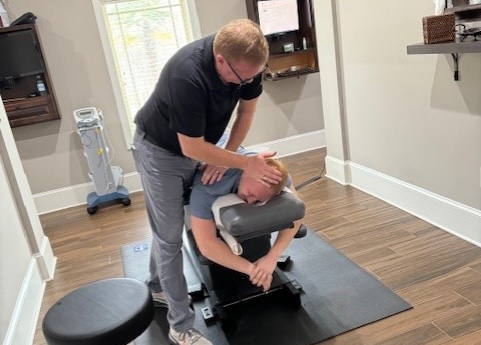

You might be surprised to learn that spinal alignment could play an essential role in alleviating headaches. Many people experience headaches linked to tension, nerve irritation, or even poor posture, and addressing these issues through proper spinal care may offer significant relief. Chiropractic adjustments target misalignments that contribute to discomfort, potentially improving your overall well-being. But is spinal alignment truly a viable solution for everyone, and what evidence backs this claim? Exploring the nuances of this connection may reveal more than you expect.
Understanding Headaches
Have you ever wondered what really causes those nagging headaches? It's not just stress or dehydration; headaches can stem from a variety of triggers that might surprise you. One common cause is tension. You might clench your jaw or hunch your shoulders without even realizing it. This tension can lead to muscle tightness, resulting in that relentless pressure in your head.
Another potential culprit is lifestyle choices. Are you getting enough sleep? Skipping meals? Even your caffeine intake can play a role. Too much or too little caffeine can lead to withdrawal headaches or overstimulation.
You might also want to take into account your screen time. Staring at screens for long periods can cause eye strain, contributing to headaches.
Environmental factors can't be ignored, either. Strong odors, bright lights, or loud noises may trigger headaches for some people. It's important to pay attention to your surroundings and identify any patterns that could be linked to your headaches.
Additionally, hormonal changes can affect many individuals, especially women, making headaches more frequent during certain times of the month.
Lastly, dehydration is a significant factor. If you're not drinking enough water, your body can suffer, leading to headache symptoms. Keeping track of your hydration levels is vital for overall well-being.
The Role of Spinal Alignment
Spinal alignment plays an essential role in overall health and can greatly impact the frequency and intensity of headaches. When your spine is properly aligned, it helps maintain the natural curves of your body, reducing tension and strain on your muscles and nerves. If your spine is out of alignment, it can lead to increased pressure on certain areas, which may contribute to the onset of headaches.
Good spinal alignment guarantees that your nervous system functions at its best. When your spine is in a neutral position, the communication between your brain and body flows more freely. This can help reduce stress and tension, which are known triggers for headaches. Additionally, proper alignment allows for better blood circulation, guaranteeing that your brain receives the oxygen and nutrients it needs to function effectively.
If you've been experiencing frequent headaches, it's worth examining your posture and spinal alignment. Simple adjustments to your workspace, like using an ergonomic chair or adjusting your computer screen height, can make a significant difference.
Regular chiropractic check-ups can also help identify and correct any misalignments that may be contributing to your headaches.
Incorporating exercises that strengthen your core and improve your posture can further enhance spinal alignment. By paying attention to your spinal health, you can take proactive steps to alleviate headache symptoms and improve your overall well-being.
Types of Headaches
Many people experience different types of headaches, each with its own causes and symptoms. Understanding these types can help you identify what you're dealing with and find effective relief.
One common type is the tension headache, often caused by stress, muscle tension, or poor posture. You might feel a dull, aching sensation and tightness around your forehead or neck. Tension headaches can last for hours or even days.
Then there are migraines. These are more intense and can be debilitating. Symptoms typically include severe throbbing pain, often on one side of your head, along with nausea and sensitivity to light and sound. Some people experience aura, which involves visual disturbances before the pain begins.
Cluster headaches are another type, known for their excruciating pain. They occur in cyclical patterns or clusters, often waking you up at night. The pain is usually centered around one eye and can lead to tearing or nasal congestion on the affected side.
Finally, you have sinus headaches, which are linked to sinus infections or inflammation. You may feel pressure around your forehead, cheeks, and eyes, often worsening when bending forward.
Recognizing these types of headaches can be the first step in finding the right treatment. Whether it's adjusting your lifestyle, seeking medical advice, or exploring alternative therapies, understanding your specific headache type is essential.
How Misalignment Affects Pain
Poor alignment of your spine can greatly contribute to various types of pain, including headaches. When your spine isn't aligned properly, it can create tension and pressure on surrounding muscles, ligaments, and nerves. This misalignment often leads to discomfort that radiates from your neck and upper back, triggering headaches that can feel debilitating.
As the spine shifts out of its natural position, it can cause your muscles to overcompensate, leading to strain. This strain can produce tightness in your neck and shoulders, which can then send pain signals to your head. You may notice that your headaches often coincide with periods of poor posture, such as slouching at your desk or looking down at your phone for too long.
Additionally, misalignment can affect your nervous system, which plays an essential role in how your body processes pain. When nerves become pinched or irritated due to spinal misalignment, your brain may interpret these signals as pain, manifesting as headaches.
Over time, chronic misalignment can lead to a cycle of pain that's difficult to break. You may find yourself relying on pain relievers or other temporary solutions, but addressing the root cause—your spinal alignment—can make a significant difference.
Chiropractic Care Basics
Understanding the fundamentals of chiropractic care can empower you to take control of your health. Chiropractic care focuses on the relationship between your spine and overall well-being. It's based on the idea that misalignments in your spine, known as subluxations, can lead to various health issues, including headaches.
Chiropractors use hands-on techniques to adjust the spine and other joints to restore proper alignment. These adjustments can help alleviate tension, improve mobility, and enhance your body's natural ability to heal itself.
During your initial visit, the chiropractor will assess your posture, spinal alignment, and range of motion. They may also ask about your medical history and any specific symptoms you're experiencing.
You'll likely undergo a series of adjustments over time, as chiropractic care often requires a commitment to see significant results. Each session is designed to address your unique needs and may involve additional therapies such as massage, stretching, or exercises to support your treatment.
It's essential to communicate openly with your chiropractor about your symptoms and any concerns you have. This partnership will help them tailor your treatment plan effectively.
While many people experience immediate relief after adjustments, it's important to understand that long-term benefits often come with consistent care. Chiropractic care is a holistic approach that emphasizes your body's innate ability to heal, aiming to improve your overall health and well-being.
Evidence Supporting Spinal Treatment
When it comes to managing headaches, many people find relief through chiropractic care.
Research studies highlight the benefits of spinal treatment, showing significant improvements in headache frequency and intensity.
Understanding this evidence can help you make informed decisions about your health options.
Chiropractic Care Benefits
Chiropractic care offers significant benefits for those suffering from headaches, as numerous studies have demonstrated its effectiveness in treating spinal misalignments. When you seek chiropractic treatment, you're not just addressing your headache; you're also tackling the underlying issues related to spinal alignment. Many patients report immediate relief after their first adjustment, which can lead to better overall well-being.
By realigning your spine, chiropractors help improve your nervous system function, potentially reducing headache frequency and intensity. You might find that regular adjustments lead to fewer episodes of tension headaches and migraines, allowing you to enjoy daily activities without the burden of pain.
Additionally, chiropractic care promotes better posture, which can alleviate strain on your neck and shoulders—common culprits of headache pain. It's a holistic approach that focuses on your body's natural ability to heal itself.
With personalized treatment plans, chiropractors can cater to your specific needs, ensuring you receive the most effective care possible.
Research Studies Insights
Research consistently shows that spinal treatments can considerably reduce headache symptoms. Numerous studies highlight the effectiveness of chiropractic adjustments and spinal manipulation in alleviating tension-type headaches and migraines.
For instance, a randomized controlled trial found that participants receiving chiropractic care reported a significant decrease in headache frequency and intensity compared to those who didn't receive treatment.
Additionally, a review of multiple studies indicated that spinal manipulation can improve spinal function, which may directly impact headache relief. Your body's alignment plays an essential role in overall health, and when your spine is properly aligned, it can reduce muscle tension and improve circulation.
Another significant study revealed that patients who underwent spinal treatments experienced long-term benefits, with many reporting less reliance on medication and fewer headache episodes over time.
These findings suggest that integrating spinal care into your headache management plan could be a game changer.
Other Alignment Techniques
When it comes to improving spinal alignment, you've got several effective techniques at your disposal.
Chiropractic adjustments can realign your spine, while posture correction methods help you maintain that alignment throughout the day.
Additionally, incorporating stretching and strengthening exercises can support your overall spinal health and reduce headache frequency.
Chiropractic Adjustments
For many people suffering from headaches, chiropractic adjustments can offer relief by realigning the spine and improving overall function. When you visit a chiropractor, they'll assess your spine and identify any misalignments that may contribute to your symptoms. By applying precise, controlled force to specific joints, they can restore proper alignment, which often leads to reduced headache frequency and intensity.
Chiropractic adjustments work by alleviating pressure on nerves and improving blood flow, both of which can be essential in headache management. You might experience immediate relief after an adjustment, but ongoing treatment can help maintain spinal health and prevent future headaches.
It's important to communicate openly with your chiropractor about your headache patterns and any other symptoms you may have. This information helps them tailor a treatment plan specific to your needs. While some people find relief after just a few sessions, others may require a more extended regimen for ideal results.
Incorporating chiropractic adjustments into your wellness routine can be a proactive approach to managing headaches and enhancing your quality of life. Don't underestimate the power of spinal alignment in your journey toward relief.
Posture Correction Methods
Proper posture is essential for maintaining spinal alignment and reducing the risk of headaches. To correct your posture, begin by evaluating your daily habits. Are you slumping while sitting at your desk or straining your neck while looking at your phone? Simple adjustments can make a big difference.
Consider using ergonomic furniture, like chairs that support your lower back and desks that allow you to maintain a neutral wrist position while typing. When you're sitting, keep your feet flat on the ground and your knees at a 90-degree angle. This alignment helps distribute your weight evenly and reduces tension in your spine.
Another effective method is to practice mindful posture throughout the day. When standing, distribute your weight evenly on both feet, and keep your shoulders back and relaxed. You might also want to set reminders to check your posture regularly, especially during long periods of sitting.
Additionally, try using posture aids, like braces or bands, to help you maintain alignment. These tools can remind you to keep your body in the right position, ultimately leading to fewer headaches and a more comfortable daily life.
Stretching and Strengthening
Stretching and strengthening exercises play an essential role in promoting spinal alignment and alleviating headaches. When you engage in these exercises, you target the muscles that support your spine, helping to maintain proper posture and reduce tension. This tension often contributes to headaches, so addressing it can lead to significant relief.
Start by incorporating gentle stretches for your neck, shoulders, and upper back. These areas often hold stress and tightness, so focus on movements that promote flexibility. Try neck tilts and shoulder rolls to ease tension.
On the strengthening side, exercises like planks and bridges can enhance your core stability, which is vital for maintaining alignment. A strong core supports your spine, reducing strain on muscles and ligaments.
Consistency is key. Aim to incorporate these stretching and strengthening routines into your daily life, ideally for at least 15-20 minutes. Over time, you'll notice improved posture and a reduction in headache frequency and intensity.
Long-term Strategies for Relief
Finding long-term relief from headaches often requires a multifaceted approach that addresses spinal alignment and overall well-being. Start by prioritizing regular chiropractic care. A skilled chiropractor can help identify misalignments in your spine and develop a tailored treatment plan. Consistency is key; consider scheduling appointments every few weeks to maintain ideal spinal health.
Incorporate daily stretching and strengthening exercises into your routine. Focus on your neck, shoulders, and upper back to improve flexibility and build strength in those areas. Simple neck stretches can alleviate tension, while strengthening exercises can support better posture, reducing strain on your spine.
Pay attention to your posture throughout the day, especially if you sit for long periods. Using ergonomic furniture and adjusting your workstation can greatly reduce the stress on your spine. Remember to take breaks and move around to avoid stiffness.
Hydration is another vital element often overlooked. Drinking enough water helps maintain proper bodily functions and can reduce headache triggers. Aim for at least eight glasses of water a day.
Finally, consider stress management techniques like mindfulness, yoga, or meditation. These practices can help you manage stress-related headaches effectively, promoting overall relaxation and well-being.
Conclusion
In summary, spinal alignment can play an important role in alleviating headaches. By addressing misalignments, you can reduce muscle tension and nerve irritation, leading to fewer headache episodes. Whether through chiropractic care or other alignment techniques, maintaining proper spinal health is essential for your overall well-being. Don't overlook the connection between your spine and headaches—consider exploring these options to find the relief you deserve and improve your quality of life.