
If you’re struggling with back pain, you may be curious about the benefits of combining different therapies. Many individuals find that integrating chiropractic care and physical therapy can lead to significant relief. Each method has its unique strengths, addressing various elements of pain and recovery. But how do these therapies complement each other?
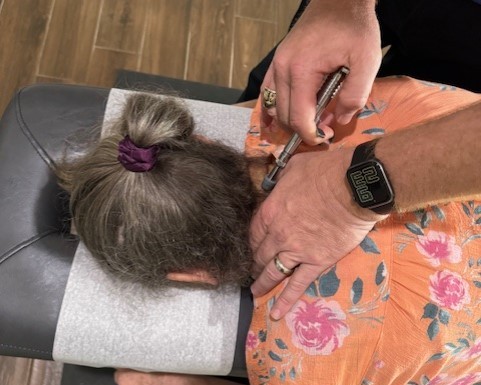
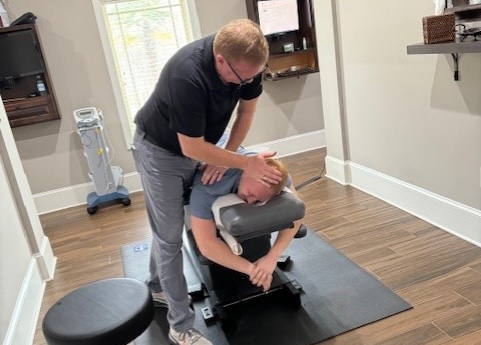
Chiropractic care focuses on the alignment of your spine and the overall health of your nervous system. By correcting misalignments, or subluxations, chiropractic adjustments can alleviate pain, enhance mobility, and promote healing in your body. This natural, hands-on approach avoids the need for medications or surgeries and emphasizes the body’s ability to heal itself.
On the other hand, physical therapy often involves exercises and stretches that strengthen the muscles supporting your spine and improve your overall flexibility. While this is beneficial, combining it with chiropractic care can be even more effective. When your spine is aligned correctly, your body is better prepared to respond to the strengthening exercises provided by physical therapy.
Here are some tips to maximize the benefits of combining these therapies:
- Communicate with Your Chiropractor: Share your physical therapy goals with your chiropractor. This collaboration can help tailor your chiropractic adjustments to complement your physical therapy regimen.
- Stay Consistent: Regular visits to both your chiropractor and physical therapist can ensure that you are consistently working towards your recovery goals.
- Practice Good Posture: Maintaining proper posture throughout your daily activities can support the work done in both therapies, reducing the strain on your back.
- Incorporate Gentle Stretching: Gentle stretches can help keep your muscles flexible and support the adjustments made during chiropractic care.
- Listen to Your Body: Pay attention to how your body responds to both therapies. If something doesn’t feel right, communicate with your healthcare providers to adjust your approach.
By integrating chiropractic care with physical therapy, you can create a comprehensive approach to healing that emphasizes natural wellness and pain relief. Remember, your body is designed to heal itself, and with the right support, you can achieve optimal health and well-being.
Understanding Back Pain: Causes and Symptoms
When you experience back pain, it’s essential to recognize that it can arise from various causes and present in different ways. You might feel a dull ache, a sharp sting, or even a tightness in your muscles. Common culprits include poor posture, muscle strains, or injuries from accidents. Additionally, underlying conditions like herniated discs or arthritis may add to your discomfort.
You may find that your pain intensifies after sitting for extended periods, lifting heavy objects, or engaging in physical activities. Sometimes, the pain might radiate down your legs, or you could experience stiffness that limits your movement. Emotional factors, such as stress or anxiety, can also heighten your pain, making it feel more severe.
Understanding these symptoms and their potential causes is crucial for finding relief. By identifying what triggers your back pain, you can take proactive steps to address it effectively.
Chiropractic care is an excellent option for managing back pain naturally. A chiropractor can help realign your spine, improve your posture, and relieve muscle tension, promoting your body’s natural healing processes.
Here are some tips to help you manage your back pain and enhance your overall wellness:
- Practice Good Posture: Be mindful of your posture while sitting, standing, and moving. Keeping your spine aligned can help reduce strain on your back.
- Stay Active: Regular physical activity strengthens your muscles and improves flexibility. Consider low-impact exercises like walking, swimming, or yoga, which are gentle on your back.
- Use Proper Lifting Techniques: When lifting heavy objects, bend your knees and keep the load close to your body. This helps protect your back from injury.
- Manage Stress: Incorporate relaxation techniques such as deep breathing, meditation, or gentle stretching to alleviate stress, which can contribute to muscle tension.
- Schedule Regular Chiropractic Visits: Regular adjustments from a chiropractor can help maintain spinal alignment, reduce pain, and improve your overall well-being.
Overview of Common Treatment Options
After identifying the causes and symptoms of your back pain, it’s time to explore effective treatment options that can promote natural healing and wellness. One of the best approaches is chiropractic care, which focuses on aligning your spine and improving your overall health.
By addressing misalignments, chiropractors can help reduce pain, enhance mobility, and support your body’s natural ability to heal itself.
In addition to chiropractic adjustments, incorporating gentle physical activity into your routine is essential. Regular exercises, like stretching and low-impact movements, can strengthen your back and improve flexibility, making it easier to navigate daily activities without discomfort.
Don’t underestimate the power of heat and cold therapy either! Applying a warm compress can relax tight muscles, while ice packs can reduce inflammation. These simple methods can provide immediate relief and are easy to incorporate into your self-care routine.
For ongoing support, consider regular chiropractic visits. Many people find that consistent adjustments lead to long-term relief and a healthier lifestyle.
The Role of Physical Therapy in Pain Management
Chiropractic care plays a vital role in managing back pain by promoting natural healing and restoring spinal alignment. When you visit a chiropractor, you’ll receive personalized treatment that focuses on the specific needs of your body. This individualized approach not only helps alleviate pain but also strengthens your core, improves flexibility, and enhances your posture, all of which are crucial for long-term relief.
A chiropractor will teach you proper body mechanics, which are essential for preventing future injuries. Techniques such as spinal adjustments, soft tissue therapy, and gentle exercises are used to relieve pain and reduce inflammation. As you progress in your care, your chiropractor will guide you through functional movements, helping you regain confidence in your everyday activities.
To support your journey to wellness, here are a few tips you can incorporate into your daily routine:
- Stay Active: Engage in regular physical activity, like walking or gentle stretching, to keep your spine healthy.
- Practice Good Posture: Be mindful of your posture when sitting, standing, or lifting to protect your back.
- Listen to Your Body: If something doesn’t feel right, don’t push through pain; consult your chiropractor for guidance.
- Stay Hydrated: Drinking plenty of water can help keep your spinal discs hydrated and functioning well.
- Prioritize Sleep: Ensure you have a comfortable mattress and practice good sleep hygiene to support spinal health.
The Benefits of Chiropractic Care
Chiropractic care is an excellent choice for anyone seeking natural pain relief and improved overall health. By focusing on spinal alignment and body mechanics, chiropractic care can significantly enhance your recovery process. Here are some of the key benefits:
- Effective Pain Relief: Chiropractic adjustments are designed to alleviate pain and reduce inflammation in your back. This allows you to engage more comfortably in exercises and activities that promote healing.
- Enhanced Mobility: Regular visits to a chiropractor can help improve your range of motion. With greater flexibility, you’ll find it easier to perform movements that are essential during rehabilitation exercises.
- Holistic Wellness: Chiropractors take a comprehensive view of your health. They don’t just treat back pain; they also consider factors like stress levels and posture, both of which can influence your recovery. By addressing these areas, chiropractic care supports your overall wellness.
Incorporating chiropractic care into your routine can lead to a more effective approach to managing back pain. This natural method encourages your body’s innate healing abilities and can help you return to your daily activities more quickly.
Tips for Optimal Health:
- Stay Active: Gentle exercises and stretches can help maintain mobility and reduce stiffness.
- Mind Your Posture: Be conscious of how you sit and stand throughout the day to reduce strain on your back.
- Practice Stress Relief: Techniques such as deep breathing or meditation can help manage stress, which in turn can support your recovery.
Choosing chiropractic care is a proactive step towards achieving and maintaining optimal health. Embrace this natural healing approach and experience the benefits for yourself!
How Combining Therapies Can Enhance Results
Combining therapies such as chiropractic care and physical therapy can significantly enhance your journey to managing back pain. Each method tackles different aspects of your discomfort, allowing for a more comprehensive approach to healing.
Chiropractic adjustments are designed to align your spine, which can improve your mobility and reduce pain. This realignment is crucial for your overall health, as it helps your body function more effectively.
On the other hand, physical therapy focuses on strengthening the muscles that support your spine. By building a strong foundation, you can prevent future injuries and create a more resilient back. When these two therapies are integrated, you’re not just masking the pain; you’re working on the root causes that contribute to it.
This combination may lead to quicker relief and better overall functionality. It encourages your body to heal naturally and strengthens it at the same time. As a chiropractor, I can help create a tailored plan that incorporates both chiropractic adjustments and physical therapy exercises, ensuring that you receive the most effective care possible.
Here are some general tips for managing back pain at home:
- Practice good posture: Keep your back straight and shoulders back, especially when sitting for long periods.
- Stay active: Gentle exercises, like walking or stretching, can help keep your back muscles strong and flexible.
- Listen to your body: If you feel pain, stop what you’re doing and rest. Pushing through pain can lead to further injury.
- Use heat or cold: Applying heat can relax tight muscles, while cold packs can reduce inflammation.
Potential Challenges of Integrating Treatments
Integrating various treatments for back pain can certainly be advantageous, but it’s crucial to be aware of the potential challenges you may face along the way. As a chiropractor dedicated to promoting natural healing and optimal health, I want to help you navigate these hurdles effectively. Here are some challenges to consider:
- Compatibility of Therapies: Not all treatment methods work well together. Some therapies may not complement each other, which can hinder your healing journey. It’s always best to prioritize chiropractic care, as it focuses on aligning your spine and promoting natural healing without the need for medications or invasive procedures.
- Increased Costs: Combining different therapies can lead to higher expenses. Chiropractic care offers a cost-effective solution by addressing the root cause of pain through natural adjustments and lifestyle guidance, allowing you to save on additional treatments.
- Time Commitment: Juggling multiple treatment schedules can become overwhelming. Focusing on chiropractic care simplifies your approach to healing, as it emphasizes consistency in care and encourages you to incorporate healthy habits into your daily routine.
By understanding these challenges, you can make more informed decisions about your treatment options. Remember, chiropractic care is designed to help you achieve optimal health naturally. Always discuss your options with your chiropractor to tailor a plan that best suits your needs.
In addition, here are some general tips to support your back health:
- Stay Active: Engage in regular low-impact exercises, like walking or swimming, to strengthen your back and improve flexibility.
- Practice Good Posture: Maintaining proper posture while sitting and standing can help reduce strain on your back.
- Use Ergonomic Furniture: Invest in chairs and desks that support your spine, especially if you spend long hours at a desk.
- Stay Hydrated: Drinking plenty of water helps maintain healthy spinal discs and overall body function.
Embrace chiropractic care as a holistic approach to pain relief and wellness, and you’ll be on your way to a healthier, happier life!
Real-Life Success Stories: Case Studies
Managing the challenges of back pain can seem overwhelming, but many individuals have discovered effective ways to regain control through the power of chiropractic care combined with other holistic therapies. Let’s look at some inspiring success stories.
Take Sarah, for instance. After years of battling chronic back pain, she embraced chiropractic adjustments alongside physical therapy and acupuncture. The adjustments provided immediate relief by addressing misalignments in her spine, while the tailored exercises and acupuncture worked to strengthen her back and alleviate pain. This combination led to significant improvement in her overall well-being.
Then there’s Tom, who chose to incorporate chiropractic care with mindfulness meditation. The adjustments from his chiropractor not only relieved his pain but also improved his posture, reducing the risk of future flare-ups. Meanwhile, meditation helped him manage stress, which is a key contributor to chronic pain. This holistic approach has dramatically transformed his quality of life, allowing him to feel more relaxed and in control.
Lastly, consider Lisa, who found success by integrating chiropractic care with yoga and massage therapy. Regular chiropractic adjustments improved her spinal alignment, which enhanced her flexibility and overall mobility. The gentle stretches of yoga complemented this, while massage therapy further eased muscle tension. Together, these practices not only reduced her pain but empowered her to maintain an active lifestyle.
These stories highlight the effectiveness of chiropractic care in managing back pain and improving overall health. If you’re struggling with back pain, consider these tips:
- Seek Chiropractic Care: Regular adjustments can help keep your spine aligned and reduce pain.
- Incorporate Physical Activity: Gentle exercises like yoga can improve flexibility and strength.
- Practice Mindfulness: Techniques such as meditation can help manage stress, which may contribute to pain.
- Listen to Your Body: Pay attention to your body’s signals and adjust your activities accordingly.
- Stay Consistent: Combining different therapies consistently can lead to better outcomes.
Tips for Choosing the Right Combination of Therapies
Deciding on the best therapies for your back pain can feel daunting. However, by focusing on a few key aspects, you can make the process easier and more effective. Here are some tips to help guide your choices toward natural healing and wellness, with chiropractic care as a top recommendation:
- Evaluate Your Pain: Take some time to understand the nature of your pain. Is it sharp, dull, constant, or occasional? Knowing whether your pain is acute or chronic, and how it affects your daily life can help guide your therapy choices. This self-assessment is crucial for determining the right approach to healing.
- Seek Chiropractic Guidance: Consulting with a chiropractor is a great step toward recovery. Chiropractors specialize in spinal health and can provide personalized recommendations based on your specific condition. They can help you understand how spinal adjustments and other natural therapies can relieve pain and promote overall wellness.
- Take a Step-by-Step Approach: Instead of overwhelming yourself with multiple treatments at once, start with chiropractic care. Monitor how you feel after each session, and communicate with your chiropractor about your progress. This gradual approach allows you to identify what works best for your body, ensuring that you’re on the right path to healing.
- Incorporate Healthy Habits: Alongside chiropractic care, consider integrating gentle stretches, proper posture, and regular exercise into your routine. These habits can enhance the benefits of your treatment and help maintain a healthy spine.
- Stay Educated: Knowledge is power. Familiarize yourself with spinal health and the benefits of chiropractic care. This understanding can empower you to make informed decisions about your health and well-being.
By focusing on chiropractic care and these supportive practices, you can effectively manage back pain and work toward achieving optimal health naturally.
Conclusion
In conclusion, combining chiropractic care with physical therapy can be an incredibly effective way to address back pain. By focusing on both spinal alignment and muscle strength, you create a solid foundation for a more complete recovery. Chiropractic care is designed to restore proper alignment of your spine, which can alleviate pain and enhance overall function.
While it’s important to customize your treatment plan to suit your unique needs, many individuals have experienced significant improvements with this integrated approach. Remember, chiropractic care not only targets your symptoms but also promotes natural healing and long-term wellness.
If you’re considering options for your back pain, don’t hesitate to explore chiropractic care as a primary choice. It may just be the key to achieving long-lasting relief and improved mobility.
Additionally, here are some general tips for maintaining a healthy back:
- Practice good posture, whether sitting or standing.
- Incorporate gentle stretches into your daily routine to keep your muscles flexible.
- Stay active with low-impact exercises, like walking or swimming, to strengthen your back.
- Pay attention to your body’s signals and avoid heavy lifting or twisting movements that may strain your back.
By prioritizing chiropractic care and these healthy habits, you can take significant steps towards achieving optimal health and wellness.