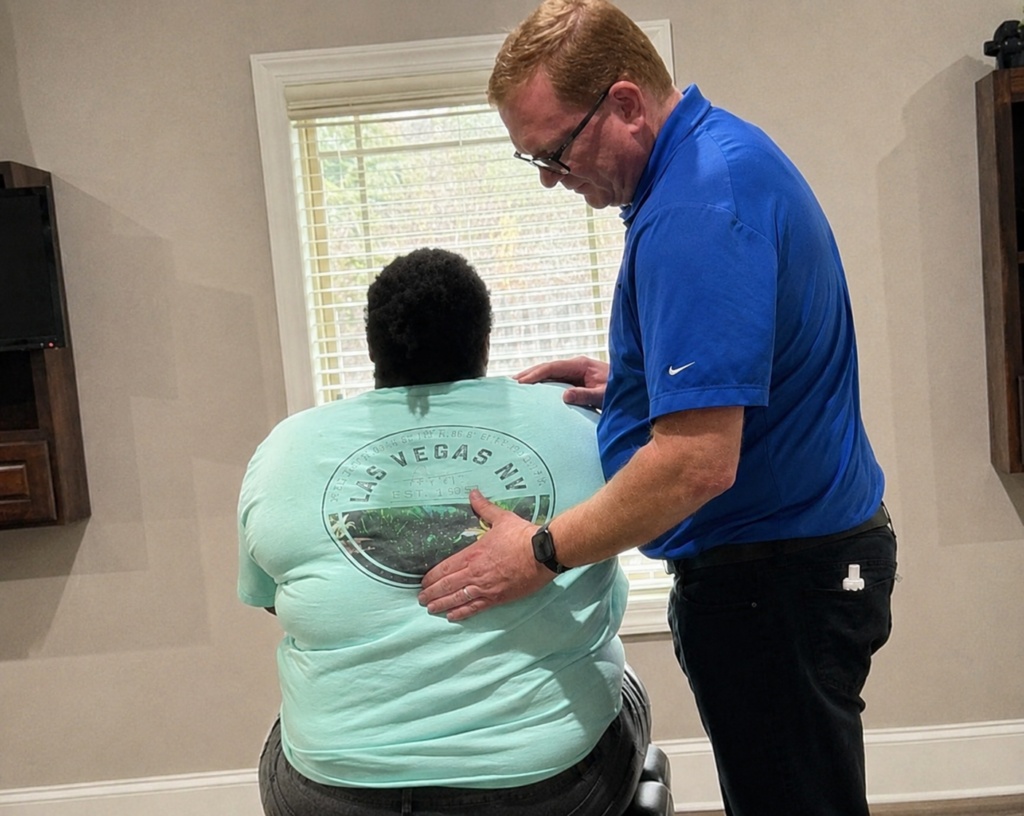

As a local chiropractor, I understand that chronic pain can feel overwhelming and that finding effective relief is often a complex journey. Many of my patients have discovered that a combination of traditional treatments and alternative therapies can provide a more holistic approach to managing their pain.
Chiropractic care, for instance, focuses on the relationship between the spine and the nervous system, aiming to restore proper function and alignment. This can lead to significant relief for many individuals. Additionally, I often recommend personalized exercise routines tailored to your specific needs, as well as dietary changes that can help reduce inflammation and promote overall health.
But did you know that enhancing your emotional well-being can also play a crucial role in your healing process? Simple lifestyle modifications, such as stress management techniques and mindfulness practices, can greatly impact how you perceive and manage pain.
As you explore these strategies, it's important to see how each element contributes to a larger picture of healing and resilience. By embracing a comprehensive approach, you might just find a new perspective on managing your pain and improving your quality of life. I'm here to guide you on this journey to better health and wellness.
Understanding Chronic Pain
Chronic pain can often feel like a persistent shadow, impacting not only your physical health but also your emotional well-being.
It's crucial to understand that chronic pain is much more than just discomfort; it can drain your energy and influence your mood significantly. You may find yourself grappling with feelings of frustration, anxiety, or even depression as you manage daily life alongside ongoing pain. As a chiropractor, I believe that understanding the nature of chronic pain is essential for effective management and healing.
This type of pain typically lasts for over three months and often lacks a clear origin. You might experience it in various ways, such as aching, throbbing, or burning sensations. Since chronic pain can arise from a variety of conditions, it can be challenging to identify the exact source.
Unlike acute pain, which serves as a signal of immediate injury or illness, chronic pain is more complex and can persist even after the initial problem has been resolved.
Your brain plays a crucial role in how you perceive pain. It processes signals from your body and can sometimes misinterpret them, which can lead to increased sensations of discomfort. This means that even in the absence of physical damage, you might still experience significant pain.
Additionally, it's important to recognize that your emotional state can impact your pain levels. For example, stress can exacerbate your experience, making it feel even more intense.
As your chiropractor, I'm here to help you explore natural healing methods that can alleviate chronic pain. Through chiropractic adjustments, we aim to restore proper alignment and function, which can play a significant role in reducing pain and improving overall well-being.
Together, we can work towards a comprehensive approach that not only addresses the physical aspects of pain but also supports your emotional health.
Common Causes of Chronic Pain
As a local chiropractor, I want to help you understand that pain can stem from a variety of underlying conditions, and it's essential to identify the cause to find effective relief. Chronic pain often arises from issues like arthritis, fibromyalgia, or herniated discs—conditions that I frequently encounter in my practice.
For example, if you're experiencing joint pain, it could be a sign of osteoarthritis, where the cartilage that cushions your joints gradually wears away. By recognizing these conditions early, we can work together to manage your symptoms and improve your overall well-being.
Another common source of pain that I see in patients is nerve damage. Issues such as neuropathy or sciatica can lead to persistent discomfort in specific areas of the body. You may experience sensations like tingling, burning, or sharp pain, which can indicate that your nervous system isn't functioning optimally.
Understanding these signs is crucial for developing a tailored chiropractic treatment plan.
Past injuries can also play a significant role in chronic pain. Even after an injury has healed, you may experience lingering pain known as post-traumatic pain. This can greatly affect your daily life, but chiropractic care can help address these issues and restore your body's function.
Infections, such as Lyme disease or shingles, can lead to long-lasting pain as well. If you've had an infection, it's important to monitor any ongoing discomfort and discuss it with me, as we can explore natural healing methods to alleviate your symptoms.
Additionally, autoimmune diseases, like lupus or rheumatoid arthritis, can cause persistent pain due to inflammation and tissue damage. Here, chiropractic adjustments can help reduce inflammation and promote healing.
Lastly, I want to emphasize the impact of emotional and psychological factors on your pain perception. Stress, anxiety, and depression can amplify your experience of pain, making it feel more intense.
Chiropractic care doesn't just focus on the physical aspects of pain; we also consider your overall emotional well-being.
Traditional Treatment Options
When it comes to addressing chronic discomfort, exploring chiropractic care and natural healing options can be a pivotal step towards achieving relief. These approaches often focus on a holistic combination of spinal adjustments, physical rehabilitation, and lifestyle adjustments tailored specifically to your individual needs.
Chiropractors primarily use spinal manipulation techniques to help alleviate chronic pain. By realigning the spine, we can reduce nerve interference and improve your body's overall function. This not only helps to alleviate pain but can also enhance your body's capacity to heal itself.
It's important to work closely with a chiropractor to ensure that you're receiving care that's safe and effective, minimizing the risk of any adverse effects.
In addition to spinal adjustments, physical rehabilitation is a key component of chiropractic treatment. A qualified chiropractor can design a personalized exercise program that focuses on strengthening muscles, improving flexibility, and enhancing overall posture.
These exercises not only serve to relieve pain but also help restore function and prevent future injuries, setting the foundation for long-term health.
Furthermore, lifestyle modifications are essential in managing chronic discomfort. Incorporating regular physical activity, maintaining a nutritious diet, and engaging in stress-reducing practices such as yoga or meditation can significantly improve your overall well-being and help you cope with pain more effectively.
I encourage you to have an open dialogue with your chiropractor about what approaches work best for you. Discovering the right blend of chiropractic care and lifestyle changes may take some time, but with dedication and support, you can find a path that helps you manage your chronic discomfort and enhances your quality of life.
Alternative Therapies
As a local chiropractor, I want to share with you the benefits of exploring alternative therapies for managing discomfort and enhancing your overall well-being. Unlike conventional approaches that often focus solely on symptoms, alternative therapies aim to treat the whole person, fostering a deeper sense of health and vitality.
One of the key modalities I offer is chiropractic care. This involves hands-on spinal manipulation to align your body's musculoskeletal structure. By adjusting misalignments, we can alleviate pain, improve function, and promote overall health. Many of my patients report significant reductions in pain and improvements in mobility after just a few sessions.
In addition to chiropractic adjustments, I encourage considering other natural remedies as part of your healing journey. For instance, incorporating anti-inflammatory herbs like turmeric and ginger into your diet can support pain relief. However, I always recommend consulting with a healthcare professional before starting any new treatments.
Massage therapy is another effective tool that can complement chiropractic care. Regular massage sessions can relieve muscle tension, enhance circulation, and promote relaxation, further reducing your pain levels.
Additionally, mindfulness and meditation practices can help you cultivate mental clarity and emotional balance, which are essential for managing pain effectively. Techniques like guided imagery or progressive muscle relaxation can be beneficial in coping with discomfort.
Yoga is also a wonderful practice that combines physical postures, breathing exercises, and meditation. It promotes flexibility and strength while easing pain. If you're interested, I can help you find a qualified instructor who understands chronic pain management.
Lifestyle Modifications
As a local chiropractor dedicated to helping you manage chronic pain naturally, I want to share some simple lifestyle modifications that can significantly enhance your well-being and potentially alleviate discomfort.
Integrating these small changes into your daily routine can make a big difference. Here are four effective strategies to consider:
1. Stay Active: Regular physical activity is crucial for managing pain. I encourage you to incorporate low-impact exercises into your routine, such as walking, swimming, or yoga.
These activities not only help strengthen your muscles and improve flexibility but also elevate your mood, which can play a role in reducing pain.
2. Eat Healthily: Nourishing your body with a balanced diet is essential. Focus on consuming plenty of fruits, vegetables, whole grains, and lean proteins.
Foods rich in antioxidants and omega-3 fatty acids are particularly beneficial in reducing inflammation. Also, don't forget to stay hydrated—drinking plenty of water throughout the day is vital for your overall health.
3. Establish a Sleep Routine: Quality sleep is key to effective pain management. Strive for 7-9 hours of restful sleep each night and establish a calming bedtime routine.
Limiting screen time before bed and creating a cool, dark sleeping environment can enhance your sleep quality, helping your body recover and manage pain more effectively.
4. Manage Stress: Chronic stress can worsen pain levels, so it's important to find effective ways to manage it.
Techniques such as deep breathing, meditation, or engaging in hobbies you love can be very helpful. Remember, taking regular time for self-care isn't just a luxury; it can truly help lower your pain levels and improve your quality of life.
By adopting these lifestyle modifications, you can support your body's natural healing processes and experience a more holistic approach to managing chronic pain.
If you have questions about how chiropractic care can further assist you in this journey, feel free to reach out!
Mind-Body Techniques
As a local chiropractor, I want to share how mind-body techniques can be instrumental in managing chronic pain and enhancing your overall well-being. Understanding the connection between your mental and physical health is key, and these practices can be a valuable complement to your chiropractic care.
Meditation is a fantastic way to focus your mind and cultivate awareness. It helps you create a mental space where you can detach from painful sensations. Regular meditation can lower your stress levels and improve how you emotionally respond to pain. Even dedicating just a few minutes a day to this practice can lead to a significant shift in your pain perception.
Yoga is another excellent method that combines physical movement with mindfulness. It encourages flexibility and strength while soothing your mind. You don't need to be a yoga expert; even simple stretches can help alleviate tension and improve your body's overall function. I encourage you to integrate gentle yoga poses into your daily routine to start experiencing these benefits firsthand.
Guided imagery is also a powerful technique that you can easily incorporate into your life. By visualizing calming scenes or recalling joyful memories, you can create a mental escape from discomfort. This practice allows your mind to focus on positive thoughts, which can lessen your perception of pain.
Additionally, deep breathing exercises can be incredibly beneficial. When you take slow, deep breaths, you activate your body's relaxation response, which lowers your heart rate and relieves tension. This simple act can signal to your nervous system that it's time to relax, promoting a sense of calm.
By integrating these mind-body techniques into your daily life alongside your chiropractic care, you can empower yourself to manage chronic pain more effectively and improve your overall quality of life.
The Role of Nutrition
As a chiropractor, I want to emphasize the vital role that nutrition plays in managing chronic pain and enhancing your overall well-being. The foods you consume can significantly affect inflammation, energy levels, and even your mood, all of which are crucial factors in how you perceive pain.
By being mindful of your dietary choices, you have the potential to alleviate discomfort and improve your quality of life.
Here are four nutritional strategies I encourage you to incorporate into your daily routine:
- Emphasize Anti-Inflammatory Foods: Make it a habit to include more fruits, vegetables, whole grains, and healthy fats like olive oil and nuts in your meals. Foods rich in omega-3 fatty acids, such as salmon and walnuts, are particularly effective in fighting inflammation, which can help ease your pain.
- Prioritize Hydration: Staying well-hydrated is crucial for your health. Dehydration can worsen feelings of fatigue and discomfort, so aim to drink at least eight glasses of water each day. Herbal teas can also be a soothing choice that aids in hydration.
- Reduce Processed Foods: Cutting back on sugar, refined carbohydrates, and trans fats can help lower inflammation levels in your body. These types of foods can trigger pain responses, so I recommend opting for whole, unprocessed options whenever you can.
- Explore Supplements: It may be beneficial to discuss with me or your healthcare provider the possibility of adding supplements like turmeric, ginger, or vitamin D to your diet. These natural substances have anti-inflammatory properties and may assist in alleviating pain.
By integrating these nutritional strategies into your life, you can support your chiropractic care and enhance your journey toward natural healing.
Importance of Support Systems
When it comes to managing chronic pain, having a strong support system is invaluable, and as a local chiropractor, I want to emphasize the role of natural healing and community in your journey.
Emotional support from friends and family is essential; it can alleviate feelings of isolation that often accompany chronic pain. Additionally, connecting with others who've experienced similar challenges can offer a sense of comfort and understanding that's hard to find elsewhere.
In my practice, I encourage patients to seek not just hands-on treatment but also to engage with a network of support. This includes family, friends, and even local support groups.
Furthermore, I recommend professional guidance—such as chiropractic care—that focuses on holistic strategies to help you manage pain more effectively. By combining physical treatments with emotional and community support, you can create a comprehensive approach to healing that empowers you on your path to wellness.
Emotional Support Matters
Chronic pain can often feel overwhelming, like a heavy weight pressing down on your daily life. As a local chiropractor, I want to emphasize the importance of having a strong support system when navigating the challenges of chronic pain.
Emotional support is crucial in your journey, as it not only lightens your load but also empowers you to face each day with renewed strength.
Here are four ways emotional support can enhance your experience with chiropractic care and natural healing:
- Validation: When you have someone who listens and understands your pain, it can validate your experiences and emotions. This acknowledgment is an essential first step in the healing process.
- Encouragement: Friends and family who support you can be a powerful motivator. Their encouragement can inspire you to explore chiropractic treatments, commit to your wellness journey, or engage in essential self-care practices.
- Shared Experiences: Connecting with others who are dealing with similar challenges fosters a sense of community. This shared understanding can alleviate feelings of isolation and remind you that you aren't alone in your pursuit of relief.
- Stress Reduction: Emotional support can significantly lower your stress levels, which is beneficial for your overall well-being. Reduced stress can enhance the effectiveness of chiropractic adjustments and natural healing methods, leading to better pain management.
Connecting With Others
As a local chiropractor, I want to emphasize the importance of having a strong support system when managing chronic pain. Connecting with others who understand your journey can create a safe environment to share your feelings and experiences, ultimately lightening your emotional burden. Family, friends, and support groups can provide not only empathy but also practical advice on coping strategies that complement the care you receive in our office.
Never underestimate the value of talking to someone who truly understands what you're going through. Sharing your experiences with others can significantly reduce feelings of isolation. It's crucial to reach out and foster those relationships; they can offer encouragement during difficult times and remind you that you're not alone in this battle against pain.
Engaging in social activities, whether it's a simple phone call or a coffee date, can enhance your mood and strengthen your sense of connection. I encourage you to consider joining local support groups or online forums that focus on chronic pain management. These communities can serve as invaluable resources, offering emotional support and new ideas for managing your symptoms alongside chiropractic care.
Ultimately, surrounding yourself with compassionate and understanding people can empower you to tackle the challenges of chronic pain with resilience and hope. So, take that step to connect—your journey toward wellness will be enriched by the support you receive from those around you.
Professional Guidance Benefits
Regularly seeking professional guidance, especially from a chiropractor, is crucial for effectively managing chronic pain. It goes beyond just medication; it's about adopting a holistic approach to your overall well-being.
As a chiropractor, I can provide tailored strategies and support that can significantly enhance your pain management journey. Here are four key benefits of working with a chiropractor:
- Personalized Treatment Plans: As a chiropractor, I assess your unique situation to develop a customized plan that specifically addresses your needs. This personalized approach can greatly increase your chances of finding relief from chronic pain.
- Access to Natural Healing Resources: I can connect you with a variety of treatment options, including spinal adjustments, physical rehabilitation, nutritional guidance, and lifestyle modifications. These resources broaden your possibilities for finding effective relief without relying solely on medications.
- Ongoing Support and Motivation: Regular visits to my practice help you stay accountable and motivated on your healing journey. I'm here to monitor your progress and adjust your treatment plan as needed, ensuring that your pain management remains flexible and responsive to your evolving needs.
- Education and Empowerment: One of my goals as a chiropractor is to educate you about your condition. By providing you with knowledge about your body and its mechanics, I empower you to make informed decisions and take an active role in your recovery process.
Embracing chiropractic care can be a transformative step toward managing your chronic pain naturally.
Let's work together to explore the benefits of a holistic approach to your health!
Seeking Professional Guidance
When it comes to managing chronic pain, exploring chiropractic care can be an essential step towards effective relief. You don't have to face this journey alone, and collaborating with a chiropractor can significantly enhance your healing process. Begin by scheduling an appointment with a local chiropractor, who can evaluate your condition and determine the best course of action tailored to your specific needs.
It's crucial to be open and transparent about your pain. Be prepared to discuss when your discomfort began, the nature of the pain, and any factors that aggravate or alleviate it. This information allows your chiropractor to develop a personalized treatment plan that addresses the root causes of your pain rather than just the symptoms.
Don't hesitate to ask questions about how chiropractic adjustments work and what to expect during your sessions. Understanding the principles behind chiropractic care empowers you to engage actively in your healing journey.
Consider an integrated approach to your health. Many patients find that combining chiropractic adjustments with other treatments, such as physical therapy or lifestyle changes, can yield even better results.
Additionally, addressing the emotional aspects of chronic pain is vital. Working with a mental health professional who understands the challenges of living with pain can contribute positively to your overall well-being.
Remember to maintain open lines of communication with your chiropractor about your progress. Treatment plans may need to be adjusted as you respond to care, and your feedback is essential in this process.
Conclusion
As a local chiropractor, I want to share with you that finding relief from chronic pain often requires a holistic approach. It's not just about treating the symptoms; it's about addressing the underlying causes and incorporating various methods into your recovery plan. By combining traditional chiropractic treatments with alternative therapies and making meaningful lifestyle changes, we can work together to create a personalized strategy that suits your needs.
Don't overlook the significance of nutrition and mind-body techniques; they play a crucial role in your healing journey. Additionally, having a strong support system can make a world of difference. I encourage you to keep an open line of communication with me and other healthcare professionals. Together, we can develop effective strategies that not only enhance your resilience but also improve your overall quality of life. Remember, healing is a process, and I'm here to guide you every step of the way.