
You may not realize how much your mobility impacts your daily life until you encounter limitations. Expert adjustments can offer tailored solutions to improve your body mechanics and overall function. By integrating techniques like manual therapy and therapeutic exercises, specialists can address pain, enhance flexibility, and boost coordination. But what exactly does this process entail, and how can it transform your physical health? Understanding the nuances of these adjustments might just open the door to a more active and fulfilling lifestyle.
Understanding Expert Adjustments
When you think about enhancing mobility, expert adjustments play an important role in maximizing your experience. These adjustments involve fine-tuning your body's mechanics to guarantee everything functions efficiently.
It's vital to recognize that every individual is unique, and what works for one person mightn't work for another. That's where the expertise of professionals comes into play.
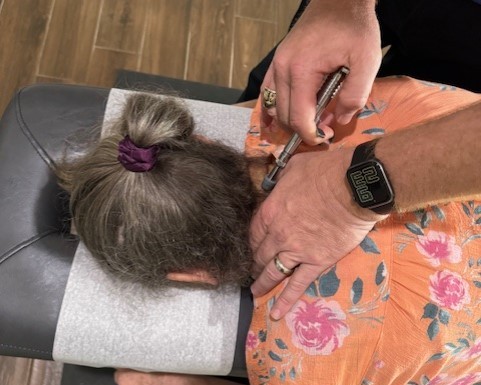
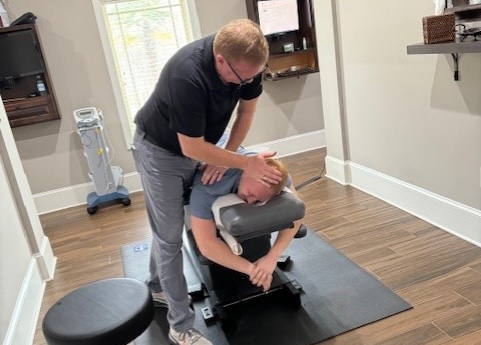
Expert adjustments can include various techniques tailored to your specific needs, such as manual therapy, stretching, or even ergonomic modifications. By evaluating your posture, gait, and joint alignment, professionals can pinpoint areas that require attention.
You mightn't realize it, but small misalignments can lead to significant mobility issues over time.
Moreover, expert adjustments focus on your overall body mechanics. They help you understand how your muscles, joints, and nerves work together to facilitate movement. This deeper understanding not only improves your mobility but also empowers you to make informed decisions about your physical activities.
It's also worth noting that expert adjustments aren't solely about correcting existing issues. They can serve as a preventative measure, helping you maintain peak function and avoid potential injuries.
By actively participating in the adjustment process, you're taking significant steps toward enhancing your mobility.
Ultimately, whether you're an athlete or someone seeking to improve daily activities, understanding expert adjustments is the first step. Embracing this knowledge allows you to make the most of your mobility journey, guaranteeing you move effectively and comfortably.
Benefits of Enhanced Mobility
Enhanced mobility offers a range of benefits that can greatly improve your quality of life. When you're able to move more freely, you'll find daily activities become easier and more enjoyable. Whether it's playing with your kids, running errands, or simply walking the dog, enhanced mobility helps you live life to the fullest.
One of the most significant benefits is increased independence. With improved mobility, you'll rely less on others for assistance. You can navigate your environment confidently, making it easier to participate in social events, pursue hobbies, and maintain personal relationships. This newfound independence can boost your self-esteem and overall happiness.
Moreover, enhanced mobility can lead to better physical health. Regular movement helps strengthen your muscles and improve cardiovascular health. It also promotes weight management and reduces the risk of chronic conditions such as diabetes and heart disease.
When you're more active, you'll likely experience increased energy levels, allowing you to tackle challenges with enthusiasm.
Mental well-being is another essential aspect. Engaging in physical activities stimulates the release of endorphins, which can enhance your mood and reduce feelings of anxiety or depression.
You'll also find that being active often leads to better sleep quality, which further contributes to your overall well-being.
Common Mobility Limitations
Many people face common mobility limitations that can hinder their daily activities and overall quality of life. You might experience difficulties with movement due to various factors, such as age, injury, or health conditions. These limitations can manifest in different ways, from stiffness and pain to reduced range of motion.
For instance, if you've had a recent surgery or injury, you may find it challenging to walk, bend, or lift objects without discomfort. Conditions like arthritis can make your joints feel stiff and swollen, affecting your ability to perform everyday tasks. Even simple actions, like getting out of a chair or climbing stairs, can become intimidating challenges.
Muscle weakness or imbalances can also contribute to mobility issues. If certain muscle groups aren't functioning efficiently, you might struggle with stability and coordination, making you more prone to falls. Additionally, balance problems can arise from inner ear issues or neurological conditions, further complicating your ability to move freely.
Mental health factors, such as anxiety or depression, can also play a role in how you perceive and manage your mobility. You might find that your motivation to stay active diminishes, leading to a cycle of decreased physical activity and worsening mobility.
Recognizing these common limitations is the first step toward addressing them. By understanding what's holding you back, you can seek appropriate guidance and support to improve your mobility and regain control over your daily life.
Techniques Used by Professionals
Understanding your mobility limitations opens the door to various professional techniques aimed at improving your movement and overall well-being.
Professionals utilize a range of methods tailored to address your specific needs and enhance your mobility. Here are four key techniques they often employ:
1. Manual Therapy: This hands-on approach involves therapists manipulating your muscles and joints to alleviate pain, improve circulation, and enhance flexibility.
It's effective in addressing tightness and promoting relaxation.
2. Therapeutic Exercises: Customized exercise routines help strengthen specific muscle groups, increase range of motion, and improve balance.
These exercises are designed to fit your current abilities, gradually pushing you towards greater mobility.
3. Neuromuscular Re-education: This technique focuses on retraining your body's movement patterns.
By improving coordination and balance, professionals help you regain control over your movements, making daily activities easier and safer.
4. Assistive Devices: Sometimes, integrating tools like braces, walkers, or canes can markedly boost your mobility.
Professionals can guide you in selecting the right assistive devices and teach you how to use them effectively.
How Adjustments Improve Posture
Proper alignment is essential for maintaining good posture, and adjustments play a key role in achieving that.
By using specific techniques, you can experience immediate relief and long-term benefits that enhance your overall well-being.
Let's explore how these expert adjustments can transform your posture for the better.
Importance of Proper Alignment
For years, people have overlooked the significance of proper alignment in their daily lives. You mightn't realize it, but your posture plays a vital role in your overall health and well-being.
When your body is properly aligned, it functions more efficiently, reducing strain on muscles and joints. This can lead to improved mobility and a reduction in pain.
Here are four key benefits of maintaining proper alignment:
- Enhanced Comfort: Proper alignment alleviates stress on the spine, leading to less discomfort in your daily activities.
- Increased Energy: When your body is aligned, it can work more efficiently, reducing fatigue and allowing you to feel more energized throughout the day.
- Better Breathing: Good posture opens up your chest and lungs, improving your respiratory function and oxygen intake.
- Improved Focus: With less physical discomfort, you can concentrate better on tasks without distractions from pain or fatigue.
Techniques for Effective Adjustments
When it comes to enhancing your posture, effective adjustments can make a world of difference. These adjustments align your spine and pelvis, relieving tension in your muscles and allowing for ideal movement.
One technique involves targeted spinal manipulation, which can restore proper curvature and reduce discomfort. Another method is muscle energy technique, where you actively engage specific muscles to encourage realignment.
You can also benefit from soft tissue therapy. By applying pressure to tight areas, this technique helps release knots, improving overall mobility.
Stretching and strengthening exercises are essential too; they enhance flexibility and support your postural muscles. Incorporating these exercises into your routine can help maintain the adjustments you receive.
Additionally, practicing mindfulness about your posture throughout the day plays an important role. Being aware of your body position while sitting, standing, or walking allows you to make immediate corrections.
Remember to use supportive furniture and ergonomic tools to further promote good posture. By combining these techniques, you can create a cohesive approach to adjusting your posture, leading to a more balanced and comfortable lifestyle.
Embrace these adjustments, and you'll notice the positive impact on your daily activities.
Long-term Postural Benefits
Adjustments can lead to significant long-term benefits for your posture, transforming how you move and feel in your daily life.
By addressing misalignments and tension in your body, these adjustments promote better posture, which can have a profound impact on your overall well-being.
Here are four key benefits you can expect from improved posture through adjustments:
- Reduced Pain: By aligning your spine and relieving pressure on muscles and joints, you'll experience less discomfort in your back, neck, and shoulders.
- Increased Energy: When your body is properly aligned, it functions more efficiently. This can lead to increased energy levels, allowing you to tackle your day with vigor.
- Enhanced Confidence: Good posture not only makes you look taller and more poised, but it also boosts your self-esteem, influencing how you present yourself to the world.
- Improved Breathing: Proper posture opens up your chest and diaphragm, making it easier to breathe deeply and effectively, which can enhance your overall oxygen intake.
Incorporating regular adjustments into your routine can pave the way for a healthier, more confident you!
Impact on Joint Health
Joint health plays a crucial role in your overall mobility, and expert adjustments can greatly enhance it. When your joints are aligned properly, you'll notice improved flexibility and a reduction in discomfort. This alignment allows your body to move smoothly, minimizing stress on your joints during everyday activities.
By receiving expert adjustments, you can address underlying issues that may be contributing to joint pain or stiffness. Whether you're dealing with misalignments or muscle imbalances, these adjustments help restore proper function, which is essential for maintaining joint health. As you experience less pain, you'll likely find yourself more active and engaged in daily tasks, leading to an overall improvement in your quality of life.
Moreover, expert adjustments can help prevent future joint problems. Regular sessions guarantee that your joints remain in their ideal position, reducing the risk of wear and tear. When your joints are healthy, you're less likely to develop conditions like arthritis or chronic pain, which can severely impact your mobility.
It's also important to note that well-adjusted joints contribute to better circulation. Improved blood flow means that your joints receive crucial nutrients and oxygen, promoting healing and recovery. This can be especially beneficial if you've been recovering from an injury.
Incorporating expert adjustments into your routine can be a game-changer for your joint health. By prioritizing this aspect of your well-being, you'll not only enhance your mobility but also promote a healthier, more active lifestyle.
Enhancing Sports Performance
To enhance your sports performance, improving your range of motion is essential.
You'll also want to focus on injury prevention strategies and personalized training adjustments tailored to your needs.
These elements work together to help you perform at your best while staying safe on the field or court.
Improved Range of Motion
Many athletes underestimate the importance of improved range of motion in enhancing sports performance.
When you increase your flexibility and mobility, you release your body's potential to perform at a higher level. Improved range of motion allows you to execute movements more efficiently, which can greatly impact your overall performance.
Here are four key benefits of enhancing your range of motion:
- Increased Power: A greater range of motion enables you to generate more power during explosive movements, such as sprinting or jumping.
- Better Technique: Improved flexibility lets you maintain proper form, which is essential for executing techniques effectively in sports like swimming or gymnastics.
- Enhanced Endurance: When your muscles and joints can move freely, you can sustain activities longer without fatigue, allowing you to perform at your best through the entire game or event.
- Faster Recovery: Enhanced mobility aids in quicker recovery between workouts or competitions, keeping you in peak condition.
Injury Prevention Strategies
Injuries can sideline even the most dedicated athletes, but implementing effective injury prevention strategies can greatly enhance your performance and longevity in sports.
Start by incorporating a proper warm-up routine before each training session. Dynamic stretches increase blood flow and prepare your muscles for action, reducing the risk of strains.
Next, pay attention to your body mechanics. Using correct techniques during practice and competition minimizes stress on your joints and muscles. Consider working with a coach or trainer who can help you refine your form.
Cross-training can also be beneficial; it allows you to strengthen various muscle groups while reducing overuse injuries associated with repetitive movements.
Don't overlook the importance of rest and recovery. Giving your body time to heal and adapt is vital for injury prevention. Listen to your body—if you feel pain or fatigue, take a break.
Hydration and nutrition play key roles too; they fuel your performance and help maintain muscle function.
Finally, consider regular check-ups with a physical therapist or chiropractor. They can identify potential issues before they become serious injuries.
Personalized Training Adjustments
Injury prevention strategies lay the groundwork for optimizing your training, but personalized adjustments can take your performance to the next level.
By tailoring your workouts to fit your unique needs, you can enhance strength, agility, and overall athleticism.
Here are four key areas to focus on for personalized training adjustments:
- Goal Setting: Define clear, achievable goals that align with your specific sport. This helps keep your training focused and effective.
- Movement Analysis: Assess your body mechanics to identify strengths and weaknesses. Understanding how you move can guide your training adjustments for better performance.
- Flexibility and Mobility: Incorporate targeted stretching and mobility routines. This not only aids recovery but also enhances your range of motion, essential for peak performance.
- Strength Training: Customize your strength exercises based on your individual requirements. Focus on compound movements that mimic sports-specific actions, ensuring you build the right muscle groups.
Finding the Right Specialist
Finding the right specialist for your mobility needs can feel overwhelming, but it's vital for effective recovery and improvement. Start by evaluating your specific requirements. Are you dealing with chronic pain, recovering from an injury, or looking to enhance athletic performance? Identifying your primary concern will guide you in choosing someone with the right expertise.
Next, seek referrals from trusted sources, such as friends, family, or healthcare providers. They can share personal experiences and recommend specialists who've proven track records. Once you have a few names, do some research. Check online reviews, visit their websites, and look for credentials. A qualified specialist should have the necessary education, certifications, and experience in your area of concern.
Don't hesitate to ask questions during initial consultations. Inquire about their treatment philosophy, techniques, and how they personalize adjustments based on individual needs. A good specialist will actively listen and communicate transparently about the process.
Pay attention to how comfortable you feel during these discussions; a strong rapport is essential for successful collaboration.
Lastly, consider logistics like location, availability, and insurance coverage. It's important to choose a specialist who fits your schedule and budget.
Conclusion
By embracing expert adjustments, you can access your body's potential for enhanced mobility and overall well-being. These tailored techniques not only alleviate pain and improve flexibility but also empower you to overcome mobility limitations. With the right specialist, you'll experience the benefits of better posture, joint health, and even improved athletic performance. Don't wait—take the first step towards a more active, independent life today and discover how expert adjustments can transform your movement and energy.