
If you're struggling with back pain, it's essential to understand that a one-size-fits-all solution often falls short. Personalized plans that address your unique pain profile can greatly enhance your journey toward relief. By exploring various treatment options tailored to your lifestyle and specific triggers, you may find more effective ways to manage your discomfort. But what types of therapies should you consider, and how do they integrate into your daily routine? The answers could transform your approach to back pain management.
Understanding Back Pain Causes
Back pain often stems from a variety of causes, and understanding these can help you find effective relief. You might be surprised to learn that back pain isn't just a result of heavy lifting or poor posture. Everyday activities, such as sitting for long periods, can lead to discomfort. If you're working at a desk, your chair and screen height might be contributing factors.
Another common cause is muscle strain, which can happen when you twist awkwardly or lift something too heavy. Pay attention to how you move throughout your day; small adjustments can make a big difference.
Conditions like herniated discs or arthritis can also contribute to your back pain. These issues often develop slowly, so you mightn't notice them right away. Injuries from sports or accidents can lead to immediate pain, but sometimes the underlying issues linger.
Stress can also play a role, as it often leads to muscle tension in your back. It's important to recognize how your emotional state can affect your physical well-being.
Lastly, age-related changes in your spine can lead to back pain. As you get older, your discs may degenerate and lose their cushioning ability, which can be uncomfortable.
Importance of Personalized Treatment
Finding relief from back pain often requires a tailored approach, as everyone's experience is unique. What works for one person may not work for you, and that's why personalized treatment is vital. When you understand your specific pain triggers and the underlying causes of your discomfort, you can create a more effective plan that addresses your individual needs.
Personalized treatment means considering various factors such as your medical history, lifestyle, and daily activities. For instance, if you spend long hours sitting at a desk, certain exercises and stretches can help alleviate pain caused by poor posture. On the other hand, if your back pain stems from an injury, targeted physical therapy might be more beneficial.
Additionally, personalized plans often incorporate a combination of therapies. You might find relief through physical therapy, chiropractic adjustments, or even mindfulness practices like yoga. Tailoring these methods to your preferences can make sticking to your treatment plan easier and more enjoyable.
Moreover, a personalized approach allows for ongoing adjustments. As you progress, your pain levels and lifestyle may change, requiring modifications to your treatment. Having a flexible plan guarantees that you're always on the path to recovery, rather than clinging to a one-size-fits-all solution that may not serve you well.
In short, investing in a personalized treatment plan empowers you to take control of your back pain and work towards a more comfortable, active life.
Assessing Your Pain Profile
Understanding your pain profile is essential to developing an effective treatment plan. By evaluating the specifics of your pain, you can better pinpoint the underlying issues and tailor approaches that work for you.
Here's what you should consider when assessing your pain profile:
- Pain Intensity: How would you rate your pain on a scale from 1 to 10? Identifying whether it's mild, moderate, or severe helps determine urgency and treatment methods.
- Pain Location: Is your pain localized to a specific area, or does it radiate? Knowing whether it's in your lower back, upper back, or across your spine aids in diagnosis.
- Pain Triggers: What activities or movements exacerbate your pain? Understanding what worsens your condition can guide you in avoiding those triggers.
Once you've gathered this information, take note of any patterns you observe. When does the pain typically occur? Does it happen after prolonged sitting, lifting heavy objects, or perhaps during certain exercises?
Keeping a pain diary can be incredibly beneficial.
Additionally, consider other symptoms that accompany your pain, such as numbness, tingling, or weakness. These details are significant and provide your healthcare provider with a fuller picture of your situation.
The more specific you're about your pain, the better equipped you'll be to collaborate with professionals to find personalized relief strategies.
Ultimately, evaluating your pain profile is the first step towards reclaiming your comfort and mobility.
Tailored Physical Therapy Options
When it comes to alleviating back pain, tailored physical therapy options can make all the difference in your recovery journey. Every individual experiences pain differently, which is why personalized approaches are key. Your physical therapist will assess your unique situation, considering factors such as your pain intensity, mobility, and lifestyle. This guarantees that the strategies they recommend are specifically designed for you.
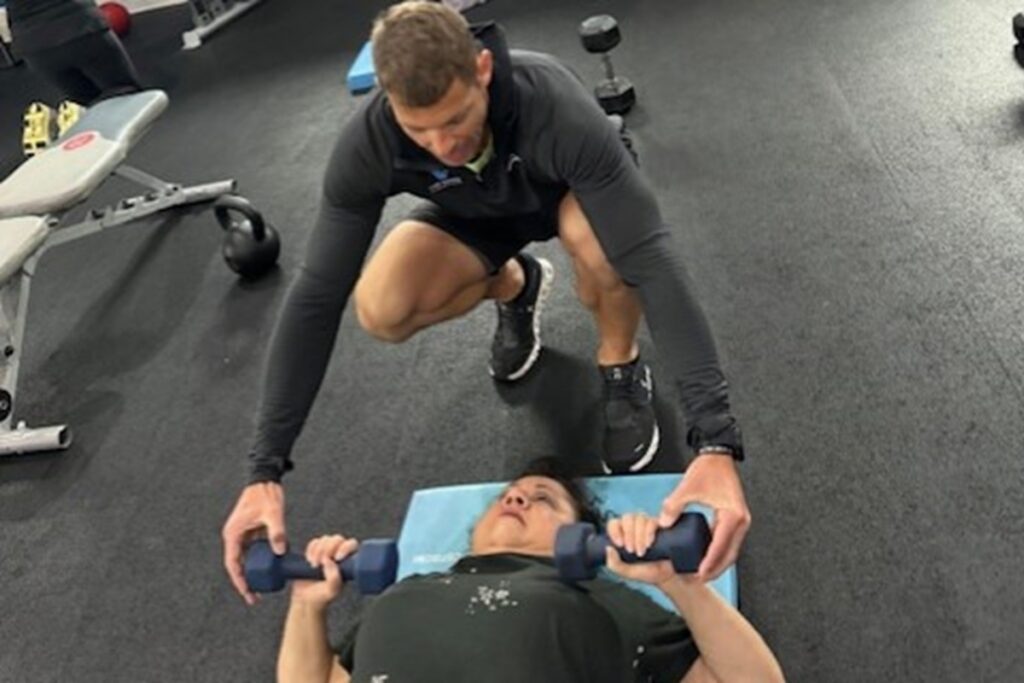
One effective option might include targeted exercises aimed at strengthening your core muscles, which provide essential support for your spine. Strengthening these muscles can help alleviate pressure on your back and improve your overall posture.
Your therapist might also introduce stretching routines to enhance flexibility and reduce tension in the surrounding muscles.
In addition to exercises, your therapist may incorporate manual therapy techniques, such as massage or joint mobilization. These hands-on approaches can help relieve pain, improve circulation, and promote faster healing.
You'll likely find that a combination of these methods, tailored to your needs, yields the best results.
As you progress, your physical therapist will modify your treatment plan based on your feedback and improvements. They'll guarantee that you're not just managing pain but also gaining the strength and skills to prevent future issues.
Engaging in tailored physical therapy options empowers you to take control of your recovery, leading to a more active, pain-free life. Embrace the journey, and trust the process—relief is within reach!
Innovative Treatment Techniques
When it comes to managing back pain, innovative treatment techniques can make a real difference.
You'll discover cutting-edge therapies, holistic approaches, and personalized exercise plans designed specifically for your needs.
These methods not only target pain relief but also promote overall wellness, helping you reclaim your active lifestyle.
Cutting-Edge Therapies
Innovative treatment techniques are revolutionizing the way we approach back pain relief. You no longer have to rely solely on traditional methods; advanced therapies are designed to target your specific needs.
Here are a few cutting-edge options you might consider:
- Regenerative Medicine: Techniques like platelet-rich plasma (PRP) therapy stimulate healing by utilizing your body's own cells.
- Bioelectronic Medicine: This approach uses electrical signals to modulate pain, offering a drug-free alternative for relief.
- Virtual Reality Therapy: Engaging in VR can help distract from pain while promoting mobility and rehabilitation.
These therapies focus on not just alleviating symptoms but also addressing the underlying causes of your back pain.
By incorporating technology and advanced techniques, you're likely to experience quicker recovery times and more effective results.
As you explore personalized plans, it's essential to consult with healthcare professionals who understand these innovative treatments. They can guide you through the options that best fit your lifestyle and needs, ensuring a tailored approach to your back pain relief journey.
Embrace these advancements, and take the first step toward a pain-free future!
Holistic Approaches
Exploring holistic approaches to back pain relief can open doors to effective, natural solutions that complement modern treatments. These methods focus on treating the whole person, addressing not just the physical symptoms but also emotional and lifestyle factors contributing to your discomfort.
One popular technique is acupuncture, where fine needles are inserted at specific points to alleviate pain and promote healing. Many people find that this ancient practice helps reduce tension and improve energy flow.
Another option is chiropractic care, which focuses on spinal alignment to enhance mobility and relieve pressure on nerves.
You might also consider massage therapy, which not only eases muscle tension but can also improve circulation and promote relaxation.
Mindfulness practices, such as yoga or meditation, can help you manage stress and cultivate a better mind-body connection, further alleviating pain.
Aromatherapy, using essential oils, can provide soothing effects and enhance your overall well-being.
Personalized Exercise Plans
Personalized exercise plans can be a game changer for back pain relief, as they cater specifically to your unique needs and conditions. By focusing on your individual strengths and limitations, these plans help you build a stronger, more flexible back while reducing pain.
Consider these key benefits of personalized exercise plans:
- Targeted Strengthening: Exercises that focus on the muscles supporting your spine can lead to better stability and less pain.
- Improved Flexibility: Tailored stretches can enhance your range of motion, making daily activities easier and more comfortable.
- Injury Prevention: A customized approach helps you avoid movements that might exacerbate your pain or lead to new injuries.
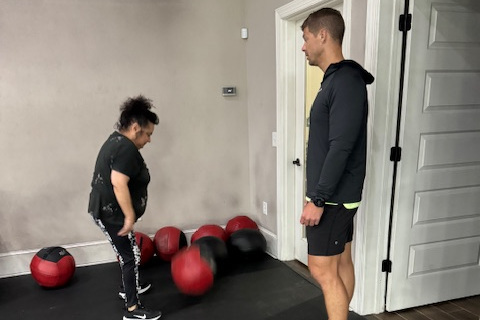
Working with a healthcare professional or physical therapist, you'll identify the most effective exercises for your specific condition.
They'll guarantee you're using the right techniques and progressing at a safe pace. This personalized approach not only makes your exercise routine more effective but also encourages adherence, so you stay committed to your recovery journey.
You'll likely find that a consistent regimen leads to lasting relief and improved quality of life.
The Role of Exercise in Relief
Exercise plays a fundamental role in relieving back pain and improving overall spinal health. By engaging in regular physical activity, you strengthen the muscles that support your spine, which can lead to better posture and reduced discomfort.
It's important to focus on exercises that target not just your back, but also your core, hips, and legs, as these areas considerably contribute to spinal stability.
When you incorporate exercises like stretching, strengthening, and low-impact aerobic activities into your routine, you enhance blood circulation to the affected areas. This increased blood flow can help reduce inflammation and promote healing.
Consistency is key; even short, daily sessions can make a noticeable difference over time.
Be mindful of how your body responds to different types of exercises. Activities such as walking, swimming, or cycling can be great options, as they're gentle on your back while still providing a workout.
Aim to include flexibility exercises, like yoga or Pilates, which can improve your range of motion and help alleviate tension.
Don't forget to listen to your body. If an exercise causes pain, it's critical to stop and reassess. Consulting with a healthcare professional or physical therapist can guide you toward exercises tailored to your needs and abilities.
Ultimately, a personalized exercise plan not only helps relieve current pain but also builds resilience against future issues, empowering you to live a more active and fulfilling life.
Nutrition and Back Health
When it comes to maintaining a healthy back, nutrition plays an essential role. What you eat can greatly influence your back health, helping reduce inflammation and promoting healing. By focusing on a balanced diet, you'll provide your body with the nutrients it needs to support your spine and surrounding muscles.
Here are three key areas to reflect upon:
- Anti-inflammatory foods: Incorporate fruits, vegetables, whole grains, and healthy fats like olive oil and avocados. These foods can help reduce inflammation, which is often a source of back pain.
- Calcium and Vitamin D: Strong bones are vital for a healthy spine. Verify you're getting enough calcium from dairy products, leafy greens, and fortified foods, while Vitamin D can be obtained from sunlight and certain fish, helping your body absorb calcium effectively.
- Hydration: Drink plenty of water throughout the day. Staying hydrated helps maintain the elasticity of spinal discs and supports overall muscle function.
In addition to these foods, reflect upon limiting processed foods, refined sugars, and excessive salt, as they may contribute to inflammation and weight gain, putting extra strain on your back.
By paying attention to your nutrition, you're not just fueling your body; you're also taking proactive steps toward alleviating back pain and promoting long-term health.
Mindfulness and Stress Management
Although managing stress might seem challenging, incorporating mindfulness practices into your daily routine can considerably alleviate back pain. When you focus on the present moment, you can reduce the tension that often contributes to physical discomfort. Mindfulness teaches you to be aware of your thoughts and feelings without judgment, which can help you recognize stress triggers and manage them more effectively.
You can start with simple breathing exercises. Take a few minutes each day to sit quietly, close your eyes, and focus on your breath. Inhale deeply through your nose, allowing your abdomen to expand, then exhale slowly through your mouth. This practice not only calms your mind but also loosens tight muscles, potentially easing your back pain.
Meditation is another powerful tool. Even dedicating just five to ten minutes daily to meditate can create a significant impact. Find a comfortable position and concentrate on your breath or a calming mantra. This helps you cultivate a sense of peace and reduces the mental clutter that often leads to stress.
Additionally, integrating mindfulness into everyday activities can enhance your overall well-being. Whether you're walking, eating, or even doing household chores, focus on the sensations and experiences of the moment.
By practicing mindfulness consistently, you create a buffer against stress, allowing your body to relax and potentially reducing the intensity of back pain.
Embrace these practices, and you'll likely find yourself feeling more balanced and in control, paving the way to a healthier back.
Alternative Therapies to Consider
Exploring alternative therapies can offer new avenues for back pain relief beyond traditional treatments. These therapies can complement your existing regimen and may provide the relief you've been searching for. Here are a few options to contemplate:
- Acupuncture: This ancient practice involves inserting thin needles into specific points on the body. Many have found it helps reduce pain and improve mobility.
- Chiropractic Care: A chiropractor can manipulate your spine and joints to alleviate pain, improve function, and enhance overall well-being.
- Massage Therapy: Regular massage can relieve tension in your back muscles, improve circulation, and promote relaxation.
Each of these therapies brings unique benefits, and you might find that one or a combination works best for you. Acupuncture can help address the underlying energy flow, while chiropractic adjustments focus on structural alignment. Massage offers a soothing touch that can ease muscle tightness and stress.
Before diving into any alternative therapy, contemplate consulting with a healthcare professional. They can guide you in choosing the best options tailored to your specific back pain issues.
Don't hesitate to explore these therapies; many people report significant improvements in their quality of life after integrating them into their pain management strategies. Remember, finding the right approach might take some time, but the potential for relief is worth the effort.
Tracking Your Progress and Adjustments
After trying various alternative therapies, it's important to start tracking your progress and making necessary adjustments to your pain management plan.
Keeping a detailed record of your pain levels, activity levels, and any treatments you've tried can help you identify patterns and triggers. Use a journal or a mobile app to log daily entries; include specific details like when your pain worsens and what you were doing at the time.
Once you have this data, review it regularly. Look for trends: Are there certain activities that consistently lead to more pain? Are specific therapies providing relief? This information is essential for you and your healthcare provider to make informed decisions about your treatment plan.
Don't hesitate to adjust your approach based on what you find. If a particular therapy isn't working after a reasonable trial period, it might be time to try something different.
Communicate openly with your provider about your findings; they can help you tweak your plan for maximum effectiveness.
Conclusion
To sum up, finding a personalized plan for back pain relief can transform your daily life. By understanding your unique pain triggers and exploring tailored treatment options, you can take charge of your recovery. Incorporate physical therapy, nutrition, and mindfulness practices into your routine, and don't hesitate to explore alternative therapies. Remember, tracking your progress and making adjustments along the way is key to achieving lasting relief. Take the first step towards a pain-free life today!