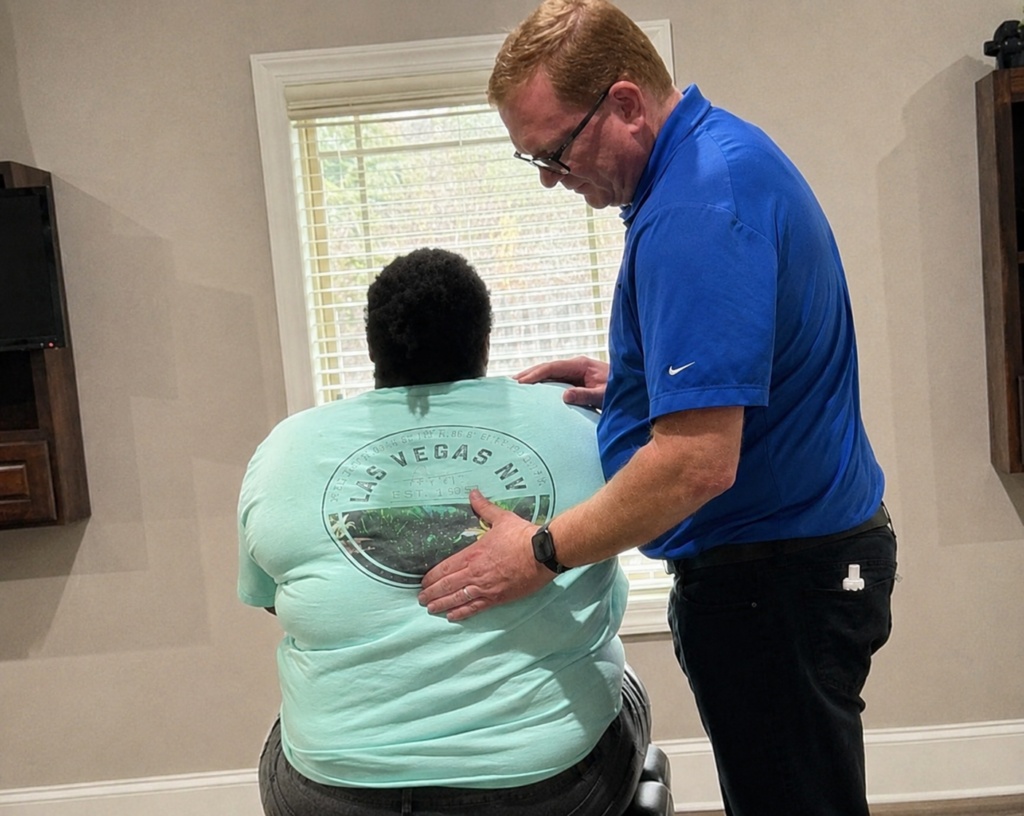

If you're looking to improve your flexibility, it's important to consider how small adjustments in your daily routine can lead to significant benefits. As a chiropractor, I often emphasize the importance of proper body alignment during stretches. This not only enhances the effectiveness of your movements but also helps prevent discomfort or injury.
Incorporating dynamic movements at the beginning of your workouts can prepare your muscles and joints for activity, while static stretches at the end can help promote recovery and flexibility. Additionally, integrating mindfulness techniques can strengthen your connection with your body, allowing you to be more aware of your movements and alignment.
Are you intrigued by how these simple strategies can reshape your approach to flexibility? Let's dive into the details that can elevate your practice and support your overall well-being.
Understanding Flexibility
As a local chiropractor dedicated to your health, I want to emphasize that flexibility isn't merely about how far you can stretch; it's a vital aspect of your overall fitness and wellness. Understanding flexibility goes hand-in-hand with comprehending how your muscles and joints function collectively to facilitate movement.
While you may associate flexibility with athletes such as gymnasts or dancers, it's crucial for everyone—regardless of age or fitness level.
Flexibility is defined by the range of motion in your joints and the elasticity of your muscles. It's affected by various factors, including genetics, age, and your level of physical activity. For instance, younger individuals often enjoy greater flexibility due to less stiffness in their muscles and connective tissues.
However, as we age, it's common to experience a decline in flexibility, which can hinder day-to-day activities and limit participation in sports or recreational activities you love.
When it comes to improving your flexibility, proper technique is essential. Stretching should be performed safely and effectively to minimize the risk of injury. It's not merely about forcing your body to its extremes; rather, it's about gradually increasing your range of motion through consistent practice.
I recommend incorporating dynamic stretches into your warm-up routine and static stretches during your cool-down. This approach will help you develop your flexibility over time and support your chiropractic care.
Lastly, it's important to recognize that flexibility is a skill that requires both patience and commitment. By dedicating time to understand and enhance your flexibility, you won't only improve your physical performance but also promote your overall health and well-being.
Benefits of Increased Flexibility
As a local chiropractor, I want to share with you the remarkable benefits that increased flexibility can bring to your overall health and well-being.
When you improve your flexibility, you'll experience a greater range of motion in your joints and muscles, which not only makes everyday activities easier but also significantly reduces the risk of injuries.
For those of you who are athletes, enhancing your flexibility can take your performance to a whole new level.
Improved Range of Motion
As a local chiropractor, I want to share how improving your range of motion can significantly impact your physical performance and everyday activities. Many people are unaware of the profound benefits that come from enhanced flexibility, and I'm here to help you understand these advantages in a way that goes beyond just exercise.
Here are three key benefits of increasing your range of motion:
1. Boosted Athletic Performance: Whether you enjoy running, swimming, or participating in sports, greater flexibility can lead to more efficient movement. This means you can achieve improved speed and agility, allowing you to perform better and stand out in your chosen activities.
2. Simplified Daily Activities: Think about the routine tasks you do every day, like bending down to tie your shoes, reaching for something on a high shelf, or getting in and out of your car. When your range of motion is enhanced, these movements become much easier.
This improved mobility can make your daily life more enjoyable and reduce the physical strain you may experience.
3. Improved Posture: One of the often-overlooked benefits of increased flexibility is better posture. When your muscles are more flexible, it becomes easier to maintain a strong, upright position.
This not only helps you avoid slouching but also reduces the strain on your back and neck, leading to a more confident and comfortable way of carrying yourself throughout the day.
At our chiropractic practice, we focus on natural healing methods that can help you achieve these benefits. By addressing flexibility and range of motion, we aim to improve not just your physical capabilities but also your overall quality of life.
Injury Prevention Benefits
As a local chiropractor, I want to share with you one of the most important aspects of maintaining your health: flexibility and its crucial role in injury prevention. When your muscles and joints have the ability to move freely and efficiently, you significantly lower your chances of experiencing strains, sprains, or tears.
Enhanced flexibility allows your body to better absorb the impact of physical activities, which can greatly reduce the risk of injuries during workouts or even everyday tasks. Incorporating flexibility training into your routine can also lead to improved body mechanics.
This means that your joints will align more effectively, and your muscles will operate more efficiently. This alignment helps prevent overexertion or improper movements that might otherwise lead to injury. Whether you're an athlete or just enjoy staying active, maintaining your flexibility is vital for your safety and well-being.
Moreover, flexible muscles and tendons are better equipped to handle sudden movements or changes in direction. This resilience is especially important in sports that require quick pivots and rapid acceleration.
By prioritizing flexibility, you're not only enhancing your physical capabilities but also establishing a foundation for a safer, injury-free lifestyle. As your chiropractor, I encourage you to take the time to stretch and work on your flexibility.
It's not just about improving your athletic performance; it's an investment in your long-term health and overall well-being. Remember, a flexible body is a safe body!
Enhanced Athletic Performance
As a local chiropractor, I want to highlight the importance of flexibility in enhancing your athletic performance, and how it can contribute to your overall well-being.
Flexibility isn't just about stretching; it's about unlocking your body's full potential to move more efficiently and effectively. Here are three key benefits to consider:
1. Improved Range of Motion: As we work on increasing your flexibility, you'll notice an improvement in the way your joints and muscles function.
This enhanced range of motion is crucial for performing well in various sports, whether it's basketball, soccer, or gymnastics. Greater flexibility allows you to execute your movements with precision and confidence.
2. Enhanced Muscle Coordination: When your muscles are flexible, they can coordinate better with each other.
This means your movements become more effective and powerful, giving you a competitive edge. Whether you're training or competing, improved coordination leads to smoother and more fluid athletic performance.
3. Reduced Muscle Soreness: Incorporating flexibility training into your routine can significantly reduce post-workout soreness.
This is where chiropractic care can help; we can guide you through proper stretching techniques and recovery strategies. With less soreness, you'll recover faster and be ready to push your limits, ultimately enhancing your performance over time.
By prioritizing flexibility and understanding its benefits, you're investing in your health and athletic capabilities.
Together, we can work towards a flexible and resilient body that supports your active lifestyle.
Physical Adjustments for Flexibility
As a chiropractor, I often see patients who are eager to improve their flexibility but may not know where to start. Achieving greater flexibility involves specific physical adjustments that focus on enhancing your body's range of motion. To help you on this journey, I recommend incorporating a variety of techniques into your routine.
Begin with dynamic stretching. This type of stretching includes controlled movements that help your muscles go through their full range of motion. Simple activities like leg swings or arm circles are excellent for warming up your muscles and preparing them for deeper stretches. Dynamic stretching is particularly beneficial as it promotes blood flow and reduces the risk of injury.
Once you've warmed up, it's time to focus on static stretching. After your workouts or chiropractic adjustments, hold your stretches for at least 15-30 seconds. This practice allows your muscles to relax and elongate, which is crucial for improving flexibility. Pay special attention to key muscle groups such as your hamstrings, hip flexors, and shoulders. Remember to breathe deeply while stretching; this not only helps release tension but also enhances your overall flexibility.
Incorporating foam rolling into your routine is another effective adjustment. Foam rollers are fantastic tools for releasing tightness in your muscles and fascia, making it easier to stretch and achieve greater flexibility. Spend a few minutes rolling out any areas that feel tense or sore; this can significantly improve your mobility.
It's also important to consider your body alignment during stretches. Ensuring that you're in the correct position maximizes the effectiveness of each stretch. If you experience discomfort while stretching, don't hesitate to adjust your stance or modify your position to prevent strain. As your chiropractor, I can guide you on proper alignment techniques to enhance your stretching routine.
Lastly, consistency is essential. I encourage you to integrate flexibility work into your weekly routine. By making these physical adjustments and committing to regular practice, you'll gradually notice improvements in your flexibility. This will allow you to move more freely and confidently in your daily activities, contributing to your overall health and well-being.
Mental Techniques for Flexibility
As a local chiropractor, I want to share how mental techniques can significantly enhance your flexibility and overall well-being. Many people may not realize that our mental state can directly influence our physical health.
By incorporating visualization and mindfulness into your routine, you can create a powerful connection between your mind and body, leading to improved flexibility.
Additionally, using positive affirmations can greatly boost your motivation and encourage growth in your physical practice. Embracing these strategies not only aids in achieving greater flexibility but also helps to build mental resilience.
Remember, chiropractic care isn't just about physical adjustments; it's about fostering a holistic approach to health that includes both body and mind.
Let's work together to enhance your flexibility and overall vitality!
Visualization and Mental Imagery
As a local chiropractor, I want to share how mental techniques can significantly enhance your flexibility, which is crucial for maintaining a healthy, pain-free body.
Many people may not realize that visualization and mental imagery can significantly impact your physical abilities, including flexibility. Here's how you can incorporate these techniques into your routine:
- Visualizing Success: Take a moment to imagine yourself effortlessly performing a stretch or pose. By picturing your body moving smoothly and gracefully, you can help create neural pathways in your brain that can actually enhance your flexibility.
- Establishing Clear Goals: It's essential to have clear flexibility goals in mind. Whether your aim is to touch your toes or achieve a perfect split, visualizing these targets keeps you motivated and focused during your stretching exercises.
- Formulating a Routine: Consider visualizing your ideal stretching routine. By mentally rehearsing each movement, you not only become more familiar with the actions but also improve your body's response when you actually perform those stretches.
I encourage you to incorporate these mental techniques into your flexibility training.
By imagining your success, setting specific goals, and creating a mental routine, you'll find that your mind can play a pivotal role in your physical performance.
With consistent practice, these mental images can become a powerful ally on your journey to greater flexibility, supporting your overall health and well-being.
Mindfulness and Breathing Techniques
Incorporating mindfulness and breathing techniques into your flexibility routine can significantly enhance your overall well-being, especially as you explore the benefits of chiropractic care. When you focus on your breath, you foster a deeper connection between your mind and body, which can be incredibly beneficial in understanding your movements and improving your flexibility.
To begin, take a few deep breaths. Inhale deeply through your nose and exhale slowly through your mouth. This simple practice helps calm your mind, preparing you for effective stretching and ensuring that your body is in a relaxed state. As a chiropractor, I often see how stress can impact physical health, so this step is vital.
As you transition into each stretch, keep that focus on your breath. With each inhale, visualize your muscles expanding and relaxing; with each exhale, imagine any tension melting away. This mindful approach not only helps you stay present but also encourages a more profound stretch, as your body becomes more receptive to movement and flexibility.
Consider adding a brief meditation before you start your stretching routine. Take a moment to sit quietly, close your eyes, and focus on your breathing. This period of stillness can set a positive tone for your session, allowing you to approach your flexibility work with greater intention and clarity.
Positive Affirmations for Growth
As a local chiropractor, I want to share how embracing positive affirmations can significantly enhance your mindset and support your journey towards a more flexible and healthier life.
By consistently reminding yourself of your potential, you can shift your focus from limitations to possibilities, which is essential for your overall well-being.
Here are three powerful affirmations I encourage you to incorporate into your daily routine:
- "I am open to new experiences and challenges." This affirmation helps you embrace change, which is crucial for enhancing your mental adaptability and resilience—qualities that can greatly benefit your chiropractic care journey.
- "My body is strong, and I trust its capabilities." Acknowledging your body's strength fosters confidence. This belief is vital when working on your posture, mobility, and physical limits during your chiropractic sessions.
- "Every day, I grow more flexible in mind and body." This affirmation reinforces the idea that growth is a continuous process. It motivates you to stay committed to your chiropractic treatments and the exercises I recommend for your progress.
As you repeat these affirmations, take a moment to visualize yourself embodying each statement.
This practice not only boosts your self-esteem but also cultivates a resilient mindset that complements the physical adjustments and care you receive in my office.
By integrating positive affirmations into your daily routine, you'll discover that mental flexibility can lead to physical flexibility, ultimately helping you achieve your health goals.
Incorporating Stretching Routines
As a local chiropractor dedicated to promoting natural healing and overall wellness, I want to emphasize the importance of incorporating a consistent stretching routine into your daily life. Many of my patients are surprised to learn how significantly stretching can enhance flexibility and improve their overall well-being. By dedicating just a few minutes each day to stretching, you can experience notable improvements in your body's range of motion and reduction in muscle tension.
To get started, I recommend setting aside time in the morning or evening specifically for your stretching routine. You don't need any special equipment—a simple yoga mat or a comfortable area on the floor will suffice.
Begin your routine with dynamic stretches to warm up your muscles. Movements such as arm circles, leg swings, and torso twists are excellent for preparing your body for deeper stretches.
Once your muscles are warm, transition into static stretches, holding each position for 15 to 30 seconds. Focus on major muscle groups like your hamstrings, quadriceps, shoulders, and back. This not only enhances your flexibility but also promotes relaxation, which is crucial for your overall health.
Incorporating stretching into your post-workout routine can be particularly beneficial. It helps prevent stiffness and aids in recovery, which is essential for maintaining an active lifestyle.
If you struggle with consistency, try setting reminders on your phone or pairing stretching with daily activities—like while watching TV or listening to music.
Always listen to your body during your stretches. If any position feels too intense, ease off. The goal is to improve your flexibility and comfort, not to push through pain.
Mindfulness and Flexibility
As a local chiropractor, I want to share the vital connection between mindfulness and flexibility, both in your body and mind. Many of my patients may not realize that practicing mindfulness can significantly enhance your overall well-being, especially when it comes to flexibility.
Here are three key ways mindfulness can help improve your flexibility:
- Heightened Body Awareness: When you practice mindfulness, you learn to tune into your body and recognize areas that may feel tense or stiff. This awareness allows you to focus on specific areas that need attention during your stretching and movement exercises. Over time, this targeted approach can lead to improved flexibility and a more balanced body.
- Reduction of Stress: High levels of stress can lead to muscle tightness and discomfort. Mindfulness techniques help reduce stress, allowing your body to relax and move more freely. Incorporating practices such as meditation or focused breathing into your daily routine can significantly alleviate tension, leading to a greater range of motion in your movements.
- Enhanced Concentration: Mindfulness also improves your ability to concentrate. When you're fully present and focused, you can engage more deeply in your stretching and exercise routines. This heightened engagement not only makes your practice more effective but also contributes to greater flexibility over time.
Integrating mindfulness into your daily life doesn't have to be overwhelming. Start by dedicating just a few minutes each day to mindful breathing or performing body scans.
As you cultivate this awareness, you'll likely notice improvements in both your mental and physical flexibility. This newfound flexibility can open up various possibilities for movement and enhance your daily life—something we emphasize in our chiropractic practice.
Adjusting Your Daily Habits
As a local chiropractor dedicated to promoting natural healing and overall well-being, I want to emphasize how making small adjustments to your daily habits can profoundly enhance your flexibility and overall health. Let's explore some effective strategies together.
First and foremost, I encourage you to incorporate short stretching sessions into your daily routine. You don't need to wait for a gym session; simply take five minutes every hour to stretch. This practice not only increases flexibility but also alleviates tension that accumulates from prolonged sitting, which is common in our daily lives.
It's also crucial to assess your posture throughout the day. If you spend significant time at a desk, ensure that your workspace is ergonomically optimized. Sitting up straight with your feet flat on the floor can prevent tightness in your hips and lower back, allowing for enhanced mobility. Good posture is foundational to maintaining a healthy spine and preventing discomfort.
Let's talk about your activity levels. If you lead a sedentary lifestyle, consider introducing more movement into your day. Simple actions like walking during your lunch break or opting for the stairs instead of the elevator can significantly impact your flexibility and overall health.
Variety is key—mixing cardio, strength training, and flexibility exercises will keep your body engaged and responsive.
Hydration and nutrition are vital components of your health as well. Staying well-hydrated supports optimal muscle function, while a balanced diet rich in nutrients aids muscle recovery and facilitates flexibility. Make it a habit to drink plenty of water throughout the day and include a variety of fruits and vegetables in your meals.
Lastly, never underestimate the importance of rest and recovery. Ensure you're getting adequate sleep, which is essential for your body to repair itself. This balance of physical activity, proper nutrition, and restorative sleep creates an ideal environment for improving your flexibility over time.
Tracking Your Progress
Tracking your progress is a vital aspect of improving your flexibility and overall health, especially for those of you who are new to chiropractic care and natural healing. Monitoring your improvements not only keeps you motivated but also helps you make any necessary adjustments to your routine.
Here are three effective ways to track your flexibility journey that I recommend:
- Maintain a Journal: Document your flexibility exercises, how long you spend on them, and how you feel after each session. This practice will allow you to recognize patterns and witness your growth over time, which is crucial in understanding how your body responds to chiropractic adjustments.
- Take Photos: Regularly capture images of your poses and stretches. Comparing these photos can provide you with a clear visual representation of your progress, something that mere numbers may not fully convey. It's a great way to see the physical changes in your body as you enhance your flexibility.
- Set Measurable Goals: Instead of having vague aspirations, establish specific, attainable targets. For example, aim to touch your toes or hold a split for a certain duration. Setting these clear objectives creates a roadmap for your improvement and complements the care you receive in our office.
By utilizing these methods consistently, you'll be able to track how far you've come on your journey to better flexibility and health.
Remember to celebrate small victories along the way, as they're essential for long-term success. If you find yourself hitting a plateau, don't hesitate to adjust your routine or consult with me for professional guidance. Together, we can optimize your path to wellness.
Conclusion
As a local chiropractor, I want to share how simple adjustments to your stretching routine can significantly improve your flexibility and overall well-being. It's essential to focus on proper alignment during your stretches to ensure you're getting the most benefit while avoiding injury. I recommend starting with dynamic stretches to warm up your muscles, preparing them for more extensive movement. After your workout, be sure to cool down with static stretches to help your muscles relax and recover.
Incorporating mindfulness techniques, such as deep breathing, can further enhance your stretching sessions. This practice allows you to connect with your body, making your routine more effective. As you begin to adjust your daily habits and keep track of your progress, you'll likely see remarkable improvements in your flexibility. Remember, embracing these changes is a vital part of your journey toward better health. Together, we can work towards achieving your wellness goals!