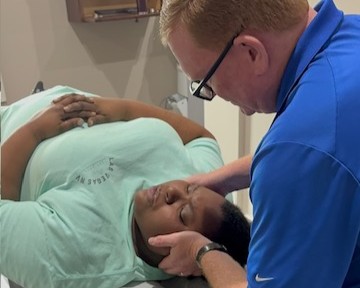

When you experience a sports injury, taking the time to recover is crucial not just for your performance, but also for your overall well-being. One of the best ways to support your recovery is through chiropractic adjustments. These gentle, hands-on techniques can help restore balance and function in your body, optimizing your alignment and improving nerve function, which may lead to quicker healing.
But recovery isn’t just about the adjustments. There are several factors that can enhance your healing journey. Here are some tips to support your recovery and get you back to peak performance:
- Stay Hydrated: Drinking plenty of water is essential for your body’s healing process. It helps to flush out toxins and keeps your muscles and joints lubricated.
- Rest and Recovery: Allow your body the time it needs to heal. This might mean taking a break from certain activities, but rest is just as important as movement.
- Eat a Balanced Diet: Nourishing your body with whole foods rich in vitamins and minerals can support healing. Focus on plenty of fruits, vegetables, lean proteins, and healthy fats.
- Gentle Movement: While rest is important, gentle stretching and low-impact activities can promote blood flow and aid in recovery. Listen to your body and don’t push too hard.
- Regular Chiropractic Care: Consistent chiropractic adjustments can help maintain your body’s alignment, reduce pain, and improve your overall function. This holistic approach not only addresses the injury itself but also promotes long-term wellness.
- Mindfulness and Relaxation Techniques: Stress can hinder healing. Techniques like deep breathing, meditation, or yoga can help reduce stress and support your recovery.
By taking a comprehensive approach to your recovery, and prioritizing chiropractic care, you can enhance your healing process naturally. Remember, your journey back to peak performance is a marathon, not a sprint, so be patient and kind to yourself along the way.
Understanding the Importance of Recovery
When you’re pushing your limits in sports, it’s easy to overlook the crucial role that recovery plays in your overall performance. Many believe that more training leads to better results, but without proper recovery, you can put yourself at risk for injuries and burnout. Recovery isn’t just about taking a break; it’s an essential phase that allows your muscles and spine to heal, rebuild, and strengthen.
When you rest, your body works hard to repair microscopic tears in your muscles and replenish energy stores. This natural healing process not only enhances your performance but also helps prevent future injuries. One of the best ways to support your recovery is through chiropractic care. Chiropractors focus on optimizing your spine and nervous system function, which can significantly improve your body’s ability to heal and recover.
Incorporating recovery techniques into your routine is vital. Simple practices like gentle stretching, staying well-hydrated, and ensuring you get enough sleep can have a tremendous impact on how you feel during workouts.
Moreover, regular chiropractic adjustments can help maintain proper spinal alignment, improve circulation, and alleviate any tension or pain, allowing you to recover more effectively.
Remember, recovery is just as important as the training itself. Prioritizing it not only helps you maintain peak performance but also ensures that you’re always ready for your next challenge.
Personalized Rehabilitation Programs
To optimize your recovery after a sports injury, personalized rehabilitation programs offered through chiropractic care can make all the difference. These tailored plans focus on your specific needs and goals, ensuring you regain strength and mobility effectively without the use of medications or invasive procedures.
Instead of a one-size-fits-all approach, chiropractic care provides individualized strategies that cater to your unique situation. Here are some benefits of choosing a personalized program:
- Enhanced recovery speed: With exercises and techniques designed specifically for you, you’ll bounce back quicker.
- Reduced risk of re-injury: By addressing your body’s weaknesses through chiropractic adjustments and guided exercises, you can help prevent future setbacks.
- Boosted confidence: As you see progress in your healing journey, your trust in your body and abilities will grow.
Chiropractic care focuses on natural healing methods, which not only aid in pain relief but also promote overall wellness. Simple lifestyle adjustments, such as incorporating gentle stretches or strengthening exercises into your daily routine, can significantly enhance your recovery process.
With the right guidance from a chiropractor, personalized rehabilitation programs empower you to reclaim your athleticism and return to the activities you love.
Don’t underestimate the impact of a tailored approach; it’s your path to a successful recovery and optimal health. Remember, choosing chiropractic care is a proactive step toward living healthier and feeling your best.
Nutrition’s Role in Healing
When you’re recovering from a sports injury, nutrition plays an essential role in your healing process. As a chiropractor, I can’t emphasize enough how the right nutrients can enhance your recovery and support your body’s natural repair mechanisms. Incorporating a balanced diet rich in vitamins and minerals, such as protein, calcium, and vitamin C, can greatly aid in healing.
Additionally, staying well-hydrated is crucial for optimal healing and overall wellness. Water helps transport nutrients to your cells and flush out toxins. So, don’t underestimate the power of hydration in your recovery journey.
Here are some simple tips to help you on your path to recovery:
- Eat a Rainbow: Include a variety of colorful fruits and vegetables in your meals. They’re packed with antioxidants that can help reduce inflammation and promote healing.
- Lean Proteins: Incorporate lean proteins like chicken, fish, beans, and nuts into your diet. Proteins are the building blocks for repairing tissues.
- Healthy Fats: Don’t shy away from healthy fats found in avocados, olive oil, and fish. They can help reduce inflammation and are vital for your overall health.
- Whole Grains: Opt for whole grains instead of refined options. They provide necessary fiber and nutrients that support your body’s functions.
- Listen to Your Body: Pay attention to how different foods make you feel. Some may help you feel energized, while others may not sit well with you.
Remember, while nutrition is important, regular chiropractic care can also play a significant role in your recovery.
By ensuring your spine is aligned and your nervous system is functioning optimally, chiropractic adjustments can enhance your body’s natural healing processes.
If you’re looking for a natural way to relieve pain and support your healing journey, consider visiting your local chiropractor for guidance and care.
Key Nutrients for Recovery
As you embark on your recovery journey from a sports injury, it’s crucial to recognize the significant role that key nutrients play in the healing process. These nutrients not only support tissue repair but also help reduce inflammation and strengthen your immune system, allowing you to return to your activities more swiftly and safely.
Alongside regular chiropractic care, which aids in restoring proper alignment and function, focusing on nutrition can enhance your recovery.
- Protein: This nutrient is vital for repairing and building muscles, which is essential for regaining your strength after an injury. Incorporating lean sources of protein, like chicken, fish, beans, and nuts, can support your healing process effectively.
- Omega-3 Fatty Acids: Found in foods like salmon, walnuts, and chia seeds, omega-3s are known for their anti-inflammatory properties. They can help ease pain and promote healing, making them a great addition to your diet as you recover.
- Vitamins C and D: Vitamin C is important for collagen formation, which is necessary for repairing tissues, while Vitamin D plays a key role in bone health. Foods rich in these vitamins, such as citrus fruits, leafy greens, and fortified dairy products, can aid in enhancing your recovery.
In addition to focusing on these nutrients, regular chiropractic adjustments can improve circulation, reduce muscle tension, and promote overall wellness, all of which are instrumental in your recovery.
Here are some general tips to support your healing journey:
- Stay hydrated: Water is crucial for recovery, so make sure you’re drinking plenty throughout the day.
- Rest and listen to your body: Give yourself time to heal and avoid pushing through pain.
- Incorporate gentle stretches: Gentle movements can help maintain flexibility and support your recovery.
By combining these nutritional strategies with chiropractic care, you can optimize your healing process and work towards achieving your best health.
Hydration and Healing Benefits
When recovering from a sports injury, many people think about their diet, but hydration is just as crucial for your healing journey. Staying well-hydrated is essential for maintaining good blood flow, which helps deliver nutrients to your injured tissues. By drinking enough water, you support cell regeneration and help reduce inflammation, ultimately speeding up your recovery process.
Electrolytes are also important in keeping your fluid levels balanced and supporting proper muscle function. To enhance your hydration, consider adding hydrating foods like fruits and vegetables to your meals. These not only keep you hydrated but also provide essential vitamins and minerals that aid in healing.
As a chiropractor, I want to emphasize that proper hydration is a key part of your overall wellness strategy. It works hand-in-hand with chiropractic care to help you recover faster and get back to your game stronger than ever.
Remember to drink plenty of fluids throughout the day, especially during and after your workouts. Taking these simple steps can make a big difference in your recovery and overall health.
Prioritize your hydration and consider regular chiropractic adjustments to support your body’s natural healing abilities. Together, you’ll be on the path to optimal health in no time!
Innovative Therapies for Injury Recovery
Innovative therapies for injury recovery are reshaping how athletes, and anyone recovering from injuries, regain their strength and mobility. At the forefront of these methods is chiropractic care, which focuses on natural healing and optimal health without the need for surgeries or medications.
Here are some innovative approaches that can complement chiropractic care and enhance your recovery journey:
- Chiropractic Adjustments: Regular adjustments can realign the spine, which helps improve nerve function and mobility. This is essential for reducing pain and enhancing overall performance, allowing you to feel revitalized after each session.
- Cryotherapy: While chiropractic care addresses the root causes of pain, incorporating cryotherapy can help reduce inflammation and speed up recovery. This treatment can be a refreshing addition to your recovery routine, helping you feel rejuvenated.
- Active Release Techniques (ART): This hands-on technique is utilized by chiropractors to release tension in muscles and fascia, promoting better blood flow and healing. It empowers you to regain strength and flexibility, setting you up for a quicker return to your activities.
- Electrical Stimulation: When used in conjunction with chiropractic adjustments, this therapy can stimulate muscles and encourage blood flow, promoting healing and reducing discomfort. You’ll feel more energized and ready to tackle your daily challenges.
To enhance your recovery, here are some general tips:
- Stay Active: Engage in gentle exercises and stretches recommended by your chiropractor to maintain mobility and support healing.
- Hydrate: Drinking plenty of water helps flush out toxins and supports overall health.
- Nutrition Matters: Eating a balanced diet rich in vitamins and minerals can aid in recovery. Focus on whole foods, including fruits, vegetables, lean proteins, and healthy fats.
- Listen to Your Body: Pay attention to how your body responds to different activities and therapies. Rest when needed, and don’t hesitate to communicate with your chiropractor about any concerns.
The Psychological Aspect of Recovery
Understanding the psychological aspect of recovery is essential, especially since mental resilience plays a significant role in how you heal from an injury. When you experience setbacks, it’s common to feel frustration or anxiety, which can slow down your progress. Acknowledging these feelings is important, and developing coping strategies can help you manage them effectively.
One powerful technique is visualization. Imagine yourself successfully returning to your favorite activities or sports; this can significantly boost your motivation and reinforce a positive mindset. Surrounding yourself with supportive friends, family, and teammates creates a nurturing environment that fosters healing and encourages you to stay focused on your recovery.
Setting realistic goals is crucial in your journey. Break down your recovery into small, manageable steps, and celebrate those little victories along the way. This not only builds your confidence but also reinforces your sense of control over your healing process.
Remember, chiropractic care is a fantastic option for addressing pain and promoting natural healing. By focusing on spinal health, you can enhance your overall well-being and support your recovery.
Prioritizing your mental health alongside physical rehabilitation is key. Engaging in practices like mindfulness and gentle exercise can complement your chiropractic adjustments, helping you feel balanced and empowered.
Ultimately, embracing a holistic approach that includes chiropractic care will enhance your recovery experience, ensuring you come back stronger and more prepared for your activities.
Strengthening Through Cross-Training
Cross-training can be a transformative approach to your recovery journey, providing a variety of workouts that help strengthen different muscle groups and support overall wellness.
As a chiropractor, I emphasize the importance of a holistic approach to health, which includes incorporating injury-specific training techniques. These can effectively target your rehabilitation while minimizing the risk of re-injury.
By engaging in cross-training, you not only enhance your physical strength but also support the alignment and function of your spine. Proper spinal health is crucial for preventing future injuries and ensuring that your body operates at its best.
Here are a few helpful tips to consider:
- Listen to Your Body: Pay attention to how your body feels during different activities. If something doesn’t feel right, it’s essential to adjust your approach or consult with a chiropractor.
- Focus on Core Strength: Strong core muscles support your spine and improve overall stability. Include exercises that target your abdominal and back muscles.
- Incorporate Flexibility Training: Stretching can improve your range of motion and decrease muscle tension. Gentle yoga or Pilates can be excellent additions to your routine.
- Balance Your Workouts: Aim for a mix of strength training, cardiovascular exercise, and flexibility work to create a well-rounded fitness regimen that promotes healing and vitality.
- Stay Consistent: Regular activity is key to recovery. Find enjoyable activities that keep you motivated and engaged.
Remember, chiropractic care is a natural and effective way to achieve optimal health. By focusing on spinal alignment and functional movement, you can enhance your recovery process and promote long-term wellness.
Embrace cross-training as a valuable tool in your journey toward better health, and always consult with a chiropractor to tailor your approach to your individual needs.
Benefits of Cross-Training
While many athletes concentrate on their primary sport to enhance their performance, incorporating cross-training can significantly improve overall strength and help prevent injuries. By diversifying your training routine, you not only enhance your physical abilities but also lower the risk of overuse injuries, which can lead to discomfort and pain.
As a chiropractor, I want to emphasize the emotional and physical benefits of cross-training and how it can contribute to your overall health and wellness:
- Enhanced Motivation: Engaging in new activities keeps your training routine fresh and exciting, which can help you stay committed to your health goals.
- Increased Confidence: Developing different skills in various activities can elevate your self-esteem and performance, making you feel more accomplished.
- Stronger Mental Resilience: Tackling various challenges builds your mental toughness, preparing you for competition and helping you cope with the stresses of life.
Incorporating cross-training into your routine not only makes you a more well-rounded athlete but also promotes better recovery and performance in your primary sport.
It’s essential to remember that a varied training regimen can help keep your spine and body aligned, reducing the risk of injury and discomfort.
Additionally, consider these general tips for a healthier lifestyle:
- Listen to Your Body: If you feel pain or discomfort, consult your chiropractor to ensure that your spine is in alignment and to receive natural treatment options.
- Stay Hydrated: Proper hydration supports muscle function and recovery, essential for any training program.
- Incorporate Flexibility and Strength Training: These elements can further enhance your athletic performance and maintain spinal health.
Embrace the power of variety in your training while prioritizing your spinal health through chiropractic care. This holistic approach can lead to a more fulfilling and pain-free athletic experience!
Injury-Specific Training Techniques
When you’re recovering from an injury, incorporating injury-specific training techniques through cross-training can greatly assist your rehabilitation process and enhance your overall wellness.
Focusing on exercises that engage the muscles and movements essential for your sport will help strengthen areas that may have weakened during recovery, promoting a faster return to your regular activities.
For example, if you’ve injured your ankle, consider low-impact options like swimming or cycling. These activities help maintain cardiovascular fitness without putting stress on your injury. Additionally, resistance training can be adapted to avoid straining the injured area, allowing you to build strength safely and effectively.
As a chiropractor, I recommend consulting with your healthcare provider or a physical therapist to ensure your exercise plan aligns with your recovery goals. However, incorporating chiropractic care during this time can be incredibly beneficial. Chiropractic adjustments not only relieve pain but also support the body’s natural healing process, helping to restore balance and function.
Remember, cross-training isn’t just about healing; it’s also about preventing future injuries. By keeping your body strong and balanced, you can reduce the risk of re-injury.
Here are some general tips to keep in mind during your recovery:
- Listen to Your Body: Pay attention to how your body responds to different exercises. If something feels painful, stop and reassess.
- Stay Hydrated: Drinking plenty of water supports overall health and can aid in the recovery process.
- Focus on Nutrition: Eating a balanced diet rich in vitamins and minerals can help your body heal more effectively.
- Incorporate Rest: Give your body the time it needs to heal. Rest is a critical component of recovery.
- Consider Chiropractic Care: Regular adjustments can enhance your healing, improve mobility, and help maintain overall wellness.
By integrating these practices into your recovery plan, you can enhance your healing journey and promote a healthier, more resilient body.
The Benefits of Active Recovery
Active recovery is a vital part of your journey towards pain relief and overall wellness, especially when dealing with sports injuries. By promoting blood flow and flexibility, active recovery can significantly reduce muscle stiffness and discomfort. Engaging in low-intensity activities helps make your recovery smoother and more manageable.
Here are some key benefits of incorporating active recovery into your routine, all while emphasizing the importance of chiropractic care:
- Boosted Mood: Gentle movements, such as walking or stretching, can help release endorphins, those feel-good hormones that elevate your spirits. This is especially beneficial during tough recovery times, and regular chiropractic adjustments can further enhance your mood by aligning your spine and improving your overall well-being.
- Faster Healing: When you maintain gentle activity, it promotes better blood circulation, which is crucial for healing. This increased blood flow delivers essential nutrients and oxygen to your injured muscles. Pairing active recovery with chiropractic care can optimize this healing process, as chiropractors focus on restoring your body’s natural alignment, allowing for improved function and recovery.
- Improved Range of Motion: Regular, low-intensity activity helps keep your joints and muscles flexible, ensuring that you’re ready to return to your sport when the time is right. Chiropractic adjustments can complement your active recovery by enhancing your mobility, helping you regain strength and flexibility more effectively.
Tips for Your Active Recovery Routine:
- Stay Consistent: Engage in light activities like walking, yoga, or swimming several times a week to keep your body moving.
- Listen to Your Body: Pay attention to how you feel during and after activities. If something doesn’t feel right, consult your chiropractor for personalized advice.
- Incorporate Stretching: Gentle stretching can help maintain flexibility and prevent stiffness. Consider integrating stretches into your daily routine.
- Stay Hydrated: Proper hydration supports recovery and overall health, so drink plenty of water.
- Seek Chiropractic Care: Regular visits to a chiropractor can enhance your recovery process by ensuring your spine and joints are in optimal alignment, providing you with the best possible foundation for healing.
Monitoring Progress and Adjustments
Monitoring your recovery progress is vital when it comes to achieving optimal health and wellness, especially through chiropractic care. As you work on your rehabilitation, pay attention to how your body responds to different movements and therapies. Keep track of any changes in pain levels, mobility, and how well you’re functioning in daily activities.
Regular visits to your chiropractor can help you assess your progress and make informed adjustments to your care plan. If you find that certain activities increase your discomfort, it’s essential to take a step back and modify your approach. This might mean adjusting the intensity, frequency, or duration of specific movements.
Listening to your body is key—pay attention to when it feels right to push forward and when you need to ease off. Incorporating feedback from your chiropractor is invaluable. They can provide insights based on their expertise and your unique recovery journey.
A chiropractor can help you identify safe and effective exercises that promote healing and enhance your overall well-being. Staying proactive about your recovery is crucial. By being mindful and adaptable, you can create a personalized rehabilitation strategy that prioritizes natural healing and aligns with your health goals.
Preparing for a Safe Return to Sport
Before jumping back into your sport, it’s crucial to ensure you’re fully prepared both physically and mentally. A safe return isn’t just about feeling better; it’s about being ready to meet the demands of competition while prioritizing your health.
Here’s how you can prepare, with an emphasis on the benefits of chiropractic care:
- Listen to Your Body: Pay close attention to any lingering pain or discomfort. These are your body’s signals that shouldn’t be ignored. Regular chiropractic check-ups can help identify any underlying issues and promote healing before you return to full activity.
- Build Confidence: Engage in drills or exercises that mimic game situations. This approach will help you rebuild your trust in your body’s capabilities. Chiropractic adjustments can enhance your range of motion and flexibility, making it easier to perform these movements safely.
- Set Realistic Goals: Focus on achievable milestones rather than diving straight back into full intensity. This strategy helps keep you motivated while significantly reducing the risk of re-injury. Partnering with a chiropractor can provide you with tailored exercises that align with your specific recovery goals.
Remember, chiropractic care not only aids in pain relief but also promotes overall wellness.
Conclusion
Incorporating chiropractic adjustments into your recovery plan can significantly enhance your healing journey. By ensuring your spine is properly aligned and your nerves are functioning optimally, you not only relieve pain but also encourage your body’s natural healing processes.
It’s essential to focus on personalized rehabilitation and nutrition as part of your recovery. A well-rounded approach that includes healthy eating can fuel your body and support your healing. Additionally, incorporating innovative therapies, like physical therapy exercises and gentle stretching, can further aid in your recovery.
Don’t forget about the psychological aspects of healing as well. Staying positive and motivated can make a big difference in how you feel both physically and mentally. Embrace active recovery techniques like light activities or cross-training, which can help strengthen your body without overstressing injured areas.
Regular chiropractic adjustments can help monitor your progress and ensure your body stays on track to recovery. By choosing chiropractic care, you’re setting yourself up to return to your sport not just healed, but stronger and more resilient than ever. Remember, taking care of your spine is a key part of maintaining your overall health and wellness, so make chiropractic a priority in your recovery plan!