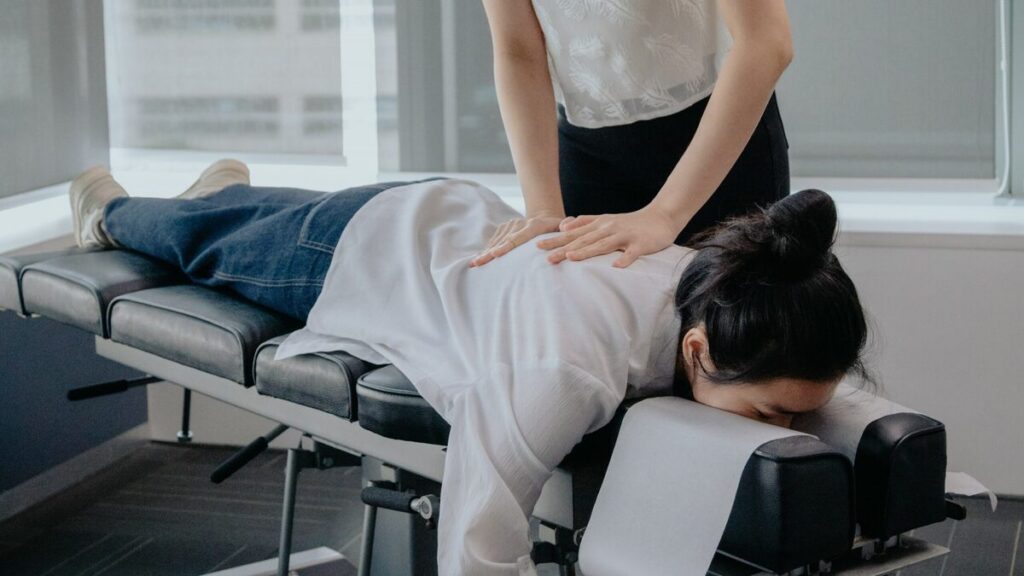
Back pain is a prevalent issue that can greatly affect your daily life and overall well-being. As a local chiropractor, I want to share with you how specific exercises can help alleviate and prevent back pain, all while promoting spinal health through natural methods. Incorporating these movements into your routine can enhance core stability and improve flexibility, leading to lasting relief without the need for medications or surgeries.
You might be surprised by how simple exercises can transform your comfort levels and daily activities. Let’s explore ten effective exercises that not only aim to prevent back pain but also support your journey toward optimal health. Remember, chiropractic care is an excellent choice for pain relief and overall wellness, and these exercises can complement your chiropractic treatments beautifully.
10 Exercises to Prevent Back Pain
- Pelvic Tilts: This exercise helps strengthen your lower back and abdominal muscles. Lie on your back with your knees bent, and gently tilt your pelvis up and down. Aim for 10-15 repetitions.
- Cat-Cow Stretch: This stretch improves flexibility in your spine. Start on your hands and knees, arch your back upward (cat), then lower it while raising your head and tailbone (cow). Repeat for 8-10 cycles.
- Child’s Pose: A gentle stretch for your back, this position helps relieve tension. Kneel on the floor, sit back on your heels, and stretch your arms forward on the ground. Hold for 30 seconds.
- Bridge Exercise: Strengthening your glutes and lower back can alleviate pain. Lie on your back with your knees bent and lift your hips off the ground, squeezing your glutes. Hold for a few seconds and lower back down. Repeat 10-15 times.
- Knee-to-Chest Stretch: This stretch helps relieve lower back tension. Lie on your back and pull one knee to your chest while keeping the other leg straight. Hold for 20-30 seconds and switch legs.
- Bird-Dog: This exercise enhances core stability. Start on all fours and extend one arm and the opposite leg simultaneously. Hold for a few seconds, then switch sides. Aim for 10 repetitions on each side.
- Wall Sits: This strengthens your legs and lower back. Stand against a wall and slide down into a seated position, keeping your back flat against the wall. Hold for 20-30 seconds.
- Standing Hamstring Stretch: Tight hamstrings can contribute to back pain. Stand and place one foot on a low surface, keeping your leg straight, and lean forward gently. Hold for 20-30 seconds and switch legs.
- Lateral Side Stretch: This helps improve flexibility in your spine. Stand tall and reach one arm overhead while leaning to the opposite side. Hold for 20 seconds and switch sides.
- Seated Torso Twist: This stretch promotes spinal mobility. Sit on the floor with your legs crossed and gently twist your torso to one side, using your hand for support. Hold for 20 seconds and switch sides.
General Tips
- Stay Active: Regular physical activity is essential for maintaining a healthy spine. Aim for at least 30 minutes of moderate exercise most days.
- Practice Good Posture: Be mindful of your posture whether sitting, standing, or lifting. Good alignment reduces strain on your back.
- Listen to Your Body: If an exercise causes pain, stop and consult with your chiropractor. They can guide you on modifications that work for your body.
- Stay Hydrated: Drinking plenty of water supports spinal discs and overall health.
By integrating these exercises into your daily routine, you can take proactive steps toward preventing back pain and enhancing your overall well-being. Remember, chiropractic care plays a vital role in achieving and maintaining optimal health. If you have any concerns about your back pain, don’t hesitate to reach out to your chiropractor for personalized advice and treatment. Your path to a healthier, pain-free life is just a few exercises away!
Cat-Cow Stretch
Incorporating the Cat-Cow Stretch into your daily routine is a fantastic way to promote spinal flexibility and relieve tension in your back—two key components of maintaining overall health and wellness.
As a chiropractor, I can’t emphasize enough how important it’s to keep your spine healthy to support your body’s natural healing processes.
To perform the Cat-Cow Stretch, start on all fours with your wrists aligned under your shoulders and your knees positioned under your hips. As you inhale deeply, arch your back, lifting your head and tailbone towards the ceiling—this is the “Cow” position. This movement opens up the front of your body and encourages proper spinal alignment.
Then, as you exhale, round your spine, tucking your chin and tailbone in—this is the “Cat.” This motion helps to relieve tension and promotes a healthy curvature of the spine.
Flowing between these two positions for several breaths not only enhances your spinal mobility but also allows you to connect with your breath and notice the sensations in your back.
By practicing this simple yet effective stretch regularly, you can improve your posture, enhance circulation, and reduce the risk of injury.
Remember, keeping your spine healthy is essential for overall well-being, and chiropractic care can be a powerful ally in achieving that goal.
It’s about harnessing your body’s natural ability to heal, and stretching like this is a wonderful complement to regular chiropractic adjustments.
Child’s Pose
Child’s Pose is an excellent stretch that can provide a gentle release for your back and hips, making it a beneficial addition to your routine for preventing back pain. As a chiropractor, I often emphasize the importance of maintaining spinal health, and this pose can help you do just that.
To perform Child’s Pose, begin on your hands and knees with your wrists aligned under your shoulders and your knees under your hips. As you exhale, gently sink your hips back toward your heels while extending your arms forward, allowing your forehead to rest on the ground. This position not only promotes relaxation but also helps to elongate your spine, which is crucial for maintaining a healthy back.
Aim to hold the pose for 30 seconds to a minute, focusing on your breath. With each exhale, you’ll likely feel the stretch deepening, which can be a great way to release tension. If you find it uncomfortable, consider placing a cushion under your forehead for added support.
Incorporating Child’s Pose into your routine can help stretch your lower back and calm your mind, making it a restorative practice. Regularly practicing this pose can lead to improved flexibility and reduced tension in your back.
Remember, while stretches like Child’s Pose are beneficial, they should complement regular chiropractic care. Chiropractic adjustments can help ensure that your spine is aligned and functioning optimally, which can enhance the benefits of your stretching routine.
Bird-Dog Exercise
The Bird-Dog exercise is an excellent way to enhance your core stability while protecting your spine. As a chiropractor, I emphasize the importance of maintaining proper form during this exercise to avoid common pitfalls that can lead to discomfort or injury. By incorporating the Bird-Dog into your routine, you not only strengthen your core but also promote better spinal alignment and overall health.
To perform the Bird-Dog exercise effectively, start by getting on your hands and knees on a comfortable surface. Ensure your wrists are directly beneath your shoulders and your knees are under your hips. As you engage your core, extend one arm forward while simultaneously extending the opposite leg back. Keep your spine neutral; avoid arching or rounding your back. Hold this position for a few seconds, then return to the starting position and switch sides. It’s important to breathe steadily throughout the exercise.
The benefits of the Bird-Dog exercise extend beyond just core strength. It encourages balance, coordination, and stability, all of which are essential for maintaining a healthy spine. Regular practice can also aid in alleviating discomfort and tension in the lower back, promoting a more pain-free lifestyle.
In addition to the Bird-Dog, remember that chiropractic care plays a vital role in achieving optimal health. Regular adjustments can help maintain your spinal health, enhance your mobility, and support your overall wellness journey. By prioritizing natural healing methods like chiropractic, you can achieve lasting relief and a healthier life.
In summary, the Bird-Dog exercise is a valuable tool in your wellness arsenal. Pair it with consistent chiropractic care for the best results in pain relief and overall health. Always listen to your body and consult your chiropractor if you have any concerns or questions about your exercise routine.
Together, we can work towards a stronger, healthier you!
Proper Form Guidance
To effectively perform the Bird-Dog exercise and support your spinal health, it’s essential to focus on maintaining proper form. This exercise not only strengthens your core but also promotes stability and balance, which are crucial for overall wellness.
Start by getting on all fours with your hands positioned directly under your shoulders and your knees aligned under your hips. Keep your back flat and engage your core to protect your spine. As you extend your right arm forward, simultaneously extend your left leg back, ensuring that both limbs are parallel to the ground. This movement should be fluid; avoid twisting your hips to maintain a straight line from your fingertips to your toes.
Hold this position briefly, feeling the strength in your core and back, then return to the starting position. Remember to alternate sides, moving slowly and with control to maximize the benefits and minimize the risk of injury.
Throughout this exercise, focus on your breathing—steady breaths will help you maintain focus and support your body’s natural rhythm. Additionally, keep your neck in a neutral position to avoid straining it.
Incorporating the Bird-Dog exercise into your routine can be a fantastic way to enhance your physical health and complement the benefits of chiropractic care. By strengthening your core and improving your stability, you can help prevent discomfort and promote a healthier spine.
Always listen to your body, and if you experience any pain, consider consulting with a chiropractor to ensure you’re on the right path to achieving optimal health naturally.
Benefits for Core Stability
Core stability is vital for maintaining overall physical health, and one effective way to enhance it is through the Bird-Dog exercise. This exercise not only engages your core muscles but also helps improve your balance and coordination by having you stabilize on your hands and knees.
As you perform the Bird-Dog, you’re not just working your core; you’re also strengthening your glutes, shoulders, and lower back. This creates a solid foundation for all your movements, which is essential for preventing injuries, especially during everyday activities.
One of the key benefits of the Bird-Dog is its ability to promote better posture, which is crucial for spinal health. When your spine is aligned properly, it can help reduce the risk of back pain—a common issue many people face.
By incorporating the Bird-Dog into your regular routine, you can enhance your athletic performance and overall functional strength, making daily tasks feel easier.
As a chiropractor, I emphasize the importance of natural methods for achieving optimal health. Regular exercise, like the Bird-Dog, complements chiropractic care by helping to strengthen the muscles that support your spine.
Remember, maintaining a stable core isn’t just about exercise; it’s also about being mindful of your posture throughout the day. Here are a few tips to keep in mind:
- Practice Good Posture: Whether sitting or standing, keep your back straight and shoulders back to support your spine.
- Stay Active: Incorporate exercises like the Bird-Dog into your routine to build core strength and stability.
- Listen to Your Body: Pay attention to any discomfort or pain, and consult your chiropractor for personalized guidance.
Common Mistakes to Avoid
While performing the Bird-Dog exercise, which can greatly enhance your core stability, it’s important to avoid common mistakes that might hinder your progress or lead to discomfort. As a chiropractor, I often see how small errors in form can affect spinal health, so here are some tips to make the most of this exercise while protecting your back.
First, be mindful of your hips. They should remain level—avoid letting them sag or rotate. Keeping your hips aligned is crucial for maintaining proper posture and supporting your spine. When extending your arm and leg, refrain from overreaching, as this can strain your back. Instead, focus on controlled movements that keep your core engaged throughout the exercise.
Remember, a strong core is key to overall stability and spinal health. Breathing is another essential aspect—don’t hold your breath! Steady breathing helps maintain your balance and supports your body as you move.
Lastly, take your time with the exercise; slow, controlled movements will yield better results than rushing through it. By paying attention to these details, you can enhance your core strength and protect your spine effectively.
Incorporating exercises like the Bird-Dog into your routine can be a natural way to improve your health and wellness. If you ever have concerns about pain or discomfort, consider chiropractic care as a safe and effective solution to help you achieve optimal health and wellness without the need for surgeries or medications.
Bridge Exercise
The bridge exercise is an excellent way to strengthen your lower back, glutes, and hamstrings, offering a natural way to help prevent back pain. Here’s how to do it: Start by lying on your back with your knees bent and your feet flat on the floor, hip-width apart. Press your feet firmly into the ground while engaging your core muscles. Then, lift your hips towards the ceiling, creating a straight line from your shoulders to your knees. Hold this position for a few seconds, then gently lower your hips back down.
Remember to focus on squeezing your glutes at the top of the movement; this not only maximizes the benefits but also promotes better muscle engagement. Aim for three sets of 10 to 15 repetitions, making sure to keep your form correct throughout. If you notice any discomfort in your lower back, lower the height of your lift or consider skipping this exercise for now.
Incorporating the bridge exercise into your routine can significantly enhance your strength, stability, and overall back health. It’s important to listen to your body, and if you’re experiencing pain, consulting with a chiropractor can provide personalized guidance tailored to your needs.
Chiropractic care focuses on natural healing and optimal function, helping you achieve a healthier lifestyle without the need for medications or surgeries. Remember, maintaining a strong and healthy back is key to overall wellness!
Plank
Following the bridge exercise, adding the plank to your routine can significantly boost your core strength, which is vital for supporting your back and overall spinal health.
To perform a plank, start in a push-up position with your elbows directly beneath your shoulders. Engage your abdominal muscles and ensure your body forms a straight line from your head to your heels throughout the hold.
Begin with holding the plank for 20 to 30 seconds, gradually increasing the duration as your strength improves. It’s crucial to maintain proper form; avoid letting your hips sag or rise too high. If you’re finding it challenging, feel free to modify the plank by dropping to your knees or trying side planks to target different areas of your core.
Incorporating planks into your workout routine not only enhances core stability but also helps alleviate pressure on your back. This can contribute to overall spinal health and reduce the risk of pain.
Remember that a strong core supports your spine and helps maintain proper posture, which is essential for preventing discomfort.
As a chiropractor, I encourage you to prioritize exercises like planks that promote natural strength and stability. Alongside regular chiropractic care, these practices can lead to a healthier, pain-free life.
Keep pushing yourself towards better health, and remember, your spine will thank you!
Seated Forward Bend
Incorporating the Seated Forward Bend into your daily routine can greatly enhance your overall flexibility and help relieve tension in your back, which is crucial for maintaining a healthy spine.
To perform this beneficial stretch, find a comfortable spot on the floor and sit with your legs extended straight in front of you. Keep your spine upright and engage your core muscles. As you exhale, gently hinge at your hips and lean forward, reaching towards your feet or shins. It’s important to listen to your body; don’t push yourself too far—stretch to a point that feels comfortable for you. Hold this position for 20 to 30 seconds while breathing deeply to increase the effectiveness of the stretch.
As you practice this stretch, you’ll notice a soothing sensation along your spine, hamstrings, and calves. This exercise not only promotes flexibility but also aids in releasing built-up tension, fostering a sense of relaxation.
Regular practice is especially beneficial after long hours of sitting, which can contribute to discomfort and poor posture.
Remember, while stretches like the Seated Forward Bend can be incredibly helpful, they’re best complemented by regular chiropractic care. A chiropractor can provide personalized adjustments and techniques tailored to your specific needs, helping to alleviate pain and improve your overall wellness.
Standing Hamstring Stretch
The Standing Hamstring Stretch is a straightforward yet highly effective way to enhance your flexibility and alleviate tension in your back. At our chiropractic practice, we understand the importance of maintaining a healthy spine and overall mobility. By incorporating this stretch into your daily routine, not only will you experience increased flexibility, but you’ll also reduce your risk of injury—especially if you’re active or spend long hours sitting.
To perform the Standing Hamstring Stretch correctly, follow these simple steps:
- Stand Tall: Begin by standing with your feet hip-width apart and your knees slightly bent. Ensure your posture is upright to protect your spine.
- Extend One Leg: Slowly extend one leg straight out in front of you, keeping your heel on the ground and your toes pointing up.
- Bend Forward: Hinge at your hips and lean forward gently, reaching towards your toes. You should feel a comfortable stretch in the back of your thigh. Remember, it’s important not to force the stretch—listen to your body!
- Hold the Stretch: Maintain this position for 15-30 seconds, breathing deeply. Focus on letting go of any tension in your back and hamstrings.
- Switch Sides: Repeat the stretch on the other leg to ensure balanced flexibility.
Incorporating this stretch regularly can help maintain your spinal health and support your wellness journey. It’s a natural way to enhance your mobility without the need for medications or invasive treatments.
As a chiropractor, I always emphasize the importance of a holistic approach to health. Remember, regular chiropractic care can help align your spine, improve your posture, and enhance your overall well-being.
When combined with stretches like the Standing Hamstring Stretch, you can create a powerful routine that promotes natural healing and healthier living.
Take care of your body, and it will take care of you! If you have any questions or need personalized advice, don’t hesitate to reach out to your local chiropractor.
Benefits of Stretching
While many people view stretching as just a warm-up, it plays a crucial role in maintaining back health, particularly through the standing hamstring stretch. This straightforward yet powerful stretch offers numerous benefits that can significantly improve your overall well-being and help you maintain a healthy spine:
- Increases Flexibility: Regularly stretching your hamstrings can enhance flexibility in your legs, which helps alleviate tension in your lower back. This is especially important for those who sit for long periods or engage in repetitive movements.
- Improves Posture: Flexible hamstrings contribute to better posture, which is vital for reducing strain on your spine. Good posture can prevent many common back issues and promote a healthier alignment.
- Reduces Muscle Tension: Stretching helps release tight muscles, preventing discomfort and stiffness in your back. This is essential for overall physical comfort and can support your chiropractic care by keeping your muscles relaxed and ready for adjustment.
- Promotes Blood Circulation: Enhanced blood flow from stretching aids in muscle recovery and decreases the risk of injuries. Good circulation supports the healing process and keeps your body functioning optimally.
Incorporating the standing hamstring stretch into your daily routine can have a positive impact on your back health.
Remember, maintaining flexibility and proper posture is key to a healthy spine. For personalized advice, consider visiting your local chiropractor, who can provide tailored recommendations and adjustments to support your journey to optimal health.
Stretching, combined with chiropractic care, can be a powerful approach to achieving lasting wellness.
Proper Stretching Technique
To effectively perform the standing hamstring stretch, it’s essential to prioritize proper technique, not just for achieving flexibility but also for maintaining overall spinal health. As a chiropractor, I can’t stress enough how important it’s to care for your spine while stretching.
Begin by standing tall with your feet hip-width apart. Engage your core and slowly hinge at your hips, ensuring your back remains straight as you bend forward. Reach gently towards your toes, allowing yourself to feel a mild stretch in the back of your legs. It’s crucial to avoid rounding your back; instead, maintain a neutral spine throughout the movement.
Hold this stretch for 15-30 seconds while taking deep, calming breaths to help relax your body. When you’re ready to come back up, do so slowly to prevent any abrupt strain on your back. Remember, bouncing during the stretch can be harmful and lead to injuries, so keep your movements smooth and controlled.
Incorporating this stretch into your routine can significantly enhance your flexibility and help prevent back pain—something we all want to avoid. Regular stretching, combined with chiropractic care, can provide a powerful approach to achieving optimal health and wellness.
If you’re looking for a natural way to relieve pain and promote healing, consider chiropractic adjustments as a vital part of your health journey. Always listen to your body, and if you experience discomfort, consult with your chiropractor for personalized advice.
Side-Lying Leg Raise
Side-Lying Leg Raise for Hip Strength and Back Support
As a chiropractor, I believe that maintaining strong hip muscles is crucial for spinal health and overall wellness. One effective exercise you can easily do at home is the Side-Lying Leg Raise. This exercise not only strengthens your hips but also helps stabilize your lower back, which is vital for preventing pain and promoting a healthy spine.
Here’s how to perform it safely and effectively:
- Position Yourself: Start by lying on your side with your legs straight and stacked neatly on top of each other. Use your arm as a pillow to support your head comfortably.
- Lift Your Leg: Engage your core gently as you slowly raise your top leg towards the ceiling. Keep your leg straight and aim for a lift of about 45 degrees. This controlled movement helps activate your hip muscles without straining your back.
- Hold and Lower: Once your leg is lifted, pause for a moment to feel the muscle engagement, then gently lower your leg back to the starting position. This controlled lowering is just as important as the lift.
- Repetitions: Aim for 10-15 repetitions on each side. Focus on slow, steady movements to maximize the effectiveness of the exercise and minimize the risk of injury.
Incorporating the Side-Lying Leg Raise into your routine can enhance your hip strength, which is essential for supporting your lower back and reducing the risk of pain.
Remember, a strong foundation helps maintain a healthy spine!
If you experience any discomfort during this exercise or have pre-existing conditions, consider consulting with a chiropractor for personalized advice. They can help ensure you’re performing exercises safely and effectively while addressing any underlying issues.
Embracing chiropractic care is an excellent choice for achieving optimal health and wellness naturally.
Thoracic Spine Rotation
Thoracic spine rotation plays a crucial role in maintaining a healthy back and enhancing your overall mobility. As a local chiropractor, I can’t emphasize enough the importance of this movement in your daily routine. By incorporating thoracic spine rotation exercises, you can improve flexibility and reduce stiffness in your upper body, which is vital for a pain-free life.
To perform this exercise effectively, start by sitting or standing in a comfortable position. Gently twist your upper body to one side, allowing your shoulders to rotate while keeping your hips facing forward. Hold this position for a few seconds before returning to the center and switching to the other side. Remember to breathe deeply throughout the movement to maximize the benefits.
The advantages of regular thoracic spine rotation are numerous. Not only does it help alleviate tension and discomfort in your back, but it also promotes better posture and overall spinal health. When your spine is properly aligned and functioning well, you’re less likely to experience pain or stiffness.
In addition to these exercises, consider visiting your chiropractor regularly. Chiropractic care is a natural way to support your body’s healing processes, ensuring that your spine remains in optimal condition. Our goal is to help you achieve lasting wellness without the need for surgeries or medications.
Remember, taking small steps towards incorporating spine-friendly habits into your daily routine can lead to significant improvements in your health. Focus on maintaining good posture, staying active, and listening to your body.
If you experience any discomfort, don’t hesitate to reach out to your chiropractic professional for guidance tailored to your needs. Your journey towards a healthier, more mobile life starts with understanding and caring for your spine!
Benefits of Rotation
As a local chiropractor, I want to emphasize the often-overlooked importance of spinal mobility, particularly thoracic spine rotation, for your overall back health. Incorporating this simple movement into your routine can lead to numerous benefits that support your journey towards natural wellness.
Here are some key advantages you’ll experience:
- Improved Flexibility: By regularly practicing thoracic spine rotation, you can enhance the range of motion in your upper back. This increased flexibility makes everyday activities—like reaching for something on a high shelf or twisting to check your blind spot—much easier and more comfortable.
- Reduced Pain: Enhancing your spinal mobility can help alleviate tension and stiffness in your back. This means a lower chance of discomfort and pain, allowing you to enjoy life without being held back by aches.
- Better Posture: Incorporating spinal rotation into your routine promotes proper alignment of your spine. Good posture not only looks better but also contributes to overall health, preventing many common issues associated with slouching or misalignment.
- Enhanced Athletic Performance: Whether you’re a seasoned athlete or just enjoy occasional exercise, improved thoracic rotation can significantly boost your performance. It allows for more efficient movements, whether you’re running, lifting weights, or playing sports, while also reducing the risk of injuries.
To optimize these benefits, consider adding some gentle thoracic spine rotation exercises to your daily routine, such as seated twists or standing rotations. Always listen to your body and move within your comfort zone.
Remember, chiropractic care is your best ally in achieving optimal health. Regular adjustments can enhance your spinal mobility even further, helping you maintain a strong and resilient back.
If you’re experiencing any discomfort or want to learn more about how to support your spine naturally, don’t hesitate to reach out to your local chiropractor for personalized guidance. Your journey to better health starts with a healthy spine!
How to Perform
To master thoracic spine rotation, it’s important to incorporate this movement into your daily routine for better spinal health and overall wellness.
Start by finding a comfortable position, either sitting in a chair or on the floor, ensuring your back is straight. Place your hands on your thighs or the floor for support.
Take a deep breath in, filling your lungs with air. As you exhale, gently twist your upper body to the right while keeping your hips stable. This twist helps to create space in your thoracic spine, allowing for improved mobility and reduced tension. Hold this position for a few seconds, and feel the stretch throughout your spine.
Carefully return to the starting position as you inhale. Next, repeat the twist to the left side, again maintaining a straight back throughout the movement. Aim for 5-10 repetitions on each side.
Remember to breathe deeply during the exercise, as this helps to enhance relaxation and promotes better oxygen flow to your muscles.
Incorporating thoracic spine rotation into your routine can be a great way to support spinal health and prevent back pain. Regular practice of these gentle movements can help to improve your posture and enhance your overall mobility.
As a chiropractor, I recommend adding this exercise to your day to complement your chiropractic care, which is designed to align your spine and support your body’s natural healing processes.
Embrace this simple yet effective practice, and enjoy the benefits it brings to your health and well-being!
Wall Angels
Wall Angels are an excellent exercise for improving your posture and strengthening the upper back muscles, which are essential for maintaining a healthy spine. Many of us spend our days hunched over computers or phones, leading to slouching that can cause discomfort and pain.
Incorporating Wall Angels into your routine can help counteract these effects and support your overall well-being. Here’s a simple way to perform them:
- Stand with your back against a wall, positioning your feet a few inches away from it to create a stable base.
- Firmly press your entire back—including your head, shoulders, and buttocks—against the wall. This alignment is crucial for optimal spinal health.
- Raise your arms to create a “W” shape, with your elbows bent and palms facing outward, ensuring your arms remain in contact with the wall.
- Slowly slide your arms upward into a “Y” shape while keeping them against the wall, then gently return to the “W” position.
Aim to repeat this movement for 10-15 repetitions. Wall Angels not only enhance the strength of your upper back but also promote better alignment of your spine. This can significantly reduce the risk of back pain and discomfort.
Remember, while exercises like Wall Angels are beneficial, they work best when combined with regular chiropractic care. A chiropractor can help ensure your spine is properly aligned, address any existing discomfort, and provide personalized advice on maintaining your health.
Conclusion
Incorporating these exercises into your routine can significantly enhance your spinal health and help prevent back pain. Start with a few exercises that resonate with you; there’s no need to tackle them all at once. Consistency is crucial, so aim to practice them regularly. Always prioritize proper form and pay attention to how your body feels during these movements.
Remember, while exercises can be incredibly beneficial, they complement the care you receive from a chiropractor. Regular chiropractic adjustments can help maintain optimal spinal alignment and function, making it easier for you to perform these exercises effectively.
By taking these proactive steps and incorporating chiropractic care into your wellness journey, you’ll be on your way to a stronger, more flexible back and improved overall wellbeing. Embrace this natural approach to health, and empower yourself with the knowledge that you can take control of your back health.