
When dealing with a sports injury, understanding the recovery process is crucial for your healing journey. While many people are familiar with the R.I.C.E. method—Rest, Ice, Compression, Elevation—this is just the beginning. As your local chiropractor, I want to emphasize the importance of a comprehensive approach to recovery that includes not only these foundational steps but also physical therapy, proper nutrition, and mental resilience strategies.
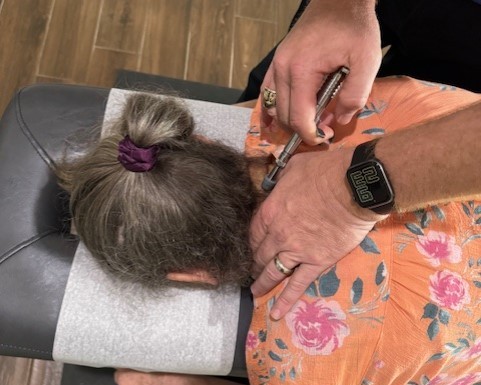
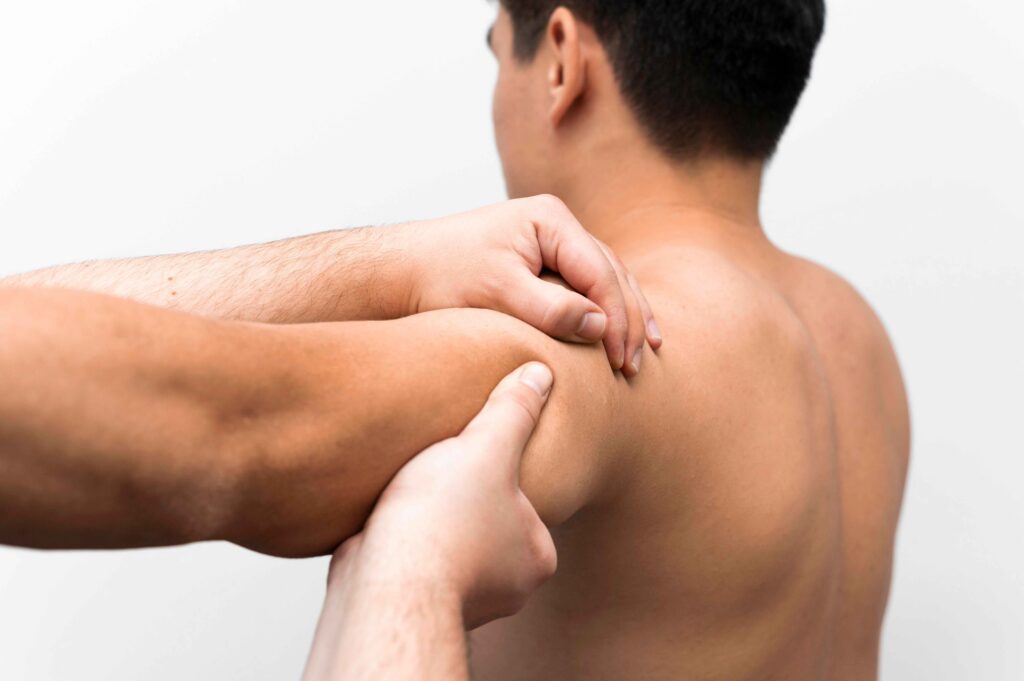
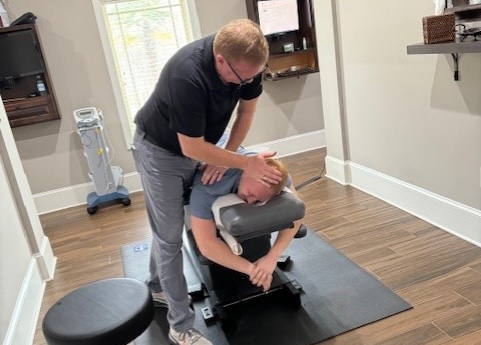
Incorporating chiropractic care into your recovery can significantly enhance your healing process. Our treatment focuses on restoring proper alignment and function to your body, which can alleviate pain and promote healing. Additionally, we work on strengthening the muscles surrounding the injured area to prevent future injuries.
Nutrition plays a vital role in recovery as well. A well-balanced diet rich in anti-inflammatory foods can help reduce swelling and support tissue repair. I can provide guidance on dietary choices that complement your recovery efforts.
Moreover, mental resilience is often overlooked but is just as important. Developing a positive mindset and utilizing relaxation techniques can help you stay motivated throughout your healing process.
By exploring these key elements—chiropractic care, physical therapy, nutrition, and mental strategies—you can ensure a successful recovery and come back stronger than ever. If you have any questions about how we can support you on this journey, don't hesitate to reach out.
Understanding Injury Types
As a local chiropractor, I understand that injuries in the realm of sports can be as diverse as the athletes themselves. Whether you're dealing with sprains, strains, fractures, or more intricate injuries like concussions, each type demands a unique approach to recovery.
It's crucial to recognize the specific injury you've sustained, as this knowledge is key to effective treatment and rehabilitation, especially when considering natural healing methods.
Let's start with sprains, which occur when ligaments—the connective tissues that hold bones together at a joint—are stretched or torn. If you've twisted your ankle or knee, you're likely facing a sprain.
Strains, in contrast, affect muscles or tendons and typically happen during sudden movements, such as sprinting or jumping. Distinguishing between a sprain and a strain can significantly impact how we develop your recovery plan together.
Fractures, or breaks in the bone, can range from minor hairline fractures to more severe complete breaks. If you suspect a fracture, it's important to seek immediate medical attention.
On the other hand, concussions are a type of traumatic brain injury that can occur from a blow to the head. Recovery from a concussion often requires a careful approach, emphasizing both physical and cognitive rest, which is something we can support through chiropractic care.
Additionally, overuse injuries, like tendonitis or stress fractures, develop over time due to repetitive movements. These injuries call for a different strategy that often includes rest and modifications to your training regimen.
By identifying the specific type of injury and understanding its implications, we can create a tailored recovery process that aligns with your body's natural healing capabilities, helping you return to your sport stronger and more resilient.
The R.I.C.E. Method
As a local chiropractor, I want to share some vital information about recovery techniques that can be incredibly beneficial after sustaining a sports injury. One of the most effective methods I recommend is known as R.I.C.E., which stands for Rest, Ice, Compression, and Elevation. Understanding and implementing this approach can significantly alleviate pain and swelling, ultimately enhancing your recovery journey.
Here's how you can effectively use the R.I.C.E. method:
- Rest: Allow your body the necessary time to heal from the injury. It's important to avoid placing weight on the affected area. If needed, consider using crutches or a brace to support yourself and prevent further strain.
- Ice: Applying ice packs to the injured area for 15-20 minutes every hour can work wonders. Ice helps numb the pain and reduces swelling. Remember to wrap the ice pack in a cloth to protect your skin from frostbite.
- Compression: Utilizing an elastic bandage or compression wrap can provide essential support to the injured area. This technique minimizes swelling and enhances stability. Just ensure that you don't wrap it too tightly, as this could restrict blood flow and cause more harm.
- Elevation: Keeping the injured area elevated above the level of your heart whenever possible is crucial. This position helps reduce swelling by allowing excess fluids to drain away from the injury site.
By incorporating the R.I.C.E. method into your recovery routine, you can support your body's natural healing processes and pave the way for a smoother, quicker recovery.
If you have any questions or need guidance on your healing journey, feel free to reach out. Your health and well-being are my top priorities!
Physical Therapy Benefits
As a local chiropractor, I want to share how chiropractic care can be a transformative part of your recovery journey. Many individuals, including athletes, discover that chiropractic treatments offer personalized care plans tailored to their unique injuries and health needs. This holistic approach helps restore strength, flexibility, and mobility, enabling you to regain control over your body.
One of the key advantages of chiropractic care is effective pain management. We utilize a variety of techniques, including spinal adjustments, soft tissue therapy, and therapeutic exercises, all aimed at alleviating pain and reducing inflammation. This not only enhances your comfort but also empowers you to engage more fully in your rehabilitation process.
Chiropractic care is also crucial for restoring function. Through specific adjustments and rehabilitation exercises, we can improve your range of motion and strengthen the affected areas. This rehabilitation not only aids in your recovery but also boosts your confidence, preparing you to return to your activities with renewed vigor and capability.
Moreover, as your chiropractor, I prioritize educating you on proper body mechanics and injury prevention strategies. You'll learn how to adjust your movements and techniques to minimize the risk of re-injury.
This knowledge is essential as you transition back into your active lifestyle, ensuring that you stay healthy and strong for the long term.
Nutrition for Recovery
As a local chiropractor, I want to emphasize how crucial nutrition is to your recovery journey. Many people underestimate the role that what we eat plays in the healing process. The right nutrients can significantly enhance your body's ability to repair itself, minimize inflammation, and restore strength after an injury or adjustment.
Let's start with protein. This nutrient is vital for muscle repair and growth, which is particularly important after chiropractic treatments. Whether you prefer lean meats, fish, beans, or dairy, ensure that your diet includes sufficient protein to support your recovery.
Next, let's talk about antioxidants. These powerful compounds help combat oxidative stress, which can increase during recovery. To boost your antioxidant intake, try to incorporate a colorful variety of fruits and vegetables into your meals. Options like berries, spinach, and bell peppers are excellent choices.
Additionally, I can't stress enough the importance of healthy fats. Omega-3 fatty acids, found in foods such as salmon, walnuts, and flaxseeds, can help reduce inflammation and support joint health, which is essential for anyone undergoing chiropractic care.
Here's a handy checklist of essential nutrients to consider as you focus on your recovery:
- Protein Sources: Chicken, tofu, legumes
- Antioxidant-Rich Foods: Blueberries, kale, sweet potatoes
- Healthy Fats: Avocados, olive oil, chia seeds
Mental Resilience Techniques
As a local chiropractor, I want to emphasize that building mental resilience is just as crucial as your physical recovery. Your mindset can significantly influence how quickly and effectively you heal from an injury. To foster this resilience, I recommend starting with realistic goals. Break your recovery into smaller, manageable milestones and celebrate each small victory along the way. This approach helps keep you motivated and focused on your progress rather than any setbacks you may encounter.
Incorporating mindfulness and visualization techniques into your daily routine can also be beneficial. Take a few minutes each day to visualize your successful return to your activities. Imagine yourself moving confidently and effortlessly. This mental rehearsal not only enhances your performance but also reinforces a positive outlook on your recovery.
Mindfulness meditation can further help you stay grounded, reducing anxiety and boosting your overall mental toughness.
It's important not to overlook the value of social support during your healing journey. Surround yourself with friends, family, and teammates who uplift and encourage you. Sharing your experiences and emotions can alleviate stress, and connecting with individuals who've faced similar challenges can provide you with valuable insights and encouragement.
Lastly, I encourage you to embrace a growth mindset. Consider your injury as an opportunity for learning and self-improvement. Instead of dwelling on what you've lost, think about the skills or strategies you can develop during your recovery. Shifting your perspective in this way fosters resilience and empowers you to face challenges with confidence.
As your chiropractor, I'm here to support not only your physical healing but also your mental resilience. Together, we can work towards a holistic recovery that addresses both your body and mind.
Conclusion
Injury recovery goes beyond just physical healing; it's a comprehensive journey that involves your entire well-being. As a local chiropractor, I emphasize the importance of understanding the specific type of injury you're dealing with. One effective approach to start your recovery is the R.I.C.E. method: Rest, Ice, Compression, and Elevation. This method lays a strong foundation for healing.
In addition to R.I.C.E., consider the benefits of chiropractic care, which focuses on aligning your body's structure to improve function and reduce pain. Coupling this with physical therapy, proper nutrition, and techniques to build mental resilience can significantly enhance your recovery process and fortify your determination.
Don't hesitate to seek support from coaches and peers during this time. Remember, every setback can become a stepping stone towards a stronger comeback. Embrace the journey, and know that with the right approach, you can recover effectively and naturally. You've got this!