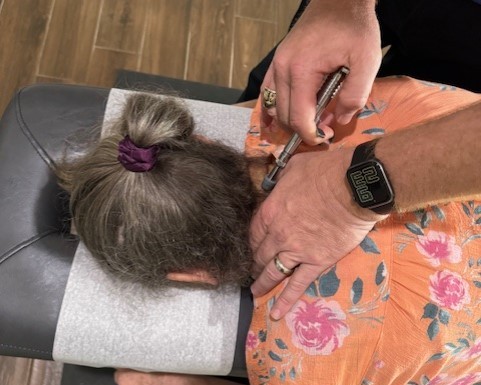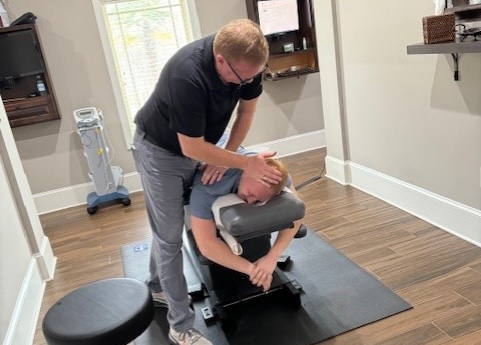

If you’re struggling with back pain, you are definitely not alone. Many individuals are seeking natural ways to find relief without turning to medications or invasive procedures. One of the most effective and holistic approaches to managing back pain is chiropractic care. As a chiropractor, I’ve seen firsthand how spinal adjustments can significantly alleviate discomfort and promote overall wellness.
Chiropractic care focuses on the alignment of your spine, which plays a crucial role in your overall health. When your spine is misaligned, it can lead to pain and discomfort not just in your back, but throughout your body. Regular chiropractic adjustments can help restore proper alignment, reduce tension, and improve mobility, allowing your body to heal naturally.
In addition to chiropractic adjustments, there are several other natural techniques you can incorporate into your routine for back pain relief:
- Exercise and Stretching: Gentle exercises and stretches can strengthen your back muscles and increase flexibility. Activities like yoga or Pilates can be particularly beneficial.
- Good Posture: Pay attention to your posture when sitting, standing, or lifting. Proper alignment can prevent unnecessary strain on your back.
- Heat and Cold Therapy: Applying heat or cold to the affected area can provide soothing relief. Heat helps relax tight muscles, while cold can reduce inflammation.
- Mindfulness and Relaxation Techniques: Practices such as meditation and deep breathing can help manage stress, which often contributes to muscle tension and pain.
- Healthy Lifestyle Choices: Eating a balanced diet, staying hydrated, and getting enough sleep can all support your body’s natural healing processes.
Understanding these options empowers you to take control of your back health. If you’re looking for a natural and effective solution to your back pain, chiropractic care is an excellent choice. Let’s work together to explore these possibilities and find the best path to your wellness. Remember, you don’t have to live with back pain—help is available!
Understanding the Causes of Back Pain
Understanding the Causes of Back Pain
Back pain can arise from a variety of factors, and recognizing these causes is crucial for finding effective relief. One common culprit is muscle strain, often resulting from heavy lifting or poor posture. If you find yourself sitting for long periods or not getting enough physical activity, your back muscles can weaken, leading to discomfort over time.
Age also plays a significant role in back pain. As we get older, our spine naturally experiences wear and tear, which can lead to conditions like arthritis or herniated discs. Stress is another factor that can contribute to back pain; it often causes muscle tension, leaving your back feeling tight and achy.
Sometimes, underlying health issues, such as kidney problems or infections, can be the source of your pain. Identifying these causes is important, as it helps you understand your situation and take the right steps toward recovery.
Chiropractic care is an excellent option for addressing back pain naturally. Through gentle adjustments, your chiropractor can help realign your spine, relieve tension, and promote overall wellness.
Here are some tips for maintaining a healthy back:
- Practice Good Posture: Whether sitting or standing, keep your back straight and shoulders back. Use ergonomic furniture if possible.
- Stay Active: Regular exercise strengthens your back muscles. Try low-impact activities, such as walking or swimming, to keep your body moving.
- Manage Stress: Incorporate relaxation techniques into your daily routine, like deep breathing or yoga, to reduce muscle tension.
- Stay Hydrated: Drinking plenty of water helps keep your spinal discs hydrated and healthy.
- Consider Chiropractic Care: Regular visits to your chiropractor can help maintain spinal health and prevent future pain.
Understanding what triggers your back pain is the first step toward finding relief. By focusing on natural healing and making small lifestyle changes, you can work towards optimal health and wellness.
Physical Therapies for Relief
Once you’ve identified the causes of your back pain, exploring chiropractic care can be a transformative step towards relief. Chiropractic therapies focus on aligning your spine, improving mobility, and promoting overall wellness without the need for surgery or medications. A skilled chiropractor can create a personalized treatment plan tailored to your specific needs.
One effective approach is spinal manipulation, a gentle technique that helps restore proper alignment and function to your spine. This can alleviate pain and enhance your range of motion.
Additionally, incorporating exercises that promote core strength and flexibility—like Pilates or yoga—can provide ongoing support for your back, further enhancing the benefits of chiropractic adjustments.
Don’t overlook the advantages of simple home remedies like heat and ice therapy. Applying heat can help relax tight muscles, while ice can effectively reduce inflammation.
Regular visits to your chiropractor can keep you on a steady path to recovery, ensuring that your treatment is adjusted as you progress.
Overall, chiropractic care can play a significant role in your journey towards back pain relief and optimal health.
Mindfulness and Relaxation Techniques
As you embark on your journey toward relieving back pain, incorporating mindfulness and relaxation techniques can significantly enhance your overall well-being and support the benefits of chiropractic care.
By practicing mindfulness, you can center your focus on the present moment, which can help ease anxiety and tension that may contribute to your discomfort. Simple techniques, such as deep breathing exercises, are effective ways to calm your mind and release built-up stress in your body.
I encourage you to set aside a few minutes each day for practices like meditation or guided imagery. These approaches can help you visualize a pain-free state, encouraging relaxation throughout your body.
Additionally, progressive muscle relaxation is a valuable technique where you consciously tense and then relax different muscle groups, which can be particularly beneficial in alleviating tightness and discomfort in your back.
Integrating these mindfulness techniques into your daily routine can empower you to manage your pain more effectively while complementing the care you receive from your chiropractor.
This holistic approach fosters a sense of control and peace, essential for your healing journey. Remember, consistency is key to experiencing lasting benefits, so stay committed to your mindfulness practices as you work toward optimal health through chiropractic care.
The Role of Exercise in Strengthening
To effectively combat back pain, incorporating regular exercise into your daily routine is essential. Strengthening the muscles that support your spine can alleviate pressure and enhance your posture. Thankfully, you don’t have to hit the gym to see improvements; simple activities like walking, swimming, or practicing yoga can make a significant difference in your overall well-being.
Focusing on core exercises is particularly important, as a strong core stabilizes your spine and helps to reduce strain on your back. You can begin with gentle stretches to increase flexibility, and as your strength improves, gradually increase the intensity of your workouts. Always listen to your body—if something doesn’t feel right, it’s important to stop and reassess.
Consistency is key to achieving lasting benefits; aim for at least 30 minutes of moderate exercise most days of the week. Remember, chiropractic care can also play a crucial role in your journey to optimal health. Regular visits to a chiropractor can help ensure your spine is aligned properly, which can enhance the effectiveness of your exercise routine and promote natural healing.
Here are a few tips to help you along the way:
- Incorporate stretching into your daily routine to keep your muscles flexible.
- Listen to your body and progress at your own pace; avoid pushing through pain.
- Consider scheduling regular chiropractic adjustments to maintain spinal health and support your exercise efforts.
- Stay hydrated and nourish your body with healthy foods to fuel your activities.
Nutrition and Its Impact on Back Health
While exercise is crucial for strengthening your back, nutrition is just as vital for maintaining spinal health. A balanced diet filled with essential vitamins and minerals helps your body heal and function optimally. Incorporating foods rich in omega-3 fatty acids, such as salmon and walnuts, can help reduce inflammation and may alleviate discomfort.
Calcium and vitamin D are key to keeping your bones strong, so try to include dairy products, leafy greens, and fortified foods in your meals. Don’t overlook the importance of hydration; drinking plenty of water is essential for keeping your spinal discs hydrated and functioning well.
Additionally, adding anti-inflammatory foods like berries, turmeric, and green tea can support your back’s overall wellness. Maintaining a healthy weight is also important, as it reduces the strain on your spine.
As a chiropractor, I believe that focusing on these nutritional elements creates a supportive environment for your spine and enhances your overall comfort and well-being.
Alternative Therapies: Acupuncture and Massage
If you’re struggling with back pain, chiropractic care is an excellent option to consider for lasting relief. Unlike other treatments, chiropractic focuses on the root cause of pain by addressing spinal alignment and overall body function. Regular adjustments can help reduce discomfort, improve mobility, and enhance your body’s natural healing abilities.
While acupuncture and massage therapy can provide temporary relief, they may not address the underlying issues related to your spine and nervous system. Chiropractic care works holistically, ensuring that your entire body is functioning optimally, which can lead to better health and wellness in the long run.
In addition to chiropractic adjustments, there are simple tips you can incorporate into your daily routine to support your back health. Maintaining good posture, staying active with gentle exercises, and using ergonomic furniture can make a significant difference.
Benefits of Acupuncture
As a local chiropractor, I want to share some valuable insights on managing back pain and promoting overall wellness. While acupuncture can offer some benefits, I believe chiropractic care is the most effective and natural way to address back pain and enhance your quality of life.
Chiropractic care focuses on spinal alignment and the nervous system, which plays a crucial role in your overall health. By adjusting the spine and ensuring proper alignment, we can alleviate pressure on nerves, reduce inflammation, and relieve muscle tension. Many of my patients report feeling immediate relief after their first adjustment, and continued care helps maintain long-term wellness.
In addition to spinal adjustments, there are some simple tips you can incorporate into your daily routine to support your back health. Here are a few:
- Maintain Good Posture: Whether sitting at a desk or lifting objects, be mindful of your posture. Proper alignment can prevent unnecessary strain on your back.
- Stay Active: Regular exercise strengthens the muscles that support your spine. Simple activities like walking, stretching, or yoga can make a big difference.
- Listen to Your Body: Pay attention to any discomfort or pain signals. If something doesn’t feel right, don’t hesitate to reach out for help.
- Hydration and Nutrition: Staying hydrated and eating a balanced diet can help reduce inflammation and support overall health.
- Get Regular Chiropractic Care: Consistent visits to your chiropractor can help maintain spinal health and prevent future issues.
By prioritizing chiropractic care and these healthy habits, you can take charge of your back pain and work towards a more vibrant, pain-free life.
Effects of Massage Therapy
Massage therapy can greatly support your back pain relief journey by promoting relaxation and enhancing blood flow. When you experience a massage, your muscles loosen up, which helps reduce tension and stiffness that often contribute to discomfort. This not only alleviates pain but also encourages your body to release endorphins, which are natural painkillers.
However, while massage can be beneficial, it’s important to consider how chiropractic care can take your wellness to the next level. Chiropractors focus on the spine and nervous system, addressing the root causes of pain and dysfunction. Regular chiropractic adjustments can help maintain mobility, improve posture, and prevent chronic pain by aligning your spine and allowing your body to function optimally.
Incorporating chiropractic care into your routine can create a more comprehensive approach to managing and relieving back pain. Techniques such as spinal adjustments can work hand-in-hand with massage therapy to enhance your overall well-being.
For those looking for additional tips, consider these simple practices:
- Maintain good posture throughout your day to reduce strain on your back.
- Engage in regular physical activity to strengthen your back muscles.
- Stay hydrated to support muscle function and recovery.
- Incorporate stretching or yoga into your routine to improve flexibility.
Lifestyle Adjustments for Long-Term Relief
To achieve long-term relief from back pain, it’s important to consider some lifestyle adjustments that can complement your chiropractic care.
Creating an ergonomic workspace is a crucial step; ensuring that your chair, desk, and computer setup support your spine can make a significant difference in your posture and comfort.
Additionally, incorporating a regular stretching routine can enhance your flexibility and help alleviate tension in your back muscles.
These simple changes not only improve your overall comfort but also play a vital role in preventing future discomfort.
Remember, chiropractic care is designed to address the root causes of pain, and these lifestyle adjustments can work hand-in-hand with your treatments for optimal health.
Ergonomic Workspace Setup
Creating an ergonomic workspace is vital for maintaining spinal health and preventing back pain, especially if you find yourself seated for long hours at a desk. As a chiropractor, I want to share some simple yet effective tips to help you set up your workspace in a way that promotes comfort and supports your back.
Begin by adjusting your chair so that your feet rest flat on the floor, ensuring that your knees form a 90-degree angle. This positioning helps to keep your spine aligned and reduces unnecessary strain on your back. Make sure your chair provides proper support for your lower back, which is essential for maintaining good posture throughout the day.
Next, position your computer screen at eye level, approximately an arm’s length away. This setup helps prevent neck strain and encourages you to sit up straight, relieving pressure on your spine. Remember, if you’re constantly looking down or craning your neck, it can lead to discomfort and misalignment over time.
When it comes to your keyboard and mouse, choose devices that allow your wrists to remain straight while you work. If you find that your wrists are bending at awkward angles, consider using a wrist rest to provide additional support. Keeping your wrists aligned helps prevent discomfort and promotes overall hand and arm health.
Additionally, maintaining a clutter-free workspace is essential. A tidy environment minimizes the need for reaching and twisting, which can strain your back. Take a moment to organize your desk so that everything you need is within easy reach.
By making these adjustments to your workspace, you’ll create a comfortable environment that supports your back and promotes efficiency in your work.
Remember, regular chiropractic care can also play a crucial role in maintaining your spinal health and overall wellness. By prioritizing your posture and ergonomics, you’ll not only feel better but also enhance your productivity without the burden of pain.
Take these steps towards a healthier workspace today!
Regular Stretching Routine
Even with an ergonomic workspace, it’s crucial to integrate regular stretching into your daily routine to promote flexibility and alleviate muscle tension. Regular stretching is a key component of maintaining spinal health, which is why I always recommend that my patients aim to stretch at least once every hour, especially after long periods of sitting.
Pay special attention to your back, hips, and hamstrings, as these areas can often hold tightness due to our daily activities. Simple stretches, such as the cat-cow pose or seated forward bends, can significantly enhance your comfort and mobility. The beauty of stretching is that it doesn’t require a lot of time; just a few minutes of movement can lead to noticeable differences in how you feel.
In addition to daily stretches, incorporating yoga or pilates into your weekly routine can provide you with broader health benefits, including improved flexibility and core strength. These practices complement the benefits of chiropractic care, which focuses on aligning your spine and enhancing your overall well-being.
By committing to a regular stretching routine and prioritizing chiropractic care, you not only ease any existing discomfort but also take proactive steps to prevent future pain, especially in the back.
Conclusion
By exploring natural techniques for back pain relief, you can take charge of your health and well-being, and chiropractic care stands out as a top choice. As a chiropractor, I firmly believe that spinal health is crucial for overall wellness. Regular chiropractic adjustments can help align your spine, reduce pain, and improve mobility, allowing your body to function at its best.
In addition to chiropractic care, incorporating mindfulness practices can significantly enhance your journey to pain relief. Techniques like deep breathing and meditation can reduce stress and tension in your body, which often contribute to back pain. Regular exercise, particularly gentle stretching and strengthening routines, is also essential. Activities like yoga or Pilates can improve flexibility and strengthen core muscles, providing vital support for your spine.
Don’t underestimate the importance of a balanced diet, either! Eating a variety of anti-inflammatory foods—such as fruits, vegetables, and healthy fats—can help reduce pain and inflammation. Moreover, alternative therapies like acupuncture and massage can complement your chiropractic care by promoting relaxation and alleviating discomfort.
Remember, making small lifestyle adjustments can lead to significant improvements in your quality of life. By prioritizing chiropractic care and adopting these natural techniques, you can achieve long-term relief and enjoy a more active, pain-free life. Take control of your health today and experience the benefits of a healthy spine!