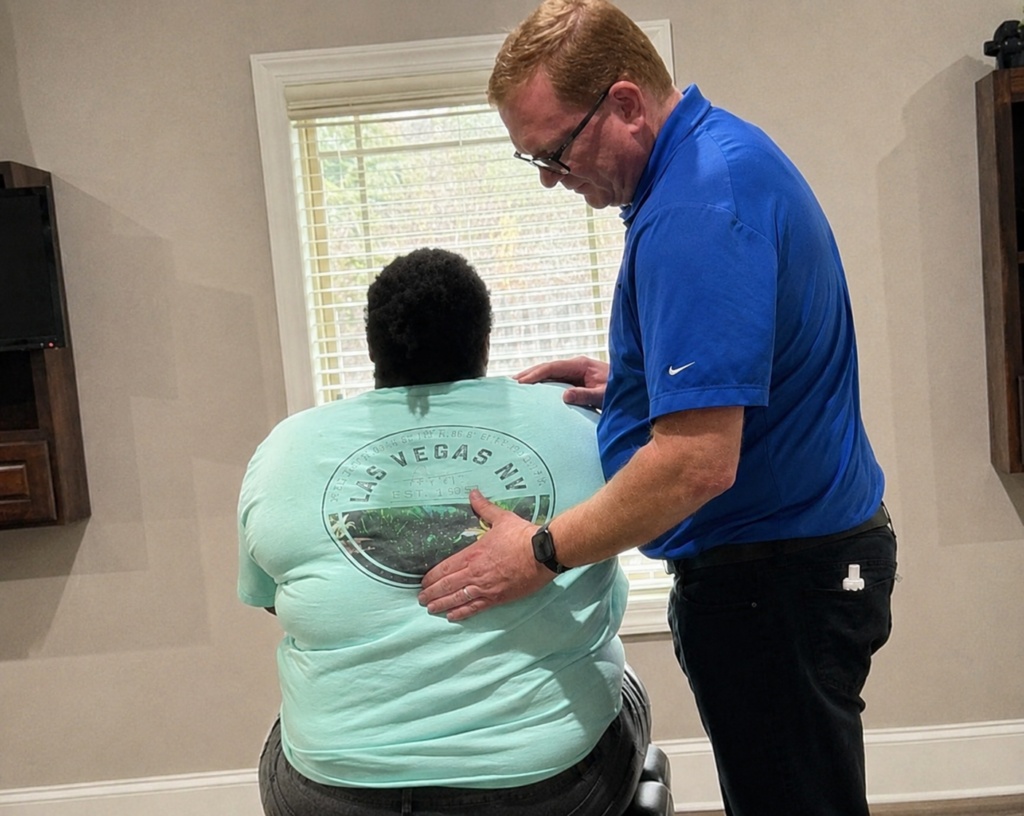

If you've ever found yourself slumping over your desk or experiencing discomfort after a long day, you might want to contemplate how spinal adjustments can play a role in fixing your posture. By addressing those misalignments in your spine, you can relieve tension and enhance your overall mobility. It's not just about standing tall; it's about how these adjustments can impact your daily life. Curious about the specific benefits and what to look for in a chiropractor? Understanding these aspects could change the way you approach your posture.
Understanding Posture and Its Importance
Understanding your posture is essential for maintaining overall health and well-being. Good posture isn't just about standing tall; it affects how your body functions daily. When you maintain proper alignment, your muscles and ligaments work efficiently, reducing the risk of injury and discomfort. You mightn't realize it, but poor posture can lead to chronic pain, fatigue, and even digestive issues over time.
In your daily life, you may find yourself hunched over a computer or slouching on the couch. These habits can create imbalances in your body, straining muscles and joints. Recognizing how you sit, stand, and move is the first step to improving your posture.
Consider how you feel after a long day: do you experience tension in your neck or lower back? That's a sign your posture needs attention.
Making small adjustments can greatly impact your overall health. Start by being mindful of your posture throughout the day. When sitting, keep your back straight, feet flat on the ground, and shoulders relaxed.
Stand tall with your weight evenly distributed on both feet. If you're often on your phone, hold it at eye level instead of bending your neck down.
What Are Spinal Adjustments?
While you may be familiar with the concept of spinal adjustments, it's essential to grasp how they can specifically benefit your posture. Spinal adjustments, often performed by chiropractors, involve manual manipulation of the vertebrae in your spine. The goal is to correct misalignments, enhance spinal function, and ultimately promote overall well-being.
During an adjustment, your chiropractor will use precise movements to apply controlled force to specific joints in your spine. This can help relieve tension in your muscles and improve your range of motion. By realigning your spine, adjustments can also alleviate pressure on nerves, which may contribute to discomfort or pain.
You might wonder how often you should seek spinal adjustments. This varies from person to person, depending on factors like your posture, lifestyle, and overall health. Some people may feel immediate relief after just one session, while others might need a series of adjustments over time to achieve best results.
It's also essential to note that spinal adjustments aren't just about immediate relief; they can play a significant role in maintaining long-term spinal health. Regular adjustments can help you develop better posture habits, which can lead to fewer issues down the road.
How Spinal Adjustments Improve Posture
Through targeted spinal adjustments, you can markedly enhance your posture by correcting misalignments in your spine. When your spine is properly aligned, it promotes a natural position that can alleviate strain on your muscles and joints. This results in several key improvements:
- Increased Alignment: Your vertebrae align correctly, allowing your body to maintain an upright position with less effort.
- Reduced Muscle Tension: As your spine aligns, the muscles supporting it can relax, leading to less tension and discomfort in your neck, back, and shoulders.
- Enhanced Mobility: Improved spinal alignment can increase your range of motion, making daily activities easier and more fluid.
- Better Body Awareness: With adjustments, you'll become more aware of your body's position in space, helping you consciously maintain better posture throughout the day.
These adjustments work to realign your spine and restore balance, which can lead to a more confident stance. You might notice that standing tall feels more natural and effortless.
Additionally, these changes not only help with your posture but can also enhance your overall physical health.
Benefits of Correcting Posture
Correcting your posture offers significant benefits that go beyond just looking good.
You'll experience enhanced musculoskeletal health, which can lead to less discomfort and better mobility.
Plus, improved posture can boost your breathing efficiency, helping you feel more energized throughout the day.
Enhanced Musculoskeletal Health
Good posture isn't just about looking confident; it plays an essential role in enhancing your musculoskeletal health.
When you maintain proper alignment, you support your body's structure, which can lead to significant benefits. Here are four key advantages of correcting your posture:
- Reduced Pain: Correct posture alleviates strain on your muscles and joints, minimizing discomfort in your back, neck, and shoulders.
- Improved Mobility: With balanced alignment, your body can move more freely and efficiently, allowing for a wider range of motion in daily activities.
- Increased Strength: Good posture helps distribute your weight evenly, which strengthens core muscles and enhances overall stability during movement.
- Enhanced Coordination: Proper alignment aligns your body's kinetic chain, improving coordination and balance, which is crucial for athletic performance and daily tasks.
Improved Breathing Efficiency
Slouching at your desk can feel comfortable in the moment, but it often restricts your breathing. When your spine is misaligned, it compresses your lungs and diaphragm, making it harder to take deep, full breaths. This can lead to increased fatigue, decreased energy, and even anxiety.
By correcting your posture through spinal adjustments, you can open up your chest and allow your lungs to expand fully. As you realign your spine, you'll likely notice an immediate improvement in your breathing efficiency. Your body can better utilize oxygen, which enhances your overall liveliness.
With improved posture, your diaphragm can function effectively, promoting deeper breaths that nourish your cells and support your physical and mental performance. Additionally, better breathing can boost your focus and reduce stress levels.
When you breathe deeply and efficiently, your body can relax, helping you feel more centered and less overwhelmed. As you incorporate spinal adjustments into your routine, you'll find that not only does your posture improve, but your ability to breathe freely and efficiently does too.
Simply put, taking care of your spine directly enhances your breathing, leading to a healthier, more vibrant you.
Choosing the Right Chiropractor
When you're looking for a chiropractor, it's essential to evaluate their credentials and experience.
You'll want someone who uses a variety of treatment techniques tailored to your specific needs.
Taking the time to research can make all the difference in your journey to better posture.
Credentials and Experience
Choosing the right chiropractor involves looking closely at their credentials and experience. You want to verify that the person you choose has the necessary qualifications to help improve your posture effectively.
Here are four key factors to take into account:
- Education: Verify that the chiropractor has completed an accredited chiropractic program, which typically includes a Doctor of Chiropractic degree.
- Licensure: Check if they hold a valid license to practice in your state. This confirms they've met the required standards and passed necessary examinations.
- Specialization: Some chiropractors focus on specific areas, such as sports injuries or pediatric care. Determine if their specialization aligns with your needs for posture correction.
- Experience: Inquire about how long they've been practicing and how many patients they've treated with similar issues to yours. A seasoned chiropractor is more likely to provide effective treatment.
Treatment Techniques Offered
After confirming a chiropractor's credentials and experience, the next step is to evaluate the treatment techniques they offer. Different chiropractors use various methods, so it's crucial to find one that aligns with your needs.
Common techniques include spinal adjustments, which focus on realigning the spine to improve posture. You might also encounter activator methods that use a small handheld device to deliver gentle impulses to specific areas.
Other popular techniques include flexion-distraction, which involves a specialized table that helps stretch the spine, and the Thompson technique, employing a drop-table mechanism for effective adjustments.
If you're dealing with specific issues, inquire about targeted therapies like myofascial release or muscle energy techniques that can complement spinal adjustments.
Don't hesitate to discuss these techniques during your initial consultation. A good chiropractor will explain their approach and tailor treatments to your unique condition.
Pay attention to how comfortable you feel with their methods—trust and communication are key. Ultimately, the right chiropractor won't only adjust your spine but also empower you with knowledge and strategies to maintain good posture long-term.
Make sure to choose someone whose techniques resonate with you!
Tips for Maintaining Good Posture
Maintaining good posture is essential for overall health and well-being. It not only helps prevent pain but also boosts your confidence and productivity. Here are some practical tips to keep your posture in check throughout the day:
1. Stay Mindful: Regularly check in with your body. Are your shoulders slumped? Is your back rounded? Set reminders on your phone to encourage you to sit or stand up straight.
2. Set Up Your Workspace: Arrange your desk to promote good posture. Your computer screen should be at eye level, and your chair should support your lower back.
Keep your feet flat on the floor, and your knees should be at or slightly below hip level.
3. Strengthen Your Core: Engage in exercises that strengthen your core muscles. A strong core supports your spine and helps maintain proper alignment.
Consider planks, bridges, or yoga to enhance stability.
4. Take Breaks: Don't forget to move! Sitting for long periods can lead to slouching.
Stand up, stretch, or take a short walk every hour to reset your posture and energy levels.
Conclusion
Incorporating spinal adjustments into your wellness routine can greatly enhance your posture and overall health. By addressing misalignments, you'll not only improve your body awareness but also feel more confident in your daily activities. Remember to choose a qualified chiropractor and stay proactive about maintaining good posture. With regular adjustments and mindful habits, you can enjoy the benefits of a stronger, healthier spine, making it easier to stand tall and move through life with ease.