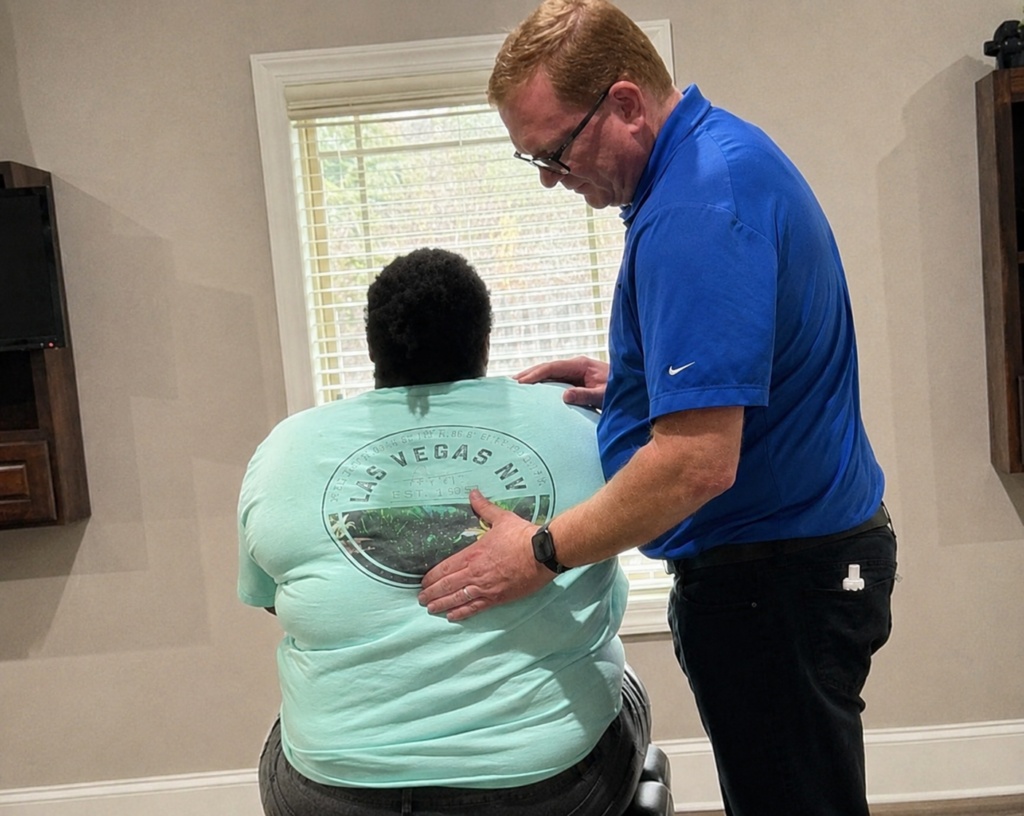

As a local chiropractor, I understand that dealing with a neck injury can be incredibly challenging. However, I want to reassure you that gentle techniques can truly transform your recovery experience. These methods are designed not only to speed up healing but also to help you regain a sense of control over your body.
By incorporating gentle movements and customized exercises into your routine, you can significantly improve blood circulation and alleviate pain. It's crucial to approach these techniques at your own pace, ensuring you're comfortable and minimizing the risk of re-injury.
So, what specific practices can you include in your recovery plan that support both your physical and emotional well-being? Let's discuss some effective strategies that can make a real difference in your healing journey. Remember, as your chiropractor, I'm here to guide you on this path toward recovery and wellness.
Understanding Neck Injuries
As a local chiropractor, I want to help you understand neck injuries and how they can affect your overall well-being. Neck injuries can arise from a variety of activities, whether it's from sports, a car accident, or even the way you sit at your desk every day.
These injuries might present themselves as strains, sprains, or herniated discs, and each type impacts your neck differently. It's crucial to identify the specific nature of your injury, as this will guide us in determining the most effective treatment and recovery plan.
If you've experienced a sudden impact or trauma, you may be facing an acute injury, often accompanied by immediate pain and discomfort. Conversely, chronic neck injuries develop gradually, typically due to repeated stress or poor posture. You might find yourself feeling stiff or experiencing a persistent dull ache that tends to worsen over time.
It's essential to listen to your body and recognize these signals. Moreover, it's important to note that emotional stress can also play a significant role in neck pain. When you feel tense or anxious, it's common to unconsciously tense your neck muscles, leading to discomfort.
Understanding this connection is vital for a holistic approach to your recovery. In our practice, we focus on addressing the root causes of neck injuries. By understanding these causes, we can take proactive measures to prevent further damage and support your healing process.
Whether you're dealing with acute pain from a recent incident or chronic discomfort that has developed over time, recognizing the nature of your injury is the first step toward finding effective recovery methods.
Importance of Gentle Techniques
As a local chiropractor, I want to emphasize the importance of gentle techniques when recovering from a neck injury. These methods are essential for your healing journey, focusing on your comfort and safety. By using gentle approaches, we can help your body heal effectively without adding any additional strain or risk of injury.
Firstly, gentle techniques are crucial for alleviating discomfort and stiffness in the neck area. Using soft, controlled movements promotes increased blood flow to the injured site, which aids in healing. This can lead to reduced inflammation and pain, making your recovery experience much more manageable.
Additionally, these techniques help foster relaxation, which is vital for your emotional well-being during the recovery process.
Furthermore, gentle techniques serve as a strong foundation for more advanced rehabilitation. They prepare your muscles and joints for future strengthening exercises, ensuring that you can progress safely in your recovery. By establishing this groundwork, we minimize the risk of re-injury, allowing you to regain strength and mobility more confidently.
It's also essential to recognize that everyone's healing journey is unique. Gentle techniques empower you to listen to your body and adjust your approach as needed. This approach encourages you to take an active role in your recovery, fostering a positive mindset that can significantly influence your progress.
If you're new to chiropractic care, remember that our goal is to support you in your healing process with natural, gentle methods tailored to your needs. Together, we can work towards restoring your health and well-being.
Stretching Exercises for Relief
As a local chiropractor dedicated to helping you understand the benefits of chiropractic care and natural healing, I want to share some gentle techniques that can serve as a foundation for incorporating stretching exercises into your routine.
These exercises can significantly relieve neck tension and discomfort, which is common in our fast-paced, screen-focused lives.
Let's start with a simple yet effective stretch known as the neck tilt. You can perform this stretch either seated or standing comfortably while keeping your spine straight.
Gently tilt your head to one side, allowing your ear to move toward your shoulder. Hold this position for about 15-30 seconds, and you should feel a gentle stretch along the opposite side of your neck. Remember to repeat on the other side. This straightforward movement can work wonders in alleviating tension.
Next, I recommend trying the neck rotation stretch. While seated, slowly turn your head to the right, aiming to align your chin with your shoulder.
Hold this position for 15-30 seconds, then return to the center and switch to the left side. This exercise is excellent for improving mobility and reducing stiffness in your neck.
Another beneficial stretch is the chin tuck. While sitting, gently pull your chin back toward your neck, creating the effect of a double chin.
Hold this position for about 5 seconds before releasing. This exercise not only strengthens the muscles that support your neck but also helps counteract the forward head posture that many of us develop from extended periods of screen time.
Throughout each of these stretches, it's essential to breathe deeply and mindfully. Consistent practice of these exercises can lead to noticeable improvements in your neck's flexibility and overall comfort.
Always listen to your body during these stretches; if you experience any pain, please stop immediately. With patience and regular practice, you'll find relief from discomfort and enjoy greater ease in your daily movements.
Strengthening Your Neck Muscles
As a local chiropractor, I want to emphasize the importance of strengthening your neck muscles for overall stability and injury prevention. Many people may not realize how crucial a strong neck is for supporting the spine and maintaining good posture.
By incorporating specific exercises into your routine, you can significantly enhance the strength and resilience of your neck.
Let's take a look at some effective movements that can help you build a stronger neck. These exercises are designed to not only improve muscle strength but also to promote better alignment and reduce the risk of injury.
As you engage in these activities, remember that a well-supported neck contributes to your overall health and well-being. If you have any questions or need guidance on how to safely perform these exercises, feel free to ask during your next visit!
Importance of Neck Strength
As a local Chiropractor, I want to emphasize the often-underappreciated importance of neck strength in your overall health and wellness. A strong neck is fundamental not just for supporting your head, but also for maintaining proper posture and reducing the risk of strain in your daily life.
Focusing on strengthening your neck can significantly enhance your physical resilience and contribute to your overall well-being.
Here are some key benefits of prioritizing neck strength:
- Improved Posture: Strengthening your neck helps align your spine, which can reduce slouching and prevent discomfort, ultimately promoting better posture.
- Enhanced Athletic Performance: Whether you enjoy running, swimming, or cycling, a strong neck stabilizes your head and improves your coordination, which can enhance your performance in these activities.
- Reduced Pain: By strengthening the muscles in your neck, you can alleviate tension headaches and neck pain, leading to a more comfortable daily life.
- Injury Prevention: A well-conditioned neck can absorb shocks and impacts more effectively, lowering your risk of injuries during physical activities or accidents.
I encourage you to make neck strengthening a regular part of your routine. The benefits of a strong neck extend well beyond that area—contributing to your overall physical health and helping you stay active and pain-free.
Exercises for Neck Stability
As a chiropractor, I want to emphasize the importance of neck stability for your overall health and well-being. A strong and stable neck not only protects this crucial area but also enhances your overall strength and posture. By integrating specific exercises into your routine, you can effectively strengthen your neck muscles and improve stability.
To begin, I recommend starting with gentle neck stretches. These are simple movements where you slowly tilt your head from side to side and forward and backward, holding each position for a few seconds. This practice will help increase flexibility and prepare your neck muscles for further strengthening.
Next, let's focus on isometric exercises, which are excellent for engaging your neck muscles without putting too much strain on them. You can do these while sitting or standing with a straight back. Press your forehead into your palms, ensuring that your head remains still. Hold this position for 5-10 seconds, then relax and repeat.
It's equally beneficial to do this against the back and sides of your head, pressing into your hands in those directions as well.
Additionally, I encourage you to include resistance band exercises in your routine. To do this, secure one end of the band, hold the other end against your forehead, and gently push forward while resisting the pull of the band. You can also perform similar movements for the sides and back of your head.
Aim to incorporate these exercises 2-3 times a week. It's essential to listen to your body throughout this process. If you experience any pain, please stop and consult with a professional, as it's important to ensure that you're exercising safely.
With consistency and care, you'll be on your way to achieving a stronger, more stable neck, which can significantly contribute to your overall health.
Relaxation and Breathing Practices
As a local chiropractor, I want to share with you some effective ways to support your recovery from a neck injury through relaxation and breathing practices.
These simple techniques can significantly reduce tension, enhance blood flow, and promote healing, all of which are vital components of your recovery journey. By integrating these exercises into your daily routine, you'll create a soothing environment for both your body and mind.
Here are four relaxation and breathing practices that I recommend:
1. Deep Breathing: Find a comfortable position, whether sitting or lying down.
Begin by inhaling deeply through your nose for a count of four, allowing your lungs to fill completely. Hold that breath for another count of four, then exhale slowly through your mouth for a count of six.
Repeat this process for several minutes. This practice helps calm your nervous system and can ease tension in your neck.
2. Progressive Muscle Relaxation: This technique involves focusing on each muscle group in your body, starting from your toes and moving up to your head.
Tense each group for five seconds, then consciously relax them. Pay special attention to the sensations in your neck and shoulders as you release the tension.
This can be particularly beneficial for those experiencing discomfort in these areas.
3. Guided Imagery: Close your eyes and visualize a serene and peaceful location, like a beach or a forest.
Engage all your senses by imagining the sounds, smells, and sensations associated with that place. Allow yourself to fully immerse in this calming imagery, which can help alleviate stress and promote relaxation.
4. Gentle Neck Stretches: While sitting or standing, gently tilt your head to one side, feeling the stretch along the side of your neck.
Hold this position for a few breaths before switching to the other side. These stretches can help relieve built-up tension and improve flexibility in your neck.
By incorporating these practices into your daily life, you can enhance your recovery process and support your overall well-being.
As your chiropractor, I encourage you to explore these techniques as part of your holistic approach to healing.
Alternative Therapies to Consider
As a local chiropractor, I want to share some insights on how you can support your recovery from a neck injury through relaxation and breathing techniques, along with alternative therapies that can play a significant role in your healing journey.
These therapies are gentle, holistic approaches that can complement your treatment and enhance your overall well-being.
One of the therapies I highly recommend is acupuncture. This ancient practice involves the insertion of fine needles into specific points on the body. Many of my patients have found it to be effective for alleviating neck pain, as it helps to reduce muscle tension and improve circulation, facilitating the healing process.
Chiropractic care itself is an invaluable resource for your recovery. During your visits, I'll assess your spine and neck alignment, and perform gentle adjustments to alleviate discomfort and restore mobility.
Regular chiropractic sessions can significantly help you regain your range of motion and reduce pain, allowing you to engage more fully in your daily activities.
Massage therapy is another excellent option to consider. Whether you choose deep tissue, Swedish, or trigger point massage, working with a skilled therapist can help release tension in your neck and shoulders.
This not only reduces pain but also promotes relaxation, which is essential for your recovery journey.
Additionally, practices like yoga or tai chi can be incredibly beneficial. These activities combine gentle movements with mindful breathing techniques, promoting flexibility and strength.
They also encourage a deeper connection with your body, helping you to become more aware of tension and facilitating relaxation.
As your chiropractor, I believe that integrating these alternative therapies into your recovery plan can lead to improved outcomes and a greater sense of well-being.
If you have any questions or would like to discuss how these therapies can work alongside chiropractic care, feel free to reach out.
Your healing journey is important, and I'm here to support you every step of the way.
Conclusion
As your local chiropractor, I want to share how incorporating gentle techniques into your neck injury recovery can truly enhance your healing process. It's essential to focus on stretching, strengthening, and relaxation methods, which not only help alleviate pain but also contribute to your overall emotional well-being.
Listening to your body is crucial; each individual's comfort level varies, so it's important to tailor exercises to what feels right for you. As you gradually progress with these techniques, you'll find that they assist in regaining strength and flexibility in your neck. This not only facilitates a more effective recovery but also empowers you to return to your daily activities with renewed confidence.
Chiropractic care supports these gentle methods, emphasizing the body's natural ability to heal itself. If you're new to this approach, I encourage you to explore these techniques with an open mind, as they can lead to a healthier, pain-free lifestyle.