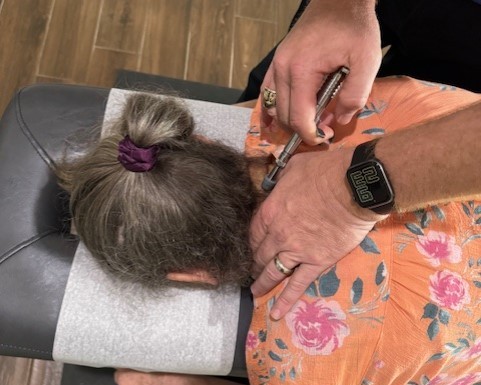
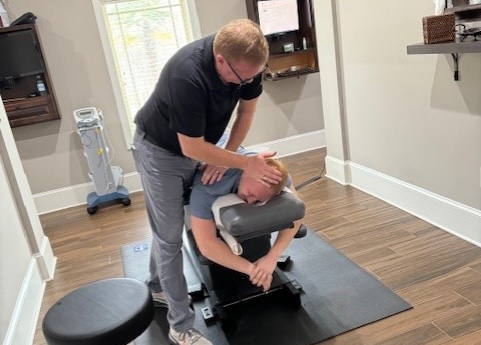
You might be surprised to learn how personalized plans can effectively relieve back pain by addressing your unique circumstances. By tailoring treatments to your individual triggers, fitness level, and lifestyle, these plans can greatly enhance your recovery. Custom exercises, ergonomic adjustments, and mindfulness practices not only improve compliance but also empower you in your healing journey. As you consider the nuances of your own experience, you may start to wonder how these strategies can be integrated into your daily routine for lasting relief. What specific changes can make the most difference for you?
Understanding Back Pain Causes
When it comes to understanding back pain causes, you'll find that various factors can contribute to your discomfort. Your daily habits, posture, and lifestyle choices play significant roles in how your back feels. For instance, if you spend hours slouched in front of your computer, it could lead to muscle imbalances and strain, resulting in pain.
In addition to posture, physical activity—or the lack thereof—can greatly impact your back. If you're not engaging in regular exercise, your muscles may weaken, making them less capable of supporting your spine. On the flip side, overexerting yourself during strenuous activities without proper warm-up can also lead to injuries that cause pain.
Injuries from accidents or falls can be immediate causes of back pain. Even if you think you've recovered, lingering issues from these incidents can resurface later.
Furthermore, age is another unavoidable factor; as you age, the spine undergoes wear and tear, which can lead to conditions like arthritis or degenerative disc disease.
Emotional stress can't be overlooked, either. Stress often manifests as physical tension in your body, particularly in your back, resulting in pain.
Understanding these causes is the first step in addressing your discomfort effectively. By recognizing what might be contributing to your back pain, you can take proactive measures to alleviate it and improve your quality of life.
Importance of Personalization
Personalization is vital in developing effective plans for managing back pain, as each person's experience with discomfort varies greatly. What works for one individual may not yield the same results for another. When you tailor your approach, you can markedly improve your outcomes and overall quality of life.
Here are some key reasons why personalization matters:
- Unique Pain Triggers: Your back pain may stem from specific activities, injuries, or health conditions. Identifying these triggers helps in creating a plan that directly addresses your needs.
- Individual Physical Condition: Everyone's body is different. Age, fitness level, and existing medical conditions play important roles in determining the most effective strategies for relief.
- Personal Preferences: You may prefer certain types of activities or therapies over others. Whether it's yoga, physical therapy, or medication, enjoying what you're doing enhances your commitment and consistency.
- Lifestyle Factors: Your daily routine, work environment, and stress levels can influence your back pain. A personalized plan considers these aspects, ensuring it fits seamlessly into your life.
Assessing Individual Needs
To effectively manage back pain, it's crucial to assess your individual needs thoroughly. Everyone experiences back pain differently, influenced by factors like age, lifestyle, and overall health.
Start by identifying the specific symptoms you're facing. Are you dealing with sharp pain, dull aches, or muscle stiffness? Pinpointing these sensations can guide you toward understanding their root cause.
Next, consider your daily activities. Do you sit for extended periods, engage in heavy lifting, or participate in high-impact sports? Evaluating how your lifestyle contributes to your back pain can reveal patterns or behaviors that exacerbate the issue.
It's also valuable to reflect on your medical history. Previous injuries or chronic conditions can greatly impact your current situation.
Another key aspect is your emotional and mental state. Stress and anxiety can manifest physically, intensifying your pain. Think about how your emotional well-being interacts with your physical health. Journaling your pain levels alongside your feelings can help you identify correlations.
Lastly, don't underestimate the importance of seeking professional guidance. A healthcare provider or physical therapist can conduct a thorough assessment and suggest tailored strategies based on your unique situation.
They can help you understand the biomechanics of your body and how it relates to your pain.
Customizing Treatment Approaches
After evaluating your individual needs, it's time to focus on customizing treatment approaches that suit your specific situation.
Every person's experience with back pain is unique, so tailoring your treatment plan guarantees you're addressing the root causes effectively.
Here's how you can customize your approach:
- Physical Therapy: Work with a physical therapist to develop a personalized exercise regimen. This can strengthen your back muscles, improve flexibility, and promote better posture.
- Pain Management Techniques: Explore various pain management options, such as heat therapy, cold therapy, or over-the-counter medications. Find which methods provide you with the most relief.
- Mindfulness and Relaxation: Incorporate mindfulness practices like yoga or meditation into your routine. These techniques can help you manage stress, which often exacerbates back pain.
- Ergonomic Adjustments: Make changes to your workspace or home environment. Investing in ergonomic furniture or adjusting your daily habits can notably reduce strain on your back.
Integrating Lifestyle Changes
Integrating lifestyle changes is essential for managing back pain effectively. You can notably enhance your recovery and reduce pain by adopting healthier habits.
Start with your daily routine; make sure to incorporate regular physical activity. It doesn't have to be intense—simple activities like walking or gentle stretching can strengthen muscles and improve flexibility.
Next, pay attention to your posture. Whether you're sitting at a desk or lifting objects, maintaining good posture can alleviate strain on your back. Consider ergonomic furniture or accessories that support proper alignment.
Additionally, practice mindful movements. When you bend or twist, do so carefully to prevent unnecessary strain.
Nutrition also plays a significant role. A balanced diet rich in anti-inflammatory foods can help reduce pain and promote healing. Think about incorporating more fruits, vegetables, whole grains, and lean proteins into your meals.
Staying hydrated is equally important; water keeps your discs in your spine healthy and functioning properly.
Don't forget about stress management. Stress can lead to muscle tension, worsening your back pain. Techniques such as deep breathing, meditation, or yoga can help you relax and maintain a positive mindset.
Lastly, prioritize sleep. Aim for quality rest to allow your body to recover. Create a sleep-friendly environment and establish a consistent bedtime routine.
Role of Physical Therapy
Physical therapy plays an essential role in managing back pain, offering tailored exercises and treatments that target your specific needs.
When you engage with a physical therapist, they assess your condition and create a personalized plan to help alleviate your discomfort and improve your mobility.
Here's how physical therapy can directly benefit you:
- Strengthening Muscles: You'll perform specific exercises designed to strengthen the muscles supporting your spine, which can help reduce pain and prevent future injuries.
- Improving Flexibility: Your therapist will guide you through stretches that enhance flexibility. This can alleviate tightness in your back and improve your overall range of motion.
- Posture Correction: They'll assess your posture and teach you techniques to maintain proper alignment, reducing strain on your back during daily activities.
- Pain Management Techniques: Physical therapists often utilize modalities such as heat, ice, or electrical stimulation to manage pain, providing immediate relief while you work on long-term solutions.
Utilizing Technology and Apps
You can harness the power of innovative pain relief apps to manage your back pain more effectively.
These tools help you track your exercises and monitor your progress, ensuring your routine stays personalized to your needs.
Innovative Pain Relief Apps
Many people are discovering the benefits of innovative pain relief apps designed to alleviate back pain. These apps put the power of pain management right in your hands, making it easier to find effective strategies that work for you.
Here are some features that can help you on your journey to relief:
- Guided Exercises: Many apps offer personalized exercise routines tailored to your specific pain levels and needs, ensuring you're not overexerting yourself.
- Pain Tracking: You can log your pain levels and triggers, helping you identify patterns and adjust your activities accordingly.
- Meditation and Relaxation: Incorporating mindfulness techniques, these apps often provide guided meditations or breathing exercises to help you manage stress, which can exacerbate pain.
- Community Support: Some apps connect you with others experiencing similar issues, offering a sense of community and shared experiences that can be comforting.
Personalized Exercise Tracking
Personalized exercise tracking has transformed how individuals manage their back pain, offering tailored solutions that accommodate unique needs and preferences.
With the help of technology and apps, you can easily monitor your progress, stay motivated, and adjust your routine based on your specific condition.
These apps allow you to set personalized goals, track your workouts, and record how your body responds to various exercises. By inputting data on pain levels, activity types, and duration, you can pinpoint what works best for you and what doesn't.
This feedback loop helps in refining your exercise plan, ensuring you're not overexerting yourself while still making progress.
Additionally, many apps feature reminders and motivational messages, keeping you engaged and committed to your routine. You can also access instructional videos and tips tailored to your back pain, ensuring you perform exercises safely and effectively.
Ultimately, personalized exercise tracking empowers you to take charge of your back pain management. By utilizing these tools, you can create a customized plan that not only alleviates pain but also enhances your overall well-being.
Embrace the technology and discover the difference it can make in your journey to relief.
Monitoring Progress and Adjustments
To effectively manage your back pain, it's essential to track your pain levels regularly.
This data helps you adapt your exercise routines and make necessary adjustments for maximum relief.
Regular check-ins can guarantee you're on the right path and making progress towards a pain-free life.
Tracking Pain Levels
Tracking your pain levels is essential for effectively managing back pain and adjusting your treatment plan. By keeping a close eye on your symptoms, you can identify patterns and make informed decisions about your care.
Here are some practical steps to help you monitor your pain effectively:
- Daily Pain Journal: Write down your pain levels each day, noting the intensity on a scale from 1 to 10. Include factors that may influence your pain, like activities and stress levels.
- Identify Triggers: Pay attention to what seems to worsen or alleviate your pain. This could be specific movements, weather changes, or even your diet.
- Set Regular Check-Ins: Schedule weekly or bi-weekly reviews of your pain diary. This helps you spot trends and determine if your current plan is working.
- Communicate with Your Healthcare Provider: Share your findings during appointments. This information can help them tailor your treatment plan to better suit your needs.
Adapting Exercise Routines
Monitoring your pain levels provides valuable insights that can help you adapt your exercise routines effectively. When you notice fluctuations in your discomfort, whether it's during or after workouts, it's essential to adjust your activities accordingly. If a particular exercise increases your pain, consider modifying it or replacing it with a low-impact alternative.
Pay attention to how your body responds to different movements. For instance, if you find that certain stretches alleviate your pain while others exacerbate it, focus on incorporating the beneficial ones into your routine. This adaptability is key to managing your back pain and promoting healing.
Don't hesitate to scale the intensity of your workouts. If you're feeling particularly sore, you might want to reduce the duration or frequency of your sessions. Conversely, if you're experiencing a good day, gently challenge yourself with more strenuous activities, but always within a safe range.
Keep a log of your exercises and pain levels to identify patterns over time. This way, you'll be better equipped to make informed decisions about your routine, ensuring your exercise plan supports your overall back health while minimizing discomfort.
Regular Check-ins
Regularly checking in on your progress is essential for effectively managing back pain.
These check-ins help you assess how well your personalized plan is working and where adjustments might be necessary. Keeping an eye on specific aspects of your journey can lead to better outcomes.
Here are four key areas to focus on during your check-ins:
- Pain Levels: Track your daily pain levels to identify patterns. Are there certain activities that worsen your discomfort?
- Exercise Adherence: Reflect on your commitment to your exercise routine. Are you consistently following your plan, or have you missed sessions?
- Functional Changes: Notice improvements or setbacks in daily activities. Can you perform tasks with less pain or fatigue?
- Feedback Loop: Share your observations with your healthcare provider. Your insights can help tailor your plan for better results.
Long-Term Benefits of Personalized Plans
Personalized plans for back pain offer significant long-term benefits that extend beyond immediate relief. When you tailor a strategy to your unique needs, you're not just addressing current discomfort; you're also building a foundation for enduring health. These plans often incorporate specific exercises, dietary adjustments, and lifestyle changes that can lead to improved overall physical well-being.
One major advantage is the prevention of future injuries. By understanding your body's mechanics and weaknesses, you can adopt practices that reduce the risk of re-injury. Personalized plans educate you about your back pain triggers, allowing you to recognize and avoid activities that may exacerbate your condition. With this knowledge, you're better equipped to manage your health proactively.
Moreover, ongoing support and adjustments guarantee that your plan evolves with your changing needs. As you progress, your goals might shift, and having a personalized plan means you can adapt your strategy to tackle new challenges. This flexibility not only keeps you engaged but also maximizes your chances of long-term success.
Finally, committing to a personalized plan fosters a sense of ownership over your health. You become an active participant in your recovery, which can boost motivation and encourage adherence to healthier habits. This empowerment can lead to a more fulfilling, pain-free life.
Conclusion
Incorporating personalized plans into your back pain management can make a significant difference in your recovery. By addressing your unique triggers and symptoms, these tailored strategies empower you to take control of your health. Regular monitoring and adjustments keep you engaged, while lifestyle changes and professional support enhance your journey. Embracing this customized approach not only alleviates pain but also improves your overall quality of life, allowing you to move forward with confidence and comfort.