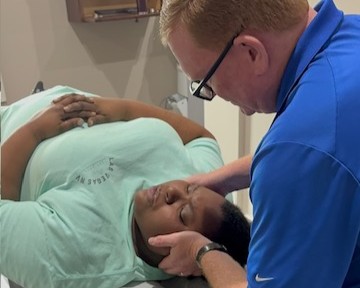

As a local chiropractor dedicated to the health and well-being of infants and toddlers, it's essential to share the importance of safe treatment methods. When caring for your little ones, understanding natural healing approaches can be incredibly beneficial. It's crucial to consider various factors, such as appropriate techniques for gentle adjustments and the value of consulting with healthcare professionals before introducing any new treatment.
Incorporating holistic approaches, such as chiropractic care, can complement traditional medical methods, providing a well-rounded approach to your child's health. However, I understand that the distinction between safety and care can sometimes feel unclear, leading you to wonder about the best options for your child. So, what are the most effective ways to ensure your little one receives the safest and most effective treatment possible?
By working together, we can explore gentle chiropractic techniques tailored specifically for infants and toddlers, focusing on their unique health needs and promoting overall wellness.
Understanding Infant Development
As a chiropractor, I believe that understanding infant development is crucial for caregivers, as it sets the stage for a child's overall well-being and growth. Recognizing the key milestones during the first year of life can help you support your baby's physical, cognitive, and emotional development in a holistic way.
In the early months, you'll notice your infant exhibiting reflexive movements, such as grasping and sucking. Around two months, they'll begin to smile socially and coo, which is a wonderful opportunity for bonding. Engaging with your baby during this time, through gentle touch and responsive interactions, not only builds trust but can also positively influence their spinal health and overall nervous system function.
As your baby approaches six months, they'll gain better control over their movements, like reaching for toys. This exploration phase is essential for both physical and cognitive development. Regular chiropractic check-ups can help ensure that their spine and nervous system are functioning optimally, supporting their ability to explore and learn.
By nine months, you may notice significant cognitive advancements as your child starts to understand object permanence, recognizing that objects still exist even when out of sight. This understanding is foundational for their cognitive growth. Encouraging playtime with age-appropriate toys is beneficial, and gentle chiropractic care can further enhance their learning and physical capabilities.
As they near their first birthday, many infants will start pulling themselves up to stand and may even take their first steps. This newfound mobility opens up an exciting world of exploration. Your active involvement during this stage, including providing a safe environment for them to move and grow, is vital.
Chiropractic care can support their physical development by ensuring that their musculoskeletal system is aligned and functioning well, which is crucial for both physical and emotional growth.
Common Health Concerns
As your baby grows and reaches those significant developmental milestones, it's crucial to be aware of common health concerns that can arise during infancy and toddlerhood, and how chiropractic care can play a supportive role.
One prevalent issue is respiratory infections. Colds and flu can occur frequently, particularly in daycare environments. Keeping an eye out for symptoms like coughing, sneezing, or fever is essential. Chiropractic adjustments may help improve your baby's immune function, so consider consulting with a pediatric chiropractor if you're concerned.
Another area of focus is gastrointestinal issues, such as diarrhea or constipation. These problems can stem from dietary changes or infections but may also be addressed through gentle chiropractic care. If your baby experiences diarrhea, ensuring they stay hydrated is vital. For constipation, a chiropractor can offer dietary recommendations and gentle techniques that promote healthy digestion.
Teething can be a challenging phase for both you and your little one. Discomfort, irritability, and disrupted sleep are common. While teething toys can provide some relief, chiropractic adjustments can also help relieve tension in the jaw and promote overall comfort.
It's important to monitor their gum health, as infections can arise, and chiropractic care can support their immune system during this time.
Allergies, particularly food allergies, are another concern for many parents. When introducing new foods, do so one at a time and observe for any adverse reactions. If you suspect an allergy, discussing it with your pediatrician is essential, and a chiropractor can also provide guidance on how to improve your child's overall health and well-being.
Lastly, watch for signs of developmental delays in your baby. If you notice they aren't meeting milestones or seem unusually lethargic, don't hesitate to reach out to a healthcare professional.
Chiropractic care can aid in enhancing your child's nervous system function, which is crucial for overall development. By staying informed and proactive about these common health concerns, you can help ensure a healthier, happier childhood for your little one, with the added benefits of chiropractic support.
Safe Medication Administration
As a local Chiropractor, I want to emphasize the importance of understanding how to care for your little ones, especially when it comes to their health and wellness.
Just like in chiropractic care, precision is crucial. When you're considering any form of treatment or supplementation for infants and toddlers, it's vital to ensure you're providing the right support to promote their health.
Always consult with a trusted healthcare professional to guarantee that any natural remedies or adjustments are safe and appropriate for your child's age and development.
Additionally, keeping an eye on any reactions or changes in their behavior can help you assess how they're responding to treatment.
By taking these careful steps, you can greatly contribute to your child's overall well-being and safety.
Correct Dosage Calculation
As a local chiropractor dedicated to promoting the health and well-being of your little ones, it's important to understand how to ensure their safety when it comes to health care, including the administration of any medications.
When dealing with infants and toddlers, accurate dosage calculations are vital, and you should always take into consideration the child's weight, age, and specific health needs.
While chiropractic care primarily focuses on natural healing methods, understanding medication dosage can still play a role in your child's overall health. Always refer to the dosage guidelines provided by your healthcare professional or the information on the medication packaging.
To help ensure safety, you can use a simple formula: Dosage = (Weight in kg × Dosage per kg). If you have the child's weight in pounds, you can convert it to kilograms by dividing by 2.2. For instance, if your child weighs 22 pounds, that would be approximately 10 kg (22 ÷ 2.2).
Now, if the recommended dosage is 5 mg per kg, you'd calculate that your child needs 50 mg (10 kg × 5 mg). It's essential to check the concentration of the medication as well to ensure you're measuring the correct amount.
If you ever find yourself uncertain about dosage calculations or the effects of medication, don't hesitate to reach out to your healthcare provider or me. Administering the incorrect amount can lead to serious health risks, and we're here to support you in providing safe and effective care.
Keep these guidelines in mind as part of your holistic approach to your child's health and well-being!
Safe Medication Storage
As a local chiropractor, I want to emphasize the importance of safe medication storage, especially for families with children. Keeping medications out of reach is crucial for your child's safety. Ideally, medications should be stored in a locked cabinet or on a high shelf, away from curious little hands. This simple measure can prevent accidental ingestion, which can pose serious health risks.
It's essential to store medications in their original containers, which are clearly labeled with the child's name, dosage instructions, and expiration dates. This practice not only helps you quickly identify each medication but also ensures that you administer the correct dosage. Transferring medications to unmarked containers can lead to confusion and increase the risk of errors.
Additionally, be mindful of where you store your medications. Avoid placing them in areas prone to moisture, heat, or direct sunlight. For example, while a bathroom cabinet may seem convenient, the humidity can compromise the effectiveness of many medicines. Instead, opt for a cool, dry place like a pantry or a dedicated storage area.
Regularly reviewing your medication supply for any expired items is also important. Dispose of any expired medications properly to ensure that you're only using safe and effective treatments.
Monitoring for Side Effects
As a local chiropractor, I want to emphasize the importance of monitoring your child's health after they receive any form of treatment, including chiropractic care. Just like with medications, children can respond differently to adjustments, and being observant can help you identify any unusual reactions early on.
Start by watching your child closely for any changes in their behavior or physical condition after an adjustment. Common signs to look out for might include increased irritability, fatigue, or any discomfort they may express.
It can be helpful to keep a journal of your child's chiropractic visits—note when they received care and any changes you observe afterward. If your child experiences more severe reactions, such as difficulty moving, excessive crying, or any signs of distress, don't hesitate to seek professional advice right away.
Always feel free to communicate with your chiropractor about any concerns you have regarding potential side effects or reactions to adjustments. We're here to guide you through the process and help you understand what's considered normal.
Remember, sometimes a child's response may indicate a need for adjustments in the treatment approach. Trust your instincts; if something feels off, it's important to reach out for support.
Your active involvement in monitoring your child's response to chiropractic care is crucial and can significantly enhance their overall health and well-being.
First Aid Basics
As a local chiropractor, it's crucial to understand the importance of first aid basics when it comes to caring for infants and toddlers.
Familiarizing yourself with common injuries that young children may experience, as well as the appropriate steps to take in an emergency, can be incredibly beneficial.
Additionally, having a well-stocked first aid kit is essential for any parent or caregiver.
Incorporating natural healing practices can also enhance your child's well-being.
Chiropractors often emphasize the body's innate ability to heal itself, and understanding first aid can complement these natural healing methods.
By being prepared and knowledgeable, you can make a significant difference in your child's safety and overall health.
Common Injuries Overview
As a local chiropractor, I want to take a moment to discuss the common injuries that can affect our little ones as they explore their environment. Infants and toddlers are naturally curious and can get into situations that lead to minor injuries. Scrapes and bruises are a typical occurrence when they stumble or fall during play. If your child experiences such an injury, it's essential to assess it, gently clean any wounds, and apply a bandage if necessary.
Burns are another concern, often resulting from contact with hot surfaces or liquids. To prevent these injuries, always keep hot items well out of reach. If a burn does happen, cool the affected area under running water and cover it with a clean, dry cloth.
Choking poses a significant risk, particularly with small toys or food items. Always supervise your child during mealtime and ensure that toys are suitable for their age to mitigate this risk.
In addition to acute injuries, infections like ear infections or stomach bugs can occur. Look out for signs such as fever or unusual fussiness, and if these symptoms persist, don't hesitate to consult a healthcare professional.
Lastly, falls from furniture or stairs can lead to serious injuries. To keep your child safe, use safety gates and ensure that play areas are free from hazards.
Understanding these common injuries is crucial for any parent. As a chiropractor, I also focus on the importance of natural healing methods, which can help support your child's recovery from these injuries.
Emergency Response Steps
As a local chiropractor, I want to emphasize the importance of being prepared to respond to injuries, particularly in children, as it can greatly impact their overall safety and well-being.
In the event of an accident, the first step is to remain calm so you can assess the situation clearly. Check your child's responsiveness; if they're unconscious or unresponsive, it's crucial to call for emergency help right away.
Ensure the scene is safe before taking any further action. If there's a potential for additional harm, only move your child if absolutely necessary. For any bleeding, apply gentle pressure with a clean cloth or bandage. If the bleeding persists for more than a few minutes, it's important to seek medical assistance.
In cases of choking, encourage your child to cough if they're able to do so. If they cannot, you may need to perform back blows or abdominal thrusts, depending on their age and size.
For burns, it's beneficial to cool the burned area with running water for at least 10 minutes and then cover it loosely with a clean cloth.
If your child experiences a seizure, it's essential to clear the area around them and place them gently on their side to help maintain an open airway. Never put anything in their mouth during a seizure.
After any significant injury, I recommend following up with a healthcare professional, such as your pediatrician or a chiropractor, to discuss any potential long-term impacts and explore natural healing options.
Being prepared and informed can make a significant difference in how you respond during emergencies, and as a chiropractor, I'm here to support your family's health and healing journey.
First Aid Kit Essentials
As a local chiropractor, I believe it's essential for families, especially those with infants and toddlers, to be prepared for any minor emergencies that may arise. While my focus is primarily on promoting natural healing and wellness through chiropractic care, having a well-stocked first aid kit is a valuable complement to maintaining your family's health.
Start by ensuring you have a variety of adhesive bandages to address minor cuts and scrapes. It's important to also include sterile gauze pads and adhesive tape for managing larger wounds. To clean any injuries and reduce the risk of infection, antiseptic wipes or a suitable solution should be included in your kit.
Additionally, a digital thermometer is crucial for monitoring your child's temperature during illness, allowing you to assess when it's necessary to seek further care. Tweezers can be helpful for removing splinters or debris, while a good pair of scissors can assist in cutting tape or gauze.
An instant cold pack is also beneficial, as it can help alleviate swelling from bumps or bruises, promoting quicker recovery. While I recommend focusing on natural methods of healing, having a small supply of over-the-counter medications like infant acetaminophen or ibuprofen can be prudent; always consult with your pediatrician about appropriate dosages.
Lastly, don't forget to keep emergency contact numbers and a first aid manual in your kit. Regularly checking your supplies ensures everything is in good condition and that expired items are replaced.
Nutrition for Young Children
As a local chiropractor, I want to emphasize the crucial role that proper nutrition plays in the overall health and development of young children. Just as spinal alignment is vital for physical well-being, a balanced diet is essential for ensuring that your little ones thrive both physically and cognitively. Good nutrition supports strong bones, healthy organs, and a robust immune system, all of which are foundational to a child's development.
To facilitate optimal health, it's important to provide a variety of foods from different food groups. Here are three key components to consider when planning your child's meals:
- Fruits and Vegetables: Choose colorful options as they're loaded with vitamins, minerals, and antioxidants. Fresh, frozen, or canned varieties (without added sugars or salts) are all excellent choices that can nourish your child effectively.
- Whole Grains: Incorporate whole grains such as brown rice, whole wheat bread, and oats into their diet. These foods are rich in fiber, which is important for digestion and helps keep your child feeling satisfied longer.
- Protein Sources: Include lean meats, fish, eggs, beans, and nuts in their meals. These proteins are crucial for growth and play a significant role in building strong muscles.
Being mindful of portion sizes is also essential, as young children have smaller stomachs. Serving them smaller amounts can make mealtime more manageable and enjoyable.
Encourage healthy eating habits by creating a positive eating environment. Sit together as a family and model good eating behaviors.
By prioritizing nutrition, you aren't just nourishing your child's body; you're setting the stage for strong physical health and well-being.
Creating a Safe Environment
Creating a safe environment for your infant or toddler is just as crucial as ensuring they receive proper nutrition. As a local chiropractor, I want to emphasize that safety should always be your top priority, especially since young children are naturally curious and eager to explore their surroundings. One of the foundational aspects of a healthy lifestyle begins at home, and creating a safe space can contribute to your child's overall well-being.
Start by baby-proofing your home. Just as we take care to maintain proper alignment and posture in our bodies, securing heavy furniture to the wall can prevent accidents and injuries from tipping. Using corner guards on sharp edges is another simple step to minimize risks, much like how we support our bodies by avoiding strain.
Next, it's essential to keep hazardous materials out of reach. Store cleaning supplies, medications, and small objects in high cabinets or locked drawers. Just as we recommend keeping harmful substances away from your body, ensure that safety latches are in place on cabinets and that electrical outlets are covered. The goal is to create a space where your child can move freely without encountering potential dangers.
Consider the layout of your home thoughtfully. Designate a safe play area where your child can crawl, walk, and play, similar to how we might create a comfortable environment for healing. Ensure that this space is free of choking hazards and that the toys available are appropriate for their age. Regularly inspect toys for wear and tear, since damaged toys can represent risks, just as poor posture can lead to physical issues.
When it comes to outdoor spaces, supervision is key. Install safety gates around stairs and ensure that any play equipment complies with safety standards, much like how we adhere to guidelines for maintaining proper spinal health. Always keep a watchful eye when your child is near water or busy roads, as these are areas that require extra attention.
Lastly, stay informed about recalls on toys and equipment to ensure your child's safety. By taking these precautions, you're establishing a secure environment that allows your child to explore and learn safely.
Effective Soothing Techniques
As a local chiropractor, I understand that many parents may not be familiar with the benefits of chiropractic care and natural healing techniques when it comes to soothing a fussy child.
Effective soothing methods can significantly enhance your little one's comfort and well-being. Gentle rocking motions, calming sounds, and even warm compresses can promote relaxation and a sense of security.
Additionally, chiropractic adjustments can help align the spine and nervous system, which may alleviate discomfort that contributes to fussiness.
Let's delve into these techniques and discuss how chiropractic care can support your child's overall health and happiness. Together, we can find the best approach for your family.
Gentle Rocking Motions
Gentle rocking motions can be remarkably beneficial for soothing infants and toddlers, as they replicate the comforting rhythms experienced in the womb. As a chiropractor, I often emphasize the importance of natural healing methods, and rocking your little one not only provides physical comfort but also fosters a sense of security that can be crucial in calming their nerves.
Here are a few techniques to consider:
- Cradle Rocking: By holding your baby against your chest and gently swaying back and forth, you promote bonding and reassurance. This close contact can enhance their overall well-being and emotional stability.
- Side-to-Side Motion: While seated, gently shift your baby from side to side. This motion can help them feel more relaxed, alleviating any tension they may have.
- Incorporate a Rocker: If you have a rocking chair, use it to create a gentle, rhythmic motion that's soothing for both you and your child. This can also help promote a calm atmosphere, beneficial for their development.
It's essential to pay attention to your baby's cues during these motions. If they seem to enjoy a particular technique, continue with it. Conversely, if they remain fussy, consider adjusting your speed or angle.
With practice, you'll discover the rocking technique that best suits your child, helping them transition into restful sleep more peacefully. As a chiropractor, I encourage parents to explore these natural methods of comfort and care, which can significantly contribute to their child's physical and emotional health.
Calming Sounds and Music
As a local chiropractor, I understand the importance of a soothing environment for both infants and toddlers, especially when it comes to their overall well-being. Just like the gentle rhythms they experienced in the womb, calming sounds and music can help create a nurturing atmosphere that supports their development.
Soft melodies or nature-inspired sounds can significantly ease fussy moods and promote relaxation in young children. For instance, using white noise machines or apps that simulate sounds like gentle rainfall or ocean waves can effectively mask sudden noises that might startle your little one. This approach not only comforts them but can also enhance their sense of security.
Additionally, lullabies have a remarkable way of calming infants and toddlers. The repetitive melodies and soothing lyrics can gently lull them to sleep. However, you don't have to limit yourself to traditional lullabies; feel free to sing your own favorite songs or hum softly, as your voice can be incredibly comforting.
It's essential to experiment with various types of sounds to discover what resonates best with your child. You might find that certain tunes bring immediate calm, while others may not have the same effect. Always remember to keep the volume low to ensure a pleasant listening experience rather than an overwhelming one.
Warm Compress Techniques
As a local chiropractor, I want to share with you the benefits of using warm compress techniques to help soothe your little ones during times of discomfort. This natural method can be quite effective in relieving tension and alleviating symptoms such as gas, earaches, or teething pain.
Here's a simple guide on how to do it safely and effectively:
- Select appropriate materials: Opt for a clean, soft cloth or a commercially available warm pack specifically designed for children. This ensures both comfort and safety.
- Ensure the right temperature: Always check the warmth of the compress before applying it to your child. A good practice is to test it on your wrist to confirm it's warm but not too hot.
- Gentle application: Place the warm compress against the affected area—such as the tummy for gas or the cheek for teething pain—for about 10-15 minutes. This can provide immediate relief and comfort.
Using warm compresses not only helps to alleviate discomfort but can also create a soothing environment, making your child feel more relaxed.
It's crucial to supervise your child throughout the process and never leave the compress on for an extended period. If you notice any signs of discomfort or if the symptoms persist, I encourage you to consult with a healthcare professional for further guidance.
Remember, these natural techniques are designed to enhance your child's comfort. Be attentive to their reactions and adjust the method as needed.
As a chiropractor, I advocate for holistic approaches to health, and incorporating simple practices like warm compresses can complement your child's overall well-being.
Recognizing Signs of Illness
As a chiropractor, I want to emphasize the importance of being attentive to your child's health, especially during their formative years. Infants and toddlers often can't articulate how they're feeling, so it's crucial to observe for any signs that may indicate an underlying issue. Changes in behavior—like increased irritability, fussiness, or lethargy—can be your first clues that something mightn't be right.
Regularly monitoring your child's temperature is a key step in this process. A fever, particularly one that exceeds 100.4°F (38°C), could suggest an infection or other health concern. Additionally, pay close attention to any unusual physical symptoms such as rashes, persistent coughing, or difficulty breathing, as these can signal various issues that may require further evaluation.
Another important aspect to consider is your child's appetite and hydration. A significant drop in their desire to eat or drink can be concerning and shouldn't be overlooked. It's also vital to observe their sleeping patterns—if your little one struggles to fall asleep or wakes frequently during the night, it could indicate discomfort or health issues.
Don't forget to keep an eye on their bowel movements and urination as well. Signs like diarrhea or a marked decrease in wet diapers can be indicators of a health problem that needs attention.
Trusting your instincts is equally important. If you have a gut feeling that something is off, it's wise to consult with a healthcare professional, such as a pediatrician or chiropractor. Early intervention can lead to better health outcomes, and as a chiropractor, I can help assess your child's spinal health and overall wellness, which plays a significant role in their development.
Importance of Routine
As a local chiropractor, I want to emphasize the significant role that establishing a routine plays not just for infants and toddlers, but for individuals of all ages, including adults. A consistent daily schedule can provide a sense of security and predictability, which is essential for overall well-being.
When you create a structured routine, you set the stage for a healthier lifestyle, reducing stress and anxiety, and fostering a feeling of stability. From a chiropractic perspective, a routine can greatly enhance both cognitive and emotional development.
Just as children thrive on predictable patterns, adults also benefit from engaging in regular activities that promote health and wellness. Here are a few key benefits of maintaining a routine that I often share with my patients:
- Promotes better sleep: Establishing a consistent bedtime routine can signal your body that it's time to wind down. This helps improve sleep quality, which is crucial for recovery and overall health, especially if you're receiving chiropractic care to address pain or discomfort.
- Encourages independence: A well-structured routine helps individuals anticipate what comes next, empowering them to take charge of their health. Whether it's incorporating daily stretches or setting aside time for exercise, having a plan can motivate you to stay active and engaged in your wellness journey.
- Supports emotional regulation: Knowing what to expect throughout your day can significantly reduce the likelihood of stress-related issues. This emotional stability can enhance your body's ability to heal and recover, complementing the benefits of chiropractic adjustments.
Incorporating a routine into your daily life can also make transitions smoother, whether it's moving from work to relaxation or preparing for sleep.
As you work with your chiropractor, remember that consistency is key. The positive effects of a structured routine not only benefit your physical health but also enhance your overall quality of life. Embrace the power of routine, and you'll find it supports both your chiropractic journey and your overall well-being.
Seeking Professional Help
As a local chiropractor, I want to emphasize the importance of seeking professional help for your child's development and overall well-being. If you notice any concerning behaviors or delays in your infant or toddler, don't hesitate to reach out to a healthcare professional, including a chiropractor who specializes in pediatric care. Early intervention can significantly impact your child's physical development and help them achieve their full potential.
You may be wondering when it's the right time to seek help. Signs to look out for include persistent fussiness, difficulty with feeding, limited social interaction, or a lack of interest in play. Trust your instincts—if something doesn't seem right, it's important to discuss it with a professional. A chiropractor can provide insights into how spinal health and nervous system function play a role in your child's development.
In addition to developmental concerns, addressing emotional or behavioral issues can also be beneficial. Chiropractic care can help alleviate physical discomfort that may contribute to tantrums or anxiety, allowing your child to navigate challenging situations more easily. Remember, seeking help is a sign of strength and an important step toward your child's health.
When you consult with us, please come prepared with specific observations about your child's behavior and development. This information will help us assess your child's needs more effectively. Following any recommendations or referrals we provide is essential for ensuring consistent support.
Lastly, don't underestimate the power of a supportive network. Connecting with other parents can offer valuable insights and shared experiences, making the journey smoother for you and your child. By considering chiropractic care as part of your child's wellness plan, you're taking a proactive step toward their happiness and health.
Conclusion
As a local chiropractor, I want to emphasize the importance of a holistic approach when caring for infants and toddlers. This involves prioritizing their safety, well-being, and natural development. Always consult with healthcare professionals before administering any treatments or medications, and be mindful of the appropriate dosages for their age and size.
It's crucial to recognize the signs of discomfort or illness in your little ones and to establish a routine that nurtures their growth. Incorporating gentle, natural soothing techniques can greatly benefit their overall health. Chiropractic care, for example, can support their development by promoting proper alignment and function of the nervous system.
By staying informed about natural healing methods and being vigilant in your care, you can create a nurturing environment that fosters both health and happiness for your children. Remember, the goal is to support their natural ability to thrive and grow in a safe, healthy way.