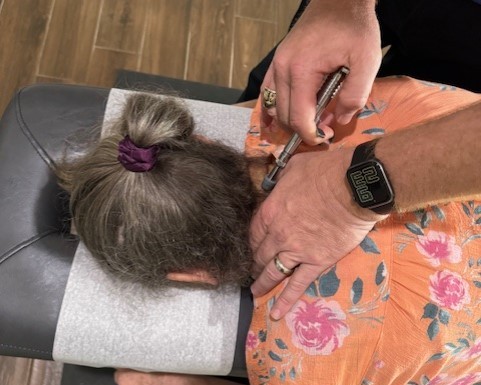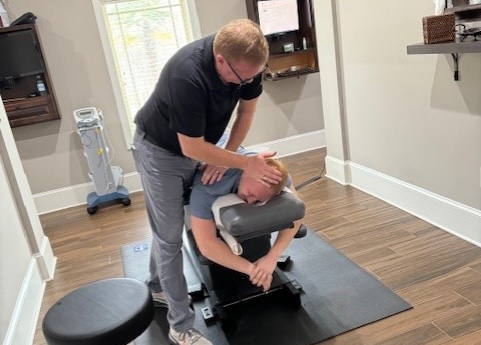

As a local chiropractor, I want to emphasize the importance of ensuring the safety and well-being of your infants and toddlers through natural healing methods. It's crucial to consult with a pediatrician before administering any treatments, as the needs of young children can vary significantly. When considering chiropractic care for your little ones, using gentle techniques is key. Tools like specialized pediatric adjusting instruments can help ensure safety and accuracy during treatment.
Creating a calm and soothing environment is also vital when introducing your child to chiropractic care. This approach not only eases the process but also helps prevent any distress. Additionally, it's important to be prepared for unexpected situations. Understanding how to respond to emergencies and knowing when to seek professional help can greatly enhance your child's overall health and comfort. By prioritizing safe and natural treatment methods, you can support your child's development in a holistic way.
Understanding Infant Anatomy
As a local chiropractor, I want to emphasize the importance of understanding infant anatomy, especially as it relates to providing effective care through natural healing methods. Infants possess distinct physical characteristics that set them apart from older children and adults, and recognizing these differences is crucial for promoting their health.
For example, an infant's skull is softer and more flexible, which is essential for their growth during early development. This flexibility allows for the brain to expand, but it also requires gentle handling to prevent any potential injury. As caregivers, it's vital to support their heads properly during movements and adjustments.
When we consider the respiratory system, infants primarily breathe through their noses, and their airways are narrower than those of older kids. This anatomical feature makes them more prone to blockages, so monitoring their breathing patterns is essential. If you notice any irregularities, it's important to seek assistance promptly.
Additionally, an infant's heart rate is generally faster than that of older children, making it important for caregivers to familiarize themselves with normal ranges. This knowledge enables you to detect any abnormalities early on, ensuring that your infant receives the best care possible.
From a chiropractic perspective, understanding an infant's developing digestive system is also important. Infants depend on breast milk or formula for nourishment, and introducing solid foods too soon may lead to digestive issues. By recognizing their nutritional needs, you can support their growth with appropriate feeding practices.
Finally, keep in mind that infants have limited mobility as their muscles and coordination are still developing. Providing a safe environment for them to explore is essential to prevent injuries.
As a chiropractor, I encourage you to appreciate these anatomical differences, as doing so will empower you to care for infants more effectively and foster their healthy growth and development through natural healing methods.
Common Illnesses in Young Children
As a local chiropractor, I'd like to share some insights into common illnesses that young children often encounter.
It's important for parents and caregivers to recognize the symptoms early, as this can lead to more effective natural healing and support for your child's well-being.
Here are three prevalent conditions to watch for:
1. Colds: Colds are frequent in young children due to their developing immune systems. Symptoms typically include a runny nose, cough, and occasionally a mild fever.
While most colds are viral and tend to resolve on their own, it's essential to monitor for any complications. Chiropractic care can help by enhancing your child's immune function and promoting overall wellness.
2. Ear Infections: These often develop after a cold and can cause considerable discomfort. Signs to look for include your child tugging at their ears, increased irritability, and difficulty sleeping.
If you suspect an ear infection, consulting a healthcare professional is advisable. Chiropractic adjustments can sometimes improve ear drainage and alleviate discomfort, providing a natural approach to support healing.
3. Gastroenteritis: Known as the stomach flu, gastroenteritis can lead to symptoms like vomiting and diarrhea. Keeping your child well-hydrated during this time is crucial.
If symptoms persist for more than a couple of days, seeking medical advice is important. Chiropractic care can also play a role in restoring digestive health and helping your child feel better more quickly.
By recognizing these common illnesses and their symptoms, you can take proactive steps toward natural healing.
While many conditions can be managed at home, knowing when to seek professional help is vital for your child's safety and health.
As a chiropractor, I'm here to support your family's journey to wellness with gentle, effective care that promotes natural healing.
Trust your instincts, and don't hesitate to reach out if something doesn't seem right!
Safe Medication Administration
As a local chiropractor, I often encounter parents who are navigating the complexities of their children's health, particularly when it comes to administering medications for common illnesses. It's essential to prioritize safety, especially for infants and toddlers. Before considering any medication, whether over-the-counter or prescribed, I encourage parents to consult with a pediatrician to ensure that the treatment aligns with their child's age, weight, and overall health condition.
When it comes to medications, reading labels carefully is crucial. This includes understanding the correct dosage, frequency, and any specific instructions that accompany the medication. I advise against using household spoons for measuring, as they can lead to inaccurate dosing. Instead, opt for a syringe or a dosing cup designed for this purpose to ensure precision.
When administering liquid medications, make sure your child is in a comfortable position, either cradled in your arms or sitting upright. This helps to prevent choking. If your child is hesitant to take the medication, consider mixing it with a small amount of food or drink, but always confirm with your pediatrician that this won't compromise the medication's effectiveness.
As a chiropractor, I also want to emphasize the importance of being aware of potential side effects and interactions, especially if your child is on multiple medications. Keeping a detailed record of all medications, including the time and dosage, can be invaluable during doctor visits.
Finally, it's crucial to store all medications securely, out of reach of children, to prevent any accidental ingestion. By following these guidelines, you can contribute to a safe and effective medication administration process for your little ones.
Additionally, I encourage exploring natural healing methods and chiropractic care as alternatives or complements to medication, as they can support your child's overall wellness and recovery.
Effective Pain Relief Strategies
As a local chiropractor dedicated to holistic health and wellness, I understand that pain relief is a primary concern for parents when their little ones are experiencing discomfort from various issues like fevers, teething, or minor injuries.
It's essential to explore effective and natural strategies to help alleviate their pain. Here are some approaches I recommend:
1. Comfort Measures: Simple yet profound actions can significantly ease your child's discomfort. Holding your baby close, gently rocking them, or applying a warm compress can provide soothing relief.
Your presence is comforting and helps create a safe environment, which is crucial for their emotional well-being.
2. Gentle Chiropractic Care: Chiropractic adjustments can be beneficial for infants and toddlers experiencing discomfort. These gentle techniques can help realign the spine, improve overall body function, and alleviate pain associated with teething or minor injuries.
Always consult with a qualified chiropractor who specializes in pediatric care to ensure that the treatments are appropriate for your child.
3. Natural Pain Relief Options: Beyond topical treatments, consider exploring natural remedies like herbal solutions or homeopathic options, which can provide relief without the side effects associated with over-the-counter medications.
However, it's important to discuss these options with a healthcare provider familiar with your child's health history before trying something new.
4. Holistic Approaches: Incorporating lifestyle changes such as proper nutrition, hydration, and adequate sleep can support your child's overall health and enhance their body's natural ability to heal.
Regular check-ups with a chiropractor can also help maintain their well-being and prevent future discomfort.
By utilizing these strategies, you can provide your little one with effective pain relief while embracing a natural approach to their health.
Always consult with healthcare professionals to ensure the best care for your child.
First Aid Essentials for Caregivers
As a local chiropractor, I want to emphasize the importance of being prepared for emergencies, especially when caring for infants and toddlers. Accidents can occur in the blink of an eye, which is why having a well-stocked first aid kit is essential. Ensure your kit includes items like adhesive bandages, sterile gauze, antiseptic wipes, and a digital thermometer. These basic supplies will enable you to address minor injuries and discomfort effectively.
In addition to having the right tools on hand, it's vital to familiarize yourself with common first aid procedures. Learning how to perform CPR on young children can be lifesaving, and I encourage you to take a certified course to master these important techniques. Keeping a reference guide nearby can also be incredibly helpful for quick reviews.
It's essential to be able to recognize signs of distress, such as difficulty breathing or severe allergic reactions, so you can act swiftly. When treating cuts or scrapes, gently clean the area with soap and water, apply an antiseptic, and cover it with a bandage. For burns, run cool water over the affected area and cover it with a clean, non-stick dressing. If you're ever uncertain about the severity of an injury, don't hesitate to consult a healthcare professional.
During emergencies, maintaining a calm demeanor is crucial. Your composure can significantly impact how a child reacts to a situation. Keep emergency numbers easily accessible, and ensure that everyone involved in the child's care knows where to find them.
Nutrition and Hydration Guidelines
As a local chiropractor, I want to emphasize the importance of nutrition and hydration in the overall health and development of infants and toddlers.
These early years are crucial for growth, and providing essential nutrients through age-appropriate meal plans is key. Just like proper spinal alignment supports a healthy body, a well-balanced diet nourishes it from the inside out.
Additionally, ensuring that your little ones stay well-hydrated is equally vital for their overall well-being. By understanding the connections between nutrition, hydration, and natural healing, we can foster a healthier future for our children.
Essential Nutrient Sources
As a local chiropractor dedicated to promoting overall health and wellness, I want to emphasize the importance of providing your infant or toddler with essential nutrient sources. Just as we focus on spinal health and the alignment of the body, ensuring your child receives the right balance of nutrients is vital for their growth and development.
These foundational habits contribute to their overall well-being and set them on a path toward a healthy lifestyle. Here are three key sources of essential nutrients to incorporate into their diet:
- Fruits and Vegetables: Fresh fruits and vegetables are packed with essential vitamins and minerals. Aim for a colorful variety to ensure a broad spectrum of nutrients, similar to how we encourage diverse forms of movement to support spinal health. Favorites like bananas, avocados, and sweet potatoes aren't only nutritious but often appealing to toddlers.
- Whole Grains: Including whole grains such as oatmeal, brown rice, and whole wheat bread in their meals provides necessary fiber and energy. Just as we focus on maintaining a healthy spine for optimal function, these foods support digestive health and help keep your little ones feeling satisfied and energized throughout the day.
- Proteins: Protein sources like lean meats, fish, eggs, and legumes are crucial for your child's growth and muscle development. Much like how we aim to strengthen the body through chiropractic care, these proteins also support immune function, making them essential for your child's health and resilience.
Hydration Importance
As a local chiropractor, I want to emphasize the critical role hydration plays in the overall health and development of your little ones. Proper hydration is vital not only for maintaining a stable body temperature but also for supporting digestion and aiding in nutrient absorption.
Infants and toddlers have a higher percentage of water in their bodies compared to adults, making them more susceptible to dehydration. It's essential to encourage your child to drink fluids throughout the day, particularly during warmer weather or when they're active.
For infants, breast milk or formula serves as their primary source of hydration. As your child transitions to solid foods, water becomes an excellent option for toddlers. I recommend promoting water consumption regularly, rather than allowing them to rely on sugary juices or sodas, which can lead to dental issues and create unhealthy habits.
Keep an eye out for signs of dehydration, such as a dry mouth, fewer wet diapers, or unusual lethargy. If you notice any of these symptoms, it's crucial to offer fluids right away.
Integrating hydration into your daily routine will help your child develop healthy drinking habits from an early age. By prioritizing hydration, you're laying a strong foundation for your child's well-being, which aligns perfectly with the principles of natural healing and holistic health that we promote in chiropractic care.
Let's work together to ensure your child thrives!
Age-appropriate Meal Plans
As a chiropractor, I understand the importance of proper nutrition in supporting overall health, particularly for children as they grow and develop.
Just like we emphasize the significance of spinal health for physical and cognitive function, nutrition plays a vital role in ensuring that your little ones get the essential vitamins and minerals they need. When considering their meal plans, it's important to take into account their age, activity level, and specific dietary needs.
Here are three key components to focus on when planning age-appropriate meals for your children:
- Variety of Foods: Encourage a diverse range of foods including fruits, vegetables, whole grains, and proteins. This not only helps in exposing your child to various flavors and textures but also supports their overall health—similar to how a balanced spine promotes a healthy body.
- Balanced Portions: It's crucial to provide portion sizes that are suitable for your child's age and developmental stage. For younger children, smaller, more frequent meals are often the best approach. Pay attention to their hunger cues, as they can guide you in determining appropriate serving sizes, much like how we assess alignment and balance in the body.
- Healthy Snacks: Don't overlook the importance of nutritious snacks throughout the day. Options like yogurt, cheese, or sliced fruits can help maintain energy levels and keep your children satisfied between meals, much like how regular chiropractic adjustments can help sustain optimal health and function.
Maintaining a Safe Environment
As a local chiropractor, I understand that ensuring a safe environment for infants and toddlers is crucial not only for their physical safety but also for their overall well-being and development. A safe space can contribute positively to their growth, and I'd like to share some tips on how to create an environment that promotes safety and supports natural healing.
First and foremost, childproofing your home is a vital step. Consider installing safety gates at stairs to prevent falls, securing heavy furniture to the wall to avoid tipping, and covering electrical outlets with safety plugs. These precautions can reduce the risk of injuries that may lead to musculoskeletal issues or discomfort later on.
It's also important to keep small objects, choking hazards, and toxic substances well out of reach. Store medications, cleaning supplies, and sharp objects in cabinets equipped with childproof locks. Regularly check the floor for small toys or items that could pose a choking risk, as even minor accidents can lead to misalignments in the spine or other bodily stress.
When setting up a safe play area for your little ones, use soft mats or carpets to cushion falls. This not only provides a safe landing but also promotes a comfortable environment where they can develop their motor skills without the fear of injury.
As for furniture, opt for items with rounded edges and stable bases. Ensure that toys are age-appropriate, non-toxic, and free from small parts. Regularly inspect toys for wear and tear, as damaged items can pose risks that might affect a child's physical health.
Don't overlook outdoor safety! Always supervise infants and toddlers when they're outside, and ensure that play equipment is safe and suitable for their age group. Clear the yard of any sharp objects and confirm that fences are secure to prevent them from wandering off.
By taking these simple yet effective steps, you can create a nurturing environment that not only protects your child but also supports their natural development and well-being.
If you have any questions about how spinal health and safety can contribute to your child's overall health, feel free to reach out!
Age-Appropriate Communication Techniques
When considering chiropractic care for your little ones, it's important to understand how age-appropriate communication techniques can enhance their experience.
As a chiropractor, I recommend using both verbal and non-verbal cues to help infants and toddlers feel comfortable during their visits. Engaging in gentle, interactive play while discussing their care can't only improve their understanding but also strengthen the bond between us.
This approach fosters a welcoming environment, allowing your child to feel safe and understood as we focus on their natural healing and overall well-being.
Verbal and Non-Verbal Cues
Understanding verbal and non-verbal cues is crucial for effective communication, not just with infants and toddlers, but also in our practice of chiropractic care.
Just like young children may struggle to express their needs verbally, many patients may find it challenging to articulate their discomfort or health concerns. Recognizing these cues can enhance our ability to respond to your body's needs and promote natural healing.
Here are three key cues to observe in your own body:
- Posture: Pay attention to how you hold your body. An upright posture can indicate confidence and well-being, while slouching or hunching may suggest discomfort or stress.
- Movement: Notice how you move throughout the day. If you find yourself favoring one side or avoiding certain motions, it may be a signal that something isn't quite right and could benefit from chiropractic care.
- Vocalizations: The sounds you make when expressing discomfort, such as groans or sighs, can provide insight into your physical state. These vocalizations may indicate areas where your body is experiencing tension or pain, signaling the need for relief.
Interactive Play and Engagement
Interactive play isn't only vital for your child's development, but it also parallels many principles we embrace in chiropractic care. Just as engaging in play fosters communication and connection with infants and toddlers, chiropractic adjustments aim to restore balance and promote a healthy connection between the body and mind.
When you engage with your little ones through activities like peek-a-boo or pat-a-cake, you're teaching them about their environment and how their actions lead to reactions — a foundational concept in both play and chiropractic philosophy. Just like those playful interactions, chiropractic care focuses on understanding the cause and effect of bodily movements and misalignments.
Selecting age-appropriate toys is similar to choosing the right methods in chiropractic care. Just as colorful blocks and rattles stimulate curiosity and exploration, chiropractic adjustments can help stimulate the nervous system, encouraging optimal development and growth.
While you play, narrate the experience to your child — describing colors, shapes, and sounds — which parallels how we explain the benefits of chiropractic adjustments to enhance understanding and communication.
As a chiropractor, I emphasize the importance of being fully present in your child's playtime. Get down to their level, make eye contact, and respond to their cues. This mirrors how we engage with our patients, ensuring they feel seen and heard.
By mirroring their excitement and encouraging their natural movements, you not only build trust but also support their social and emotional development, much like how chiropractic care nurtures a healthy body-mind connection.
When to Seek Professional Help
As a local chiropractor, I understand that knowing when to seek professional help for your infant or toddler can be daunting, especially if you're new to the world of chiropractic care and natural healing.
However, ensuring your child's well-being is of utmost importance, and recognizing the signs that may indicate they need expert attention is crucial. Every child is unique, but there are common scenarios where a visit to a healthcare provider, including a chiropractor, could be beneficial.
Here are three key indicators to consider:
1. Persistent Symptoms: If your child is experiencing symptoms like fever, diarrhea, or vomiting that persist for more than 24 hours, it's important to consult a pediatrician.
While chiropractic care can support overall wellness, acute symptoms may require immediate medical attention to prevent complications such as dehydration.
2. Developmental Concerns: If you notice that your child isn't reaching developmental milestones—like crawling or speaking—by the expected age, it's worth discussing with a healthcare professional.
Chiropractic care can support proper alignment and nervous system function, which may enhance your child's developmental progress. Early intervention, including chiropractic support, can make a significant difference.
3. Behavioral Changes: Sudden shifts in your child's behavior, such as extreme irritability, excessive crying, or withdrawal from social activities, can be a sign of underlying issues that may benefit from a holistic approach.
A chiropractor can evaluate your child's spine and nervous system, helping to identify potential areas that may be contributing to their discomfort or behavioral changes.
Remember, seeking help is a proactive step towards ensuring your child's health and happiness.
As a chiropractor, I'm here to provide support and guidance on your journey towards natural healing and wellness for your little ones.
Conclusion
As a local chiropractor, I want to emphasize the importance of prioritizing safety and well-being when caring for infants and toddlers. Understanding their unique needs is crucial, and incorporating safe, natural treatment methods can effectively support their health and development.
Before considering any treatments, it's essential to consult with a pediatrician, especially regarding medications. When it comes to chiropractic care, I recommend using gentle, safe techniques specifically designed for young children. These methods can promote proper alignment and overall wellness without the use of invasive procedures.
It's also important to maintain a safe home environment and be aware of when to seek professional help. Regular check-ups can help ensure that your child's physical and emotional well-being are on the right track. By taking a proactive approach and considering natural healing options, you can make a positive difference in your child's health journey!