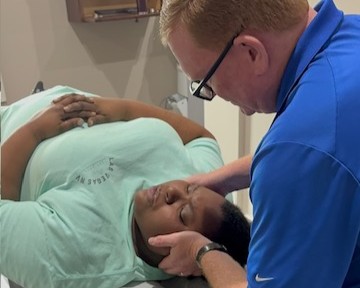

When you think about managing chronic pain, it's easy to focus solely on treatment after it strikes. However, incorporating preventative care into your routine can greatly alter your experience. By making proactive lifestyle changes and prioritizing early interventions, you can tackle potential pain issues before they escalate. This approach not only addresses the physical aspects but also enhances your emotional well-being. As you consider these strategies, you might wonder what specific steps you can take to create a more sustainable pain management plan.
Understanding Chronic Pain
Chronic pain isn't just a symptom; it's a complex condition that can affect every aspect of your life. You might find that it influences your physical abilities, emotional well-being, and even your social interactions. Understanding chronic pain requires you to recognize that it often persists long after the initial injury has healed. It's not merely a signal indicating harm; it can become a standalone condition that alters how your brain processes pain.
As you're maneuvering through life with chronic pain, it's vital to acknowledge how it can lead to a cycle of discomfort and distress. You may experience heightened sensitivity to pain, known as central sensitization, making you feel pain more intensely. This can leave you feeling frustrated and isolated, as you struggle to engage in activities you once enjoyed.
Moreover, chronic pain often coexists with other conditions like anxiety and depression, compounding the challenges you face. You might find that your mood and energy levels fluctuate, further complicating your ability to cope.
It's important to educate yourself about the various factors that contribute to your pain, including lifestyle choices, emotional stressors, and physical limitations. By understanding these elements, you can take proactive steps toward managing your condition effectively.
In doing so, you'll empower yourself to improve your quality of life, allowing you to reclaim some of the joy and fulfillment that chronic pain may have diminished.
Importance of Preventative Care
Preventative care plays an essential role in managing chronic pain effectively.
By focusing on early intervention, making lifestyle modifications, and keeping up with regular health screenings, you can greatly improve your quality of life.
Taking these proactive steps helps you stay ahead of potential issues and maintain better overall health.
Early Intervention Benefits
Many individuals underestimate the importance of early intervention in managing pain. Taking action at the first signs of discomfort can greatly alter your pain management journey.
By addressing issues before they escalate, you can experience numerous benefits that enhance your overall quality of life.
Consider how early intervention can help you:
- Reduce pain severity: Catching problems early can prevent them from becoming chronic.
- Improve mobility: Timely treatment keeps you active and prevents stiffness.
- Enhance emotional well-being: Less pain means less stress and anxiety related to your condition.
- Lower healthcare costs: Early action can reduce the need for more intensive treatments later on.
- Boost overall health: Addressing pain early allows you to focus on your physical and mental wellness.
#
Lifestyle Modifications
Impact
Making lifestyle modifications can greatly impact your pain management strategy and overall health. By making small, consistent changes, you can improve your quality of life considerably.
Start by focusing on your diet; incorporating anti-inflammatory foods like fruits, vegetables, and whole grains can reduce pain levels. Staying hydrated is essential, too—adequate water intake supports your body's functions and can help alleviate discomfort.
Regular physical activity is another key component. Engaging in low-impact exercises, such as walking, swimming, or yoga, can strengthen muscles and improve flexibility. These activities help release endorphins, natural pain relievers that boost your mood and enhance your well-being.
Additionally, prioritizing sleep and managing stress are vital. Aim for a consistent sleep schedule and create a calming bedtime routine. Mindfulness practices, such as meditation or deep-breathing exercises, can also help you cope with daily stressors, which may otherwise exacerbate your pain.
Lastly, consider your social environment. Surrounding yourself with supportive friends and family can provide emotional comfort and encouragement.
Regular Health Screenings
Regular health screenings play an essential role in maintaining your overall well-being and catching potential issues early. By staying proactive, you can identify health concerns before they escalate, ultimately helping you manage chronic pain more effectively.
Here are some significant aspects to take into account during your screenings:
- Blood pressure checks: Monitoring your blood pressure can reveal cardiovascular risks, allowing you to take action before they lead to serious complications.
- Cholesterol tests: High cholesterol levels can contribute to heart disease, so keeping track of your numbers can guide necessary lifestyle changes.
- Diabetes screenings: Early detection of diabetes can prevent complications that might worsen your chronic pain.
- Cancer screenings: Regular checks for common cancers, like breast or colon, can lead to early intervention and better outcomes.
- Mental health evaluations: Addressing mental health is essential for those dealing with chronic pain; screenings can help identify anxiety or depression.
## Lifestyle Modifications
To manage chronic pain effectively, you'll want to focus on lifestyle modifications that can make a significant difference.
Adopting healthy eating habits, engaging in regular physical activity, and implementing stress management techniques are key strategies.
These changes not only support your overall well-being but can also help alleviate pain symptoms.
Healthy Eating Habits
Adopting healthy eating habits can greatly impact your ability to manage chronic pain. What you put on your plate plays a significant role in how you feel. By focusing on nutrient-rich foods, you can reduce inflammation and improve your overall well-being.
Here are some dietary choices that can help:
- Fruits and Vegetables: Brightly colored options like berries, spinach, and sweet potatoes are packed with antioxidants.
- Whole Grains: Foods like quinoa, brown rice, and oats provide essential fiber, supporting gut health.
- Healthy Fats: Incorporate sources like avocados, nuts, and olive oil, which can help lower inflammation.
- Lean Proteins: Choose options such as fish, chicken, and legumes to support muscle health and repair.
- Herbs and Spices: Utilize anti-inflammatory spices like turmeric and ginger to add flavor and health benefits.
Regular Physical Activity
Engaging in physical activity is essential for managing chronic pain effectively. Regular exercise can help reduce discomfort, improve mobility, and enhance your overall well-being. By incorporating physical activity into your daily routine, you can strengthen your muscles, increase flexibility, and boost your endurance, all of which contribute to pain management.
It's important to find activities you enjoy, whether it's walking, swimming, biking, or yoga. Aim for at least 150 minutes of moderate-intensity exercise each week. Start slow and gradually increase the intensity and duration as your body adapts. Listen to your body; if an activity exacerbates your pain, modify it or choose something else.
Incorporating strength training two days a week can also be beneficial. Focus on major muscle groups, using bodyweight exercises or resistance bands to build strength without putting undue stress on your joints.
Remember, consistency is key. Set realistic goals and track your progress to stay motivated.
Ultimately, regular physical activity not only helps you manage chronic pain but also improves your mood and energy levels. So, get moving and enjoy the positive impact it can have on your life!
Stress Management Techniques
Managing stress effectively plays an essential role in alleviating chronic pain. When you learn to manage stress, you can reduce tension in your body, which can help decrease discomfort.
Here are some effective techniques you can incorporate into your daily life:
- Deep Breathing: Take a moment to breathe deeply, filling your lungs and releasing tension with each exhale.
- Mindfulness Meditation: Spend a few minutes each day focusing on the present, letting thoughts drift away without judgment.
- Physical Activity: Engage in gentle exercises like yoga or tai chi to help release endorphins and reduce stress.
- Journaling: Write down your thoughts and feelings to process emotions and gain clarity on stressors.
- Social Connections: Reach out to friends or family for support, sharing your experiences to lighten the emotional load.
Incorporating these techniques into your routine can create a positive feedback loop, where less stress leads to less pain.
It's all about finding what works best for you. Remember, managing stress isn't a one-size-fits-all approach, so experiment with different methods and discover what helps you feel more at ease.
Physical Therapy Options
When it comes to alleviating chronic pain, physical therapy offers a range of effective options tailored to your specific needs. You'll find that working with a skilled physical therapist can make a significant difference in managing your pain and improving your overall function.
They'll start by evaluating your condition, identifying the root causes of your pain, and developing a personalized treatment plan just for you.
One common approach is therapeutic exercises. These exercises can help strengthen the muscles surrounding painful areas, improve flexibility, and enhance your overall mobility.
You might also engage in manual therapy, where your therapist uses their hands to manipulate and mobilize your joints and soft tissues, relieving tension and promoting healing.
Another option you might explore is modalities such as heat, ice, or electrical stimulation. These treatments can help reduce inflammation, alleviate pain, and prepare your body for more intensive therapy.
Additionally, your therapist may introduce techniques like ultrasound therapy or massage to further support your recovery.
Don't forget about education and self-management strategies, either. Your therapist will teach you how to manage your pain outside of the clinic, emphasizing the importance of posture, body mechanics, and activity modifications.
Nutrition and Chronic Pain
How can what you eat influence your chronic pain? The connection between nutrition and chronic pain is significant, and choosing the right foods can help manage your symptoms effectively. Certain foods can either aggravate inflammation or promote healing. By being mindful of your diet, you can take an active role in your pain management.
Consider incorporating the following foods into your diet:
- Fatty fish (like salmon and mackerel) rich in omega-3 fatty acids that combat inflammation.
- Leafy greens (such as spinach and kale) loaded with antioxidants and vitamins to support your immune system.
- Nuts and seeds (like walnuts and flaxseeds) that provide healthy fats and protein to keep your body fueled.
- Berries (strawberries, blueberries) packed with antioxidants that help reduce oxidative stress.
- Turmeric with curcumin, known for its anti-inflammatory properties.
At the same time, it's essential to limit or avoid foods that can worsen your pain. Processed sugars, refined carbohydrates, and trans fats can lead to increased inflammation, so steer clear of those when possible.
Staying hydrated is also vital, as proper hydration can help maintain joint function and reduce discomfort.
Alternative Therapies
Nutrition plays a vital role in your overall well-being, but it's just one part of an extensive approach to managing chronic pain. Alternative therapies can provide valuable relief and enhance your quality of life. You might consider options like acupuncture, which involves inserting thin needles into specific points on your body to help alleviate pain. Many people report significant improvements in their symptoms after just a few sessions.
Another effective alternative is massage therapy. Regular massages can reduce muscle tension and promote relaxation, helping you manage pain more effectively.
If you're open to it, you could also explore physical therapy, where a licensed therapist can tailor exercises to strengthen your body and improve flexibility, ultimately reducing pain.
Mind-body practices, such as yoga and meditation, can also make a difference. These techniques focus on the connection between your mind and body, teaching you to manage your pain through relaxation and mindfulness. You may find that incorporating these practices into your routine helps you cope better with chronic pain.
Lastly, herbal supplements and essential oils can offer additional support. Though it's important to consult with a healthcare professional before starting any new treatment, many people find relief using natural remedies.
Building a Support System
A strong support system is vital for managing chronic pain effectively. Surrounding yourself with the right people can make a world of difference in your journey.
Your support system should include friends, family, and professionals who understand your struggles and can offer encouragement. Here's what you need to take into account when building your support network:
- Empathetic Friends: Connect with those who listen and validate your feelings without judgment.
- Family Members: Engage loved ones who can assist you in daily tasks or simply provide emotional support.
- Support Groups: Join local or online groups where you can share experiences and coping strategies with others facing similar challenges.
- Healthcare Professionals: Confirm you have a team of doctors, therapists, or pain specialists who can guide your treatment and provide resources.
- Self-Care Allies: Identify individuals who encourage healthy habits, like exercise, meditation, or nutrition, and can participate with you.
Conclusion
Incorporating preventative care into your routine can markedly improve your ability to manage chronic pain. By making lifestyle modifications, engaging in physical activities, and focusing on nutrition, you're taking proactive steps toward a healthier life. Don't forget the importance of alternative therapies and building a strong support system to help you stay motivated. With these strategies, you're not just addressing pain; you're enhancing your overall well-being and enjoying a more active, fulfilling life.