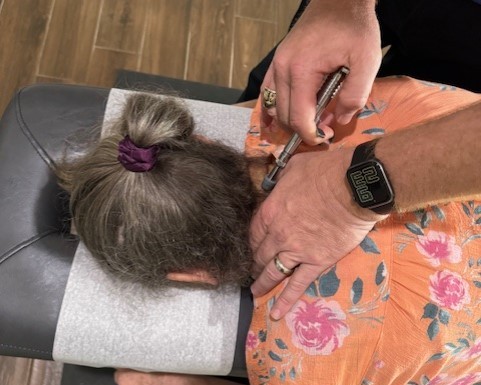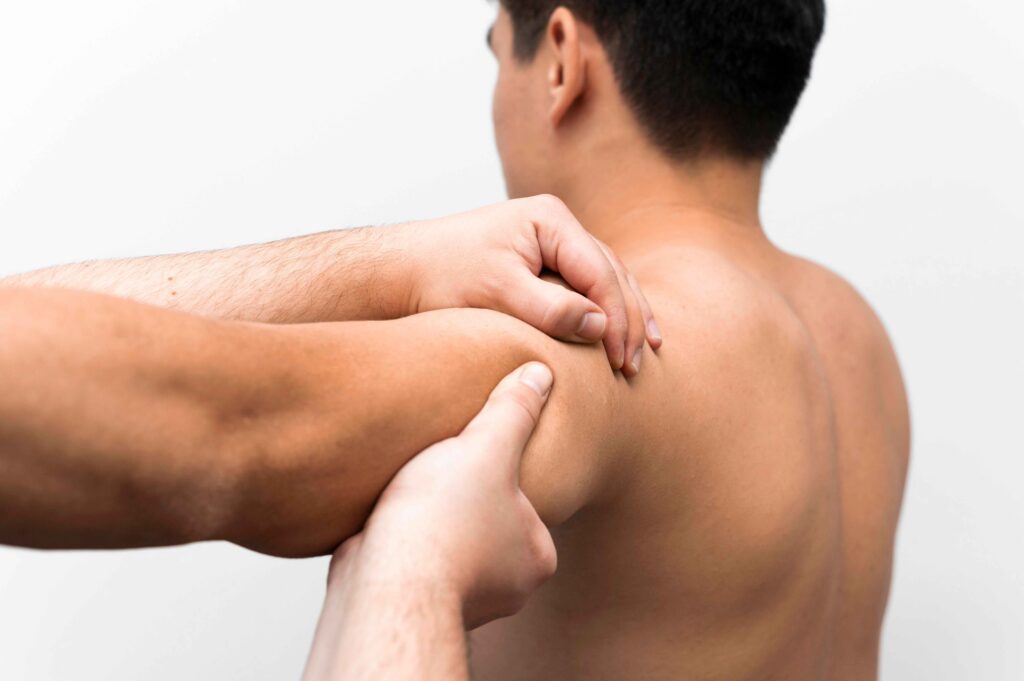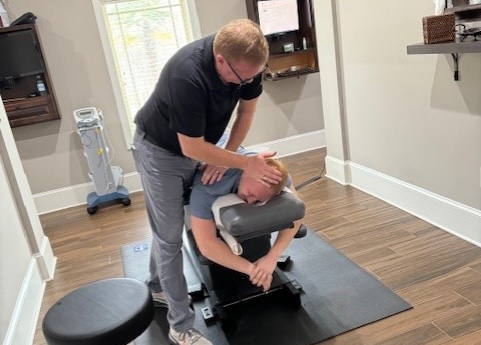

When you experience an injury, it's essential to understand that maximizing your athletic performance during recovery goes beyond merely pushing through the discomfort; it requires a thoughtful approach that harmonizes rest, rehabilitation, and nutrition. As your local chiropractor, I want to emphasize the importance of having a clear understanding of your injury and developing a personalized recovery plan that addresses your unique needs.
Incorporating gentle movements is crucial, as they help maintain flexibility and promote healing without straining your body. Additionally, focusing on a balanced diet rich in nutrients aids in recovery and boosts your overall health. Together, we can establish a strategy that not only facilitates your healing but also prepares you to return to your sport even stronger than before.
So, what are the vital steps you should take to ensure a successful recovery? Let's explore the benefits of chiropractic care, the role of proper nutrition, and the importance of rehabilitation exercises tailored to your specific injury. With the right guidance and support, you can navigate your recovery journey effectively and emerge ready to perform at your best.
Understand Your Injury
Understanding Your Injury
As your local chiropractor, I want to help you grasp what happens to your body when you experience an injury. Injuries can vary widely, from sprains and strains to fractures and tears, each influencing your physical capabilities in unique ways. The first step toward recovery is recognizing the type of injury you've sustained. Pay attention to your body; symptoms such as pain, swelling, and limited mobility are crucial signs that something isn't quite right.
Once you've identified the injury, it's essential to seek professional guidance to fully understand its severity. As a chiropractor, I can provide a thorough assessment and diagnosis, which is vital for creating a tailored recovery plan. Knowing whether you've affected muscles, ligaments, or bones is key to effectively addressing your injury.
It's also important to be aware of the typical recovery timelines for different types of injuries. Understanding whether your injury may heal in a few days or require several weeks will help you set realistic expectations for your recovery journey. Each injury has its own healing process, and rushing through it can lead to complications or long-term issues.
Moreover, it's beneficial to familiarize yourself with the symptoms that indicate healing versus those that suggest a setback. Monitoring your progress will keep you motivated and informed. You'll discover what activities to avoid and which ones can support your recovery.
Prioritize Rest and Recovery
As a local chiropractor, I want to emphasize the critical importance of prioritizing rest and recovery in your healing process. When you experience an injury, the instinct might be to power through the discomfort and continue your usual activities. However, this can actually worsen your condition. It's vital to listen to your body and give it the necessary time to heal.
Remember, recovery isn't just about pausing your routine; it plays a crucial role in restoring your muscles, ligaments, and overall strength.
I recommend scheduling regular downtime in your daily life. This doesn't mean complete inactivity; gentle movements such as stretching or light walking can enhance blood circulation and support your recovery. Additionally, ensure you're getting enough sleep, as this is the period when your body does most of its healing work. Aim for 7-9 hours of restorative sleep every night.
Nutrition is another key factor in your recovery journey. A balanced diet that includes protein, healthy fats, and complex carbohydrates is essential to support tissue repair and replenish your energy. Don't overlook hydration, either; staying well-hydrated is crucial for transporting nutrients throughout your body and flushing out toxins.
Finally, I want to address the mental aspect of recovery. Taking time off can be challenging for many individuals, but it's a necessary part of the healing process. Use this time to reflect on your health goals and create a plan for your return to activity.
Embrace recovery as an essential component of your overall wellness journey, and you'll discover that prioritizing rest not only facilitates healing but also prepares you to return to your activities stronger than before.
Implement a Rehabilitation Plan
As your local chiropractor, I want to emphasize the importance of rest and recovery, but I also want to introduce you to the vital role a well-structured rehabilitation plan plays in regaining your strength and mobility after an injury. Navigating back to your regular activities safely is essential, and a personalized rehab program can help you achieve that.
First and foremost, I encourage you to consult with me or another healthcare professional who specializes in chiropractic care. We can assess your injury and develop a tailored program that addresses your specific needs. Our goal is to support your body's natural healing process.
In your rehabilitation journey, we'll focus on exercises that promote flexibility, strength, and balance. Gentle stretching will be a key component to improve your range of motion and reduce stiffness.
As you progress, we'll gradually introduce strength training to rebuild the muscle around the injured area. You may find that resistance bands, bodyweight exercises, and light weights are effective tools in this process.
It's important to listen to your body and monitor your pain levels throughout your rehabilitation. If you experience significant discomfort during an exercise, we'll modify it or switch to a less intense option.
Consistency is crucial; I recommend dedicating time each day to your rehab exercises. Setting short-term, achievable goals can help keep you motivated, and we can celebrate those small victories together—whether it's increasing your range of motion or completing a certain number of repetitions.
Incorporating functional movements that mimic the activities you enjoy is essential. This approach prepares your body for the specific demands of your sport or daily life.
As you make progress, we'll gradually increase the intensity and complexity of your exercises to ensure you're building back your strength safely.
Remember, chiropractic care is about more than just treating pain; it's about facilitating your body's natural ability to heal and thrive.
Let's work together to create a rehabilitation plan that sets you on the path to recovery and helps you return to the activities you love.
Focus on Nutrition and Hydration
As a local chiropractor, I want to emphasize the vital role that proper nutrition and hydration play in your recovery journey. These elements aren't just important; they're fundamental to how quickly and effectively you heal from any injury. When your body is recovering, it needs an increased amount of nutrients to repair tissues and minimize inflammation.
A balanced diet should be your focus, emphasizing proteins, healthy fats, and carbohydrates. Proteins are key for muscle repair, so incorporating lean meats, fish, and legumes into your meals is crucial. Depending on the severity of your injury, aim for at least 1.2 to 2.0 grams of protein per kilogram of body weight each day to support your healing process.
In addition to protein, don't forget to fill your plate with a variety of fruits and vegetables. These foods are packed with antioxidants, vitamins, and minerals that help fight inflammation and promote your overall health. Omega-3 fatty acids, found in foods like salmon and walnuts, are especially beneficial as they can help reduce inflammation and enhance your healing.
Hydration is another key aspect that shouldn't be overlooked. Water is essential for transporting nutrients throughout your body and getting rid of toxins. I encourage you to make it a habit to drink plenty of fluids throughout the day, particularly if you're taking medications or participating in rehabilitation exercises. Aim for at least 2-3 liters of water daily, and adjust this amount based on your activity level and the climate you're in.
Lastly, seeking guidance from a nutritionist who specializes in sports medicine can be invaluable. They can create a tailored meal plan that aligns with your specific recovery needs.
Gradually Return to Training
As your local chiropractor, I want to emphasize the importance of nutrition and hydration as foundational steps in your journey back to training. Once you've established a good routine in these areas, it's crucial to approach your return to physical activity thoughtfully. Jumping back into your regular workout routine too quickly can lead to setbacks, so a careful and measured strategy is essential.
Before resuming any activities, I recommend consulting with me or another healthcare professional to ensure that your body is ready for the demands of training. This is especially important after any injury or health setback.
When you're ready, start with light exercises that emphasize mobility and flexibility. Gentle stretching, walking, or swimming are excellent ways to ease back into movement without overwhelming your body. Listen to what your body is telling you during these sessions; any signs of pain or discomfort are important signals to slow down and reassess.
As you start to feel more comfortable, you can gradually increase the intensity and duration of your workouts. Begin with short, manageable sessions to help rebuild your strength and endurance. While strength training is important, start with lighter weights to avoid the risk of re-injury. Focus on maintaining proper form, as this will help prevent issues down the line.
It's also crucial to monitor how your body responds to these exercises. If you notice any concerning symptoms such as swelling or pain, please stop and give me a call. Rest and recovery are key components of healing, so don't rush the process.
Lastly, I encourage you to be patient with yourself. Progress may seem slow at times, but consistency is what'll lead to lasting results. Celebrate small victories along the way—they're vital for keeping your motivation high.
A gradual return to training not only supports your recovery but also lays a strong foundation for your long-term success in your athletic journey. Remember, I'm here to support you every step of the way!
Conclusion
Injury recovery is a crucial part of maintaining your athletic ambitions, and as a local chiropractor, I want to help you understand how natural healing can support your journey. When you experience an injury, it's essential to understand the nature of that injury and prioritize rest to allow your body to heal. A solid rehabilitation plan, often involving chiropractic adjustments and exercises, can help you recover more effectively.
Nutrition and hydration play significant roles in your recovery as well. Fueling your body with the right nutrients can enhance healing and prepare you for a return to activity. As you start to ease back into training, it's important to do so gradually, listening to your body and allowing it to guide you.
I encourage you to celebrate each small victory throughout your recovery process. These milestones are not just about physical improvements; they are essential for keeping your motivation high and your outlook positive. With patience and consistency, not only will you recover, but you may also find yourself achieving even greater athletic performance than before. Remember, chiropractic care can be a valuable tool in this journey, supporting your body's natural healing processes and helping you stay aligned and balanced.