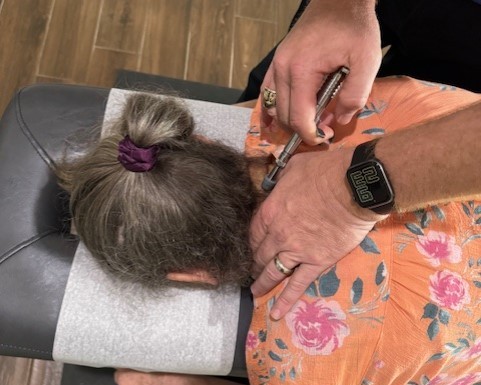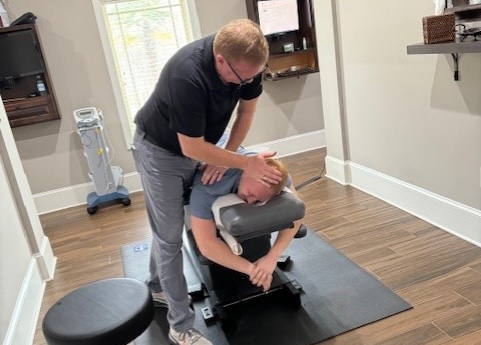

If you’re dealing with muscle strain and back pain, you understand how it can disrupt your daily activities and overall quality of life. The good news is that there are effective solutions available, and chiropractic care stands out as one of the best options for achieving optimal health and wellness.
Chiropractic care focuses on the alignment of your spine and the overall function of your nervous system, which plays a crucial role in your body’s ability to heal itself. By addressing the root cause of your pain through gentle adjustments and natural techniques, you can experience lasting relief without the need for medications or invasive procedures.
In addition to chiropractic treatments, there are simple home remedies and lifestyle changes you can incorporate to help ease your discomfort. Here are some tips to consider:
- Stay Active: Gentle movement can help alleviate stiffness. Consider low-impact exercises like walking or swimming to keep your body engaged.
- Practice Good Posture: Being mindful of your posture can prevent additional strain on your back and muscles. Ensure your workspace is set up ergonomically to support your spine.
- Use Heat and Cold Therapy: Applying a cold pack can reduce inflammation, while heat can relax tense muscles. Alternate between the two for optimal relief.
- Stay Hydrated: Proper hydration helps maintain the elasticity of your spinal discs and overall muscle function.
- Stretch Regularly: Incorporating stretching into your daily routine can improve flexibility and reduce the risk of future strains.
- Prioritize Sleep: Ensure you have a comfortable sleeping position and mattress that supports your spine.
If you’re seeking a natural and effective way to manage your muscle strain and back pain, I encourage you to explore chiropractic care. It not only addresses your immediate discomfort but also promotes long-term health and wellness. Let’s work together to find the relief you need and help you regain control over your life!
Understanding Muscle Strain and Back Pain
When you experience muscle strain or back pain, it’s important to recognize what’s happening in your body and how chiropractic care can help. Muscle strain occurs when the fibers in your muscles get stretched or torn, leading to discomfort, swelling, and limited movement. This strain often results from overdoing activities, maintaining poor posture, or making sudden movements.
Back pain can arise from various structures in your spine, including muscles, ligaments, discs, and nerves. When these elements are damaged or irritated, you may feel stiffness or discomfort in your back.
Understanding these conditions is the first step toward recovery, and chiropractic care can play a vital role in that process. You might experience symptoms like sharp pains, dull aches, or tightness, all of which indicate that your body needs attention. By tuning into these signals, you can take proactive steps to support your health and avoid further complications.
Here are some general tips to help you manage muscle strain and back pain naturally:
- Stay Active: Gentle movement and stretching can help alleviate tension. Walking and light exercises can keep your muscles engaged without overstraining them.
- Practice Good Posture: Be mindful of your posture throughout the day. Whether sitting, standing, or lifting, maintaining proper alignment can significantly reduce strain on your back.
- Use Heat and Cold Therapy: Applying a cold pack can help reduce inflammation, while heat can soothe tight muscles. Alternating between the two can provide relief.
- Stay Hydrated: Drinking plenty of water supports muscle function and overall health. Dehydration can contribute to muscle cramps and discomfort.
- Consider Chiropractic Adjustments: Regular visits to a chiropractor can help realign your spine, reduce pain, and improve mobility. Chiropractic care focuses on natural healing and can be an effective method for managing and preventing back pain.
Common Causes of Muscle Strain and Back Pain
As a local chiropractor, I want to share with you how important it’s to be aware of the common causes of muscle strain and back pain. One major culprit is poor posture. Many people don’t realize that slouching or sitting incorrectly can lead to significant muscle strain and discomfort in your back.
Another common issue is overexertion during physical activities or even a sudden injury, which can also contribute to these painful experiences.
Understanding these causes is the first step in preventing pain and discomfort. Here are a few simple tips to help you maintain a healthy spine and avoid muscle strain:
- Practice Good Posture: Make a conscious effort to sit and stand up straight. Keep your shoulders relaxed and your back aligned. This will help reduce the strain on your muscles.
- Stay Active: Engage in regular physical activity to strengthen your back and core muscles. Strong muscles provide better support for your spine.
- Listen to Your Body: If you feel pain or discomfort while doing any activity, take a break. Pushing through pain can lead to further injury.
- Use Proper Lifting Techniques: When lifting heavy objects, bend at your knees and keep your back straight. This helps distribute the weight evenly and protects your spine.
- Incorporate Stretching: Regular stretching can improve flexibility and help prevent muscle strains. Simple stretches can be done at your desk or while watching TV.
- Consider Chiropractic Care: Regular chiropractic adjustments can help align your spine and reduce tension in your muscles, promoting natural healing and overall wellness.
By being mindful of your posture and incorporating these tips into your daily routine, you can significantly reduce your risk of muscle strain and back pain.
Chiropractic care is a natural and effective way to support your body’s healing process and achieve optimal health. Remember, your spine is the foundation of your overall well-being, so take care of it!
Poor Posture Practices
Poor posture practices can quietly lead to muscle strain and back pain, often without you even realizing it. You may not give much thought to how you sit, stand, or move, but these habits can cause discomfort over time.
As a local chiropractor, I want to help you understand some common posture pitfalls and how chiropractic care can support your journey to better health.
Here are some habits to watch out for:
- Slouching while sitting or standing
- Leaning forward when using your phone or computer
- Carrying heavy bags on one shoulder
- Sitting for long periods without taking breaks
- Wearing poorly fitted shoes
Being mindful of these habits can help you maintain a healthier posture. Chiropractic care is an excellent option for addressing pain and discomfort related to these issues. A chiropractor can help align your spine, which can alleviate strain and promote natural healing.
Here are some general tips to improve your posture and overall well-being:
- Adjust Your Workspace: Make sure your chair and desk are ergonomically friendly. Your computer screen should be at eye level, and your feet should be flat on the ground.
- Take Frequent Breaks: Stand up, stretch, and move around every 30 minutes to keep your muscles engaged and prevent stiffness.
- Mind Your Body Position: Be conscious of how you hold your body throughout the day. Practice sitting up straight and aligning your ears, shoulders, and hips.
- Strengthen Your Core: Engaging in exercises that strengthen your core can support better posture and reduce the risk of back pain.
- Choose Proper Footwear: Invest in shoes that fit well and provide adequate support to promote proper alignment.
Embracing these habits and seeking chiropractic care can lead you to a healthier, pain-free life.
Overexertion and Injury
Even with good posture habits, overexertion can lead to muscle strain and back pain, which are common issues I see in my practice. When you push your body beyond its limits during workouts, heavy lifting, or even repetitive motions, you may find yourself dealing with discomfort.
Often, this discomfort doesn’t show up until you feel that sharp pain or stiffness in your back. It’s important to listen to your body. Ignoring fatigue and continuing with physical activities can make matters worse, prolonging your recovery time and making it more challenging to get back to feeling your best.
Here are some simple tips to help you avoid injury and promote natural healing:
- Take Breaks: Give your body time to rest. Regular breaks can prevent overexertion and help your muscles recover.
- Use Proper Techniques: Whether you’re lifting something heavy or exercising, always use proper techniques to protect your spine. Bend at the knees, not at the waist, and keep your back straight.
- Incorporate Warm-Up and Cool-Down Routines: Before and after any physical activity, spend a few minutes warming up and cooling down. This helps prepare your muscles and spine for movement and reduces the risk of injury.
- Stay Hydrated: Drinking enough water is crucial for muscle function and recovery. Dehydration can lead to cramps and fatigue.
If you find that you’re consistently experiencing pain after exertion, chiropractic care may be the perfect solution for you. Chiropractors focus on the spine and its impact on overall health.
We can help identify underlying issues that may be contributing to your pain and offer natural, non-invasive treatment options to promote healing and restore balance. Chiropractic care is an excellent choice for achieving optimal health and wellness.
Recognizing Symptoms of Muscle Strain and Back Pain
Are you experiencing a nagging ache in your back? It’s important to recognize the signs of a muscle strain early on, as addressing these symptoms promptly can lead to effective relief and a smoother recovery. Here are some straightforward signs to keep an eye out for:
- Localized Pain: You may feel a sharp or dull ache concentrated in a specific spot on your back. This is often the first indication that something isn’t quite right.
- Muscle Stiffness: If you find it challenging to move or bend due to tightness in your back, this could signal a strain. Stiffness is your body’s way of signaling that it needs care.
- Swelling or Inflammation: Keep an eye out for any visible swelling in the affected area. This can be a sign that your muscles are responding to injury.
- Muscle Spasms: Sudden, involuntary muscle contractions can be both uncomfortable and alarming. These spasms often accompany a strain.
- Pain During Activity: If you notice that certain movements or physical activities exacerbate your pain, it’s a clear sign that your back is in distress.
Listening to your body is crucial. If you notice any of these symptoms, consider gentle adjustments and stretches that can help alleviate your discomfort. Chiropractic care is an excellent option for addressing muscle strains naturally. A chiropractor can provide tailored adjustments to help restore your spine’s alignment, promote healing, and alleviate pain without the need for invasive procedures or medications.
In addition to seeking chiropractic care, here are some general tips to support your back health:
- Stay Active: Gentle movement can help keep your muscles flexible and reduce stiffness. Consider low-impact activities like walking or swimming.
- Practice Good Posture: Be mindful of how you sit and stand. Proper alignment can prevent unnecessary strain on your back.
- Use Heat or Cold Therapy: Applying a heat pack or ice pack to the affected area can help reduce pain and inflammation.
- Stay Hydrated: Drinking plenty of water supports overall muscle function and can help prevent cramping.
Taking these steps can help you on your journey to wellness. Remember, chiropractic care is a powerful ally in achieving optimal health and maintaining a pain-free lifestyle. If you’re experiencing symptoms of a muscle strain, don’t hesitate to reach out for professional support. Your body deserves the best care!
Immediate Home Remedies for Relief
When experiencing muscle strain or back pain, seeking immediate relief is essential for your comfort and recovery. As a chiropractor, I want to share some effective home remedies that can help you feel better quickly while also emphasizing the importance of chiropractic care for long-term wellness.
One of the first steps you can take is ice therapy. Applying ice to the affected area can help reduce swelling and numb the pain, providing you with some immediate relief. Just remember to wrap the ice in a cloth to protect your skin, and limit the application to 15-20 minutes at a time.
Gentle stretching is another effective remedy. Stretching can help ease muscle tension and improve your flexibility, which is crucial for maintaining a healthy spine. Focus on gentle, controlled movements, and listen to your body—never push through pain.
In addition to these remedies, consider incorporating regular chiropractic adjustments into your health routine. Chiropractic care not only addresses existing pain but also helps prevent future injuries by promoting proper spinal alignment and overall body function. A chiropractor can provide personalized advice and techniques to enhance your recovery and support your journey toward optimal health.
Remember to maintain good posture throughout your day, whether you’re sitting at a desk or lifting objects. Simple changes, like using ergonomic furniture and taking breaks to stretch, can have a significant impact on your spinal health.
Ice Therapy Benefits
Ice therapy is a fantastic tool that can help alleviate muscle strain and back pain. While it’s not a substitute for chiropractic care, it can be a complementary method to enhance your recovery process. Applying ice can effectively reduce inflammation and numb the affected area, giving you some much-needed relief.
Here are some key benefits of incorporating ice therapy into your wellness routine:
- Reduces swelling: Ice constricts blood vessels, which helps minimize swelling around the injured area, making it easier for your body to heal.
- Numbs pain: The cold temperature can dull the pain signals sent to your brain, providing temporary relief that allows you to move more comfortably.
- Decreases muscle spasms: Ice can help relax tight muscles, which is especially beneficial if you’re dealing with tension in your back or neck.
- Promotes healing: By reducing inflammation, ice therapy supports faster recovery, allowing you to return to your daily activities sooner.
- Convenient: You can easily apply ice at home using ice packs, frozen vegetables, or even a towel wrapped around ice cubes.
While ice therapy can certainly aid in your recovery, it’s essential to remember that regular chiropractic adjustments can provide a more comprehensive approach to pain relief and overall wellness.
By addressing the underlying issues causing your discomfort, chiropractic care can help restore balance to your spine and improve your body’s natural healing capabilities.
Always listen to your body and consider incorporating ice therapy as a part of your self-care routine. If you’re struggling with pain or discomfort, consult with a chiropractor who can guide you on the best combination of treatments to achieve optimal health.
Your journey to wellness is just a step away!
Gentle Stretching Techniques
While ice therapy can be beneficial for managing pain, integrating gentle stretching techniques can significantly support your recovery from muscle strain and back pain. As a local chiropractor, I emphasize the importance of nurturing your body through natural methods.
Start with simple stretches like the cat-cow pose to gently loosen your spine and improve mobility. The child’s pose is another excellent option, as it helps relieve tension in the lower back, promoting relaxation and comfort. Be sure to hold each stretch for 15-30 seconds, and focus on deep breathing to enhance your relaxation response.
As you become more comfortable, you might consider adding seated forward bends or gentle side bends to increase your flexibility. These stretches encourage better circulation and alleviate stiffness, making it easier for you to engage in your daily activities.
Remember, it’s essential to listen to your body and refrain from pushing through any sharp pain. If you’re ever uncertain about which stretches are right for you, I encourage you to reach out to a healthcare professional who specializes in chiropractic care. They can provide personalized guidance that aligns with your wellness goals.
Incorporating these gentle stretching techniques into your routine not only aids in recovery but also promotes overall health and wellness. Chiropractic care is a fantastic way to enhance your natural healing journey, helping you achieve optimal health and a pain-free life.
Stretching and Strengthening Exercises
To effectively alleviate muscle strain and back pain, incorporating stretching and strengthening exercises into your daily routine is essential. These exercises not only boost your flexibility but also enhance your overall strength, creating a protective barrier for your back against future injuries.
However, it’s important to remember that chiropractic care is a holistic approach that can significantly support your journey to optimal health.
Here are some simple exercises you can try, alongside regular chiropractic adjustments, to promote healing and wellness:
- Cat-Cow Stretch: This dynamic stretch is great for increasing flexibility in your spine. It helps to gently mobilize your back, encouraging better alignment.
- Bridges: By lifting your hips off the ground, you strengthen your glutes and lower back. This exercise also supports the alignment of your pelvis, which is crucial for spinal health.
- Planks: Engaging your core muscles not only builds strength but also provides stability for your back. A strong core is fundamental to maintaining proper posture and reducing strain on your spine.
- Child’s Pose: This gentle stretch relaxes your back and hips, allowing your spine to decompress. It’s a wonderful way to unwind after a long day and relieve tension.
- Wall Sits: By strengthening your legs and core while maintaining proper posture, wall sits can help improve your overall body mechanics, reducing the risk of back pain.
Incorporating these exercises into your daily life, along with regular visits to your chiropractor, can lead to noticeable improvements in muscle strain and back pain.
Remember to listen to your body and adjust the exercises as needed. Your safety and comfort should always come first.
Embracing chiropractic care as part of your wellness routine can provide you with the natural healing and support you need to achieve and maintain optimal health.
The Role of Heat and Cold Therapy
Heat and cold therapy can be incredibly effective methods for managing muscle strain and back pain, and they each serve unique purposes in your healing journey. As a chiropractor, I often emphasize the importance of these techniques alongside chiropractic care for optimal health.
When you apply heat to an affected area, it increases blood flow, which helps to relax tight muscles and ease stiffness. Using a warm compress or heating pad can work wonders, especially before stretching or engaging in physical activity. This can enhance your chiropractic adjustments by preparing your muscles and tissues for realignment.
On the flip side, cold therapy is fantastic for reducing inflammation and numbing sharp pain. Applying ice packs or a cold compress is particularly beneficial right after an injury, as it slows down blood flow and minimizes swelling. This can help set the stage for a successful recovery, which is often supported by chiropractic treatments.
To maximize relief, consider alternating between heat and cold therapy. Start with cold to tackle inflammation, then switch to heat to promote healing. Just always remember to protect your skin by wrapping heat or cold sources in a cloth.
Incorporating these therapies into your routine, alongside regular chiropractic care, can enhance your recovery and help you feel your best.
Over-the-Counter Pain Relief Options
When muscle strain or back pain strikes, it’s important to find effective relief that supports your overall wellness. While over-the-counter (OTC) pain relief options like ibuprofen or acetaminophen can provide temporary comfort, they aren’t a long-term solution for achieving optimal health.
As a chiropractor, I believe that addressing the root cause of your discomfort through natural healing methods is the best way to promote wellness and long-lasting relief.
Rather than relying solely on medications, consider these holistic approaches:
- Chiropractic Care: Regular chiropractic adjustments can help realign your spine, alleviate pain, and improve your body’s overall function. A chiropractor can identify misalignments that may be contributing to your discomfort and work to correct them.
- Physical Activity: Gentle exercises and stretches can strengthen your muscles and improve flexibility, helping to prevent future injuries. Incorporate activities like yoga or walking into your daily routine to keep your body moving.
- Posture Awareness: Pay attention to your posture throughout the day, especially if you sit for long periods. Proper ergonomics can help reduce strain on your back and muscles, leading to less discomfort.
- Heat and Cold Therapy: Applying heat can relax tense muscles, while cold therapy can reduce inflammation. Alternate between the two to find relief that works for you.
- Stay Hydrated and Nourished: Drinking plenty of water and eating a balanced diet rich in anti-inflammatory foods can support your body’s healing processes.
Remember, while OTC medications may offer temporary relief, they don’t address the underlying issues that may be causing your pain.
If you’re experiencing persistent discomfort, consider scheduling a consultation with a chiropractor. Together, we can develop a personalized plan to help you achieve optimal health through natural and effective methods.
Prioritize your wellness and embrace a healthier lifestyle!
When to Seek Professional Help
If your pain persists for more than a few days, it’s a good idea to consider visiting a chiropractor. Our bodies communicate through pain, and lingering discomfort may indicate an underlying issue that deserves attention.
Be mindful of any additional symptoms such as numbness or weakness; these can be signs of a more complex problem that chiropractic care can effectively address.
Take a moment to reflect on how your pain is impacting your daily life. If it’s making it difficult to perform everyday activities, seeking the help of a chiropractor is crucial. Chiropractic care not only focuses on pain relief but also aims to restore your body’s natural alignment and function, promoting overall wellness.
In the meantime, here are some simple tips to help manage your discomfort until you can receive professional care:
- Stay Active: Gentle movement can help keep your muscles and joints flexible. Consider light stretching or walking to promote circulation.
- Ice or Heat Therapy: Applying ice or heat to the affected area can provide temporary relief. Ice can reduce inflammation, while heat can soothe tight muscles.
- Mind Your Posture: Pay attention to how you sit, stand, and move throughout the day. Good posture can prevent further strain on your spine.
- Stay Hydrated: Drinking plenty of water supports overall health and can help your body function better.
Persistent Pain Duration
How long has that nagging pain been bothering you? If it’s been hanging around for more than a few weeks, it may be time to consider the benefits of chiropractic care. Persistent pain can often be a sign that something is off in your body, and chiropractic can help address the root of the issue naturally.
Here are some signs that it might be time to seek a chiropractor’s expertise:
- Pain lasts longer than a few weeks
- Pain worsens over time and doesn’t improve
- Pain impacts your daily activities or sleep
- You feel pain after an injury
- Pain is accompanied by weakness or numbness
Don’t let these symptoms linger! Ignoring them can lead to more significant complications down the road. Early intervention through chiropractic care can’t only help you recover faster but also prevent chronic pain from developing.
Chiropractors focus on realigning the spine and improving your body’s overall function, which can lead to lasting relief.
Here are some tips you can incorporate into your routine while considering chiropractic care:
- Stay Active: Gentle exercises and stretches can help keep your muscles strong and flexible. Check with your chiropractor about the best exercises for your situation.
- Maintain Good Posture: Pay attention to your posture while sitting, standing, and sleeping. Proper alignment can alleviate strain on your spine.
- Hydrate: Drinking plenty of water supports spinal health and helps keep your discs hydrated.
- Listen to Your Body: If something feels off, don’t hesitate to consult with a chiropractor. Your body knows best, and early intervention can lead to better outcomes.
Accompanying Symptoms Assessment
Persistent pain often comes with a range of accompanying symptoms that can indicate the need for professional help. If you’re experiencing numbness, tingling, or weakness in your limbs, it’s important to reach out to a chiropractor. These symptoms may suggest nerve involvement, which can often be addressed effectively through chiropractic care.
Moreover, if you notice your pain is accompanied by fever, unexplained weight loss, or issues with bowel or bladder function, it’s wise to seek guidance from a chiropractic professional. Sudden changes in your pain, such as increased intensity or the emergence of new symptoms, should also prompt you to consult with a chiropractor.
Ignoring these signs can lead to complications, and it’s essential to trust your instincts—if something feels off, it’s always best to err on the side of caution and seek out the support of a knowledgeable chiropractor.
To promote your overall health and wellness, consider incorporating some general tips into your daily routine. Maintaining good posture, staying active with gentle exercises, and ensuring you have a supportive sleeping environment can all contribute to a healthier spine and body.
Impact on Daily Activities
When back pain starts to disrupt your daily activities, it’s crucial to recognize the signs that signal the need for professional chiropractic care. Ignoring ongoing discomfort can lead to more significant problems in the future. Here are some key indicators that it might be time to seek help:
- You struggle with daily tasks such as bending, lifting, or sitting comfortably.
- Your pain intensifies with movement or doesn’t improve with rest.
- You notice numbness or tingling sensations in your legs.
- Your discomfort lingers for more than a few weeks without showing any signs of improvement.
- You have a history of injuries or chronic conditions that could be contributing to your pain.
Taking action early can empower you to reclaim control over your life and prevent further complications. Chiropractic care offers a natural approach to healing, focusing on spinal health and overall wellness.
By addressing the root cause of your pain, rather than just the symptoms, chiropractic adjustments can help restore balance and function to your body.
In addition to seeking chiropractic care, here are some general tips to support your back health:
- Practice good posture while sitting and standing to reduce strain on your back.
- Incorporate gentle stretching and strengthening exercises into your routine to keep your back muscles strong and flexible.
- Use ergonomic furniture and tools to minimize discomfort during daily activities.
- Stay active with low-impact activities like walking or swimming to promote overall wellness.
Don’t hesitate to consult a chiropractor if you’re experiencing any of these symptoms. Embracing chiropractic care can be the first step towards a healthier, pain-free life.
Alternative Therapies for Long-term Relief
While many people rely on traditional methods like pain medication and physical therapy for relief, I want to emphasize the power of chiropractic care as a holistic approach to achieving long-term relief from muscle strain and back pain. Chiropractic adjustments focus on aligning your spine, which alleviates pressure on nerves and joints, enhancing your mobility and promoting natural healing.
In addition to chiropractic care, there are several complementary practices that can significantly improve your overall wellness. For instance, techniques like acupuncture can release tension and boost circulation, further enhancing the benefits of chiropractic adjustments.
Incorporating gentle exercises like yoga and Pilates can strengthen your core muscles and improve flexibility, which is vital for preventing future injuries. These practices, when combined with regular chiropractic visits, create a strong foundation for a pain-free life.
Massage therapy is another excellent option to consider. It can target specific areas of discomfort, relieving muscle tightness and promoting relaxation. This can be particularly beneficial after a chiropractic adjustment, as it helps to maintain the alignment and supports your body’s healing process.
You might also explore natural supplements, such as turmeric and ginger, which are known for their anti-inflammatory properties. These can support your recovery alongside the adjustments made by your chiropractor.
Lastly, don’t underestimate the power of mindfulness practices. Simple techniques like meditation and deep breathing can help you manage pain perception and improve your overall well-being.
By adopting a holistic approach that prioritizes chiropractic care and these supportive practices, you can create a personalized path to lasting relief from muscle strain and back pain.
Prevention Tips for Avoiding Future Strain and Pain
To truly enjoy the benefits of chiropractic care and other holistic practices, it’s essential to incorporate proactive habits into your daily routine that help prevent future strain and pain.
Here are some simple yet effective tips to keep your back healthy and supported:
- Maintain good posture: Always aim to sit and stand tall. This simple adjustment can significantly reduce pressure on your spine and help prevent discomfort.
- Stay active: Regular exercise is key! Engaging in activities that strengthen your muscles and improve your flexibility can make a world of difference. Consider walking, swimming, or yoga as great options.
- Lift correctly: When it comes to lifting heavy objects, remember to bend your knees and keep your back straight. This technique minimizes the risk of injury and protects your spine.
- Choose ergonomic furniture: Investing in chairs and desks designed to support proper posture can be a game-changer for your back health. Look for options that promote a neutral spine position.
- Take breaks: If you find yourself sitting for long periods, make it a habit to stand up and stretch every hour. This simple action can help relieve tension and keep your spine feeling great.
By incorporating these habits into your lifestyle, you can enhance the benefits of chiropractic care and enjoy a healthier, pain-free life.
Conclusion
To wrap things up, addressing muscle strain and back pain can be a straightforward journey toward better health. By understanding the root causes and recognizing the symptoms, you can empower yourself to find relief. Embracing gentle stretches and targeted exercises can work wonders, and maintaining good posture is key to preventing future discomfort.
As a chiropractor, I encourage you to consider chiropractic care as an effective solution for pain relief and overall wellness. Our approach focuses on natural healing, helping your body restore its balance and function without the need for medications or surgeries. If you find that your pain lingers, reaching out to a chiropractic professional can provide you with personalized care tailored to your needs.
Remember, taking proactive steps today can pave the way for a healthier back and a more active lifestyle. Simple habits, like regular stretching and being mindful of your posture, can make a significant difference. Let’s prioritize your health naturally and unlock the potential for a pain-free future!