
When you think about relaxation, you might imagine quiet moments alone, but have you considered how professional guidance can elevate your experience? Therapists can introduce you to effective techniques like mindfulness meditation or sound therapy, tailored specifically for you. These natural methods not only enhance relaxation but also promote deeper self-awareness and balance. As you explore these options, you might find surprising connections between your well-being and the support available. Curious about how to integrate these practices into your life?
Mindfulness Meditation Techniques
Mindfulness meditation techniques can transform your approach to stress and anxiety, helping you cultivate a sense of calm in your daily life. By incorporating these practices into your routine, you can develop a greater awareness of your thoughts, feelings, and bodily sensations. This awareness allows you to observe your stressors without judgment, creating space for a more balanced response.
To get started, find a quiet place where you won't be disturbed. Sit comfortably, closing your eyes or lowering your gaze. Begin by focusing on your breath; notice the rise and fall of your chest with each inhale and exhale. When thoughts intrude, and they will, gently acknowledge them and return your focus to your breath. This practice not only calms the mind but also trains you to respond to stress more mindfully.
Another effective technique is the body scan meditation. This involves directing your attention to different parts of your body, starting from your toes and moving up to the crown of your head. As you focus on each area, notice any tension or discomfort, and consciously relax those muscles. This practice fosters a deeper connection between your mind and body, allowing you to release stress more effectively.
Finally, consider incorporating mindful walking into your routine. As you walk, focus on the sensation of your feet touching the ground and the rhythm of your breath. This active meditation can ground you in the present moment, offering a rejuvenating break from daily stressors.
Benefits of Aromatherapy
Aromatherapy offers a natural way to enhance your relaxation and overall well-being. By using essential oils derived from plants, you can create a soothing environment that helps reduce stress and anxiety. The scents from these oils can trigger emotional responses, promoting feelings of calm and tranquility.
When you inhale essential oils, your brain releases neurotransmitters that can elevate your mood. For instance, lavender oil is well-known for its calming effects, while citrus oils like lemon and orange can uplift your spirits. Incorporating these scents into your daily routine can greatly improve your mental state.
You don't just have to rely on inhalation; you can also use essential oils in massages or baths. When combined with a carrier oil, these oils can penetrate your skin, providing both relaxation and relief from muscle tension. This can be particularly beneficial after a long day or an intense workout.
In addition to physical relaxation, aromatherapy can improve sleep quality. Using calming scents in your bedroom can help signal your body that it's time to wind down. Many people find that diffusing essential oils before bedtime leads to deeper, more restful sleep.
With so many options available, you can easily find the right essential oils that resonate with you. Whether you prefer the soothing scent of chamomile or the invigorating aroma of peppermint, aromatherapy provides a versatile method to enhance your relaxation and well-being, making it a valuable tool in your self-care arsenal.
Yoga for Stress Relief
When it comes to finding effective ways to unwind, yoga stands out as a powerful practice for stress relief. By combining physical postures, breath control, and meditation, yoga helps you reconnect with your body and mind, creating a calming effect that can reduce anxiety and tension. You don't need to be a seasoned yogi to benefit; even a few minutes of practice can make a significant difference.
Start with simple poses like Child's Pose or Cat-Cow, which gently stretch your body and release tightness. Focus on your breath—inhale deeply through your nose and exhale slowly through your mouth. This rhythmic breathing calms your nervous system, helping you feel more relaxed.
As you progress, try incorporating poses like Downward Dog or Warrior II to improve your strength and stability while also promoting a sense of peace.
Consider setting aside a specific time each day to practice yoga. It doesn't have to be a long session; even 15-30 minutes can provide relief. Create a serene space, free from distractions, where you can focus solely on yourself. You might want to listen to calming music or use essential oils to enhance the experience.
Incorporating Nature Walks
Taking a stroll through nature can be a rejuvenating way to unwind and clear your mind. When you step outside, you're not just taking a walk; you're immersing yourself in an environment that encourages relaxation and mental clarity. The sights, sounds, and smells of nature can have a profound impact on your mood, reducing stress and enhancing your overall sense of well-being.
To incorporate nature walks into your routine, start by identifying local parks or nature trails that appeal to you. Choose a time of day when you can dedicate at least 20 to 30 minutes to this activity. Early mornings or late afternoons are often quieter, providing a more serene experience.
As you walk, focus on your surroundings—the vibrant colors of the leaves, the gentle rustling of the wind, and the soothing sounds of birds chirping. This mindfulness practice helps you stay present, allowing worries to fade away.
Consider inviting a friend or family member to join you. Sharing the experience can enhance your enjoyment and provide an opportunity for meaningful conversation. If you prefer solitude, put on some calming music or simply listen to the natural sounds around you.
Avoid distractions by leaving your phone behind or putting it on silent mode. This way, you can fully engage with the environment and yourself.
Guided Imagery Practices
After enjoying a revitalizing nature walk, you might want to explore another calming technique: guided imagery practices. This method involves using your imagination to create tranquil scenes, helping you relax and escape from daily stressors. It's an effective way to harness the power of your mind for relaxation and healing.
To start, find a quiet space where you won't be disturbed. Sit or lie down comfortably, close your eyes, and take a few deep breaths. As you breathe, focus on releasing any tension in your body.
Then, picture a serene setting that resonates with you—perhaps a peaceful beach, a lush forest, or a quiet mountain top. Immerse yourself in the details: what do you see, hear, and feel?
As you visualize this place, let your senses guide you. Imagine the warmth of the sun on your skin or the sound of waves lapping against the shore. Allow yourself to fully embrace the feelings of peace and tranquility that come with this mental escape.
You might even want to create a narrative around your imagery, imagining yourself exploring this beautiful environment, interacting with the surroundings, or encountering friendly animals.
The beauty of guided imagery is that you can return to your peaceful place whenever you need a mental break. With practice, you'll find it easier to slip into this calming state, making guided imagery a valuable tool for your relaxation toolkit.
Breathing Exercises for Calm
Three simple breathing exercises can help you achieve a sense of calm and clarity in moments of stress.
The first exercise is the 4-7-8 technique. To practice this, sit comfortably and close your eyes. Inhale deeply through your nose for a count of four, hold your breath for seven seconds, and then exhale slowly through your mouth for eight seconds. Repeat this cycle four times. You'll find that it helps slow your heart rate and reduces anxiety.
The second exercise is box breathing. Visualize a square as you breathe. Inhale through your nose for a count of four, hold your breath for four counts, exhale through your mouth for another four, and pause for four counts before inhaling again. This rhythmic pattern can ground you, especially when you feel overwhelmed.
Finally, try diaphragmatic breathing. Place one hand on your chest and the other on your abdomen. Inhale deeply through your nose, focusing on expanding your abdomen rather than your chest. Exhale slowly through pursed lips. This method encourages deeper breaths and can lower stress levels considerably.
Incorporating these breathing exercises into your daily routine can help you manage stress more effectively. They're quick, easy to do anywhere, and require no special equipment.
Whenever you feel tension rising, take a moment to practice one of these techniques, and you'll likely notice a shift in your mood and overall sense of well-being.
Nutritional Support for Relaxation
To support your relaxation efforts, it's important to focus on essential nutrients that promote calmness.
Incorporating herbal supplements can also enhance your sense of tranquility.
Let's explore how the right foods and herbs can help you unwind.
Essential Relaxation Nutrients
Nutrients play an indispensable role in supporting relaxation and reducing stress. To truly unwind, focus on incorporating certain vitamins and minerals into your diet.
Magnesium, for example, is known for its calming properties. It helps regulate neurotransmitters that send signals to your brain, promoting a sense of tranquility. Foods like spinach, almonds, and black beans are excellent sources.
Another key player is vitamin B, particularly B6 and B12. These vitamins help produce serotonin, a neurotransmitter that stabilizes mood. You can find B vitamins in whole grains, eggs, and leafy greens.
Omega-3 fatty acids are also important. These healthy fats, found in fatty fish like salmon and walnuts, support brain health and reduce anxiety levels.
Don't forget about vitamin D, often dubbed the "sunshine vitamin." It's essential for mood regulation. Soaking up some sunlight or enjoying fortified foods can boost your levels.
Lastly, staying hydrated is indispensable. Dehydration can lead to increased stress and fatigue, so drink plenty of water throughout the day.
Herbal Supplements for Calm
Incorporating herbal supplements can further enhance your efforts to achieve relaxation. These natural remedies have been used for centuries to promote calmness and reduce stress.
Consider trying chamomile, which can help soothe your mind and body, making it easier to unwind after a long day. Valerian root is another option; it's known for its sedative properties and may improve sleep quality.
Lavender is popular for its calming aroma, but it can also be taken in supplement form to alleviate anxiety. You might find passionflower beneficial as well, as it helps to ease nervous tension and promote a sense of tranquility.
If you're looking for a more holistic approach, ashwagandha is an adaptogen that helps your body manage stress more effectively.
When choosing herbal supplements, always opt for high-quality products and consult with a healthcare provider to confirm they're right for you.
Remember, while these supplements can support relaxation, they work best when combined with other stress-reduction techniques, such as mindfulness or deep breathing exercises.
Embrace these natural solutions, and you'll find it easier to cultivate a peaceful state of mind.
The Role of Massage Therapy
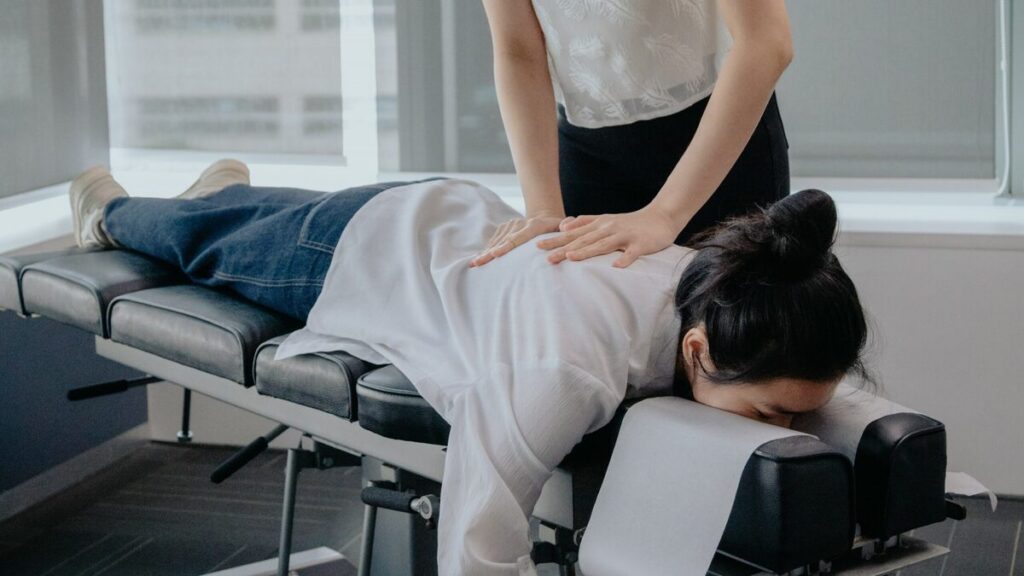
How can massage therapy enhance your relaxation experience? When you seek a moment of tranquility, massage therapy stands out as an effective way to unwind. It not only reduces tension in your muscles but also promotes a sense of overall well-being. By applying pressure to specific areas, a skilled therapist can release built-up stress, helping your body to relax and rejuvenate.
During a massage, your body responds by releasing endorphins, which naturally elevate your mood. This process can lead to a notable decrease in anxiety and stress levels, allowing you to feel more centered. As you lie on the table, you're likely to notice how the rhythmic strokes soothe both your mind and body. Each session can be tailored to your specific needs, whether you're dealing with chronic pain or just need a break from daily stressors.
Moreover, massage therapy encourages deeper breathing, which can enhance your relaxation further. The gentle manipulation of your muscles can also improve circulation, delivering more oxygen and nutrients to your tissues. This not only aids recovery but also promotes a feeling of lightness and calm.
Incorporating regular massage therapy into your self-care routine can greatly impact your overall health. It's not just a luxury; it's a necessary component of maintaining balance in today's fast-paced world. By prioritizing this natural method of relaxation, you'll find yourself better equipped to handle life's challenges.
Sound Therapy and Relaxation
As you explore ways to unwind, sound therapy can be an incredibly effective tool for enhancing relaxation. This holistic approach uses various sounds—like music, nature sounds, or specific frequencies—to soothe your mind and body. When you immerse yourself in these calming sounds, you're likely to notice a significant reduction in stress levels.
You can easily incorporate sound therapy into your daily routine. Whether you prefer ambient music, guided meditations, or sounds of nature, there are countless resources available. Apps and websites often provide curated playlists designed specifically for relaxation.
Try setting aside a few minutes each day to listen to soothing sounds while you breathe deeply and let your mind drift.
Another option is to attend sound baths or group sessions. In these settings, you'll experience live sound healing, often featuring instruments like singing bowls, gongs, or chimes. These vibrations can resonate with your body, promoting a sense of peace and well-being.
Participating in a group can also enhance the experience, as shared energy often amplifies the calming effects.
If you're looking to deepen your practice, consider exploring binaural beats. This technique uses two different frequencies in each ear to create a perceived third tone, which can help you enter a meditative state.
Experiment with these various sound therapy methods, and find what resonates most with you. You'll likely discover that sound therapy not only helps you relax but also contributes to overall emotional and mental wellness.
Professional Support Networks
When you're seeking relaxation, tapping into professional support networks can be incredibly beneficial.
Different types of support groups and therapy sessions offer unique ways to connect with others and gain valuable insights.
These resources can help you manage stress and enhance your overall well-being.
Types of Support Groups
In today's fast-paced world, finding a professional support network can be crucial for personal and career growth. Different types of support groups cater to various needs and situations, helping you connect with like-minded individuals and professionals.
Peer support groups are one popular option. They offer a safe space for individuals facing similar challenges to share experiences, insights, and encouragement. These groups often focus on specific issues, such as stress management, career changes, or mental health.
Another type is professional interest groups. These networks gather individuals in the same industry or profession, allowing you to share knowledge, resources, and opportunities. They can help you stay updated on trends and best practices while also fostering valuable connections.
Lastly, therapy or counseling groups led by licensed professionals provide guided support. These sessions allow you to explore personal issues in a structured setting, receiving feedback and coping strategies from trained facilitators and fellow participants.
Finding the right type of support group can greatly enhance your well-being, providing you with the tools and connections necessary for maneuvering life's challenges.
It's important to seek out a group that aligns with your unique needs and goals.
Benefits of Therapy Sessions
Therapy sessions offer a structured way to address personal challenges and enhance your overall well-being. When you engage in therapy, you gain a safe space to explore your thoughts and feelings without judgment. This environment allows you to unpack complex emotions, leading to greater self-awareness.
One of the significant benefits of therapy is the personalized approach. A trained therapist tailors their methods to fit your unique needs, helping you develop coping strategies that resonate with you. You'll learn practical tools to manage stress, anxiety, or other issues, which can lead to transformative changes in your daily life.
Additionally, therapy provides valuable accountability. Regular sessions keep you focused on your goals and encourage commitment to your personal growth. You might find that speaking to a professional helps clarify your thoughts, making it easier to navigate life's challenges.
Moreover, therapy can enhance your relationships. By improving your self-understanding, you'll likely communicate better with others, fostering healthier connections.
Ultimately, investing in therapy sessions can lead to a more balanced, fulfilling life, empowering you to face obstacles with resilience. So why not explore this natural way to relax and grow?
Conclusion
Incorporating professional help into your relaxation routine can greatly enhance your well-being. By exploring mindfulness meditation, aromatherapy, yoga, and other guided practices, you're setting yourself up for success. Don't underestimate the power of nutritional support, massage therapy, and sound therapy, either. Remember, connecting with professional support networks can provide the guidance you need to navigate stress effectively. Embrace these natural ways to relax, and you'll cultivate a deeper sense of peace and balance in your life.