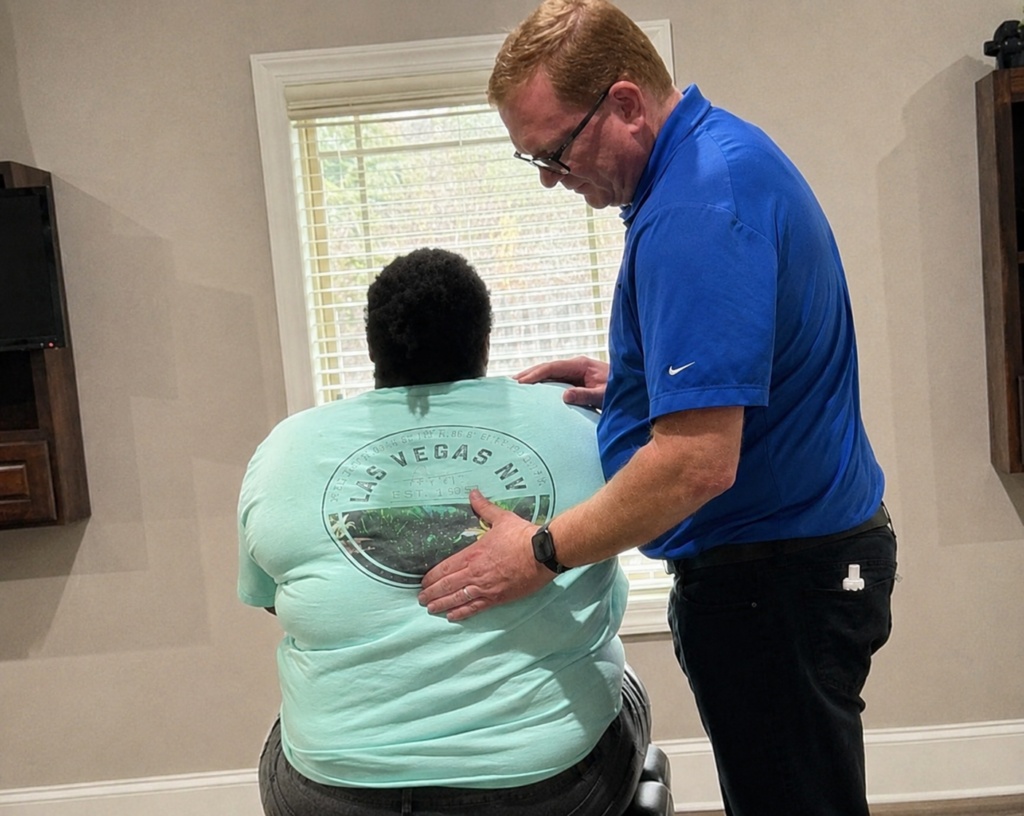

You might not realize how much control you have over your health and the risk of chronic diseases. By understanding your risk factors and making informed lifestyle choices, like prioritizing a balanced diet and staying active, you're already taking the first step. It's also important to manage stress and avoid harmful habits such as smoking and excessive drinking. But what specific strategies can you implement to make a real difference? Exploring these key approaches could change how you view your health journey completely.
Understand Your Risk Factors
Understanding your risk factors is essential for preventing chronic diseases. By recognizing what puts you at risk, you can take proactive steps to reduce these threats. Start by evaluating your family history; if chronic diseases like diabetes, heart disease, or cancer run in your family, you might be at a higher risk.
It's not just genetics, though—your lifestyle choices play a huge role too. Consider your physical activity levels. If you're mostly sedentary, you're more susceptible to various health issues. Incorporating regular exercise into your routine can greatly lower your risk.
Similarly, think about your weight. Being overweight or obese increases your chances of developing chronic conditions, so monitor your body mass index (BMI) and make adjustments as necessary.
Additionally, pay attention to your mental health. Stress, anxiety, and depression can contribute to physical health problems over time. If you find yourself overwhelmed, seek support or develop healthy coping mechanisms.
Don't forget about your age; as you get older, your risk factors may change. Regular health screenings can help you stay informed about your current health status and any emerging risks.
Finally, educate yourself about environmental factors, like exposure to pollutants or toxins that can affect your long-term health. Understanding these variables empowers you to make better choices.
Prioritize a Balanced Diet
To maintain your health, prioritize a balanced diet packed with whole foods.
Focus on incorporating fruits, vegetables, whole grains, and lean proteins while limiting processed ingredients.
This simple shift can greatly reduce your risk of chronic diseases.
Emphasize Whole Foods
Eating a diet rich in whole foods can greatly reduce your risk of chronic diseases. Whole foods, such as fruits, vegetables, whole grains, nuts, and seeds, provide essential nutrients your body needs to function effectively.
By focusing on these foods, you're fueling your body with vitamins, minerals, antioxidants, and fiber that help maintain your health.
Incorporating a variety of whole foods into your meals not only enhances your nutrient intake but also promotes a healthier weight. When you fill your plate with colorful fruits and veggies, you're getting a wide range of phytonutrients that can help combat inflammation and lower your risk of heart disease and diabetes.
It's also important to pay attention to how you prepare your meals. Opt for cooking methods like steaming, grilling, or roasting to keep nutrients intact.
Experimenting with different recipes can make healthy eating enjoyable and exciting.
Limit Processed Ingredients
While whole foods are essential, limiting processed ingredients is just as crucial for maintaining a balanced diet. Processed foods often contain excess sugar, unhealthy fats, and additives that can contribute to chronic diseases.
When you choose meals, focus on fresh, whole ingredients like fruits, vegetables, whole grains, and lean proteins. These foods provide the nutrients your body needs without the harmful effects of processed options.
Start by reading labels. If you find ingredients you can't pronounce or that seem excessive, it's likely a sign to put it back on the shelf. Opt for foods with fewer ingredients, which are usually closer to their natural state.
Meal prepping can also help you avoid the temptation of quick, processed options during busy days.
When dining out, look for dishes that emphasize whole ingredients and ask for modifications to limit processed components. By making these conscious choices, you'll not only improve your overall health but also reduce your risk of chronic diseases.
Stay Physically Active
Staying physically active is essential for maintaining overall health and preventing chronic diseases. Regular physical activity helps you manage your weight, boosts your immune system, and reduces the risk of developing conditions like diabetes, heart disease, and certain cancers.
It's not just about hitting the gym; there are plenty of fun ways to incorporate movement into your daily life. Try to aim for at least 150 minutes of moderate aerobic activity each week. This can include brisk walking, cycling, or swimming. If you prefer something more intense, 75 minutes of vigorous activity, like running or high-intensity interval training, can also be effective.
The key is to find activities you enjoy, making it easier to stick with your routine. Strength training is another important component of staying active. Incorporate exercises targeting major muscle groups at least twice a week. This not only enhances muscle strength but also supports bone health, which is critical as you age.
Don't forget to include flexibility and balance exercises, like yoga or tai chi, to improve your overall mobility. You can easily sneak in physical activity throughout your day. Take the stairs instead of the elevator, park further away from your destination, or go for short walks during breaks.
Every little bit counts! By prioritizing a physically active lifestyle, you'll not only feel better but also greatly reduce your risk of chronic diseases, setting the stage for a healthier future.
Manage Stress Effectively
Managing stress effectively is essential for preventing chronic diseases, as high stress levels can lead to a range of health issues, including heart disease and weakened immune function. To combat stress, start by identifying the sources in your life. Once you know what's bothering you, you can tackle it head-on. You might find that simply acknowledging your stressors can reduce their power over you.
Incorporating relaxation techniques into your daily routine can also make a significant difference. Practices like deep breathing, meditation, and yoga can help calm your mind and lessen anxiety. Even just a few minutes of focused breathing can provide immediate relief.
Try setting aside time each day for these activities, even if it's just ten minutes.
Maintaining strong social connections is another way to manage stress. Reach out to friends or family, share your feelings, and don't hesitate to ask for support. Connecting with others who understand what you're going through can offer both comfort and perspective.
Additionally, consider keeping a journal to express your thoughts and emotions. Writing can be a therapeutic way to process stress and gain clarity about your feelings.
Finally, don't forget the importance of sleep. A good night's rest is vital for your mental well-being. Aim for seven to eight hours per night, and establish a calming bedtime routine to improve your sleep quality.
Maintain a Healthy Weight
Keeping your weight in check is essential for preventing chronic diseases and boosting your overall health. Maintaining a healthy weight can reduce your risk of conditions like heart disease, diabetes, and certain cancers. You don't need to aim for perfection; instead, focus on making sustainable changes that fit into your lifestyle.
Start by evaluating your eating habits. Incorporate more fruits, vegetables, whole grains, and lean proteins into your meals. These foods not only nourish your body but also help you feel fuller for longer, reducing the temptation to snack on unhealthy options.
When you do indulge, do it mindfully. Enjoy your favorite treats in moderation rather than completely cutting them out.
Next, incorporate regular physical activity into your routine. Aim for at least 150 minutes of moderate exercise each week. This could be anything from brisk walking to cycling or swimming. Find activities you enjoy, so it feels less like a chore and more like a fun part of your day.
Don't forget to stay hydrated. Drinking enough water can help control hunger and keep your metabolism functioning well. Often, our bodies confuse thirst with hunger, leading to unnecessary snacking.
Finally, monitor your progress. Keep a food diary or use apps to track your meals and activities. This awareness can help you stay accountable and make better choices.
Avoid Tobacco and Excessive Alcohol
When it comes to your health, avoiding tobacco and limiting alcohol are essential steps.
Both substances pose serious health risks, and understanding the guidelines for alcohol consumption can help you make informed choices.
Quitting smoking and moderating alcohol can lead to significant benefits, enhancing your overall well-being.
Health Risks of Tobacco
Although many people underestimate the dangers, using tobacco and consuming excessive alcohol can greatly increase your risk of developing chronic diseases. Tobacco, whether smoked or chewed, introduces harmful chemicals into your body, leading to various health issues.
You might think smoking is just a habit, but it's a leading cause of lung cancer, heart disease, and respiratory problems. Even secondhand smoke can pose serious risks to those around you, increasing their chances of developing chronic conditions.
If you're considering quitting, know that it's one of the best decisions you can make for your health. Benefits begin almost immediately: your heart rate drops, lung function improves, and your risk of disease decreases over time.
Moreover, tobacco use is often linked to poor lifestyle choices, making it harder to maintain a healthy weight and engage in physical activity. By avoiding tobacco, you boost your chances of living a longer, healthier life.
The good news is that resources and support are available to help you quit. So, take that essential step towards better health—your future self will thank you.
Alcohol Consumption Guidelines
Moderation is key when it comes to alcohol consumption, as excessive drinking can lead to serious health issues, including liver disease, heart problems, and various cancers.
To protect your health, it's vital to follow the guidelines set by health organizations. For most adults, this means limiting alcohol intake to no more than one drink per day for women and two drinks per day for men.
When it comes to what constitutes a standard drink, remember that it typically contains about 14 grams of pure alcohol. This translates to a 12-ounce beer, a 5-ounce glass of wine, or a 1.5-ounce shot of distilled spirits.
It's also important to be mindful of your drinking patterns. Binge drinking, defined as consuming five or more drinks on a single occasion for men, and four or more for women, poses considerable risks.
If you're struggling to stay within these guidelines or find yourself relying on alcohol, it might be time to reevaluate your habits. By practicing moderation and making informed choices, you can markedly reduce your risk of chronic diseases associated with alcohol consumption.
Stay healthy and prioritize your well-being!
Benefits of Quitting
Quitting tobacco and excessive alcohol can lead to significant improvements in your health and overall well-being. When you stop smoking, you'll notice better lung function, reduced risk of heart disease, and lower chances of developing cancer. Your body starts to heal almost immediately, with improved circulation and enhanced sense of taste and smell.
By cutting out excessive alcohol, you'll experience better sleep, improved mental clarity, and increased energy levels. You'll also lower your risk of liver disease, addiction, and certain cancers. Plus, your relationships may flourish as you become more present and engaged.
Financially, quitting can save you a substantial amount of money. Instead of spending on tobacco and alcohol, you can invest in healthier habits, like exercise or nutritious foods, which further promote your well-being.
Socially, you may find yourself more connected with others who share your commitment to a healthier lifestyle. Overall, quitting tobacco and excessive alcohol isn't just about avoiding negative health outcomes; it's about embracing a vibrant, fulfilling life.
Take the first step today, and reap the benefits of a healthier tomorrow.
Schedule Regular Health Screenings
Scheduling regular health screenings is essential for catching potential issues before they develop into chronic diseases. These check-ups can help you stay ahead of health concerns by identifying risk factors and enabling early intervention. Regular screenings can include blood pressure checks, cholesterol tests, diabetes screenings, and more, depending on your age, gender, and medical history.
You should think of health screenings as a proactive measure rather than a reactive one. By taking charge of your health now, you can prevent conditions such as heart disease, diabetes, and certain cancers from progressing.
It's important to discuss your individual risk factors with your healthcare provider, who can recommend a personalized screening schedule that works for you.
Don't forget to keep track of your screenings and results. Maintaining a health journal can be a great way to monitor your progress and stay informed.
If you ever notice any changes in your health—like unexplained weight loss, fatigue, or unusual pain—make sure to consult your doctor right away.
Conclusion
By adopting these key strategies, you can take control of your health and greatly reduce your risk of chronic diseases. Understanding your risk factors, prioritizing a balanced diet, staying active, managing stress, and avoiding tobacco and excessive alcohol are essential steps. Don't forget to maintain a healthy weight and schedule regular health screenings. Embrace these lifestyle changes today, and pave the way for a healthier, more vibrant future. Your well-being is in your hands!