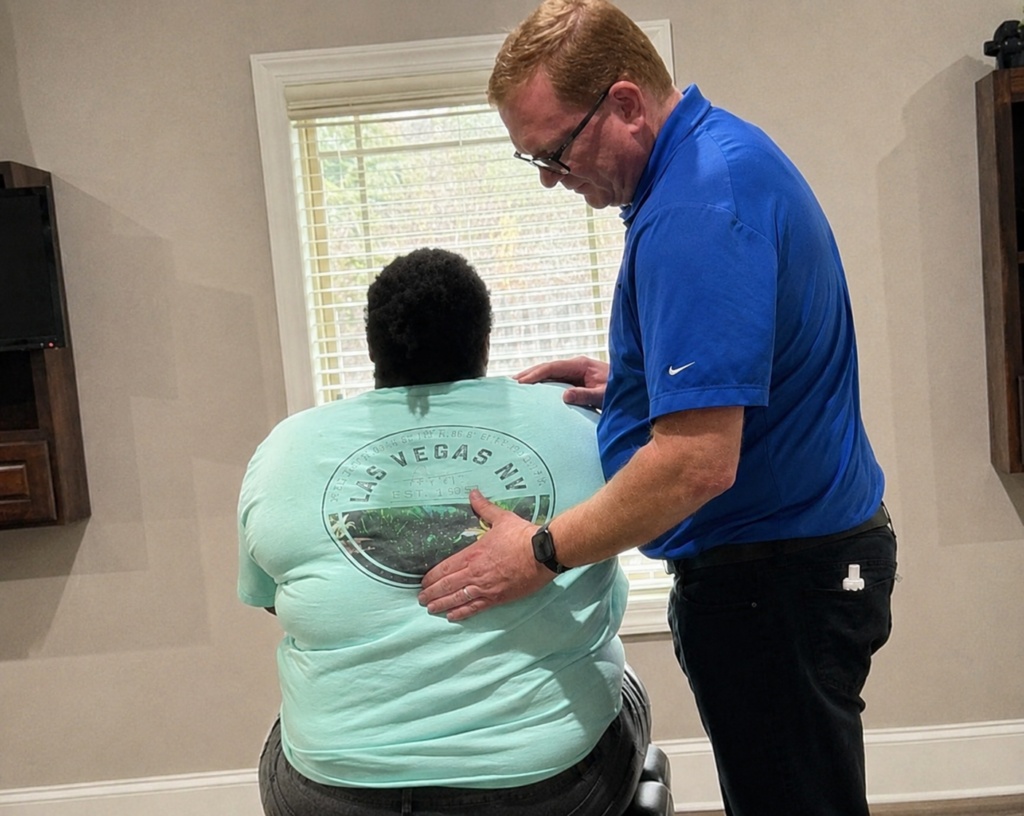

As your local chiropractor, I want to help you understand the potential causes of your upper back pain. Many patients are surprised to learn that everyday habits and poor posture can significantly contribute to their discomfort. By participating in our informative quiz, you can evaluate your symptoms and lifestyle, allowing us to provide tailored recommendations for relief.
You may be wondering what specific factors are at play and how simple adjustments can lead to a noticeable improvement in your well-being. My goal is to empower you with knowledge about how chiropractic care and natural healing methods can help alleviate your pain. Together, we can explore effective strategies to promote a healthier spine and enhance your overall quality of life.
Understanding Upper Back Pain
As a local chiropractor, I often see patients struggling with upper back pain, a common concern that many of us may encounter at some stage in our lives. This type of pain can significantly impact your daily routines, making even the simplest tasks feel daunting. You might experience tightness or discomfort in your upper back, which can sometimes extend to your neck and shoulders. Understanding the nature of upper back pain is crucial for managing it effectively.
Patients frequently describe upper back pain as either a dull ache or a sharp, shooting sensation. Poor posture is often a contributing factor, particularly for those who spend long hours at a desk or find themselves hunching over their phones. By becoming aware of how posture influences your back health, you can implement corrective measures.
Simple changes, such as maintaining your shoulders back and aligning your head with your spine, can lead to significant improvements in your comfort levels.
It's also important to note that certain activities, such as lifting heavy objects or performing repetitive motions, can trigger or exacerbate your pain. Being mindful of your body mechanics during these activities is essential.
Additionally, stress can lead to muscle tension in your upper back, which can be alleviated through relaxation techniques like deep breathing or meditation.
By educating yourself about upper back pain, you empower yourself to take proactive steps toward reducing discomfort and enhancing your overall quality of life. Recognizing the signs and symptoms will better equip you to seek effective solutions, whether through chiropractic care, lifestyle adjustments, or relaxation practices tailored to your individual needs.
Common Causes of Discomfort
As a local chiropractor, I want to help you understand the various factors that may be contributing to discomfort in your upper back. Recognizing these causes is essential for achieving effective relief and promoting overall wellness.
One prevalent issue we see is muscle strain, which can often occur due to overexertion or improper lifting techniques. If you've been engaging in physical activities without taking the time to warm up or using the right form, it's possible that your upper back muscles are feeling the effects.
Your daily habits can also play a significant role in your upper back health. Many of us spend long hours sitting at desks or in front of screens, which can lead to tension accumulating in this area.
Even seemingly harmless actions, like cradling your phone between your shoulder and ear or leaning forward to read, can contribute to discomfort over time.
Stress is another important factor to consider. When we experience stress, our bodies tend to tense up, particularly in the back and shoulders. If this tension isn't managed effectively, it can lead to chronic discomfort.
Additionally, injuries from accidents or falls are common culprits of upper back pain. If you've experienced a trauma, I encourage you to seek professional evaluation to ensure there are no serious underlying issues that need to be addressed.
Lastly, certain underlying health conditions, such as arthritis or herniated discs, can manifest as upper back discomfort. If you suspect there may be a medical issue at play, consulting with a healthcare professional is crucial for obtaining the appropriate treatment.
At our chiropractic clinic, we focus on natural healing methods to address these issues holistically. We can work together to identify the root causes of your discomfort and develop a personalized plan to promote healing and improve your quality of life.
The Importance of Posture
As your local chiropractor, I want to emphasize the crucial role that posture plays in maintaining the health of your upper back. When you find yourself slouching or hunching over, it places unnecessary strain on your muscles and spine, which can lead to discomfort and pain. By practicing good posture, you can help distribute your body weight evenly, significantly reducing stress on your upper back and supporting the natural curvature of your spine.
Every movement you make—whether sitting, standing, or walking—affects how your body functions. If you spend long hours at a desk, you may notice a tendency to lean forward, which can create tightness in the muscles of your upper back and neck. This tightness can quickly evolve into pain, making even simple tasks feel daunting.
On the flip side, adopting proper posture can greatly enhance your overall well-being. When you maintain an upright position—whether sitting or standing—you improve circulation and reduce fatigue, while also promoting better lung function. This increase in oxygen flow can help you stay alert and focused throughout your day.
To improve your posture, I encourage you to be mindful of your body alignment. Keep your shoulders relaxed and ensure your head is aligned over your spine. If you're sitting, make sure your feet are flat on the floor, and choose a chair that provides adequate support for your lower back.
Remember, even small adjustments can have a significant impact on your comfort and health.
As your chiropractor, I'm here to guide you in understanding the importance of posture and how it ties into your overall health. Together, we can work towards a more aligned and pain-free lifestyle.
Exercises for Relief
As a chiropractor, I want to share some effective exercises that can help alleviate upper back pain. These movements not only strengthen your muscles but also enhance your posture and flexibility, which are crucial in reducing discomfort.
Begin with the wall angel. Stand against a wall with your feet a few inches away and your arms raised in a "W" position. Slowly slide your arms up the wall into a "Y" shape while ensuring your back and arms remain in contact with the wall. This exercise is excellent for strengthening the muscles that support your upper back.
Next, incorporate the seated row into your routine. Sit comfortably in a chair with your feet flat on the floor. Grab a resistance band with both hands, extending your arms in front of you. Pull the band towards your torso, squeezing your shoulder blades together. This movement targets your upper back muscles, encouraging better posture and alleviating pain.
Another beneficial exercise is the cat-cow stretch. Position yourself on your hands and knees, with your wrists directly beneath your shoulders. Inhale deeply as you arch your back and gaze upward (cow position), then exhale as you round your spine and tuck your chin (cat position). This dynamic stretch not only increases flexibility but also helps to relieve tension in your upper back.
Lastly, try the thoracic extension. Sit in a chair with a firm backrest and place your hands behind your head. Gently lean back to open your chest, hold for a few seconds, and then return to the starting position.
Regular practice of these exercises can significantly contribute to your relief from upper back pain. By integrating these exercises into your daily routine, you can enhance your overall well-being and support your body in its natural healing process.
Effective Stretching Techniques
As a local chiropractor, I often emphasize the importance of effective stretching techniques in alleviating upper back pain and enhancing overall flexibility. Integrating specific stretches into your daily routine can significantly ease tension, improve your range of motion, and support your journey towards better spinal health.
Here are some valuable stretches that I recommend for my patients.
Let's start with the cat-cow stretch, which is excellent for mobilizing your spine. To perform this stretch, position yourself on your hands and knees. Begin by arching your back like a cat, then gently dip your spine down while lifting your head and tailbone toward the ceiling. Repeat this fluid motion several times to promote flexibility in your spine.
Another great option is the thoracic spine stretch. You can do this while seated or standing. Interlace your fingers behind your head and gently pull your elbows back to open up your chest. Hold this position for about 20-30 seconds, and you'll likely feel a deep stretch across your upper back, helping to counteract the effects of poor posture.
Next, consider the doorway stretch, which is fantastic for releasing tension in your chest and shoulders. Stand in a doorway, place your arms on the doorframe, and step forward slightly. This stretch helps counteract the rounding of your shoulders that can contribute to upper back pain.
Lastly, the seated forward bend is an effective way to target both your back and legs. Sit on the floor with your legs extended in front of you, reach for your toes, and allow your upper body to fold forward. This stretch not only alleviates tension in your back but also helps release tightness in your legs.
Incorporating these stretches into your daily routine can make a significant difference in managing upper back pain and improving your overall well-being.
Stress Management Strategies
As a local chiropractor dedicated to helping you manage upper back pain, I want to emphasize that effective relief often extends beyond just physical adjustments and stretches. Stress management plays a crucial role in your overall comfort and well-being. When we're under stress, our bodies can react in various ways, and tension often manifests as pain in the upper back. By adopting effective stress management strategies, you can create a more conducive environment for healing.
First, it's important to identify your specific stressors. Whether they stem from work-related pressures, personal challenges, or other life events, recognizing what triggers your stress is a vital step. Once you've pinpointed these stressors, we can work together to develop strategies to address them.
I recommend incorporating mindfulness or meditation into your daily routine. These techniques not only help center your thoughts but also reduce anxiety and promote relaxation, allowing your body to release built-up tension.
Deep breathing exercises are another fantastic tool to have in your stress management toolkit. When you notice stress starting to creep in, take a moment to focus on your breath. Inhale deeply through your nose, hold it for a few seconds, and then exhale slowly through your mouth. This simple practice can significantly lower your heart rate and relieve tightness in your back.
Additionally, I encourage you to make it a habit to take regular breaks throughout your day. Stretching or standing up for just a few minutes can help interrupt cycles of stress and physical tension. Engaging in hobbies or activities you love can also serve as a wonderful distraction and elevate your mood, contributing to your overall healing process.
Together, we can explore these strategies to not only address your upper back pain but also enhance your overall well-being. Your journey toward better health is a partnership, and I'm here to support you every step of the way.
Lifestyle Changes to Consider
As a local chiropractor, I often see patients who are struggling with upper back pain and are looking for effective solutions. You might be surprised to learn that simple lifestyle changes can make a significant difference in managing your discomfort.
By reevaluating some of your daily habits, you can't only alleviate pain but also support your spine's health.
Here are three lifestyle changes that I recommend:
- Improve Your Posture: Good posture is crucial for reducing strain on your upper back. Whether you're working at a desk or standing in line, focus on keeping your shoulders back and your head aligned with your spine. Avoid slumping or hunching, as these habits can lead to increased tension and discomfort.
- Stay Active: Engaging in regular physical activity strengthens the muscles that support your spine. I suggest incorporating exercises that enhance flexibility and strength, such as yoga or swimming. Just dedicating 30 minutes a day to physical activity can lead to noticeable improvements in how you feel.
- Take Breaks: If your daily routine involves long hours at a desk or in front of screens, it's important to take short breaks every hour. Stand up, stretch, and move around to relieve tension and boost circulation. These small actions can make a big difference in how your body feels throughout the day.
Remember, you don't have to overhaul your entire lifestyle all at once. Start with one or two of these adjustments and gradually incorporate more as you go along.
By being mindful of your posture, staying active, and taking regular breaks, you'll likely find relief from upper back pain over time. It's all about creating a supportive environment for your spine and making choices that prioritize your health and well-being.
If you have any questions or need further guidance, feel free to reach out—I'm here to help!
When to Seek Professional Help
If you're experiencing upper back pain that persists beyond a few days or seems to be worsening, it's essential to consider seeking professional assistance.
As a chiropractor, I want to emphasize the importance of listening to your body. Pay close attention to any additional symptoms such as numbness, weakness, or fever, as these may signal a more serious underlying issue.
If you're feeling concerned about your condition, don't hesitate to reach out to a healthcare provider.
Chiropractic care can offer natural, holistic approaches to alleviating pain and improving your overall well-being, and I'm here to help guide you on that path.
Persistent Pain Duration
When upper back pain persists for more than a few weeks, it's essential to consider reaching out for professional assistance, especially from a chiropractor. Chronic pain can often signal underlying issues that may benefit from chiropractic care. It's important to pay attention to your body and recognize when it's time to seek help.
Here are some indicators that suggest you should consult a chiropractor:
- Increased pain intensity: If your discomfort intensifies or becomes unbearable, it's a strong sign to seek help. Chiropractic adjustments can help alleviate that pain and restore balance to your body.
- Limited mobility: If you find it difficult to perform daily tasks or notice a decrease in your upper back flexibility, this could be a warning sign. Chiropractors focus on improving mobility and function through targeted adjustments and therapies.
- Sleep disturbances: If your pain is affecting your sleep quality, it's time to have a conversation with a professional. Proper alignment can significantly improve your overall well-being, including your sleep.
Ignoring persistent pain can lead to more serious complications in the future. A chiropractor can provide personalized care to address your unique situation, whether through spinal adjustments, therapeutic exercises, or lifestyle recommendations.
Accompanying Symptoms Analysis
As a local chiropractor, I want to help you understand the signs that may indicate it's time to seek professional care for persistent upper back pain. It's not just about discomfort; your body often communicates other important symptoms that shouldn't be ignored.
If you're experiencing numbness, tingling, or weakness in your arms or legs along with your back pain, it's crucial to consult a healthcare provider. These sensations can suggest nerve involvement or potentially indicate a more serious condition that requires prompt attention.
Moreover, if your upper back pain is paired with symptoms like fever, unexplained weight loss, or night sweats, these could be warning signs of an underlying infection or other serious health issues. It's essential to listen to your body and not overlook these signals.
Should your pain follow an injury or trauma, I highly recommend seeking a medical evaluation. This helps rule out fractures or other injuries that could require immediate care.
In cases where the pain is severe and doesn't improve with rest or over-the-counter medications, it's a good idea to reach out for professional advice. Waiting for symptoms to worsen can lead to complications.
Remember, early intervention can't only prevent further issues but also lead to more effective healing.
Lastly, if you notice any changes in your bowel or bladder function, it's vital to seek immediate medical attention. Don't hesitate to contact a healthcare professional, especially if you're uncertain about your symptoms. Your health is incredibly important, and as a chiropractor, I'm here to support you on your journey to wellness through natural healing methods.
Quiz: Begin Your Journey
Are you struggling with upper back pain?
As a local chiropractor, I want to help you understand the factors that contribute to your discomfort and explore natural healing solutions.
This quiz will guide you in recognizing your pain triggers, discovering effective treatments, and monitoring your improvement.
Together, we can embark on your journey to relief and better health!
Let's begin!
Understanding Your Pain Triggers
As a local chiropractor, I want to help you understand the common triggers of upper back pain that you mightn't be aware of. Recognizing what contributes to your discomfort is an essential step toward finding relief and improving your overall well-being.
Many times, our daily habits and routines can be the culprits behind that nagging pain.
Let's explore some typical triggers you might encounter:
- Poor Posture: Many of us spend long hours sitting at desks or hunched over our phones, which can really take a toll on the upper back muscles. Maintaining good posture is crucial for preventing strain and discomfort.
- Repetitive Movements: Activities that involve lifting heavy objects or repeating the same motion can lead to muscle fatigue and pain. It's important to be mindful of how you move throughout the day to minimize strain on your back.
- Stress: Emotional tension can manifest physically, leading to tightness in your upper back muscles. Addressing stress through relaxation techniques or chiropractic adjustments can help alleviate this discomfort.
By understanding these triggers, you can take proactive steps to improve your posture, modify your movements, and manage stress effectively.
Chiropractic care can also play a vital role in natural healing, providing you with the support you need to feel your best. If you're experiencing upper back pain, don't hesitate to reach out for guidance on how to address these issues holistically.
Identifying Effective Solutions
As a local chiropractor, I want to help you understand how to find relief from upper back pain and regain your comfort and mobility. The first step in this journey is to evaluate your daily habits, as even small adjustments can lead to significant improvements.
It's essential to be mindful of your posture throughout the day—whether you're sitting, standing, or lifting. Slouching or hunching can exacerbate discomfort, so consciously maintaining a neutral spine is crucial.
Incorporating stretching and strengthening exercises into your daily routine can also be beneficial. Focus on your upper back, shoulders, and core, as these areas are key in supporting your spine. Engaging in activities like yoga or Pilates can enhance your flexibility and strengthen your muscles, potentially leading to pain relief.
Additionally, it's important to make ergonomic adjustments to your workspace. Ensure that your chair and desk are set up to promote good posture. If you spend extended periods at a computer, remember to take regular breaks to move around and stretch.
Lastly, consider exploring alternative therapies such as massage or acupuncture, which can effectively target muscle tension and promote relaxation.
Tracking Your Progress
As a local chiropractor, I understand that tracking your progress is vital for effectively managing upper back pain. Many of my patients have found that by keeping a detailed record of their symptoms, treatments, and daily activities, they can uncover patterns that reveal what truly works for them. This proactive approach not only empowers you but also enhances communication with your healthcare team.
Here are some helpful tips for tracking your progress in a way that ties into natural healing and chiropractic care:
- Daily Pain Journal: Start by noting your pain levels each day, along with any triggers you observe and the relief methods that have worked for you. This practice helps you identify improvements or setbacks over time, which is essential for your healing journey.
- Exercise Log: It's important to document your exercises, stretches, and any physical activities you engage in. Pay attention to how your body responds to each one, as this information will allow us to refine your routine for optimal results in your chiropractic care.
- Treatment Response: Keep a record of any treatments you undergo—such as adjustments, physical therapy, or other natural remedies—and note how effective they're in reducing your pain. This feedback is invaluable, as it helps us tailor your treatment plan to better suit your individual needs.
Personalized Recommendations
As a local chiropractor, I want to share how personalized recommendations can play a vital role in alleviating upper back pain, especially for those who may not be familiar with chiropractic care and natural healing methods. Every individual's body is unique, so understanding that what works for one person mightn't be effective for another is crucial in addressing discomfort.
First, let's talk about your daily habits. Many of us spend long hours hunched over computers, which can lead to poor posture and increased strain on the upper back. I recommend evaluating your workstation setup. Investing in ergonomic furniture can make a significant difference, and remember to take regular breaks for stretching and movement. These simple adjustments can lead to substantial improvements in your comfort and overall well-being.
Next, I encourage you to incorporate targeted exercises into your routine. Strengthening the muscles in your back and improving flexibility are essential steps in your recovery. Focus on exercises that engage your upper back, such as rows, shoulder blade squeezes, and thoracic extensions. Additionally, practices like yoga or Pilates can enhance your posture and help reduce tension.
It's also important to consider relaxation techniques, as stress can contribute to muscle tension. Finding ways to unwind is crucial for your healing process. Techniques such as deep breathing, meditation, or gentle stretching can help lower stress levels and promote recovery.
Finally, if you find that your pain persists despite making these changes, I encourage you to consult with a healthcare professional—like myself. A personalized assessment can help identify the underlying causes of your pain, and I can recommend treatments such as chiropractic adjustments, physical therapy, or massage therapy tailored specifically to your needs.
Conclusion
As a local chiropractor, I want to help you understand the root causes of your upper back pain so you can find relief. It's important to know that small adjustments to your posture and daily habits can lead to significant improvements in your comfort. I encourage you to incorporate specific exercises and stretches that I can tailor to your needs. If you ever feel unsure or need assistance, don't hesitate to reach out to me or another professional for guidance. Listening to your body is crucial, and with the right approach, you can regain your well-being. Let's embark on this journey together and take control of your pain today!