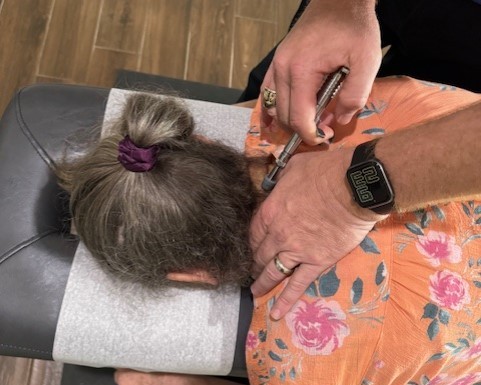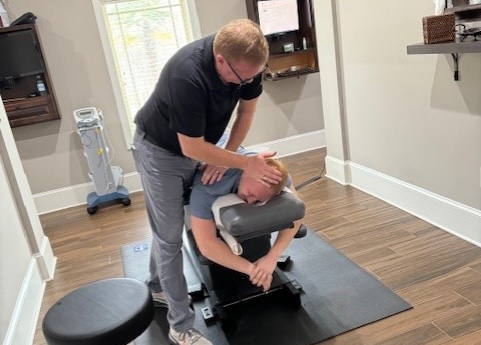

As a local chiropractor, I understand that if you've ever experienced back pain while playing sports, it can truly hinder both your performance and enjoyment. It's essential to identify the underlying causes of your discomfort, but addressing the issue effectively goes beyond mere awareness. I often recommend a combination of preventive measures and tailored therapeutic exercises that can significantly aid in your recovery.
Chiropractic care focuses on natural healing, helping to restore balance and function to your body. It's not just about finding immediate relief; we also emphasize long-term strategies that can keep you active and engaged in your favorite sports. Interested in learning more about how chiropractic techniques can support your journey to a pain-free athletic experience? Let's explore the possibilities together!
Understanding Back Pain Causes
As a local chiropractor, I want to help you understand the various causes of back pain, especially for those of you who lead active lifestyles or participate in sports. Many times, discomfort arises from muscle strains. These can occur when you push your body beyond its limits during workouts or competitions. Strains often lead to inflammation and soreness, which can hinder your performance and overall well-being.
Another significant factor contributing to back pain is poor posture. Whether you're lifting weights, running, or engaging in sport-specific movements, improper alignment can put unnecessary stress on your spine. If you find yourself leaning forward or slumping your shoulders frequently, you're not just risking your athletic performance; you may also be inviting back pain into your life.
Injuries such as herniated discs can also be major contributors to your discomfort. When a disc bulges or ruptures, it can press on nearby nerves, resulting in sharp pain that may radiate down your legs. These injuries often stem from repetitive motions or heavy lifting, so it's crucial to be mindful of your body mechanics and how you move.
Overtraining is another common cause of back pain. If you're pushing yourself too hard without allowing adequate recovery, it can lead to muscle fatigue and an increased risk of injury. This cumulative stress can manifest as persistent back pain, reinforcing the importance of listening to your body and recognizing when it needs rest.
Lastly, underlying conditions like scoliosis or arthritis can play a role in your discomfort. While these issues may not be directly related to your athletic activities, they can certainly exacerbate pain during sports.
Preventive Measures for Athletes
As a local chiropractor, I want to share some proactive strategies to help you prevent back pain and enhance your athletic performance.
It's crucial to start by focusing on the proper technique in your chosen sport. Whether you're lifting weights, running, or participating in team sports, using the right form is essential to minimize strain on your back. If you're unsure about your technique, don't hesitate to seek guidance from coaches or trainers who can help you refine your approach.
Before engaging in any physical activity, it's important to have a solid warm-up routine. Incorporating dynamic stretches and mobility exercises can prepare your muscles and joints, making them more resilient during intense workouts.
Similarly, don't forget about your cool-down routine; static stretching is key to maintaining flexibility and alleviating muscle tightness after exercise.
Strengthening your core is another vital aspect of back health. A strong core supports your spine and helps you maintain good posture, both of which are essential for preventing back pain. I encourage you to include exercises that target your abdominal and lower back muscles in your training regimen.
Recovery is just as important as training. Adequate rest, hydration, and nutrition significantly impact your overall physical health. If you ever experience discomfort, it's important to address it right away instead of pushing through the pain. This proactive approach can prevent more severe injuries down the line.
Lastly, consider the equipment you use. Ensure your shoes are appropriate for your specific sport and that any necessary protective gear fits well.
Effective Therapeutic Exercises
As a local chiropractor, I want to share with you how incorporating effective therapeutic exercises into your daily routine can significantly help alleviate sports-related back pain and improve your overall physical performance.
These exercises are designed to strengthen your core, enhance flexibility, and promote proper posture—all crucial elements in preventing and managing back pain naturally.
Let's start with pelvic tilts. To perform this exercise, lie on your back with your knees bent and feet flat on the floor. By gently tilting your pelvis upward—tightening your abdominal muscles and pressing your lower back into the floor—you can help relieve tension in your lower back.
Hold this position for a few seconds, then release. Aim to repeat this movement 10 to 15 times to build strength in your core.
Another great exercise is the cat-cow stretch. Begin on your hands and knees, ensuring your back remains flat. Inhale deeply as you arch your back upwards like a cat, and then exhale while lowering your belly and lifting your head to create a gentle curve in your spine, as in the cow position.
This fluid movement not only enhances your flexibility but also helps reduce stiffness in your back.
Bridges are also an excellent addition to your routine. Lie on your back with your knees bent and feet hip-width apart. By pushing through your heels to lift your hips toward the ceiling, you engage your glutes and strengthen your lower back.
Hold this position for a few seconds before lowering back down. I recommend aiming for 10 to 15 repetitions of this exercise for optimal benefits.
Lastly, don't overlook the importance of a gentle hamstring stretch. Sit on the ground with one leg extended and the other bent. Lean forward and reach toward your toes on the extended leg, which will provide a soothing stretch in your lower back and hamstring area.
Hold this stretch for 15 to 30 seconds before switching legs.
Incorporating these therapeutic exercises into your routine can be a powerful way to support your chiropractic care and enhance your body's natural healing abilities.
If you have any questions or need guidance on performing these exercises safely, don't hesitate to reach out. Your well-being is my priority!
Professional Treatment Options
As a local chiropractor, I want to share the importance of exploring professional treatment options for sports-related back pain. Many athletes may not be familiar with how chiropractic care can provide essential support and relief, but it plays a crucial role in recovery.
Consulting with a healthcare professional is a vital first step in addressing your back pain. As a chiropractor, I can assess your unique situation and develop a personalized treatment plan tailored to your needs. Through gentle spinal adjustments, I work to alleviate pain and improve mobility by realigning your spine and reducing tension in surrounding muscles.
In addition to chiropractic care, I often recommend incorporating other natural healing methods, such as acupuncture, into your recovery plan. This ancient practice stimulates specific points in the body, promoting healing and reducing inflammation, which can complement the benefits of chiropractic adjustments.
If your pain persists despite these conservative approaches, we can discuss other pain management techniques, such as lifestyle modifications or targeted therapies. In more severe cases, I'll work with your medical doctor to ensure you receive comprehensive care, exploring options if there's nerve compression or structural issues.
Collaboration is key in the healing process. By working together with a team of professionals—including physicians, physical therapists, and myself—you can enhance your recovery and performance.
Tips for Long-Term Relief
As a local chiropractor, I want to emphasize the critical importance of maintaining your back health long after you've experienced initial pain relief. To ensure that your spine remains strong and free from injuries, it's essential to take a proactive approach.
One of the simplest yet most effective steps you can take is to incorporate regular stretching into your daily routine. Dynamic stretches before your workouts can prepare your muscles and joints, while static stretches afterward can enhance your flexibility and ease tension.
Strengthening your core is another vital aspect of back health. A robust core provides essential support for your spine, significantly reducing the risk of injuries. I recommend incorporating exercises such as planks, bridges, and side leg lifts into your weekly routine. Aim to do these at least three times a week for optimal results.
Proper posture is also crucial, whether you're engaged in sports or going about your daily activities. Whether you're sitting at a desk or lifting weights, maintaining a neutral spine and engaging your core can prevent unnecessary strain and promote long-term health.
Listen to your body. If you experience any discomfort during or after physical activity, it's important to address it right away. Ignoring pain can lead to chronic issues down the line.
Additionally, consider cross-training to minimize repetitive strain on your back. By varying your workouts, you can help balance muscle development and keep your back strong.
Finally, don't underestimate the importance of recovery. Adequate rest, hydration, and nutrition are key to your body's ability to heal and maintain strength. Make sure to include rest days in your training schedule and consider gentle activities like yoga or swimming to promote recovery without overexerting yourself.
Conclusion
As a local chiropractor, I want to share some valuable insights on how you can alleviate sports-related back pain through natural healing methods. Incorporating preventive strategies and therapeutic exercises into your daily routine can significantly help reduce discomfort. It's essential to focus on proper techniques, dynamic warm-ups, and strengthening your core. These practices not only stabilize your spine but also improve your overall performance.
Listening to your body is crucial. If you experience persistent pain, seeking professional treatment, such as chiropractic care, can make a real difference. We specialize in natural healing approaches that can restore your spine's alignment and promote healing.
In addition to treatment, make sure to prioritize adequate rest, stay hydrated, and engage in consistent self-care. These habits will not only relieve your current discomfort but also support your long-term back health. By staying proactive about your wellness, you'll be taking significant steps towards a pain-free and active lifestyle. Your body will truly thank you for it!