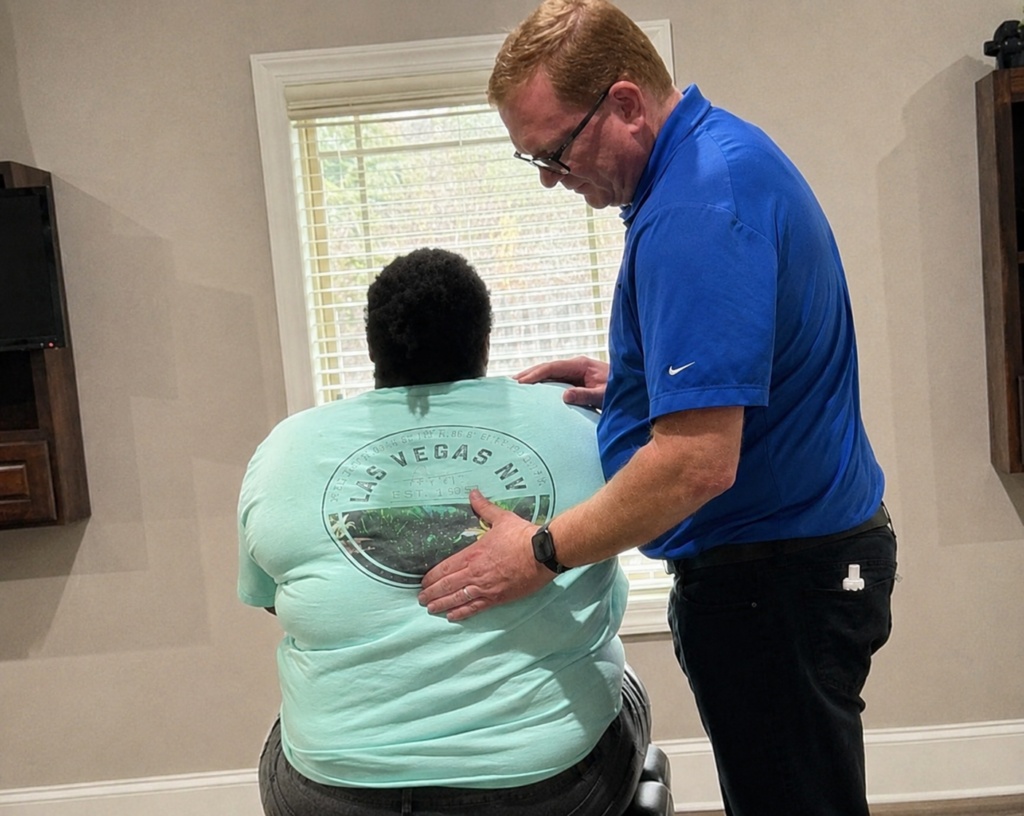

If you're experiencing upper back discomfort, know that you're not alone, and understanding the underlying causes is a crucial first step towards finding relief. As a local chiropractor, I often see patients who benefit from a holistic approach that includes a blend of targeted stretches, strength-building exercises, and ergonomic adjustments to their daily routines. These methods can significantly enhance your comfort and functionality.
Additionally, relaxation techniques play an essential role in alleviating stress, which can often intensify pain in the upper back. You might be wondering, what specific stretches or adjustments can you implement to truly feel a difference? Let's discuss some practical strategies that you can easily incorporate into your life to help you regain control over your well-being and improve your overall quality of life. Remember, natural healing is possible, and I'm here to guide you through the process.
Understanding Upper Back Discomfort
As a local chiropractor, I want to help you understand the common causes of upper back discomfort and how we can address them through natural healing methods. Many people experience this type of discomfort due to poor posture, muscle strain, or even stress.
If you find yourself hunched over your computer or phone for extended periods, you may be unknowingly contributing to tightness and pain in your upper back. When your muscles aren't properly aligned, they've to work harder to support your body, leading to fatigue and discomfort.
It's essential to recognize how your daily habits, such as your posture, play a significant role in your overall well-being.
Muscle strain is another frequent cause of upper back issues. Whether you've lifted something heavy, engaged in a strenuous workout, or slept in an awkward position, these activities can leave your upper back feeling sore and overworked.
It's crucial to listen to your body after physical exertion, as even minor strains can escalate into significant discomfort if left unaddressed.
Stress can also significantly contribute to upper back pain. When you're feeling overwhelmed, your body naturally tenses up, particularly in the shoulders and upper back. Many individuals aren't aware of this tension until it turns into pain.
Identifying the sources of stress in your life and finding effective ways to manage them can be key to alleviating discomfort.
To truly understand and address your upper back pain, take a moment to reflect on these factors. By being mindful of your posture, recognizing signs of strain, and actively managing stress, you can take important steps toward relief.
As your chiropractor, I'm here to guide you through this process and help you achieve a healthier, pain-free life through natural healing methods.
Effective Stretches for Relief
As a local chiropractor, I often see patients struggling with upper back discomfort. One of the most effective ways to alleviate this pain is through simple stretches that you can incorporate into your daily routine.
These stretches not only help release tension but also improve flexibility and promote better posture. You don't need to set aside a lot of time—just a few minutes each day can lead to noticeable relief.
Here are four stretches that I recommend:
- Cat-Cow Stretch: Begin by getting on all fours. Arch your back upward like a cat, then dip it down while lifting your head and tailbone. Repeat this sequence several times. This stretch is fantastic for increasing mobility in your spine, which is essential for overall back health.
- Child's Pose: Kneel on the floor and sit back on your heels. As you stretch your arms forward, lower your torso between your legs. Hold this position for about 30 seconds. This stretch is particularly effective in releasing tension in your upper back, allowing for a deeper sense of relaxation.
- Thoracic Spine Rotation: While seated in a chair, place your right hand on the backrest and gently twist your torso to the right. Hold this stretch for 15-30 seconds, then switch to the left side. This movement enhances rotation and flexibility in your upper back, which can help alleviate stiffness.
- Chest Opener: Stand up straight and clasp your hands behind your back. Gently pull your shoulders back and down, holding this position for 20-30 seconds. This stretch is beneficial for counteracting the hunching posture that often contributes to upper back pain, helping to open up your chest and improve alignment.
Integrating these stretches into your daily routine can be a simple yet powerful way to support your spine and overall well-being.
If you have any questions or would like further assistance, feel free to reach out during your next visit!
Strengthening Exercises to Consider
Strengthening your upper back is crucial for maintaining proper posture and preventing discomfort, and as a chiropractor, I want to share some effective exercises that can make a significant difference in your overall well-being.
By focusing on these muscles, you're not only creating a stable foundation for your spine but also reducing tension and pain that can arise from poor posture.
One exercise I recommend is the seated row. You can use a resistance band or a cable machine for this.
Sit up straight, pull the band towards you, and remember to squeeze your shoulder blades together at the end of the movement. Gradually release back to the starting position. Aim for three sets of 10-15 repetitions to build strength effectively.
Another excellent option is the reverse fly. Stand with your feet shoulder-width apart, holding a weight in each hand.
With a slight bend at the hips and a straight back, lift your arms out to the sides while squeezing your shoulder blades together. Lower your arms back down with control. Again, aim for three sets of 10-15 repetitions.
The wall angel is also a fantastic exercise to consider. Stand with your back against the wall and raise your arms to form a "goalpost" shape.
As you slide your arms up and down the wall, keep your back and arms in contact with it. This movement enhances mobility and strengthens your upper back muscles.
Lastly, don't overlook the plank. While it's primarily a core exercise, it effectively engages your upper back too.
Start by holding a plank position for 20-30 seconds, gradually increasing the duration as your strength builds.
Incorporating these exercises into your routine can lead to a stronger upper back, which is essential for reducing discomfort and improving your posture.
Ergonomic Adjustments for Comfort
As a local chiropractor passionate about promoting natural healing and well-being, I want to share some important insights on how making ergonomic adjustments in your workspace can significantly enhance your comfort and alleviate upper back discomfort.
When you create a work environment that caters to your unique needs, you'll likely notice not only an improvement in your productivity but also in your overall health.
Here are four essential adjustments to consider:
- Chair Height: It's crucial to adjust your chair so that your feet rest flat on the ground. Your knees should form a 90-degree angle. This setup helps distribute your weight evenly, which can significantly reduce the strain on your back and promote proper posture.
- Monitor Position: Position your monitor at eye level, ensuring it's about an arm's length away. This adjustment will prevent you from leaning forward or tilting your neck, which can lead to unnecessary strain on your upper back and neck. Proper alignment is key!
- Keyboard and Mouse: Keep your keyboard and mouse within comfortable reach so that your elbows remain at a 90-degree angle while you type. This stance helps maintain a neutral position for your wrists and can alleviate tension in your shoulders and back, which is essential for those who spend long hours at a desk.
- Desk Organization: Organize your workspace by placing frequently used items within arm's reach. This simple step can prevent awkward twisting or stretching, which often contributes to discomfort and fatigue over time. An organized workspace promotes a more relaxed posture and reduces the risk of injury.
By implementing these ergonomic adjustments, you can create a more comfortable and supportive workspace that not only enhances your productivity but also supports your journey towards better spinal health and overall well-being.
Relaxation Techniques to Try
As a chiropractor, I often see patients struggling with upper back discomfort, and I want to share some effective relaxation techniques that can significantly enhance your well-being. These methods not only help alleviate tension but can also be a valuable complement to chiropractic care.
Let's start with deep breathing exercises. I recommend finding a quiet space where you can sit comfortably. Inhale deeply through your nose, allowing your abdomen to rise, and then hold your breath for a moment. Exhale slowly through your mouth. Practicing this for several minutes can help calm your mind and relax your muscles, which is especially beneficial for managing pain and discomfort.
Another technique I encourage is progressive muscle relaxation. This involves systematically tensing and then relaxing different muscle groups in your body. Begin with your feet—tense them for a few seconds, then release. Gradually move up through your calves, thighs, and continue all the way to your neck and face. This practice not only helps you identify where you might be holding tension but can also be particularly effective in addressing upper back discomfort.
Guided imagery is another powerful tool. I suggest closing your eyes and visualizing a serene setting, such as a beach or a tranquil forest. Focus on the sounds, smells, and sensations associated with that place. This mental escape can significantly reduce stress and discomfort, allowing your body to relax more fully.
Lastly, I can't emphasize enough the benefits of gentle stretching. Simple movements like shoulder rolls or neck tilts can help release tightness in your upper back.
I encourage you to incorporate these relaxation techniques into your daily routine. By doing so, you may notice a marked reduction in discomfort over time. Remember, consistency is crucial for achieving lasting relief, and combining these techniques with regular chiropractic care can enhance your overall healing journey.
Conclusion
As a local chiropractor, I want to share some effective strategies that can truly help alleviate your upper back discomfort. By integrating specific stretches and targeted strengthening exercises into your routine, along with making ergonomic adjustments in your daily environment, you can foster a more comfortable lifestyle. It's also essential to incorporate relaxation techniques to help manage stress and enhance your overall well-being. Taking proactive steps towards your comfort can lead to significant relief and improved posture over time. I encourage you to prioritize consistency in these practices to maintain a healthy back. Remember, chiropractic care can also play a vital role in supporting your journey towards better spinal health. Let's work together to help you feel your best!