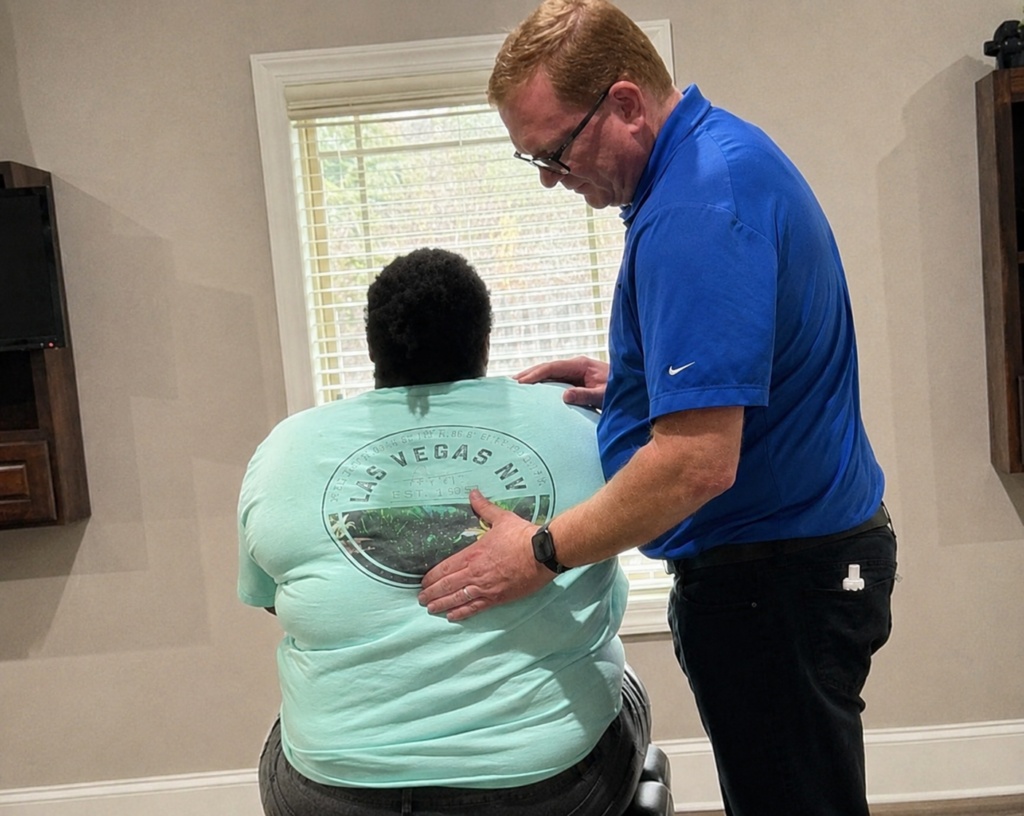

Chronic back pain can be a frustrating challenge that disrupts your daily life, but as a local chiropractor, I want to assure you that you don't have to face it alone. There are effective relief strategies available, including chiropractic care, which focuses on spinal alignment to alleviate pain and enhance overall function.
In addition to adjustments, I often recommend tailored exercise routines and physical therapy, which can complement the healing process. It's important to consider not just the physical aspects of pain, but also the emotional components, as they can significantly impact your recovery journey.
As you explore these options, you may notice a surprising connection between your mental state and physical relief. Understanding this relationship can empower you to approach your healing with a more holistic mindset. If you've been struggling with chronic back pain, I encourage you to reach out and discover how chiropractic care can help you regain control of your life. What could this newfound understanding mean for your journey to wellness?
Understanding Chronic Back Pain
Chronic back pain can often feel like an unwelcome visitor that refuses to leave. It disrupts your everyday life, leaving you feeling frustrated and worn out. As a chiropractor, I believe that understanding the nature of your pain is the crucial first step toward finding relief. Chronic back pain is defined as pain lasting longer than three months and can arise from various factors, including injuries, degenerative conditions, or even emotional stress.
You may find that certain movements or activities trigger your pain, while others provide relief. It's essential to observe these patterns closely. Sometimes, the cause of your back pain isn't just a physical issue; emotional health plays a significant role as well. Stress, anxiety, and depression can manifest physically, leading to muscle tension in your back and exacerbating your discomfort.
Listening to your body is key. Maintaining good posture, staying active, and using proper lifting techniques can greatly help in managing your pain. Remember, each individual's experience with chronic back pain is unique; what alleviates someone else's pain may not have the same effect on you.
As your chiropractor, I can provide insights tailored specifically to your situation. Together, we can assess your pain, identify potential triggers, and develop personalized strategies to help you cope effectively.
Physical Therapy Techniques
As a local chiropractor, I want to share some insights on managing chronic back pain through natural healing techniques. One of the most effective approaches we use is physical therapy, which can truly transform your recovery process.
Incorporating stretching exercises into your routine is vital; they not only enhance your flexibility but also alleviate muscle tension, which is often a significant contributor to your discomfort.
Additionally, focusing on strengthening your core muscles is crucial. A strong core provides essential support for your spine, helping to stabilize your back and reduce pain.
By integrating these physical therapy techniques into your daily life, you can take an active role in your healing journey and promote long-term wellness.
Stretching Exercises Benefits
As a local chiropractor, I want to emphasize the vital role that stretching exercises play in alleviating back pain. These exercises not only enhance flexibility but also strengthen the muscles that support your spine, which is crucial for your overall health.
When you incorporate stretching into your routine, you'll find that it increases the range of motion in your back, helping to reduce stiffness and tension that often accompany discomfort. Regular stretching promotes better blood circulation to the areas affected by pain, facilitating healing and reducing discomfort.
Many of my patients discover that not only does stretching provide immediate relief, but it also helps lower the risk of future injuries. It's a preventative measure that supports long-term wellness.
Moreover, stretching fosters relaxation, which can be particularly beneficial for those dealing with chronic back pain. By focusing on your breath and movement during these exercises, you can create a mindful practice that nurtures both your body and mind, helping to alleviate the stress that often comes with pain.
It's essential to listen to your body while stretching and avoid pushing yourself too hard, as overstretching can lead to further injury. Instead, aim for gentle, sustained stretches that target key muscle groups in your back, hips, and legs.
Strengthening Core Muscles
As a local chiropractor dedicated to helping you understand the importance of your body's mechanics, I want to emphasize that one of the most effective ways to manage back pain is by strengthening your core muscles. A robust core is crucial because it provides essential stability and support for your spine.
When your core is well-developed, it helps to distribute weight more evenly across your body, which can significantly reduce the strain on your back.
To help you incorporate core-strengthening exercises into your routine, here are four effective movements that I recommend:
- Plank: Begin in a push-up position, ensuring your body forms a straight line from your head to your heels. Hold this position for 30 seconds to a minute, making sure to engage your core throughout the exercise. This helps in stabilizing your spine.
- Bridge: Lie on your back with your knees bent and feet flat on the floor. Gently lift your hips toward the ceiling, squeezing your glutes and core muscles. Hold this position for a few seconds before lowering back down. This exercise strengthens your lower back and glute muscles.
- Dead Bug: Lie on your back with your arms extended toward the ceiling and your knees bent at a 90-degree angle. Slowly lower one arm and the opposite leg while keeping your core engaged, then return to the starting position. Alternate sides. This exercise enhances coordination and core strength, which are vital for spinal support.
- Bird Dog: Start on all fours, ensuring your hands are under your shoulders and your knees are under your hips. Extend one arm and the opposite leg while keeping your core engaged. Hold this position momentarily before switching sides. This exercise promotes balance and stability, further supporting your spine.
By incorporating these exercises into your routine, you not only strengthen your core but also contribute to better spinal health and overall well-being.
If you have any questions or need further guidance on how to perform these exercises safely, feel free to reach out. Your journey to natural healing and pain management starts with understanding and caring for your body.
Exercise and Stretching Routines
As a local chiropractor, I want to emphasize the importance of incorporating regular exercise and stretching into your daily routine to alleviate chronic back pain and enhance your mobility. Engaging in a structured exercise program is vital for strengthening the muscles that support your spine, increasing your flexibility, and improving your overall physical function.
I recommend starting with low-impact activities like walking, swimming, or cycling. These exercises are gentle on your joints, yet they still provide significant benefits for your body.
Additionally, it's crucial to focus on specific stretching routines that target the back, hamstrings, and hip flexors. For instance, the cat-cow stretch is a fantastic way to increase spinal flexibility, while the child's pose can provide gentle back stretching. Holding these stretches for 20 to 30 seconds can effectively relieve tension and enhance your range of motion.
Don't overlook the importance of core-strengthening exercises. A strong core stabilizes your spine and plays a critical role in injury prevention. Exercises like planks, bridges, and pelvic tilts are excellent choices to build core strength.
I recommend aiming for at least 30 minutes of moderate exercise most days of the week, gradually increasing the intensity as your strength improves.
It's essential to listen to your body. If you experience pain during any exercise or stretch, please stop immediately and consult with me or another healthcare professional. Consistency is key—making exercise a habit will help you reap the long-term benefits of improved health and wellbeing.
Lastly, always remember to warm up before your workouts and cool down afterward to prevent injury. By taking these steps, you're investing in your health and paving the way for a more comfortable and active life.
Alternative Treatments Overview
As a local chiropractor, I want to share how alternative treatments can be an effective part of managing chronic back pain.
Many of my patients have found relief through methods such as acupuncture and herbal remedies, which can complement traditional chiropractic care.
These holistic approaches not only help alleviate pain but also promote overall well-being.
Let's delve into how these treatments work and what you can expect from incorporating them into your health journey.
Acupuncture and Pain Relief
As a local chiropractor, I want to share with you the benefits of acupuncture, a practice that aligns well with our holistic approach to pain relief and wellness.
Rooted in traditional Chinese medicine, acupuncture offers a distinct method for alleviating chronic back pain. By targeting specific points on the body, this time-honored technique seeks to restore balance and promote healing.
Here are some key benefits you might experience with acupuncture:
- Pain Reduction: Many individuals report a significant decrease in pain levels after just a few sessions. This can be a great complement to chiropractic adjustments.
- Improved Mobility: Regular acupuncture treatments can enhance your range of motion, which is essential for making daily activities easier and more enjoyable.
- Stress Relief: Acupuncture can help alleviate stress and anxiety, both of which often contribute to muscle tension and pain, enhancing your overall well-being.
- Holistic Healing: This approach encourages overall wellness by addressing not just the physical symptoms but also the emotional aspects of your health.
If you're in search of a natural method to manage your chronic back pain, I encourage you to consider acupuncture as part of your treatment plan.
It's crucial to consult with a licensed practitioner who can customize your care to meet your specific needs. By integrating acupuncture into your pain relief strategy, you could experience a renewed sense of comfort and an improved quality of life, complementing the chiropractic care you receive.
Herbal Remedies and Benefits
As a local chiropractor dedicated to helping you understand natural healing methods, I want to introduce you to the benefits of herbal remedies for managing chronic back pain. These remedies can be a fantastic complement to chiropractic care and other treatment options.
One herb you might find particularly beneficial is turmeric. It contains curcumin, which is renowned for its anti-inflammatory properties. Incorporating turmeric into your diet—whether through cooking or as a supplement—may help reduce pain and swelling in your back.
Another excellent choice is ginger. This well-known root acts as a natural pain reliever and can alleviate muscle discomfort. You can enjoy ginger tea or incorporate it into your meals to harness its soothing effects.
Additionally, consider Boswellia, also known as Indian frankincense. This herb may support joint health and help relieve back pain due to its anti-inflammatory properties.
Don't forget about devil's claw, a traditional remedy that's been used for pain relief for many years. If you're thinking about trying it, I recommend discussing it with your healthcare provider to ensure it aligns with your overall treatment plan.
It's crucial to talk to your doctor before starting any new herbal treatments, especially if you're currently taking medications. While these herbal remedies can be effective, they're most beneficial when used as part of a comprehensive pain management strategy tailored to your individual needs.
Lifestyle Modifications for Relief
As a local chiropractor, I'm here to share how simple lifestyle modifications can significantly alleviate your chronic back pain. By integrating these strategies into your daily life, you can improve your overall well-being and find relief from discomfort. Here are four effective approaches to consider:
1. Embrace Good Posture: Maintaining proper posture is crucial, whether you're at your desk or on your feet. Ensure your back is straight, shoulders are relaxed, and your feet are flat on the ground.
Utilizing ergonomic chairs and supportive cushions can make a world of difference in reducing strain on your back.
2. Stay Active: Engaging in regular physical activity is essential for strengthening your muscles and enhancing flexibility. I recommend low-impact exercises such as walking, swimming, or yoga.
It's important to gradually increase your activity level and be mindful of how your body feels to prevent overexertion.
3. Manage Your Weight: Extra weight can place additional pressure on your back, leading to discomfort. Focus on maintaining a balanced diet that includes plenty of fruits, vegetables, whole grains, and lean proteins.
Keeping an eye on portion sizes and staying well-hydrated will support your overall health and back wellness.
4. Prioritize Sleep: Quality sleep plays a vital role in your recovery process. I encourage you to establish a consistent sleep routine, create a comfortable sleep environment, and consider using supportive pillows.
Aim for 7-9 hours of restorative sleep each night to help your body heal.
When to Seek Professional Help
As a local chiropractor, I want to emphasize the importance of recognizing when to seek professional help for managing chronic back pain. If you've been enduring persistent discomfort that doesn't improve with home remedies or self-care strategies, it's time to reach out for expert guidance.
It's crucial not to overlook symptoms such as severe pain, numbness, or tingling in the legs, as these could signal a more serious underlying issue that requires attention. Your quality of life is paramount, so if your pain is hindering daily activities or disrupting your sleep, don't hesitate to consult a healthcare professional.
Chronic back pain shouldn't dictate how you live. If over-the-counter pain relievers aren't alleviating your discomfort, a chiropractor can provide targeted treatments tailored specifically to your needs, helping you restore function and mobility.
Additionally, if you notice sudden weight loss, fever, or changes in bowel or bladder function, it's imperative to contact your doctor right away, as these signs could indicate a more serious medical condition.
In many cases, chiropractic care, along with physical therapy and other natural healing methods like acupuncture, can significantly improve your situation. As your chiropractor, I can guide you through these options and help determine what may work best for your individual circumstances.
Lastly, I want to address the emotional toll that chronic pain can take on your mental well-being. If you're feeling anxious or depressed because of your pain, seeking mental health support is just as important as addressing the physical aspects.
A holistic approach to treatment, encompassing both physical and emotional health, is vital for effective healing and recovery. Remember, you don't have to navigate this journey alone—I'm here to help you every step of the way.
Conclusion
As a local Chiropractor, I want to emphasize that managing chronic back pain requires a holistic approach that goes beyond just treating the symptoms. Chiropractic care plays a crucial role in this journey. By focusing on spinal alignment and overall musculoskeletal health, we can help alleviate pain and improve your quality of life.
Incorporating physical therapy and engaging in regular exercise can complement chiropractic adjustments, enhancing your recovery process. Additionally, exploring alternative treatments, such as acupuncture or massage, may provide further relief.
It's also vital to consider lifestyle modifications that promote better posture and ergonomics in your daily activities. Your emotional health is equally important; stress and anxiety can exacerbate pain, so finding ways to manage these feelings can be beneficial.
If your pain persists or worsens, I encourage you to seek professional help. Remember, you're not alone in this journey. With the right chiropractic strategies and support, you can take control of your pain and regain your freedom to live life fully.